Minneapolis Takes a Different Path on Robotaxis
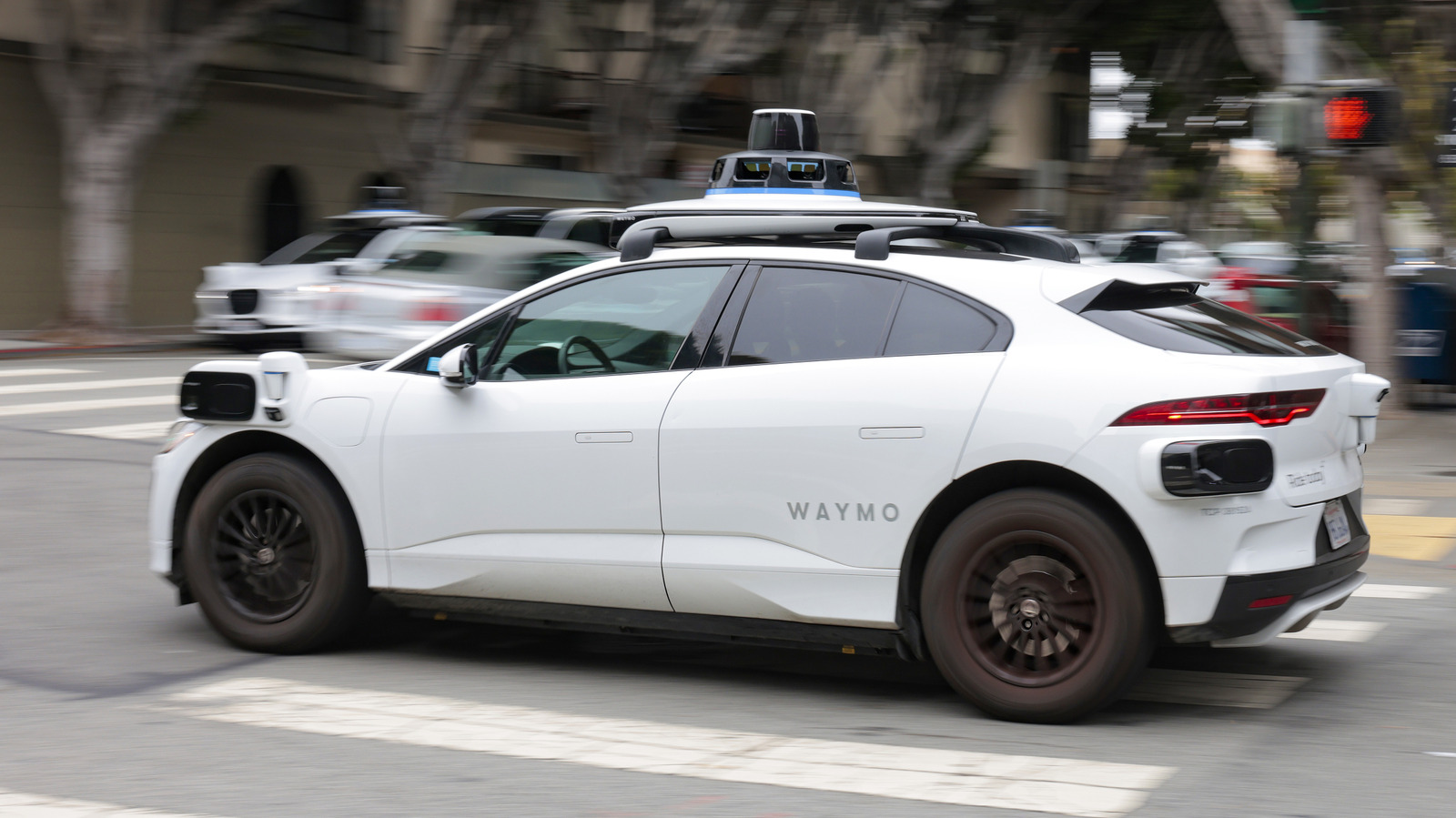
Waymo has spent the past few years pushing its robotaxi service into one new market after another, and the reception has been anything but uniform. Los Angeles, after a bumpy introduction, appears to have come around. Boston, by contrast, made clear it wanted nothing to do with a proposed expansion. Minneapolis has now stepped forward with an approach Axios describes as unique: an ordinance that would require a human monitor behind the steering wheel at all times.
What "Workers Drive Minneapolis" Would Require
The proposed rule carries a name that leaves little doubt about its intent — "Workers Drive Minneapolis." As reported by MinneapoliMedia, it would impose a set of conditions on any autonomous rideshare company hoping to operate in the city:
- A license from the city would be required before passenger operations could begin.
- A licensed driver would have to remain within immediate reach of the vehicle's controls at every moment.
- That driver would have to be paid at least the applicable minimum wage.
The licensing requirement is unremarkable; cities routinely insist on permits before new transportation services launch. The staffing mandate is where Minneapolis departs from every other jurisdiction weighing how to handle driverless cars. It converts what is meant to be an unmanned vehicle into a two-worker operation: the software and the person sitting beside it.
Waymo is already active in Minneapolis, though only in a testing capacity. As is typical in the early phase of deployment, its vehicles do not carry passengers, and a human occupies the driver's seat — sometimes handling the driving while the car collects data, sometimes merely monitoring the autonomous system as it works. The ordinance, then, would not alter the company's current footprint in the city at all. Its consequences would arrive later, when Waymo seeks to start charging riders for trips.

Waymo Calls the Proposal a De Facto Ban
Waymo's reaction was blunt. According to Axios, the company described the measure as "a de facto ban on autonomous vehicles."
The logic behind that characterization is straightforward. The core economic appeal of a robotaxi is that it removes the largest recurring cost in ride-hailing: the driver. A vehicle that must carry a paid human at all times retains the expense while sacrificing much of the efficiency that made driverless service attractive in the first place. Minneapolis's minimum-wage floor sharpens the problem further, because it guarantees that the human aboard is not a token presence but a compensated employee.
In practical terms, that could make Minneapolis uneconomical to serve. A company facing the choice between deploying a fleet with one employee per car or skipping the market entirely may well choose to skip it. Waymo's own framing suggests it sees the proposal as incompatible with the business it has built — not a regulation to comply with, but a prohibition dressed as a safety rule.
There is also a conceptual tension the company is likely to press in any public argument. Requiring a person within reach of the wheel at all times is the antithesis of fully autonomous transportation. A service built on the premise that no one needs to sit in the driver's seat would be compelled, by local law, to keep someone there regardless.
Behind the Rule: Protecting Human Drivers
Jobs, not technology, are the engine driving the proposal. The ordinance's title makes that explicit, and its supporters do not shy away from it. City Council Member Robin Wonsley cast the measure as a matter of both public safety and economic justice, saying it is intended to shield immigrant workers from losing their livelihoods to automation. Without it, she argued, Minneapolis residents and workers would absorb all the drawbacks of robotaxis while enjoying none of the regulatory safeguards or accountability mechanisms that should come with them.
The proposal imagines a path for displaced drivers: someone who can no longer make ends meet behind the wheel of an Uber could, in theory, be hired by Waymo as a robotaxi monitor. It is a bridge from one job to another rather than a wall against automation.
Drivers themselves make a broader argument, one that goes beyond headcount. A driver quoted by Southwest Voices described helping intoxicated passengers get home safely, assisting elderly riders with their groceries, and listening to people who were having a hard day — small acts of care that a driverless vehicle simply cannot perform. In that telling, a human in the driver's seat is not a redundant cost but a feature: safer, more humane, and better for the community.
A National Patchwork, and a Minneapolis Test Case
Minneapolis is not acting in a vacuum. Waymo continues to add cities to its robotaxi map, and each one has responded differently. Los Angeles weathered an initially hostile reception and, according to the reporting, has largely come to accept the service. Boston rejected proposed operations outright. Minneapolis's proposal sits at the far end of that spectrum — not regulating driverless cars so much as requiring them to bring a driver along.
That makes the ordinance a template worth watching. If Minneapolis adopts it, other cities weighing the trade-offs between innovation and employment may study the results closely. Would a mandatory human monitor chill investment and push operators out? Or would it establish a workable middle ground, letting robotaxis operate while preserving a role — and a paycheck — for the people who currently do the driving?
What Comes Next
The proposal is not yet law, and its path through the City Council will determine whether it becomes the first rule of its kind in the country. Waymo, for its part, has signaled that compliance on these terms may not be worth it, meaning the practical effect of "Workers Drive Minneapolis" could be fewer robotaxis rather than better-staffed ones. Either way, the debate crystallizes a question cities across the country will soon have to answer: when the technology arrives, who gets to keep the wheel — and the wage?
This article is based on reporting by Jalopnik. Read the original article.
Originally published on jalopnik.com