A proposed signal for automated driving systems
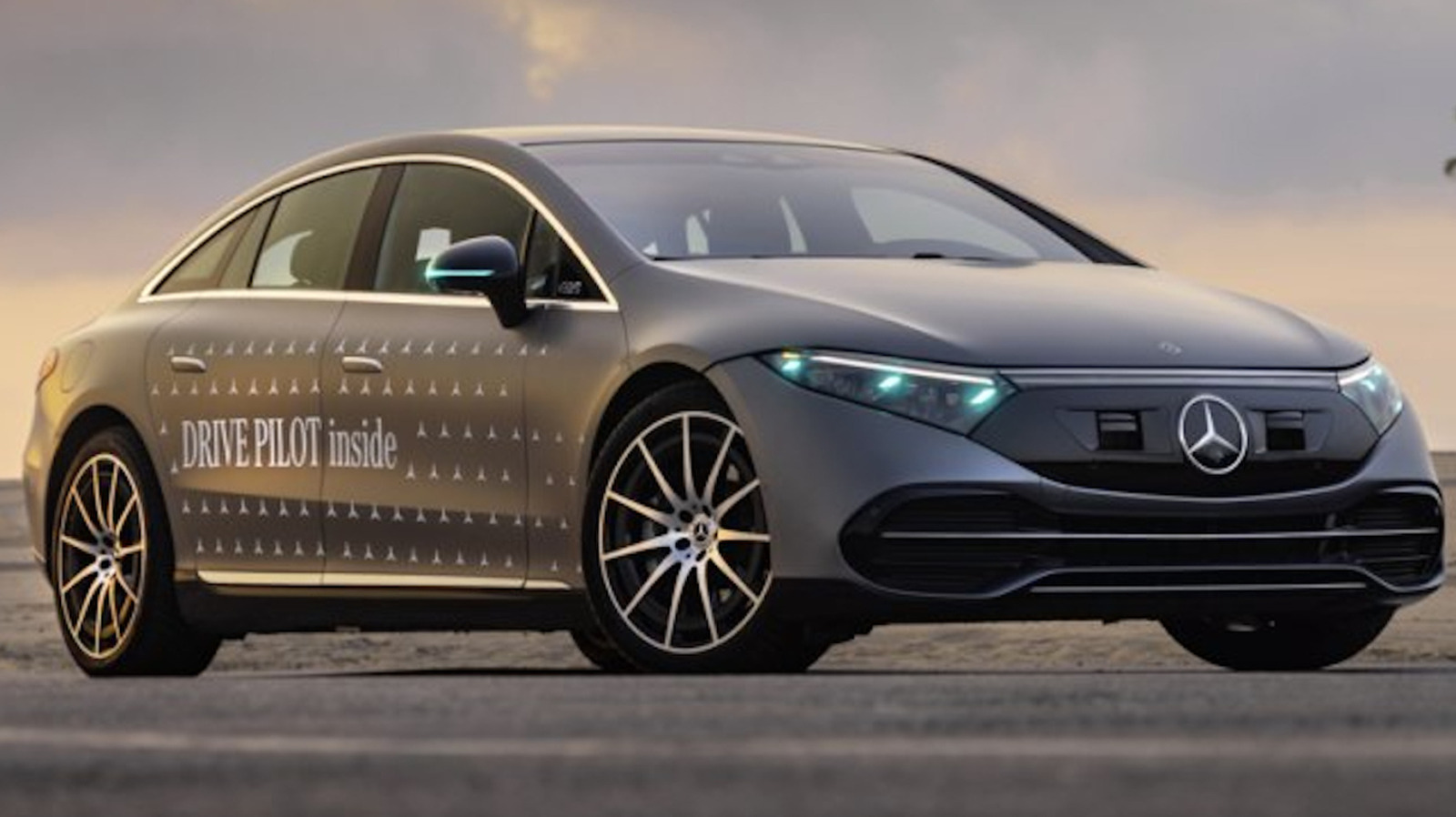
The U.S. National Highway Traffic Safety Administration has proposed further changes to Federal Motor Vehicle Safety Standard No. 108, the regulation governing vehicle lighting. The proposal would establish equipment specifications for vehicles with automated driving systems, including cyan lights intended to signal when an automated driving system is operating.
The cyan lamps would not be mandatory. Instead, the proposal would create what NHTSA describes as an “if equipped” standard: manufacturers that choose to use automated-driving-system marker lamps would have rules covering the color, mounting and visibility of those lamps.
The proposed rule arrives as automated-driving technology raises practical questions for people outside the vehicle as well as those inside it. A visible signal could give other road users and law-enforcement personnel an indication that an automated driving system is active, though the proposal itself is focused on the technical requirements for any such equipment.
Visibility and brightness limits
Under the proposal described by NHTSA, an automated-driving-system marker lamp would need to be visible from the front, both sides and rear of a vehicle. At least one lamp would be required to be visible from each of those directions. The agency has proposed a minimum mounting height of 15 inches.
The lights also could not be brighter than a vehicle’s parking lamps. Those limits would establish a recognizable color and location while avoiding a signal that outshines established lighting functions.
Cyan has already appeared in this context. Mercedes-Benz received approval in 2023 to use turquoise lights on vehicles equipped with Drive Pilot, its Level 3 automated-driving technology. The company’s stated use was to help other drivers and law enforcement understand when the vehicle was legally in control and its driver was permitted to be distracted.
NHTSA’s proposed standard would not require manufacturers to adopt that approach. It would instead provide a common regulatory framework should they decide to install marker lamps for automated-driving systems.
Controls for vehicles without a driver
The proposal also addresses vehicles designed without conventional driver controls. It would remove the requirement for autonomous vehicles with no driver controls to include manually operated turn signals, hazard-light controls and headlight beam-switching controls or related telltales.
That change is consequential because existing vehicle rules were written around a human driver who can manually activate those functions. A vehicle designed to operate without a steering wheel or pedals may not fit that assumption. The proposal would update the lighting standard for that category of automated vehicle rather than requiring controls that a vehicle’s design does not include.
The article notes that the Tesla Cybercab is the only vehicle on American roads without physical driving controls such as a steering wheel or pedals. It also notes that the vehicle is the subject of a safety probe connected to the lack of traditional controls. The proposed changes are not limited to one company, however; they apply to the technical requirements in the federal lighting standard.
Part of a broader lighting update
The newest proposal follows an earlier NHTSA announcement on modernizing U.S. headlight regulations. That earlier work addressed glare experienced by other road users, performance, testing and materials, as well as technologies including LEDs, dusk sensors, automatic high beams and replaceable light sources.
Other changes described in the latest proposal include removing a headlight-testing requirement under which headlights must meet performance parameters when tested at 12.8 volts. It also seeks to eliminate a current rule concerning the uppermost lamp in a vertically oriented headlight arrangement.
Together, the proposed revisions show how a lighting regulation built around conventional vehicles is being adapted to newer vehicle designs and lighting technologies. The cyan-lamp provision is especially visible because it concerns communication: not simply what a vehicle can see, but what its external lighting can convey about automated operation.
The proposal remains a proposed change. Its immediate significance is that NHTSA is defining technical boundaries for a voluntary automated-driving-system signal while considering whether some manual-control requirements still make sense for vehicles designed to operate without a human driver at the controls.
This article is based on reporting by Jalopnik. Read the original article.
Originally published on jalopnik.com