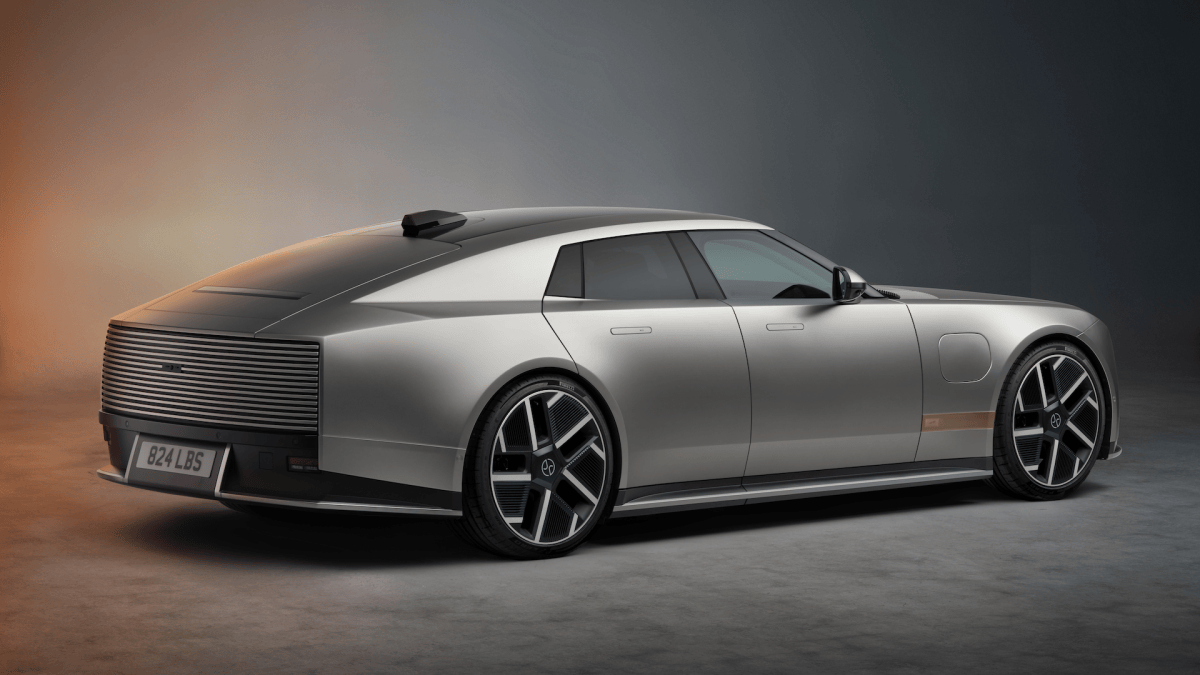
Electric Sales Slide While Pump Prices Bite
American drivers are feeling the sting of higher fuel costs, but that pain at the pump has not translated into a surge of interest in electric vehicles. Data from research firm Motor Intelligence, cited in reporting by Reuters, shows U.S. EV sales fell 30.7% through September of 2026. Battery-electric models now represent just 6% of overall new-vehicle sales, a noticeable decline from the 8.5% share recorded at the same point a year earlier — a stretch when shoppers were scrambling to take delivery before a $7,500 federal tax credit expired.
The gap between the United States and Europe is striking. Across the Atlantic, EVs account for 23.2% of new car sales, helped along by rising gasoline prices linked to the conflict with Iran. On paper, American buyers face a similar economic incentive to ditch the gas station. In practice, the market has moved decisively the other way.
Policy, Not Product, Is Steering the Market
The explanation offered by analysts and industry observers has little to do with consumer taste and everything to do with Washington. The Trump administration worked with Congress to eliminate federal support for electric vehicles and diluted fuel-efficiency regulations, removing two of the strongest levers that had been pushing automakers and shoppers toward electrification. Jalopnik's Morning Shift roundup framed the outcome bluntly, attributing the collapse in EV demand to the administration's policy direction rather than to any sudden loss of interest among drivers.
Those decisions compounded a set of structural barriers that had already been building. Steep tariffs and a prohibition on Chinese-made vehicle software have effectively closed the U.S. market to Chinese car brands, cutting off a wave of low-cost electric models that have reshaped pricing in other regions. Meanwhile, the federal funding earmarked for charging infrastructure has vanished, leaving the build-out of public chargers stalled in many parts of the country.
The Shrinking Affordable EV Menu
- Federal incentives that once trimmed thousands of dollars off a new EV have been removed.
- Fuel-efficiency rules have been relaxed, easing pressure on manufacturers to electrify their fleets.
- Public charging infrastructure funding has disappeared, slowing expansion where it is needed most.
- Import barriers have kept inexpensive Chinese electric models out of American showrooms.
- Automakers have cancelled planned U.S. EV products across multiple brands.
Taken together, those forces have produced a market with fewer cheap new electric options and less infrastructure to support them. It is a self-reinforcing cycle: without affordable models and reliable charging, shoppers hesitate; without shopper demand, manufacturers delay or scrap their electric plans. The clearest evidence of where buyers are going instead is the growing appetite for hybrids and used EVs, both of which sidestep the sticker shock and range anxiety that come with a brand-new battery-electric car.

Europe Stretches Its Lead
The transatlantic divergence is now measured in multiples rather than percentage points. EVs make up roughly one in four new vehicle sales in Europe, compared with fewer than one in sixteen in the United States. European demand has continued to climb steadily even as American sales retreated further from their tax-credit-era peak, a comparison that undercuts the argument that electric cars simply cannot win over mainstream consumers.
The rush that preceded the credit's expiration also distorted the year-over-year comparison. Buyers who pulled forward their purchases into 2025 left a thinner pool of shoppers for the months that followed, magnifying the apparent decline. But the drop of nearly 31% is far too large to be explained by timing alone, and the current 6% market share sits well below the level recorded before the incentive race began.
Big Trucks and Luxury SUVs Lose Momentum
Electric vehicles are not the only segment losing steam. Sales of full-size pickups, heavy-duty trucks, and luxury full-size and midsize SUVs are also slowing, according to reporting from Automotive News, even as smaller crossovers continue to move off dealer lots at a healthy clip. Those larger, thirstier machines are the most expensive and least fuel-efficient vehicles on the market, and their softening demand complicates the picture painted by talk of a so-called K-shaped economy in which affluent buyers keep spending while everyone else pulls back.
The trend suggests that cost sensitivity has crept into segments long considered immune to it. Trucks and large luxury SUVs carry some of the highest transaction prices in the industry, and any hesitation among buyers in those categories ripples directly into manufacturer profits, since those vehicles typically deliver the fattest margins per unit.
Autonomous Trucking Exemptions and Polestar's Warning Signs
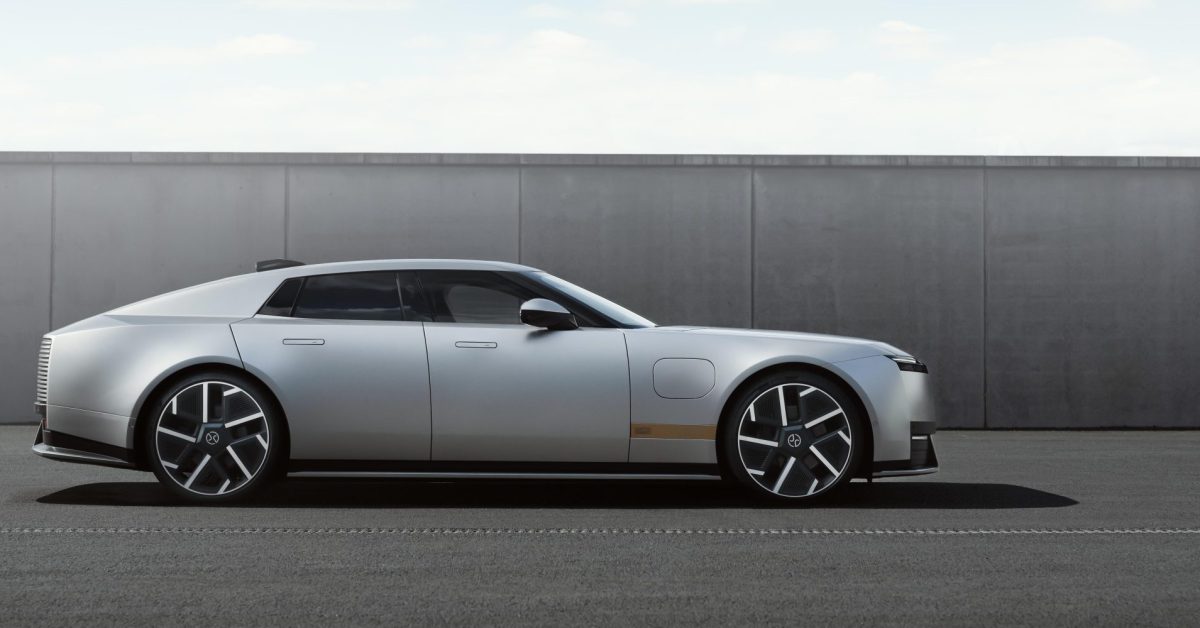
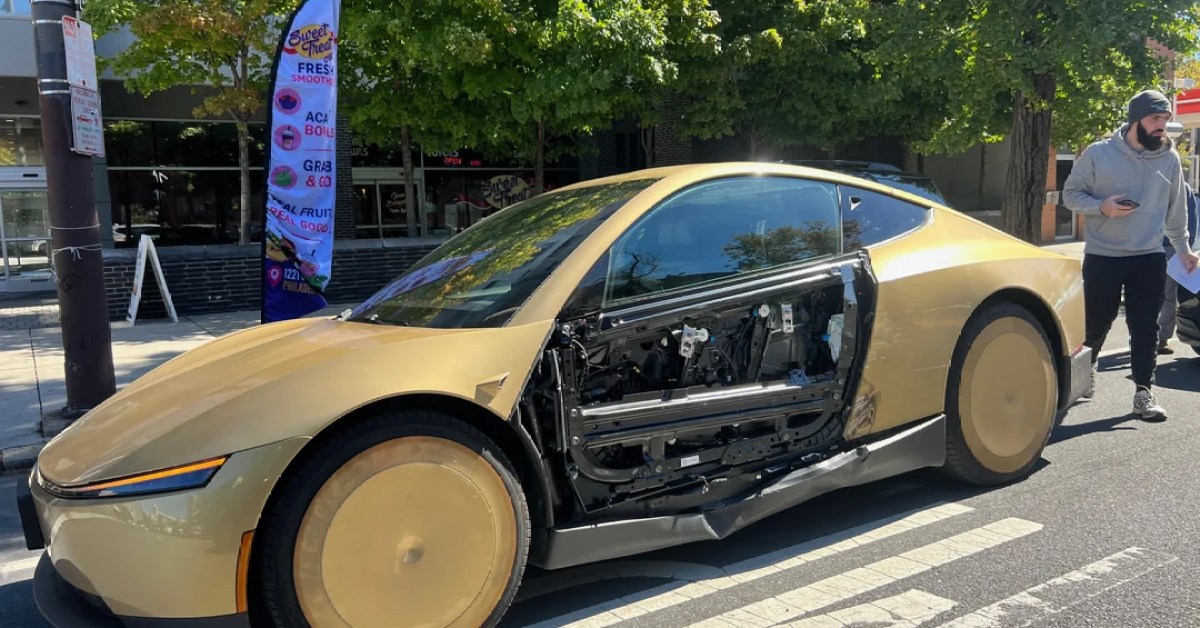
The same daily roundup flagged two additional developments worth watching. The first involves law exemptions for autonomous tractor-trailers — a regulatory opening that could accelerate the deployment of self-driving freight operations on American highways. The second concerns Polestar, whose latest sales figures Jalopnik characterized as ominous, adding another note of uncertainty to an electric-vehicle sector already navigating a hostile policy environment and weakening demand.
Both stories sit at the intersection of the same forces reshaping the industry: rapid technical progress in autonomy running alongside commercial struggles for companies betting heavily on electrification.
What to Watch Next
For American car buyers, the near-term outlook points toward a market dominated by hybrids, crossovers, and used electric vehicles rather than a wave of new, affordable battery-electric models. Without federal incentives, stricter efficiency rules, or a functioning charging build-out, the conditions that powered the earlier EV growth spurt are simply absent.
The numbers tell a straightforward story: high gas prices alone are not enough to move a market when policy is pushing in the opposite direction. Until the regulatory and infrastructure landscape changes, the United States looks likely to keep trailing Europe on electrification — and to keep watching its truck and luxury SUV segments cool off at the same time.
This article is based on reporting by Jalopnik. Read the original article.

Originally published on jalopnik.com