A four-door with a mobster's grin
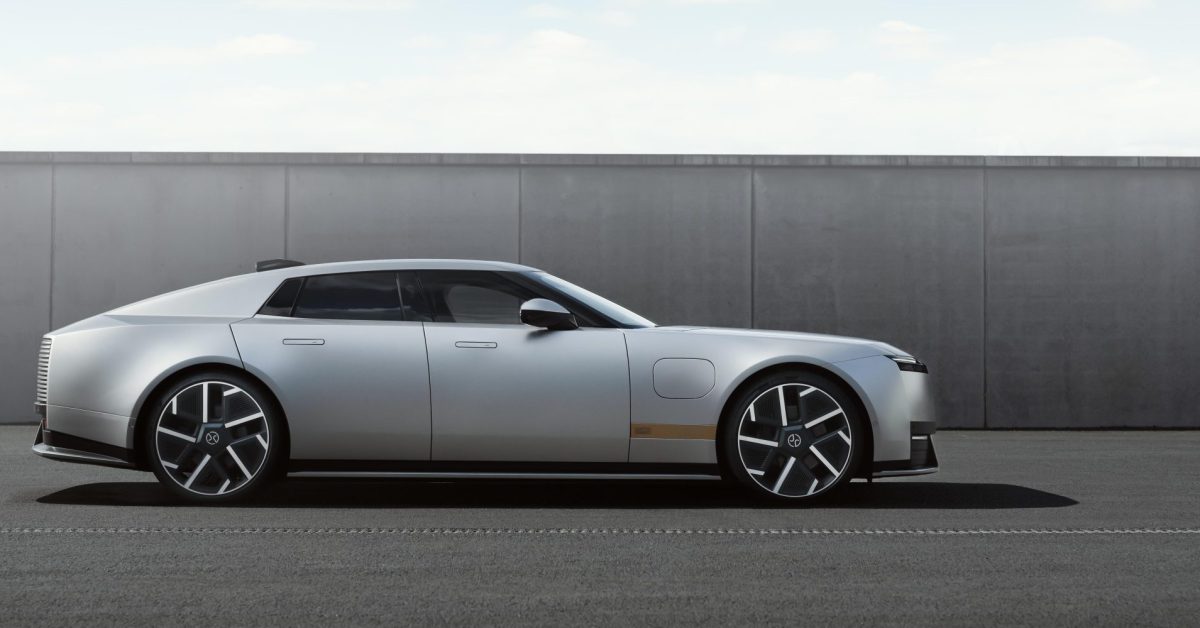
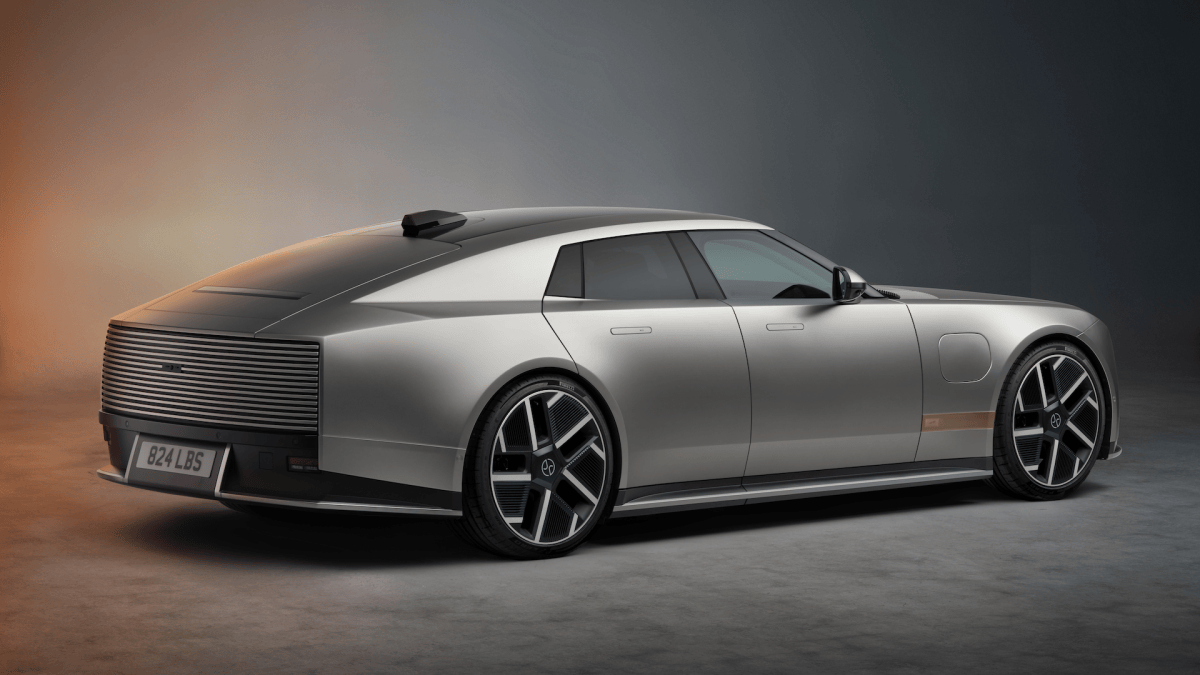
Jaguar has pulled the wraps off the finished version of the Type 01, and the first production car to come out of its much-discussed rebrand is every bit as provocative as the strategy that produced it. According to Electrek's coverage, the Type 01 is a four-door electric vehicle rated at 1,016 horsepower, dressed in a design language that owes more to a 1930s comic-book mobster's getaway car than to the restrained luxury sedans the brand was once known for.
It is a striking arrival for a marque that has spent years promising reinvention. The Type 01 is not a concept, not a teaser and not a design study — it is the production shape that will define how the public reads Jaguar's new era. That makes the styling decision unusually consequential: every future model will be judged against the silhouette revealed here.
What is actually confirmed about the Type 01
Stripped of the marketing gloss, the hard facts released so far are relatively compact — but they tell a clear story about intent.
- Powertrain: fully electric, with an output of 1,016 horsepower.
- Body style: four doors, despite the low-slung, theatrical proportions.
- Lineup position: the first vehicle of Jaguar's rebrand, making it the template for everything that follows.
- Design reference: a look that evokes a 1930s comic-book mobster's car — long, menacing and unapologetically villainous.
- Status: the final production version, now formally revealed.
Everything beyond those points — pricing, range, charging architecture, on-sale dates and market availability — remains outside the material Jaguar has put forward so far. The company has chosen to lead with presence rather than specification tables, which is itself a signal about who it thinks the buyer is.
Design that refuses to be anonymous
Most electric vehicles released in the past several years have converged on a common aesthetic: smooth, sealed front ends, minimalist surfaces, and a deliberate inoffensiveness meant to appeal across markets. The Type 01 rejects that playbook outright. The mobster comparison is apt precisely because the car carries an attitude — a sense of a machine built to be noticed, and perhaps to be slightly feared.
That is a genuine risk. Bold design polarizes, and polarization in the luxury segment can be expensive. But it also solves a problem that has haunted legacy performance brands in the electric era: how to look unmistakably like yourself when the mechanical signature of a big combustion engine is gone. A century of brand identity was once carried by exhaust note and grille shape. Remove the engine and the burden shifts almost entirely to proportion, stance and surface language.
On that measure, the Type 01 appears to be making its argument loudly rather than quietly.
Why 1,016 horsepower matters more than it used to
Four-figure horsepower was once the exclusive territory of hypercars built in tiny numbers at extraordinary prices. Electric drivetrains have democratized raw output in a way that would have seemed implausible a generation ago — but the number still carries weight, because it changes what a large four-door car can credibly claim to be.
A vehicle with this much power and four doors occupies an awkward, interesting space. It must behave like a luxury car when it needs to, haul passengers without complaint, and still deliver acceleration that would embarrass machinery costing multiples of its price. That combination is difficult to engineer, which is part of why the figure is newsworthy rather than merely promotional.
It also reframes the competitive set. The Type 01 will inevitably be measured against the established high-performance electric sedans and crossovers already on sale, not against Jaguar's own past lineup. The rebrand has moved the company onto a different battlefield, and the horsepower figure is the clearest indication yet that it intends to fight there.
The rebrand that keeps generating headlines
The Type 01 arrives freighted with the controversy surrounding Jaguar's wider reinvention. That controversy is not incidental to the car — it is baked into how the vehicle will be received. A rebrand of this magnitude asks longtime customers to abandon their assumptions about what the brand stands for, and asks new customers to consider a nameplate they may never have shopped before.
History suggests such bets fall into two categories. Some radical repositionings look obvious in hindsight and are credited with rescuing a brand from irrelevance. Others alienate the existing audience without converting enough new buyers to replace them. Which category this one lands in will not be decided by a single reveal, no matter how striking, but by whether the product delivers on the promise the styling makes.
Questions the Type 01 still has to answer
For all the visual drama, the practical unknowns are what will determine whether the car succeeds commercially. Buyers in this segment care intensely about range, charging speed and the reality of long-distance travel. They care about software, over-the-air updates and whether the interior lives up to the exterior. They care about service networks and resale value.
None of those questions can be settled by a silhouette, and Jaguar has so far kept its cards close. The reveal establishes a mood; the specifications will establish a case. The gap between those two moments is where enthusiasm either hardens into orders or evaporates into skepticism.

Why the Type 01 is worth watching
Whatever one makes of the aesthetics, the Type 01 is a useful test case for a broader question facing the auto industry: in an era when electric drivetrains are increasingly commoditized, how much of a brand's value can be carried by design alone? Jaguar is betting heavily that the answer is "a great deal."
If the Type 01 works, it will be remembered as the moment an old name found a new voice — one loud enough to cut through a crowded electric market. If it does not, it will be filed away alongside other ambitious rebrands that mistook attention for demand. Either way, the car Electrek describes — 1,016 horsepower, four doors, and a face straight out of a comic-book crime panel — has already done something most new EVs fail to do. It got people talking.
This article is based on reporting by Electrek. Read the original article.
Originally published on electrek.co