A Cybercab crash in Philadelphia, and a door left without its outer panel
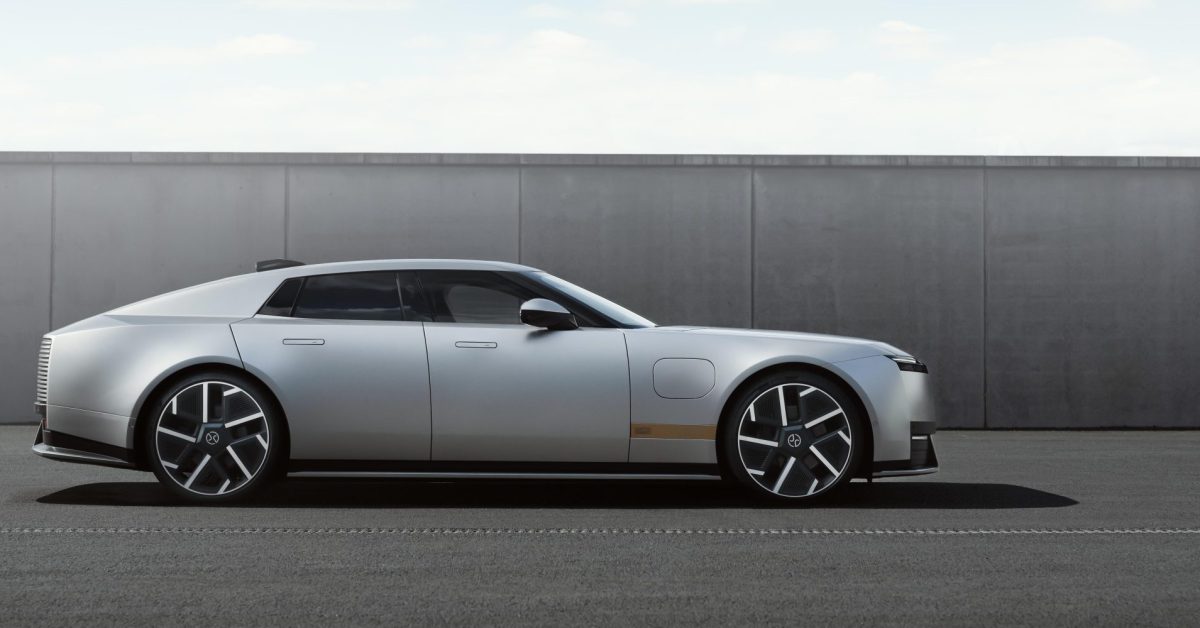
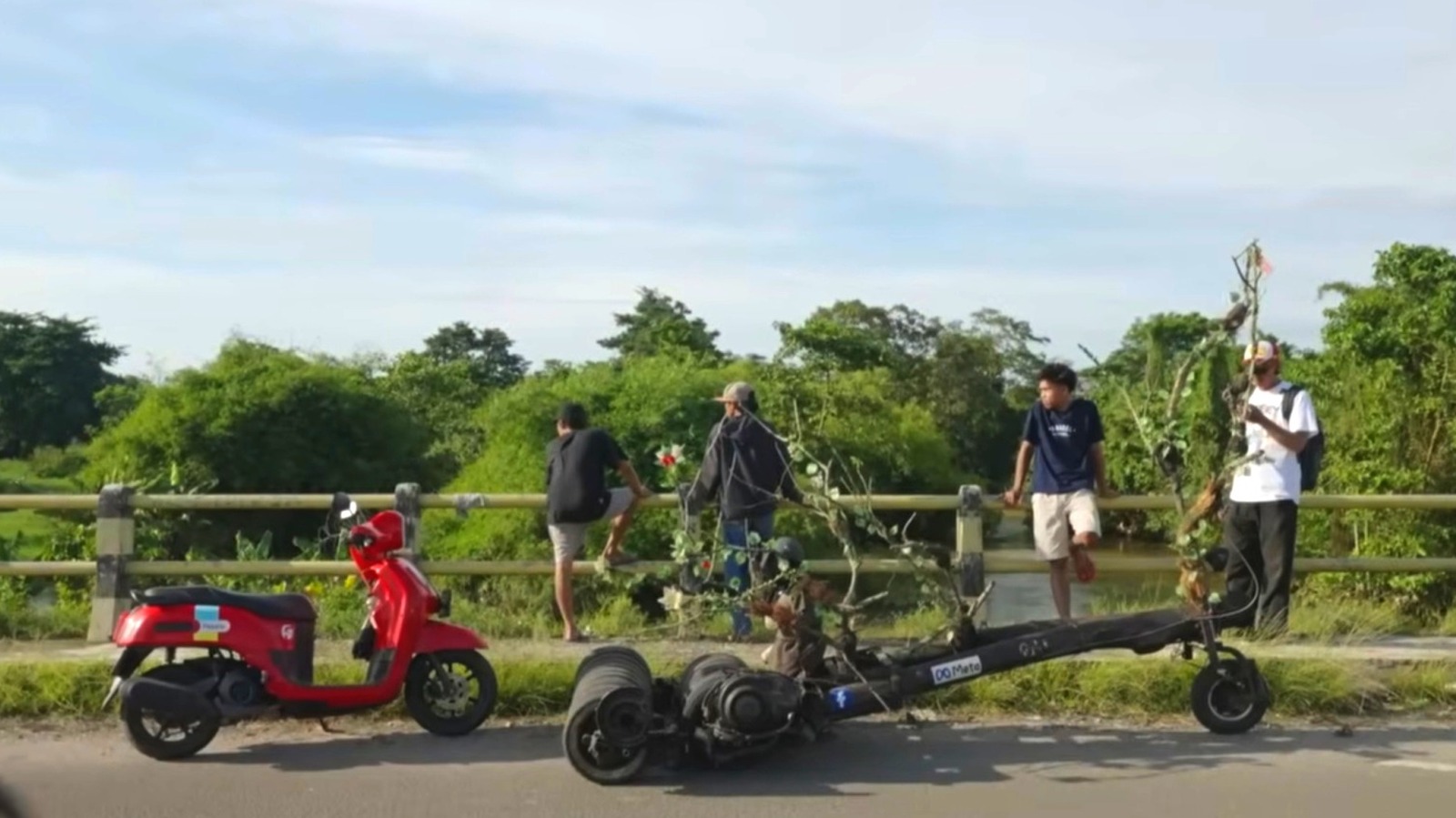
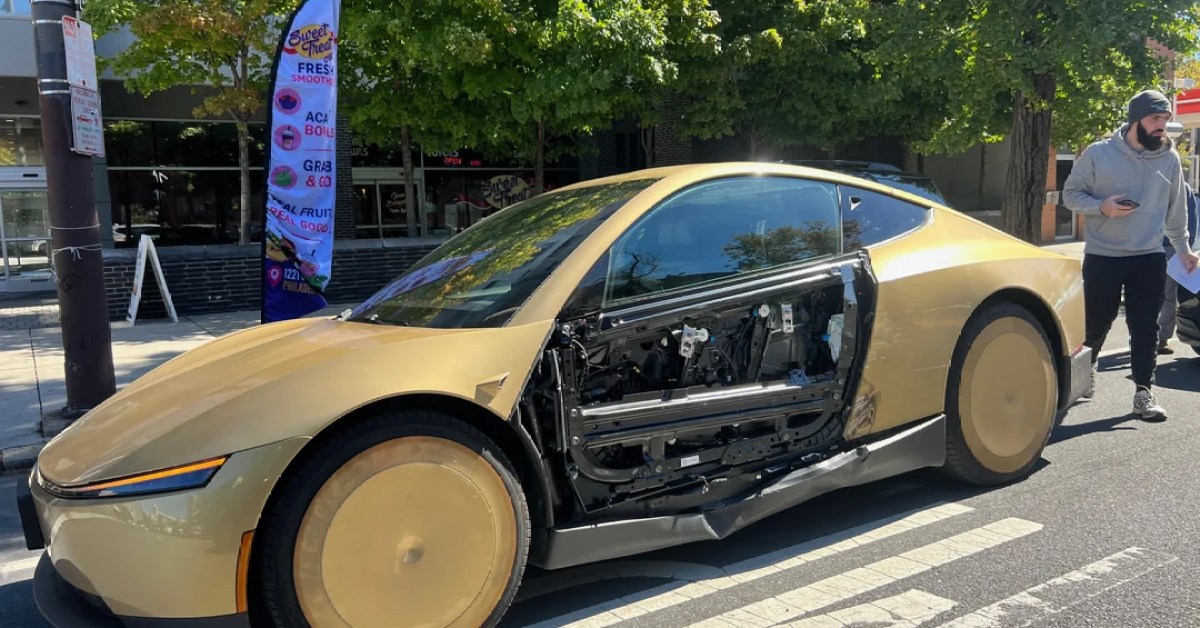
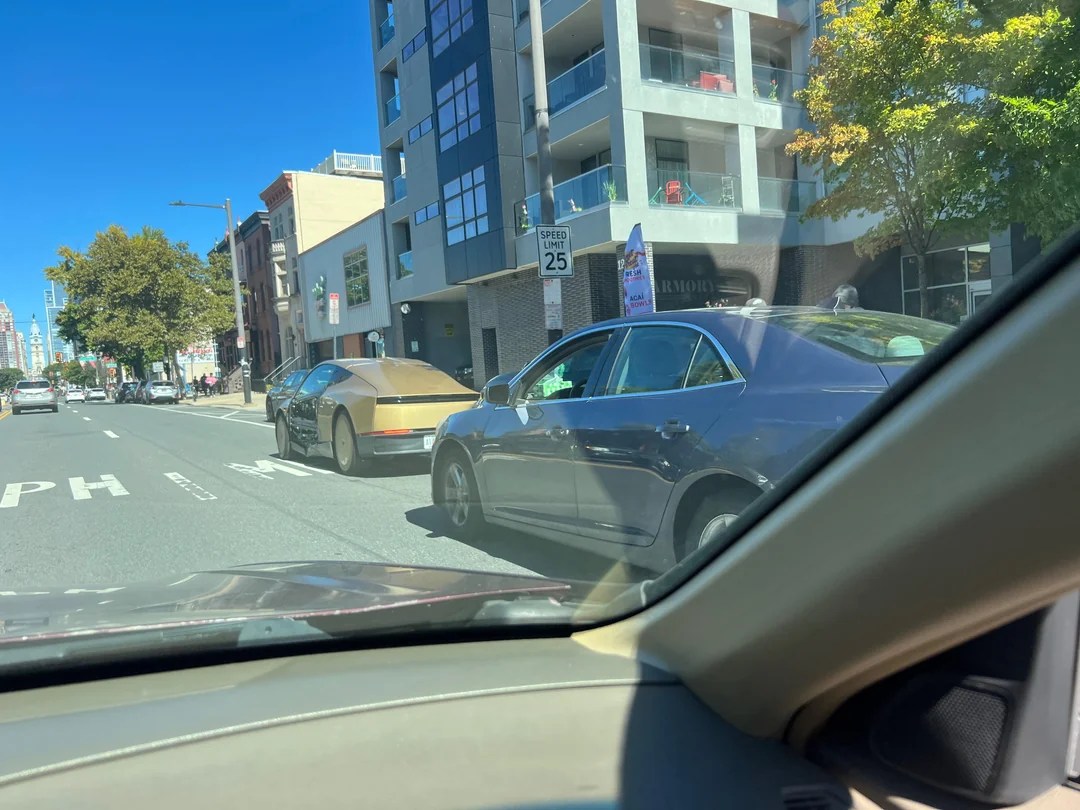
A Tesla Cybercab was involved in a crash in Philadelphia this week, and the detail drawing the most scrutiny is not the collision itself but the condition of the vehicle afterward. According to a report from Electrek, the Cybercab came away from the incident missing the entire outer panel of its driver-side door — the exterior skin that normally covers the door's internal structure and completes the vehicle's finished surface. The result is a machine that retained its overall shape but lost a full section of its bodywork.
The report is equally clear about the limits of what is known. There is no confirmed account of who was at fault in the crash, and no confirmed answer about whether Tesla's software played any part in how events unfolded. Those two open questions sit at the center of the story, and nothing published so far resolves either of them.
What the aftermath appears to show
Based on the description of the scene, the Cybercab lost the finished panel covering its driver-side door while the door's underlying structure was left exposed. That outer panel is the piece most people picture when they think about a car door: the painted shell sitting over the inner frame, the window hardware, the wiring, and the reinforcement that manages crash loads.
What the coverage does not establish is the mechanism. A panel can separate from a vehicle in more than one way, and the difference matters a great deal to how the incident should be read.
Why the mechanism is worth separating out
There is a meaningful difference between a panel that tears away under load and a panel that is deliberately removed. The first would point toward questions about attachment methods, materials, and how the exterior is fastened to the structure beneath it. The second is a matter of procedure — crews routinely open up or strip vehicles to reach occupants, to assess damage, or to prepare a wreck for transport.
None of that has been established in this case. Without images or a description that clarifies whether the panel came off during the collision or was taken off afterward, any conclusion about build quality or structural performance would be premature. That caveat does not make the detail unimportant; it makes the detail incomplete.
What remains unknown about the incident
- Fault: No determination has been reported about who or what caused the crash.
- Software: Whether Tesla's software contributed — through a driving decision, a detection failure, or something else entirely — is explicitly unresolved.
- Occupants: There is no reported information about injuries or the status of anyone inside the vehicle.
- Operational context: It is not established what mode the Cybercab was in, whether a person was aboard, or whether the trip was part of testing or a demonstration.
- Other parties: It is unclear whether a second vehicle, a cyclist, a pedestrian, or a stationary object was involved.
Each of those gaps pulls the story in a different direction. A fault question is a legal and insurance question. A software question is an engineering and regulatory one. An injury question largely determines how much the wider public pays attention. Reporting that acknowledges the gaps, as this account does, is more useful than reporting that fills them in with assumptions.
Why a single body panel becomes the story
Crash photographs circulate constantly, and most of them fade quickly. This one travels because of the mismatch between the vehicle and the damage. The Cybercab is an unorthodox, purpose-built machine rather than a conventional sedan with a battery pack bolted in, and viewers instinctively read its condition as a signal about how robust the design is.
It is worth keeping some perspective. Exterior panels on modern vehicles are frequently thin, largely cosmetic, and engineered to deform. Their job is often appearance and airflow rather than carrying the primary crash load, which is handled by the structure underneath. A missing panel is therefore not automatically evidence of structural failure.
But it is also not nothing. It is an open question until someone documents what happened, and open questions are precisely what autonomous vehicle programs can least afford — particularly programs that depend on public confidence as much as on engineering.

Why single incidents carry outsized weight
For an ordinary car, a crash in a major city is a statistic — one among tens of thousands on any given day. For a vehicle tied to autonomous driving, the same event functions as evidence in a broader argument about whether machines should be driving at all. That asymmetry explains how one Philadelphia collision, with one missing door panel, can generate attention far beyond its immediate circumstances.
It also explains why precision matters. Vague reports get recruited by whichever side of the debate finds them convenient, and a story with as many unknowns as this one is especially easy to bend. The most defensible position, given the available information, is narrow: something happened, the damage was unusual, and the reasons are not yet documented.
About the reporting
The account originates with Electrek, an outlet focused on electric vehicles, and was published on Oct. 7, 2026, with a byline from Fred Lambert. The report presents the crash and the missing panel as the central facts while declining to speculate about cause, liability, or the role of Tesla's software. That restraint is appropriate for a story at this stage, though it also means the record currently rests on a limited set of observations rather than a full investigative picture.
What to watch next
- Any statement from Tesla describing what the vehicle was doing at the time of the crash.
- Any police or municipal account addressing fault, injuries, or additional parties.
- Follow-up imagery clarifying whether the outer panel was torn off in the collision or removed afterward.
- Any regulatory filing, inquiry, or investigation notice, should one be opened.
The bottom line
What is documented is narrow. A Tesla Cybercab crashed in Philadelphia, and it ended up without the entire outer panel on its driver-side door. What is missing is everything that would explain it: fault is undetermined, the role of Tesla's software is undetermined, and the condition of anyone involved has not been reported.
Until those gaps close, the honest reading is that this is an unresolved event involving a closely watched vehicle. It is notable, it is worth following, and it is not yet sufficient to support a firm conclusion about the Cybercab, its construction, or its autonomy.
This article is based on reporting by Electrek. Read the original article.
Originally published on electrek.co