Scout is planning for scale before its first vehicle reaches customers
Scout Motors, the Volkswagen Group brand reviving the International Scout name for a new generation of trucks and SUVs, is targeting a rapid manufacturing ramp once customer production begins. Chief executive Scott Keogh told The Drive that the company wants to reach annual output of 200,000 vehicles as quickly as possible, with 100,000 vehicles a year representing the nearer-term objective.
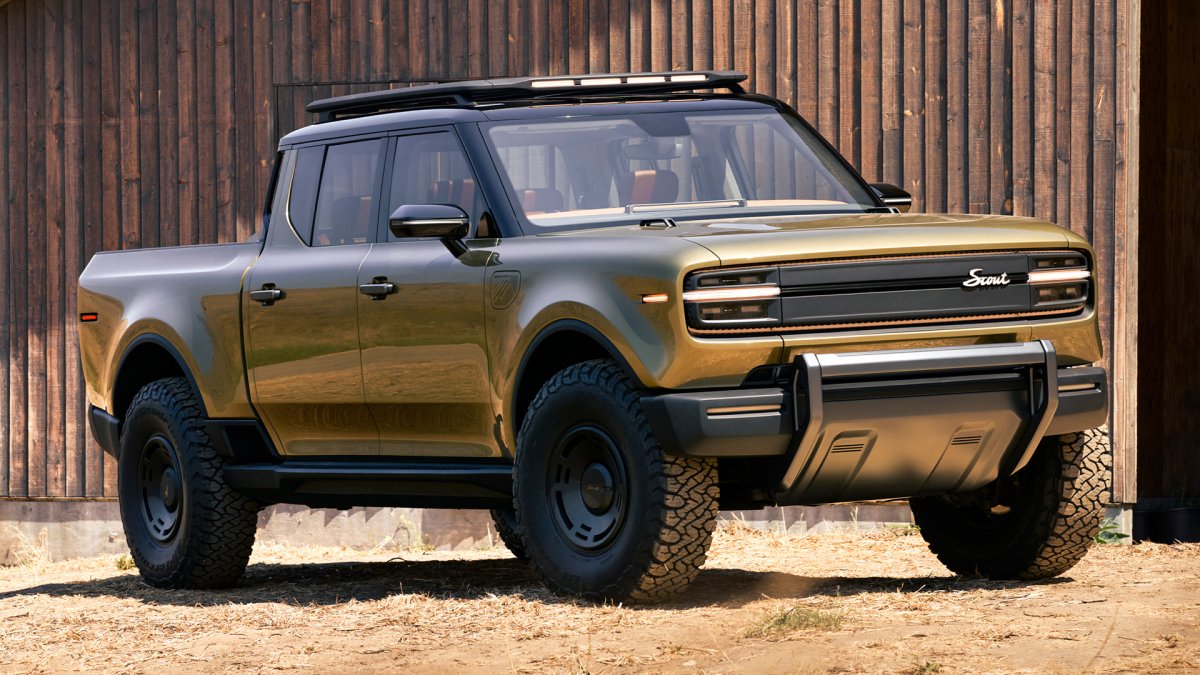
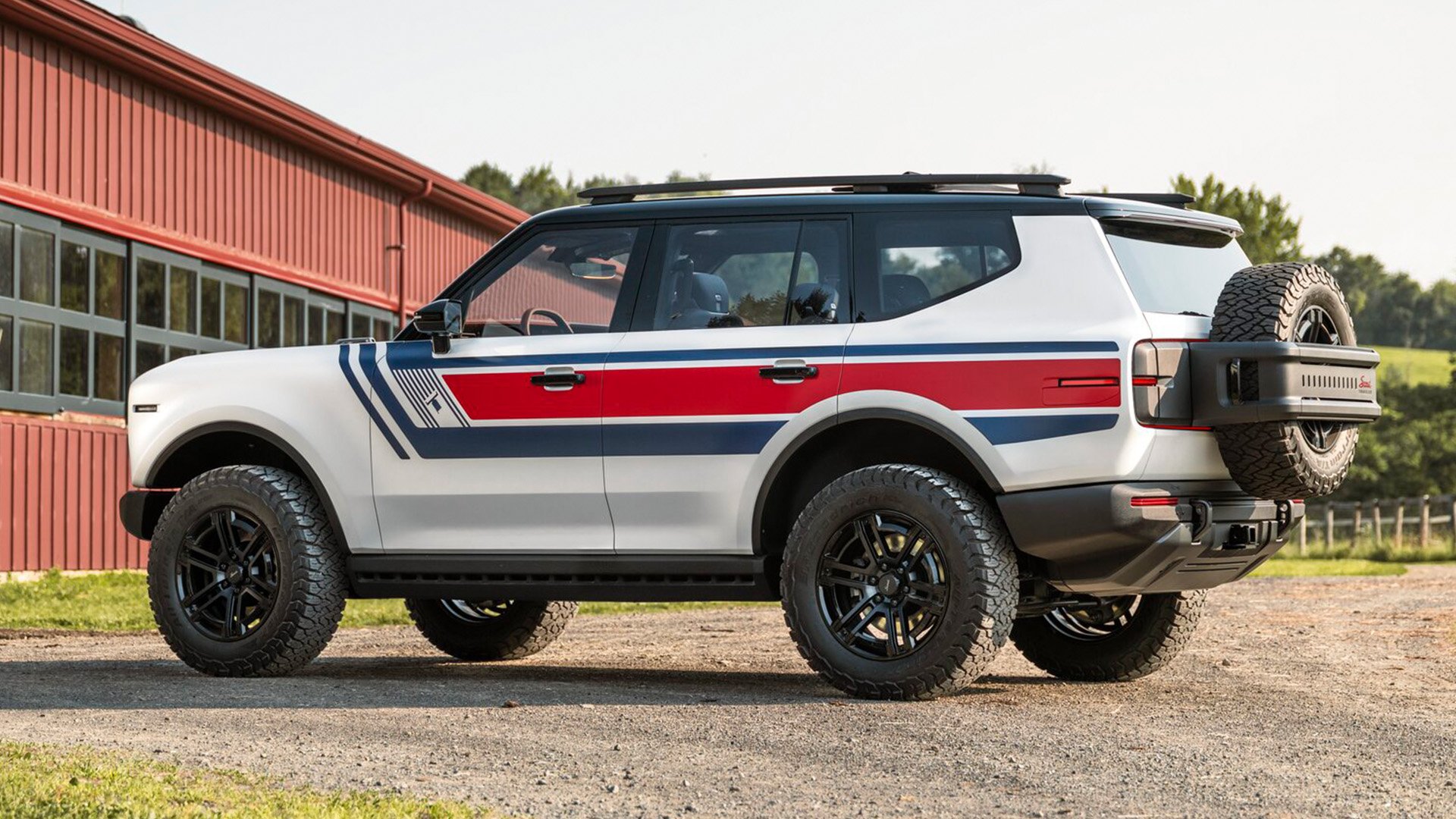
The plan is a consequential one for a brand that is still preparing to build its first customer vehicles. Scout is developing the Terra pickup and Traveler SUV at a new factory in South Carolina, with production expected to begin in 2028. The company’s current factory configuration could build as many as 200,000 vehicles annually, according to Keogh.
That capacity target puts Scout well beyond a niche relaunch. It also makes the transition from interest to delivered vehicles central to the company’s strategy. The brand is taking refundable $100 reservation fees, and Keogh said Scout is aiming to have 400,000 reservations by the start of production.
Reservations are the early test of demand
Reservations are not sales, and Scout acknowledges that not everyone who joins the line will ultimately buy a vehicle. But the company is using the reservation total as a way to measure whether it can keep the plant busy as production ramps. At a 200,000-vehicle annual capacity, converting half of 400,000 reservations would account for a year of output.
Keogh’s confidence rests partly on the original International Scout’s long-running following. The historic model left production in 1980, but it retained a dedicated base of owners and enthusiasts. Scout believes that legacy gives the modern brand a pool of people who already understand the vehicles’ intended identity, rather than requiring the company to create awareness from scratch.
The early product pitch combines that heritage with a set of choices designed to broaden the appeal beyond a conventional battery-electric audience. Scout plans to offer a gasoline range extender alongside its electric-vehicle offerings. Keogh also pointed to relatively affordable pricing and the use of physical buttons and knobs as factors that may be attracting buyers.
The company says its data indicate that it is drawing interest from owners of Ford Broncos and Jeep Wranglers, while reaching prospective customers outside California and other established EV strongholds. That matters because Scout is positioning its vehicles as capable off-roaders as well as modern electric vehicles, a combination that could give it a different customer mix from brands focused chiefly on urban EV adoption.
A factory ramp will determine whether interest becomes a business
Building a large reservation list is only the opening stage. The more difficult challenge is producing vehicles fast enough, and with enough quality, to prevent prospective customers from losing patience. Keogh identified that risk directly: customers who wait too long for a vehicle may not remain reservation holders.
Scout therefore faces a familiar manufacturing problem with a particularly visible deadline. It must open a new factory, launch two vehicles, establish a supply chain and build service and delivery operations while converting early enthusiasm into completed purchases. The goal of selling out 12 to 18 months of production from the outset would give the company a substantial initial order cushion, but it would not remove the need for a disciplined ramp.
The proposed volumes also illustrate the ambition behind the Scout revival. The brand is not treating the Terra and Traveler as limited-edition lifestyle vehicles. A factory capable of 200,000 units a year requires demand across multiple customer groups, reliable component availability and production processes that can sustain output after the first wave of enthusiasts has taken delivery.
For consumers, the choice of a range extender could be especially important. It offers an alternative for buyers interested in electric driving but concerned about charging access or long-distance travel. Together with conventional physical controls and a rugged product focus, it may help Scout make a case to buyers who do not see themselves in the usual EV market.
2028 will turn the strategy into a practical test
Scout’s targets remain forward-looking, and the company’s reservation count is not equivalent to confirmed vehicle demand. The numbers nonetheless set a clear benchmark for the launch. By the time production begins, the company wants a reservation base large enough to support a major factory ramp. Soon afterward, it wants to move from an initial 100,000-unit objective toward full annual capacity.
How that plays out will depend on more than brand nostalgia. Scout will need to deliver the Terra pickup and Traveler SUV on schedule, at the promised quality level and in a way that preserves the features drawing customers to the brand. It will also need to demonstrate that interest from Bronco and Wrangler owners, and from buyers beyond traditional EV markets, translates into orders rather than refundable reservations.
For Volkswagen Group, the effort is a bid to create a distinct American off-road brand with meaningful production scale. For Scout, the immediate task is simpler but demanding: turn a large queue of interested customers into a reliable manufacturing launch before waiting becomes a reason for them to look elsewhere.
This article is based on reporting by The Drive. Read the original article.
Originally published on thedrive.com