The USS Georgia’s final homecoming is bigger than one submarine
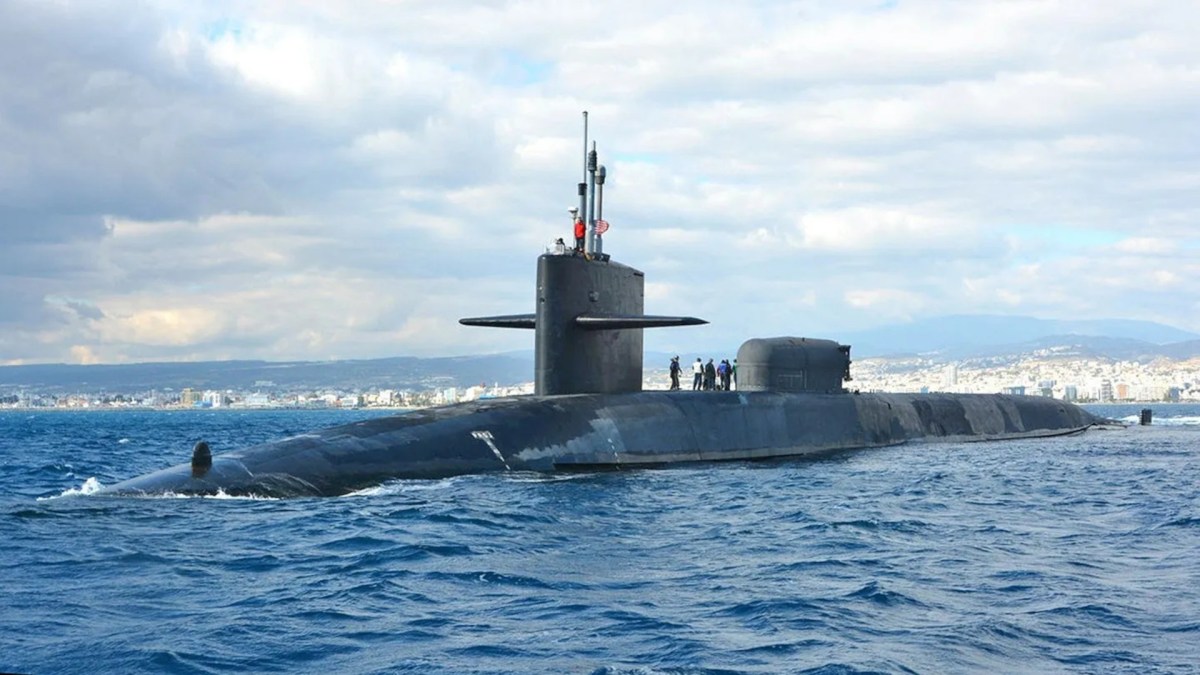
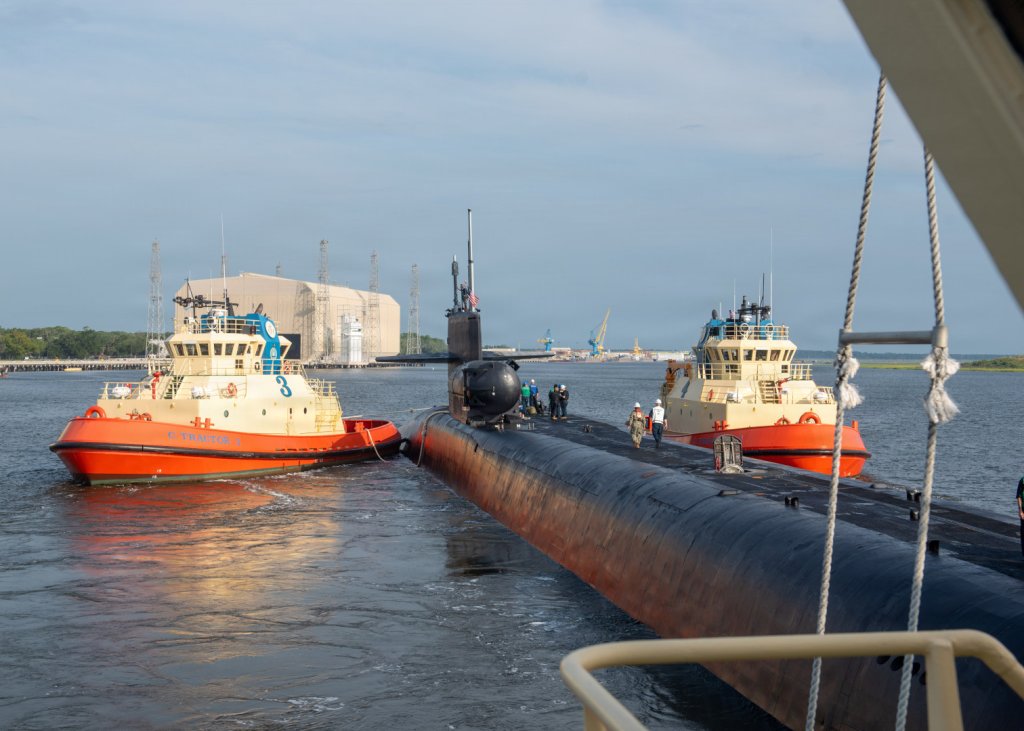
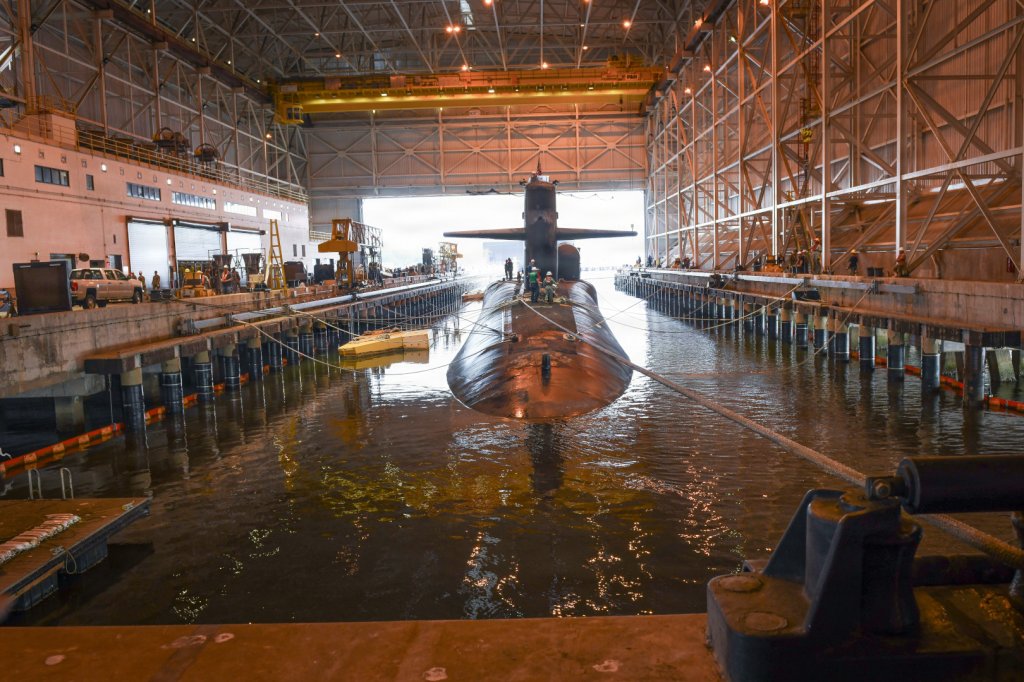
The USS Georgia has returned to Naval Submarine Base Kings Bay for the last time before retirement, closing a notable chapter in U.S. undersea warfare. On its face, the event is about one vessel reaching the end of a long service life. In practice, it marks the start of a broader drawdown in one of the Navy’s most unusual and heavily used classes of submarines.
According to the supplied source text, Georgia is scheduled to be officially inactivated on July 31, 2026, the first formal step in a retirement process that will eventually end in recycling. Its return follows more than 42 years of service. That span alone makes the retirement significant, but the larger issue is what the submarine represented after its conversion from a ballistic missile submarine into a guided missile platform.
Georgia is one of four Ohio-class nuclear-powered guided missile submarines, or SSGNs. The source text says all four are set to leave active service before the end of the decade. That makes Georgia’s inactivation more than a symbolic milestone. It is an early marker of a shrinking capability in a part of the fleet that has offered an unusually dense mix of strike power, covert access, and command-and-control flexibility.
From nuclear deterrence to conventional power projection
Georgia was first commissioned in 1984 as an Ohio-class ballistic missile submarine, known as an SSBN. It later became the last of four Ohio boats to be converted into a conventionally armed SSGN, returning to the fleet in that new role in 2008. The source material also notes that it served as the main testbed for proving out the SSGN concept.
That conversion matters because it reshaped the platform from one built around strategic nuclear deterrence into one aimed at conventional military reach. In that role, the submarine became part of a small fleet designed to operate quietly, remain difficult to track, and deliver large amounts of firepower or specialized support when called upon.
The Ohio SSGNs are often associated with their headline figure: the ability to carry up to 154 Tomahawk land-attack cruise missiles. The supplied text adds an important nuance, noting that they typically carry around 100. Even at that lower figure, the volume is substantial. A single submarine with that kind of strike load can create options that are difficult to duplicate elsewhere, especially when stealth is part of the equation.

Why these submarines are so valued
The retirement story is really about demand. The source text describes the SSGNs as some of the most capable and in-demand submarines in the Navy’s inventory today. That assessment reflects the range of missions they can support, not just the number of missiles they can carry.
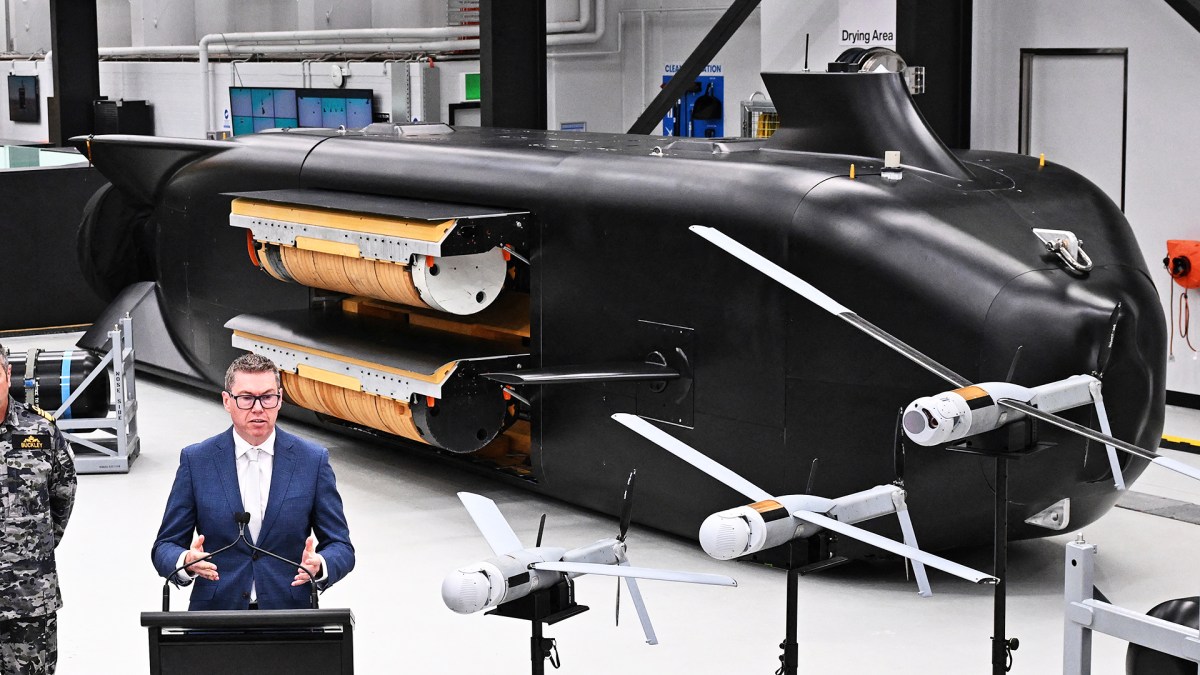
Beyond Tomahawk strikes, the boats can be fitted with up to two dry deck shelters for deploying special operations forces underwater. The same setup can support mini-submarines and uncrewed platforms. The source also says they can function as discreet underwater intelligence fusion nodes and command centers. Taken together, those roles explain why the class has remained valuable even as the submarines have aged.
Military platforms that combine long endurance, stealth, strike capacity, special operations support, and intelligence functions are rare. In a period when U.S. forces are planning for contested environments and long-range operations, that mix is hard to replace cleanly. Georgia’s departure therefore raises a harder question than simple fleet accounting: what fills the gap when a uniquely flexible platform leaves service faster than a direct successor arrives?
A looming end for the Ohio SSGN fleet
That question becomes more urgent because Georgia is not an outlier. The supplied text is explicit that all four Ohio-class SSGNs are set to be gone from active service within the next three years. The Navy is not just losing an old submarine; it is moving toward the end of an entire subfleet with specialized advantages.
As each retirement proceeds, the Navy will have fewer platforms able to deliver large conventional strike packages from a covert position at sea while also supporting special operations and command missions. Some of those functions can be distributed elsewhere in the force, but distribution is not the same as replacement. A destroyer, attack submarine, bomber, or surface task group may cover pieces of the mission set, yet the concentration of capabilities in an SSGN has been part of the class’s value.
The retirement timing also matters operationally. When a class is both in high demand and nearing phaseout, every departure creates pressure on planning and deployment cycles. Even without drawing conclusions beyond the source text, the basic dynamic is clear: a prized capability is entering its sunset period.
What Georgia’s retirement says about force structure
There is also a broader lesson in Georgia’s exit. The U.S. military often depends on legacy systems that remain relevant because newer replacements are slow to appear, expensive to field, or unable to replicate the same blend of attributes. Georgia’s service history illustrates that pattern. A submarine commissioned during the Cold War was later adapted into a major conventional power-projection asset and stayed important for decades afterward.
That kind of longevity can be a strength, but it also creates risk when the end arrives. Retirement is predictable in one sense, yet capability loss can still feel abrupt if the outgoing system occupies a niche that newer platforms do not match directly. In Georgia’s case, the combination of missile capacity, covert presence, and support for special operations gave the submarine relevance well beyond its age.
The source text does not present a simple replacement narrative, and that absence is itself telling. It leaves the focus on the capability being lost rather than on a fully formed substitute already in place. For analysts and planners, that is usually where the real concern begins.
The meaning of a final return
Images of Georgia returning to Kings Bay may read as a ceremonial homecoming, but the operational meaning is sharper. This was the return of a boat described as one of America’s most potent power-projection platforms. Its inactivation on July 31, 2026 begins the end of service for a submarine that embodied a distinct approach to naval power: heavy conventional strike capacity delivered from a hidden, persistent platform that could do far more than launch missiles.
That is why Georgia’s retirement matters outside naval circles. It highlights the tension between aging but still useful platforms and the difficulty of preserving specialized capabilities during a force transition. Over the next several years, as the remaining Ohio SSGNs also head toward retirement, that tension will only become harder to ignore.
For now, Georgia’s final homecoming stands as both a milestone and a warning. A submarine that spent decades evolving with U.S. strategy is leaving the fleet, and with it goes part of a capability set the Navy still values highly.
This article is based on reporting by twz.com. Read the original article.
Originally published on twz.com