Ukrainian Sea Drones Enter New Territory
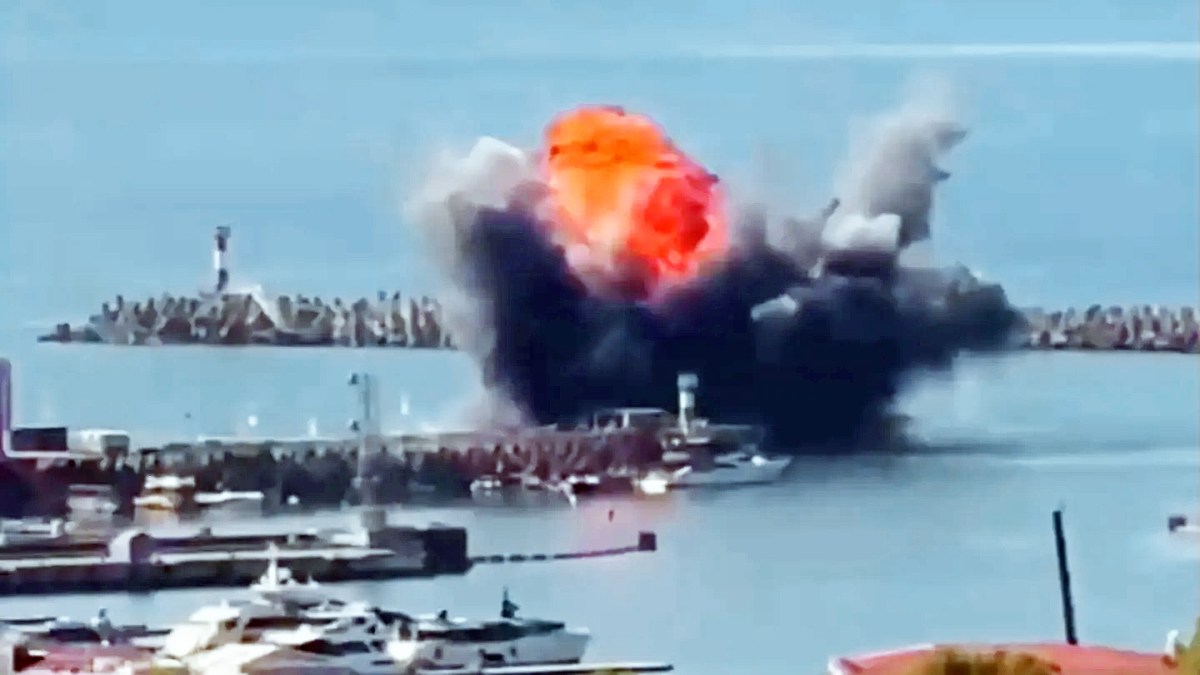
In a significant escalation of its maritime strategy, the Ukrainian Navy has carried out its first known attack on the Russian Black Sea resort city of Sochi using uncrewed surface vessels (USVs). The strike, reported by Ukrainian naval officials on Thursday, targeted the port and hit the Nefrit, a multipurpose support vessel flying the Russian flag. Following the incident, the Ukrainian Navy described a powerful explosion and smoke in the ship's vicinity, underscoring the severity of the impact.
Sochi carries both symbolic and strategic weight. It is a prominent destination frequently visited by Russian President Vladimir Putin, and until now the city had been struck only by Ukrainian aerial drones. The arrival of naval drones at this distant port represents a dramatic expansion in the reach and sophistication of Kyiv's sea-drone capabilities, signaling that even Russia's southern resort coastline is no longer safe from attack.
The Target: A Vessel Tied to Russia's Energy Sector
The Ukrainian Navy identified the Nefrit as a multipurpose offshore vessel involved in supporting Russia's maritime and energy infrastructure. According to the service, the ship offered support for oil and gas operations, serviced offshore facilities, transported cargo and personnel, and undertook underwater technical work. Kyiv argued that these activities made the vessel a legitimate target in a broader campaign to dismantle the economic foundations supporting the Russian invasion.
By striking the Nefrit, Ukraine intended to degrade the logistics and special capabilities that enhance Russian offshore activities. The vessel's role in maintaining oil and gas platforms and underwater equipment likely contributed to Moscow's war economy, supplying both revenue and resources for its military operations. The attack signals that support ships enabling Russia's fossil-fuel sector can be targeted far from the frontline, particularly when they operate in areas Russians have treated as safe.
Proving Long-Range Capability
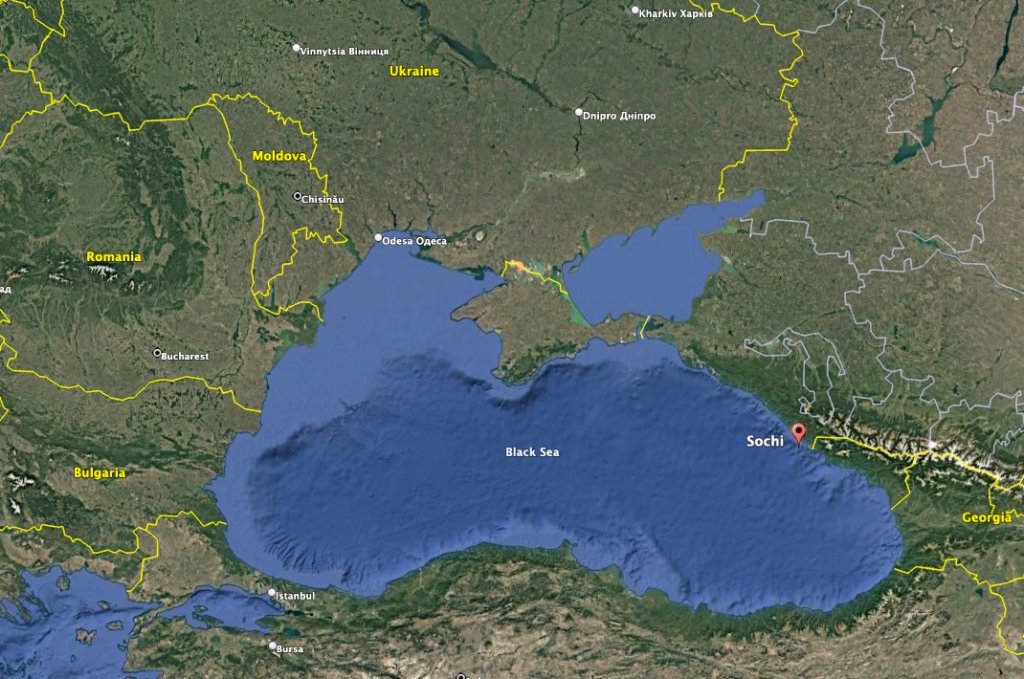
The distance between Ukrainian-held territory and Sochi is roughly 350 miles in a direct line. In practice, the actual route for a naval drone would be considerably longer, requiring sophisticated navigation, coordination with aerial intelligence or other assets, and enough endurance to cross contested waters without interception. The successful mission provides compelling evidence that Ukraine's drone boat platforms have achieved a true long-range strike capability.
This capability has matured since earlier stages of the conflict. Initially, Ukrainian sea drones targeted vessels near the western Black Sea and around Crimea. Now strikes have pushed into Russia's far eastern Black Sea coast, forcing Russian commanders to stretch defenses across an enormous shoreline. The naval drone threat is no longer confined to the immediate combat theater; it is now a strategic weapon that can project power deep into what Moscow had considered secure rear areas.
Broader Implications for Russian Sea Control
The Sochi attack underscores the steady pressure Ukraine has placed on Russia's Black Sea Fleet and the maritime infrastructure that supports it. Over time, Ukrainian drone strikes have pushed many Russian surface ships to relocate to eastern harbors. Yet the attack on Sochi shows that even those eastern safe havens are vulnerable. Russian naval planners will likely need to reassess assumptions about the protection of every port in the Black Sea basin.
- The attack clearly demonstrates that Ukrainian forces can hit targets far from the invasion frontline.
- It challenges the official Russian narrative that major war effects remain contained to occupied territory or distant border regions.
- It forces Russia to dedicate more scarce antiaircraft, antisurface, and naval-defense assets across an extended coastal arc, thinning coverage elsewhere.
Sustained Economic Pressure
Ukraine has repeatedly described its targeting philosophy as an attempt to undermine the war economy fueling the Kremlin. In the case of the Nefrit, the Ukrainian Navy explicitly linked the ship to energy operations that financed the invasion of Ukraine. This attack aligns with Ukrainian campaigns against oil depots, refineries, and energy-storage facilities both in occupied territory and inside Russia.
Adding maritime drones to that campaign provides a new vector of pressure. While a single unmanned surface vessel may cause only localized damage, the cumulative effect can be substantial over time. Russia is now compelled to spend more money, attention, and military capability on protecting an increasingly broad set of assets. Before this strike, a Russian military or energy-support vessel at a resort dock in Sochi might have seemed out of reach, but that perception has now been shattered.

Symbolic Resonance and Domestic Reactions
Sochi has long been a showcase for the Russian elite and a favored vacation destination. It is also a site of prominent political gatherings, often projected as a calm and secure place far from battlefield chaos. A Ukrainian naval strike so close to the heart of that symbol carries acute psychological weight. It places the war directly at the doorstep of influential Russians and challenges the idea that the conflict's costs are simply something happening to others.
The attack may also reinforce Ukrainian morale and confidence. Demonstrating that sophisticated drones can navigate hundreds of miles, avoid Russian sensors, and hit a useful target in a major port offers tangible proof of the effectiveness of unconventional tactics. Ukraine has consistently sought to use asymmetric means against a larger Russian navy, and these sea-drone operations have emerged as one of the most successful innovations of the conflict.
What to Expect Next
There has been no immediate official Russian response to the attack, and the full extent of the damage to the Nefrit remains unclear. The absence of prompt Russian naval commentary may itself reflect an effort to play down the embarrassment of a strike inside Sochi's port. What is clear is that Ukrainian naval forces are pressing the war closer to the Russian homeland, aiming to disrupt confidence in the security of the country's maritime infrastructure.
Future operations will probably depend on Ukraine's ability to sustain and expand its inventory of long-range uncrewed vessels. Manufacturing, launching, and guiding such boats requires industrial capacity, robust intelligence, and a clear tactical picture. Yet the Ukrainian Navy has already made its intentions known: it will continue to deprive the Russian military of resources and capabilities needed to wage war. This strike at Sochi, the first of its kind, is likely not the last, and it signals that even Russia's most celebrated coastal resorts now exist within the reach of Ukraine's expanding naval drone force.
This article is based on reporting by twz.com. Read the original article.
Originally published on twz.com