The U.S. Army is pursuing a broader range of air-defense interceptors across at least five named programs, a direction that could reshape how its ground-based defenses are armed and sustained. The emerging theme is a move away from systems built around a single missile type and toward launchers and architectures able to employ multiple kinds of interceptors against different threats.
That shift matters because the threat set has become more varied. Air defenses may need to address small weaponized drones, more traditional aerial threats and advanced hypersonic missiles. A force built around a single interceptor for a single launcher faces difficult tradeoffs: it may have limited options for matching a lower-cost threat with a lower-cost munition, and it may be more exposed when a particular missile or supplier is constrained.
Army Lt. Gen. Frank Lozano, the service’s Portfolio Acquisition Executive for Fires, highlighted the trend during a panel discussion at the Association of the U.S. Army’s annual convention. His comments came as the Army considers new interceptors in multiple tiers and as the Pentagon focuses on the importance of diverse munition stocks and supplier bases.
Breaking the single-interceptor model
With the exception of Patriot, the Army’s principal ground-based air-defense systems have generally been fielded with only one type of interceptor, according to the report. That arrangement can simplify operations, training and logistics. But it can also limit flexibility when the threat mix changes or when the available missile is not the most suitable option for a given target.
Patriot itself illustrates both the old approach and the beginnings of a more varied one. In recent years, Army procurement of new Patriot interceptors had increasingly centered on the PAC-3 Missile Segment Enhancement, or PAC-3 MSE. Production of the preceding PAC-3 Cost Reduction Initiative missile ended in 2023.
Earlier in 2026, however, the Army placed its first order in decades for new PAC-2 Guidance Enhanced Missile-Tactical missiles. The PAC-2 GEM-T is an older Patriot interceptor design that has remained in production mainly for U.S. allies and partners. Its return to Army procurement adds another interceptor option within the Patriot family.
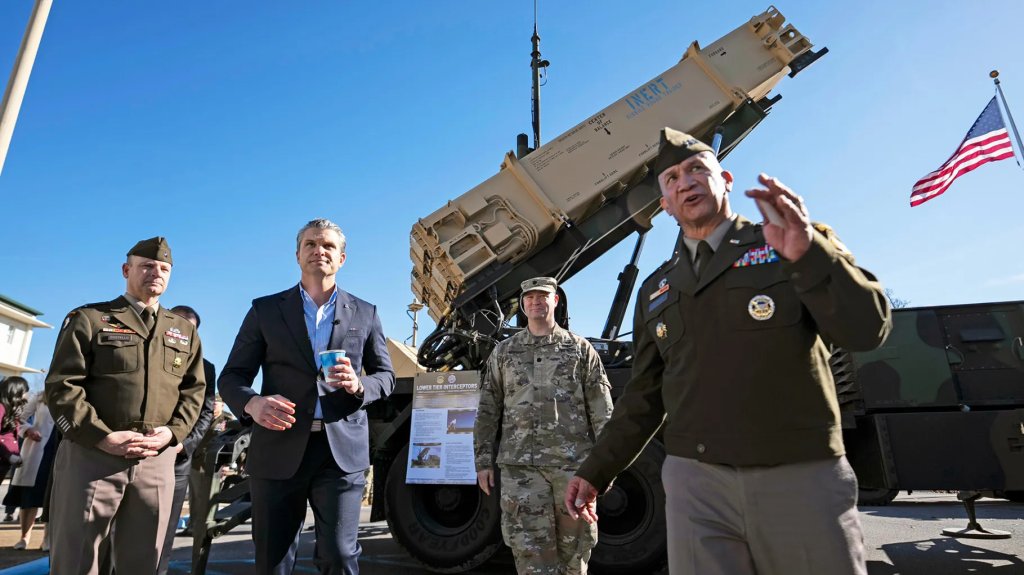
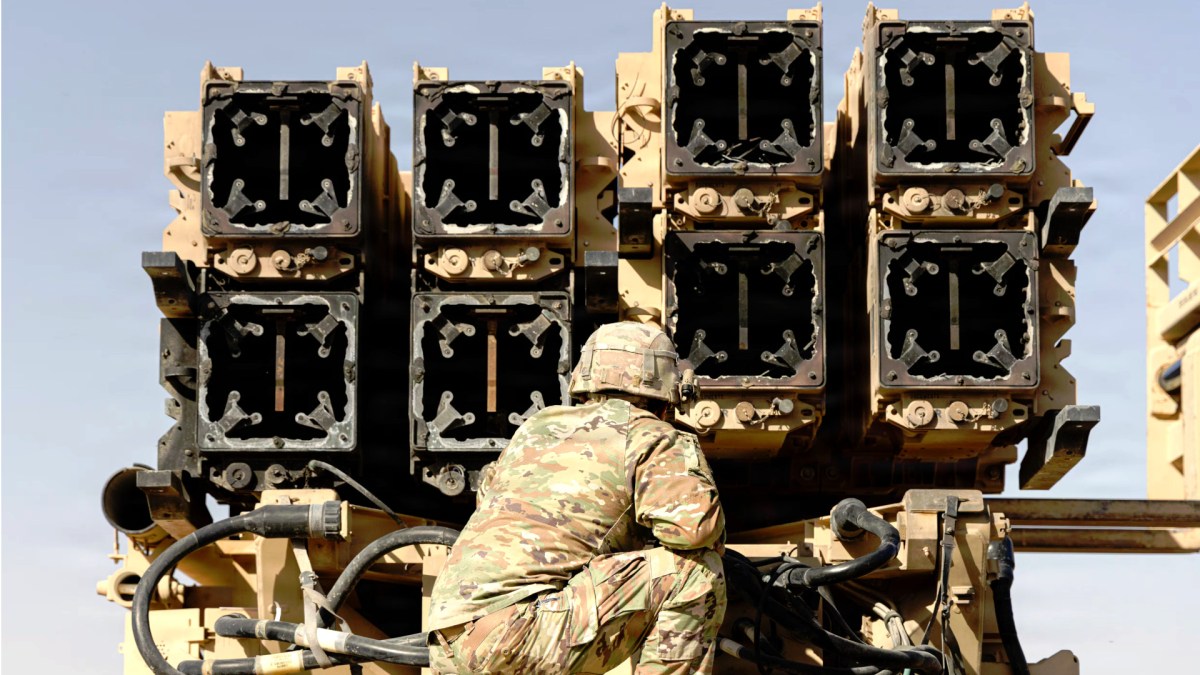
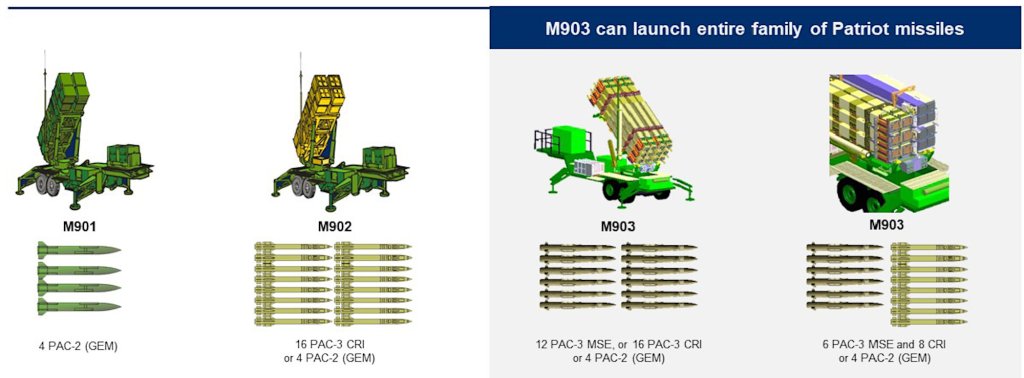
A graphic referenced in the report showed different interceptor load options for existing trailer-based Patriot launchers. The broader implication is that a launcher need not be viewed solely as the delivery system for one missile design. It can become a platform whose loadout is selected according to anticipated threats, availability and operational priorities.
Enduring Shield and a layered defense
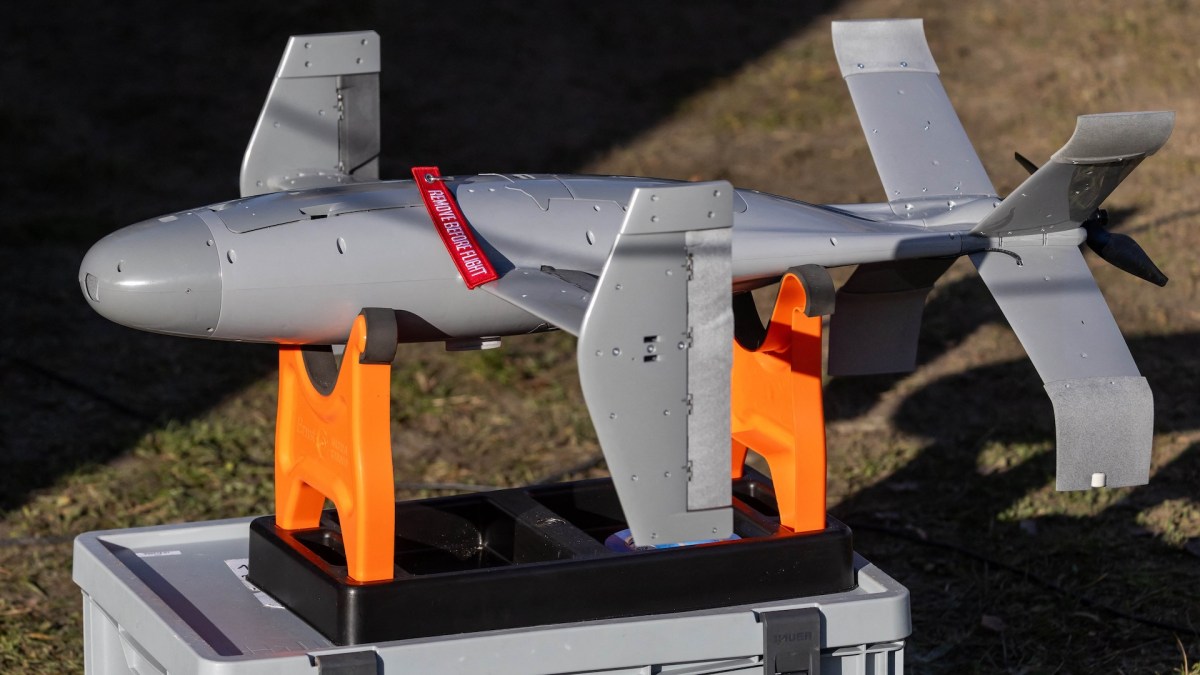
The Army is also fielding Enduring Shield, described as a new middle-tier air-defense system designed to handle multiple interceptor types. The system is part of an effort to close the gap between short-range air defense and the higher-end Patriot mission.
At present, however, the Army is still acquiring only one interceptor for Enduring Shield. The significance lies less in immediate diversity than in the system’s intended architecture. A launch system designed from the outset to support different missiles can give the service options as new threats appear and new interceptors mature.
Such flexibility is especially relevant for layered air and missile defense. No one interceptor is ideal for every engagement. A small drone and a sophisticated ballistic or hypersonic threat differ sharply in speed, altitude, maneuverability and cost. A layered force can attempt to assign a suitable interceptor to each problem rather than treating all targets as if they require the same response.
The report does not indicate that the Army has solved every integration, production or operational challenge associated with this model. Making several interceptors work across existing launchers and newer architectures requires testing, command-and-control coordination, supply planning and clear choices about which missiles are held at what readiness level. But the portfolio direction is clear: the Army wants more than one way to fill an air-defense launcher.
Stockpiles and suppliers are part of the strategy
Interoperability is only one reason for the shift. The Army’s interest in a diverse interceptor portfolio is also tied to munition resilience. The report says the effects of the war with Iran have reinforced the importance of diversified stocks and supplier bases for the U.S. military.
A force reliant on one interceptor design can be vulnerable to production bottlenecks, a narrow industrial base or a sudden increase in demand. Multiple interceptor options do not automatically eliminate those risks, but they can reduce dependence on a single production line and give planners more alternatives when inventories are under pressure.
The return of PAC-2 GEM-T procurement is a concrete example of that logic. It does not replace PAC-3 MSE; rather, it expands the range of Patriot munitions the Army is buying. The same principle could extend across newer systems if their launchers and battle-management networks can accommodate different missiles.

A longer-term transformation
The Army’s five named programs span a wide threat spectrum, from small drones to advanced hypersonic missiles. The eventual outcome may not be a single universal launcher or an entirely interchangeable missile inventory. Instead, it may be a collection of systems with more varied, adaptable loadouts than the service has traditionally fielded.
That is a substantial design and acquisition change. Air defense has often been organized around distinct systems and dedicated interceptors. The Army’s current direction suggests it increasingly sees launcher compatibility, diversified munitions and layered engagement choices as connected requirements.
The practical test will be whether these programs can turn that concept into deployable capability at useful scale. For now, the Army’s procurement and development efforts indicate that the era of a ground-based air-defense launcher firing just one kind of interceptor is beginning to give way to a more flexible model.
- The Army has at least five named programs pursuing air-defense interceptors at different tiers.
- Most current Army ground-based air-defense systems use one interceptor type; Patriot is the major exception.
- The Army ordered PAC-2 GEM-T missiles in 2026 after decades without a new order.
- Enduring Shield is designed to support multiple interceptor types, though the Army is initially acquiring one.
This article is based on reporting by twz.com. Read the original article.
Originally published on twz.com