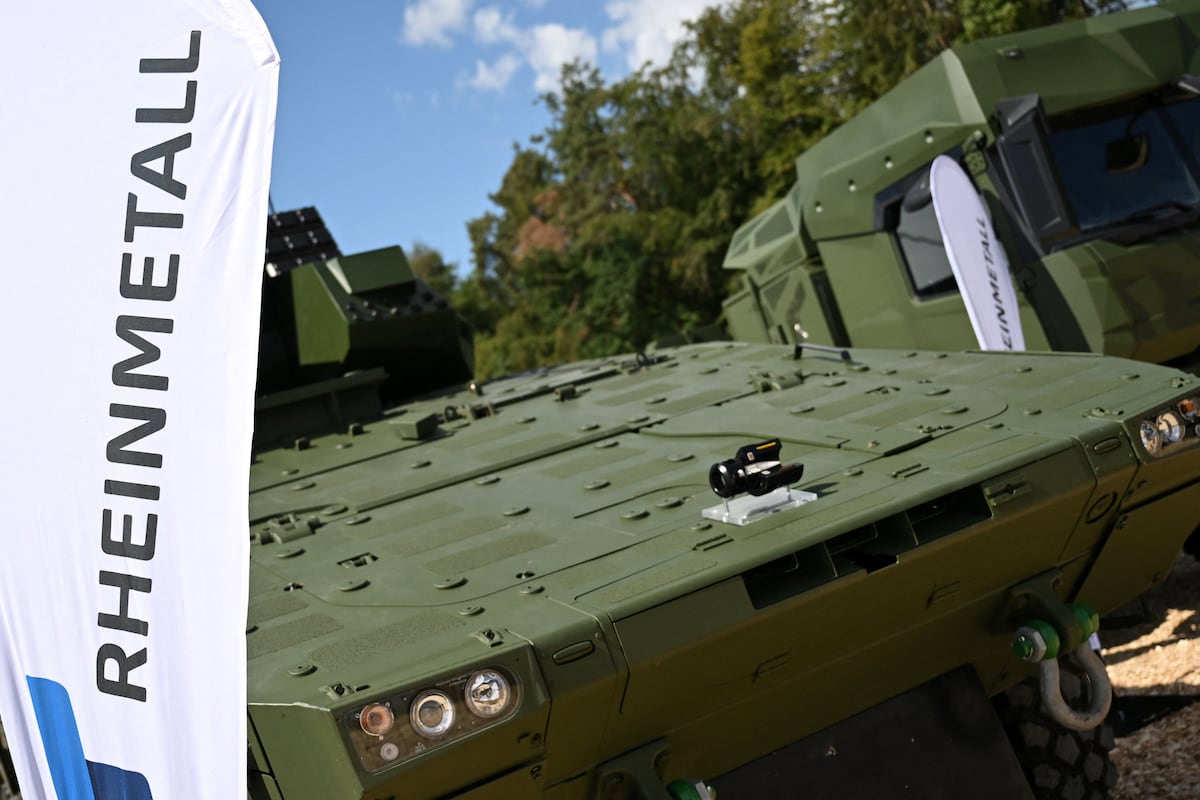
A defense heavyweight hits a naval setback
Rheinmetall, one of Europe’s most prominent defense manufacturers, has trimmed its 2026 outlook after the German government canceled a delayed frigate program that the company had been widely expected to win. According to Defense News, the move forced the company to lower its sales guidance, reduce its order-book outlook, and cut its planned capital expenditure target, even as it said it still expects record growth overall.
The update is notable because Rheinmetall has been one of the clearest corporate beneficiaries of Europe’s post-2022 rearmament cycle. Russia’s full-scale invasion of Ukraine accelerated military spending across the continent and helped propel demand for ammunition, armored vehicles, air-defense systems, and industrial capacity. Rheinmetall has ridden that wave aggressively. The canceled frigate program shows that even in a booming defense market, growth is not uniform and naval ambitions can still hinge on a small number of politically exposed procurements.
What changed in the outlook
Rheinmetall now expects 2026 sales of between 13.7 billion euros and 14.2 billion euros, down from its previous range of 14.0 billion euros to 14.5 billion euros. The company attributed the downgrade to a 300 million euro hit to its naval division tied to the scrapped frigate program.
It also reduced its order-book guidance to more than 100 billion euros, from roughly 135 billion euros previously, and lowered its capital expenditure target to 8% to 9% of sales from 16%. At the same time, the company left its free cash flow conversion ratio and margin targets unchanged. That combination suggests management sees the setback as material but contained rather than as a broad deterioration in the business.
Markets nevertheless took notice. Defense News reported that Rheinmetall shares fell by as much as 4% in early trading before recovering somewhat. The reaction reflects how much investor enthusiasm has been tied not just to current earnings, but to the expectation of sustained multi-year expansion into new domains, including maritime defense.
Why the frigate mattered
The canceled program appears to have carried significance beyond the immediate 300 million euro impact. Defense News cited JPMorgan analysts saying they had expected the program to matter even more after 2026, and that the downgrade could point to slower growth in 2027 and 2028. That matters because long-cycle naval programs are not just revenue events. They can anchor supplier relationships, validate industrial strategy, and open follow-on work in maintenance, upgrades, and export campaigns.
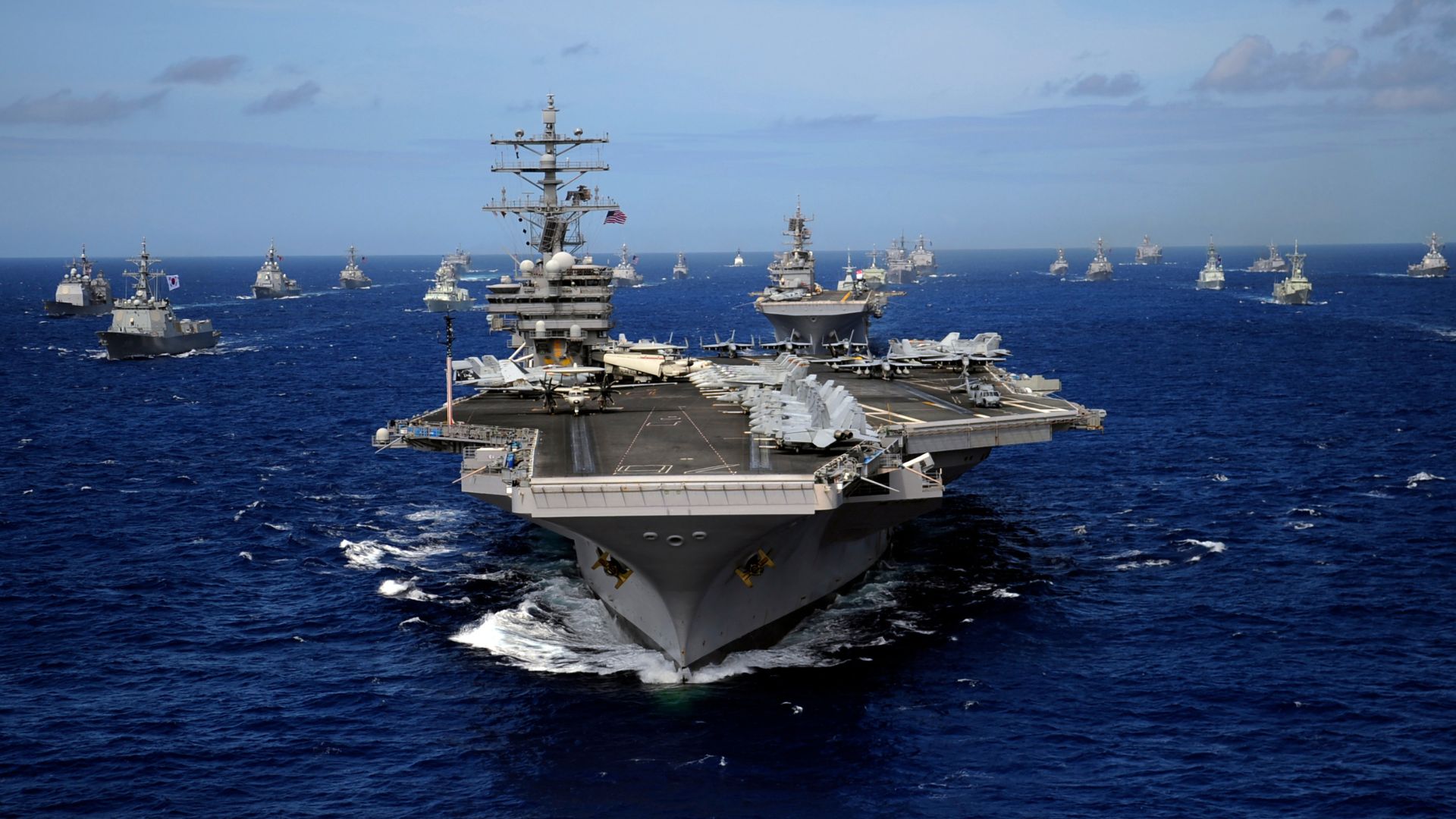
For Rheinmetall, the lost frigate opportunity is especially important because the company has been trying to become a larger force in naval defense. In March, it completed the acquisition of the warship division of German shipbuilder Luerssen. It has also been considering the acquisition of German Naval Yards Kiel and had said a final decision could come within weeks after a rival bidder withdrew.
Put plainly, Rheinmetall was not merely hoping to book another contract. It was trying to build out a more durable maritime position. The cancellation interrupts that trajectory and raises questions about how quickly the company can translate acquisitions and industrial ambition into steady naval revenue.
Record growth, but a less linear path
The downgrade lands against a backdrop that is otherwise strong. Last month Rheinmetall reported an almost 70% jump in second-quarter sales to about 3.3 billion euros, with all business segments contributing to the rise. That figure underlines a point that is easy to miss in the headline: the company is still growing very quickly. The guidance revision does not erase the broader expansion in European defense demand.
Instead, it highlights the unevenness of that expansion. Ammunition and land systems can scale rapidly when governments are replenishing stocks and supplying allies. Naval procurement is different. It is slower, more capital-intensive, more bureaucratically exposed, and often more vulnerable to schedule slippage or program cancellation. A company can be thriving in aggregate while still suffering painful disruptions in one business line.
That distinction may become increasingly relevant across Europe’s defense sector. Governments have announced large spending plans, but converting those plans into executable contracts remains difficult. Industrial bottlenecks, political turnover, shifting force structures, and procurement reform debates can all alter the timing and composition of awards.
Germany’s procurement choices matter well beyond Germany
Because Rheinmetall is such a central supplier, German procurement decisions reverberate through the wider European defense market. When Berlin cancels or reshapes a major program, it affects not just a single company’s outlook, but also supply chains, workforce planning, and investor assumptions about the reliability of defense backlogs.
The canceled frigate also lands at an awkward moment for strategic signaling. Europe is trying to show that it can rebuild military capacity at scale and sustain that effort over years, not months. Large industrial champions like Rheinmetall are part of that message. A trimmed outlook does not undermine Europe’s rearmament story, but it does remind policymakers that industrial momentum depends on coherent procurement execution, not just budget headlines.
Chief Executive Armin Papperger, as quoted by Defense News, emphasized that Rheinmetall is still working to fulfill current maritime orders and secure new business internationally. That suggests management sees export opportunities and other naval work as partial offsets. Whether those offsets are enough to restore the lost trajectory remains unclear from the available source text.
What to watch next
The next important question is whether this is a one-off hit or an early sign that Rheinmetall’s naval buildup will take longer than expected. Investors and defense planners will likely watch three things: whether the company proceeds with additional naval acquisitions, whether Germany redirects demand into alternative maritime programs, and whether international contracts can compensate for the domestic shortfall.
For now, the company remains on a high-growth path, but with one of its more ambitious expansion bets suddenly under pressure. In Europe’s rapidly growing defense industry, that is a reminder that scale and momentum do not eliminate execution risk. They just make the consequences of a canceled program easier to see.
This article is based on reporting by Defense News. Read the original article.
Originally published on defensenews.com