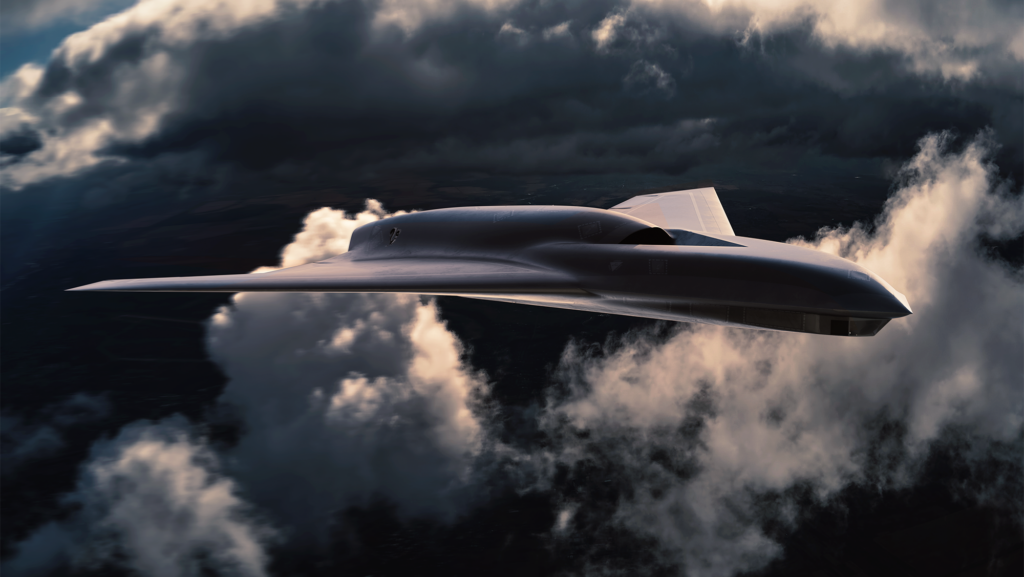
Lockheed Martin is widening its internal bet on the Vectis stealth drone, disclosing that it will build four additional prototypes on top of the single air vehicle already in production. The move, announced at the Association of the Air and Space Force conference in National Harbor, Maryland, lifts the company's planned prototype fleet to five aircraft.
Ron Fehlen, who leads Lockheed's Skunk Works advanced development division, framed the expansion as a way to compress the test and manufacturing learning curve rather than simply accumulate flight hours. The extra aircraft, he said, will be used to accelerate testing and validate production processes. "Development work on those additional aircraft is already underway, and we'll have more specifics to share soon," Fehlen said. He added that Lockheed intends to build and fly the four new vehicles faster than the first prototype, which was revealed last year and remains on track to take to the air by the end of 2027.
Skunk Works Moves Toward a Repeatable Build
Building one demonstrator proves a concept can fly. Building five suggests an organization is thinking seriously about how an aircraft gets made. Fehlen's emphasis on validating production processes points to exactly that shift: the additional Vectis airframes are meant to surface manufacturing problems early, while the design is still malleable, rather than after a production decision has been locked in.
Lockheed has not attached a dollar figure to the effort. The company declined to disclose the size of its investment in the program, leaving the scale of the commitment visible only through the hardware itself — one aircraft already in production and four more now entering development.
First Flight Targeted for 2027
The initial Vectis vehicle was announced last year and is scheduled to fly by the end of 2027. Production of that first prototype is currently ongoing. The four follow-on aircraft are expected to move through build and flight on a quicker cadence, according to Fehlen, though Lockheed has not published a schedule for them or detailed how they will be divided between flight testing and ground validation work.
Full-Scale Model Takes the Show Floor
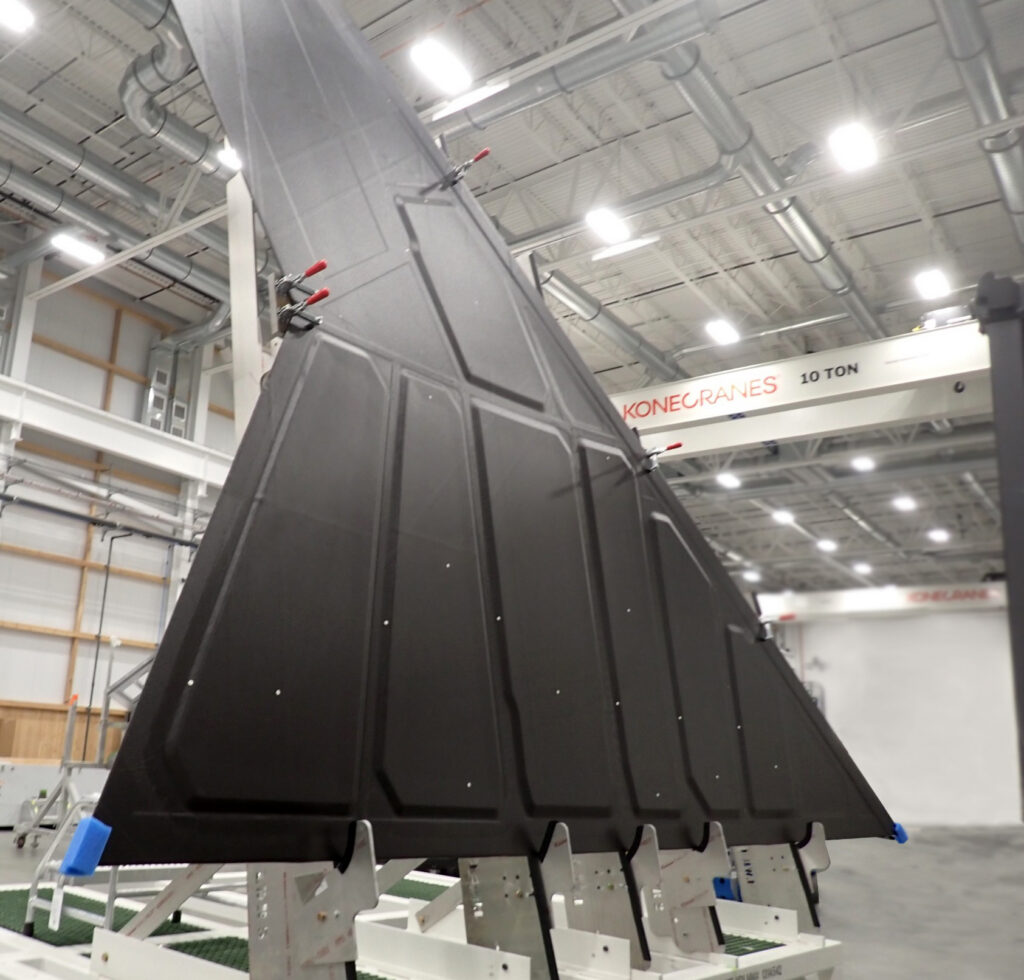
Vectis is the centerpiece of Lockheed's presence at this week's AFA conference, with a full-scale model of the drone occupying space in the exhibit hall. The display gives attendees a chance to see the aircraft's tailless configuration at full size, and Lockheed paired the showcase with a release of new technical specifications that had not previously been made public.
For the world's largest defense company, the conference appearance doubles as a customer-facing pitch. Lockheed is positioning Vectis as an offering built to be adapted rather than a fixed design sold as-is.
Designed Around Flexibility, Not a Single Mission
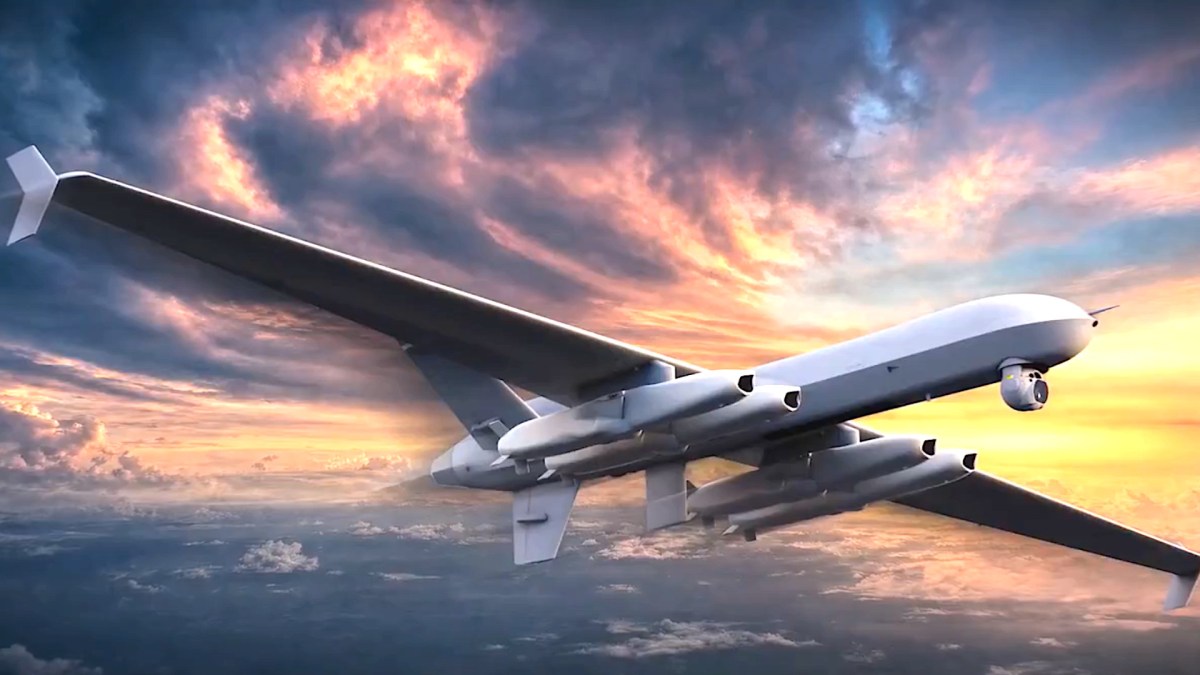
Lockheed describes Vectis as a large "Group 5" stealth drone whose primary selling point is adaptability. Instead of being tied to one role, the aircraft is intended to be configured for multiple mission sets, with payloads and mission systems tailored to whichever customer ultimately buys it. The company's stated mission flexibility covers:
- Air-to-air engagements, including operations alongside or against crewed aircraft
- Air-to-ground strike missions
- Intelligence, surveillance and reconnaissance collection
- Customer-specific payload and mission system configurations
That modular framing is central to how Lockheed expects to compete. A single airframe that can be re-rolled for different tasks is easier to sell across multiple buyers and easier to keep relevant as requirements shift.
CCA Alignment, Not an MQ-9 Replacement
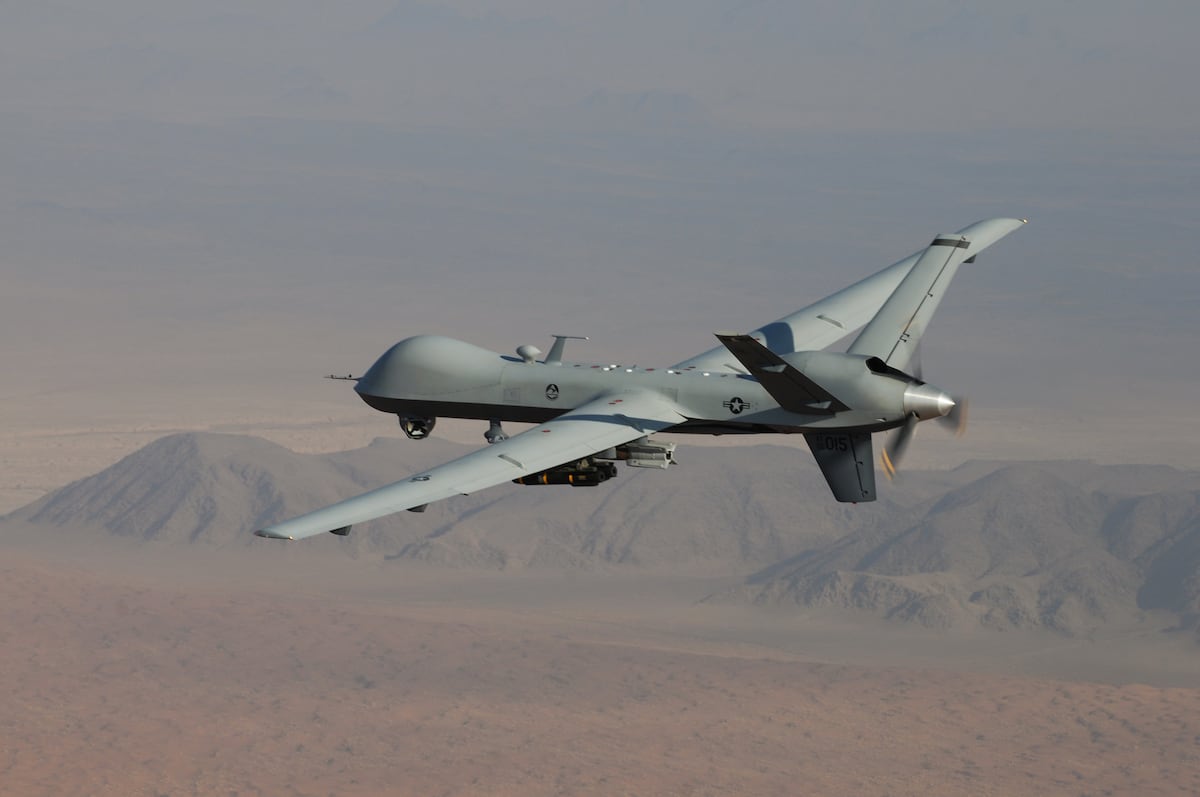
Asked whether Vectis could be pitched for the Mass Modular Aircraft program — an effort that would carry out the same long-endurance ISR and strike missions as the MQ-9 Reaper — Fehlen drew a line between the two. "The mission is a little different," he said, describing Vectis as more closely aligned with efforts to field Collaborative Combat Aircraft, the drones designed to partner with crewed fighter jets.
Cost is central to that positioning. Fehlen said Lockheed is targeting a unit price that would be "CCA competitive." For the first increment of the CCA program, which was won by General Atomics and Anduril this year, the Air Force settled on a $20 million per aircraft cost target — the benchmark Lockheed would need to approach for its pitch to hold up.
What the New Specifications Reveal
Alongside the full-scale model, Lockheed released dimensions for the aircraft. The tailless design measures about 34 feet in length with a wingspan of roughly 38 feet. That places Vectis at approximately the same length as an MQ-9 Reaper, while its wingspan falls in the same range as that of an F-35.
Fehlen also highlighted a submerged inlet mounted on the top of the aircraft. The feature serves two purposes: it helps reduce drag, and it prevents debris from being sucked into the engine. The second benefit is aimed squarely at maintainers, who would have to keep the drone flying if it were deployed to an austere environment where runways and ground conditions are far from pristine.
A Customer Conversation Lockheed Won't Have in Public
Fehlen was tightlipped when pressed on which customers might buy Vectis. "There is no reason to say, 'Well, it's one customer or another,'" he said, declining to narrow the field. The reticence leaves the drone's addressable market an open question even as the company commits real money to flying hardware.
What is clear is the direction of travel. Lockheed is not treating Vectis as a technology demonstration that ends with a single flight test campaign. The decision to fund four more airframes, and to talk openly about production process validation, signals a company preparing for a program rather than a one-off experiment.
What Comes Next
The immediate milestones are the continued build of the first prototype and its planned flight by the end of 2027. Behind it, four more aircraft are in development, with Lockheed promising a faster build-and-fly tempo and further details to come. Between now and then, the company's task is to show that a large, flexible stealth drone can be produced at a price the Collaborative Combat Aircraft era will accept — and to convince at least one customer that flexibility is worth paying for.
This article is based on reporting by Breaking Defense. Read the original article.
Originally published on breakingdefense.com