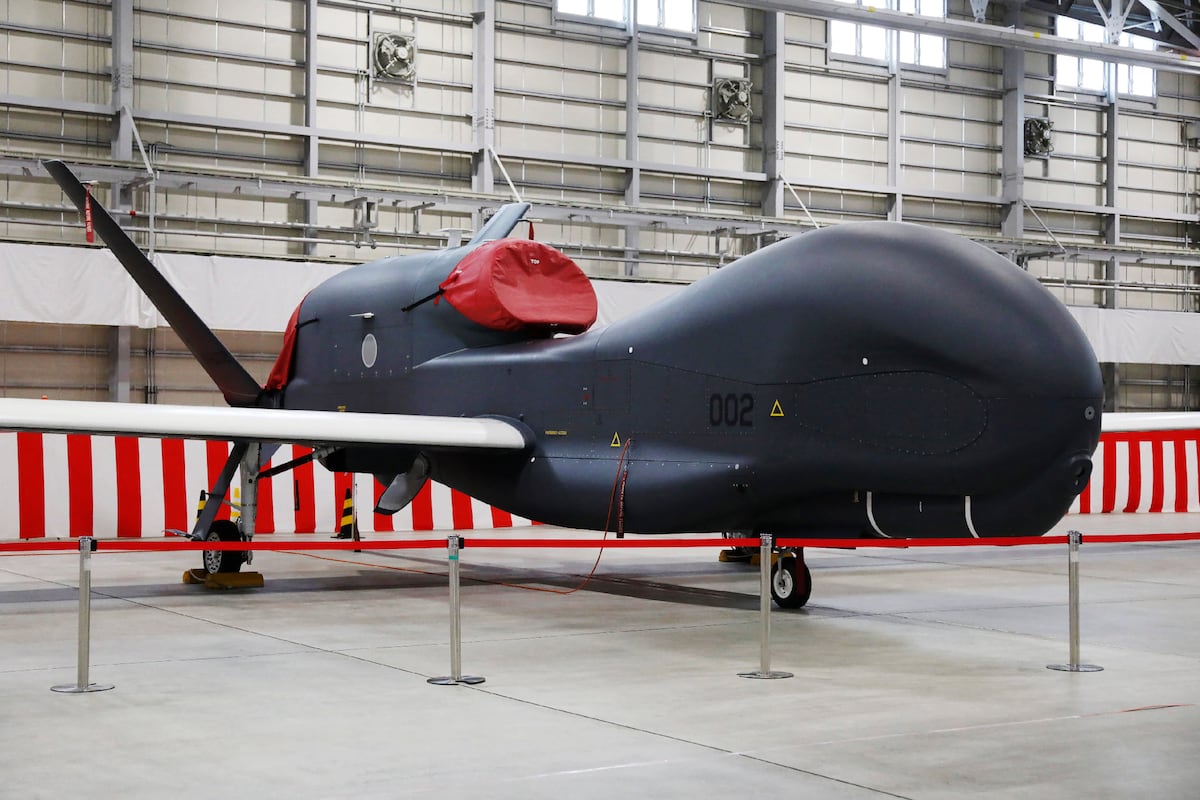
Japan's Global Hawk Fleet Drops From Three to Two
Japan's fleet of high-altitude, long-endurance surveillance drones was cut by a third this week when one of its three RQ-4B Block 30i Global Hawks went down in the Sea of Japan. The Japan Air Self-Defense Force confirmed the loss the following day, describing an aircraft that plunged into the water after ground controllers lost contact with it over international waters.
For a force that operates only three of the aircraft, the arithmetic is stark. Japan paid roughly $163 million per airframe for the Northrop Grumman-built drones, which it ordered nearly a decade ago. The type gives Tokyo its deepest reach of any unmanned platform, and with just two remaining, the country's ability to sustain continuous high-altitude surveillance across multiple directions at once is now measurably thinner.
How the Loss Unfolded
According to the JASDF, the drone lifted off at 10:20 a.m. on an unspecified mission. Roughly two and a half hours later, at 12:55 p.m., controllers lost contact with the aircraft. Three minutes after that, its radar signature vanished — the final indication that the Global Hawk had gone down over international waters.
The service did not immediately characterize the purpose of the flight. Gen. Takehiro Morita, the JASDF chief of staff, said only that the sortie was not a training exercise, leaving open the question of what the aircraft was tasked to observe.
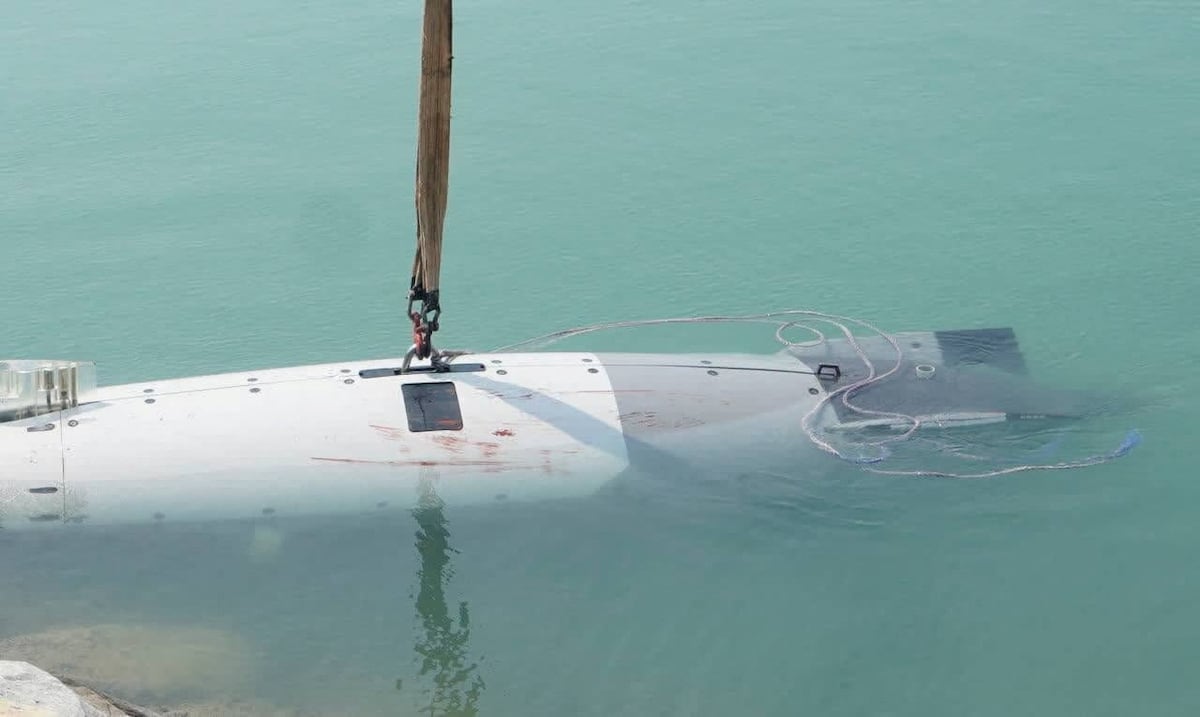
Recovery and identification followed quickly by the standards of maritime search operations. A Japan Coast Guard helicopter located debris in the water just 50 minutes after contact was lost, and other assets subsequently spotted further wreckage and photographed it, allowing officials to positively identify the aircraft. No cause of the accident has been disclosed.
Based in Northern Japan, Watching Two Neighbors
The Global Hawks are flown by the JASDF's 502nd Squadron from Misawa Air Base in northern Japan, a location that puts them within useful range of some of the region's most closely watched activity.
- North Korea: one standing mission for the Japanese fleet is monitoring preparations for missile launches.
- China: the drones are also used to keep watch on Chinese military movements.
- Endurance: the RQ-4B can remain aloft for up to 32 hours and climb as high as 60,000 feet, allowing it to linger far above most tactical and weather concerns.
Those characteristics make the aircraft valuable for persistent, wide-area observation rather than short bursts of tactical coverage. Losing one airframe does not eliminate that capability, but it does reduce how many orbits Japan can maintain simultaneously and how quickly it can shift coverage from one theater to another.
Sensors, and a Long-Standing Caveat
The Japanese Block 30i configuration carries an integrated payload built around an electro-optical/infrared sensor, a synthetic aperture radar and a ground moving target indicator. Together, those systems allow the aircraft to image in daylight or darkness, peer through weather, and track moving objects on the ground.
Japan received its first Global Hawk in March 2022, with the remaining two arriving later that same year — a delivery schedule that came years after the original purchase decision. The program was controversial in Japan for two principal reasons: the very high unit cost, and the fact that the United States retained tight control over the aircraft's technology and over how the data it gathered was processed. That arrangement gave Tokyo a capable sensor platform but less autonomy over its operation than the price tag might suggest.
A Shift Toward SeaGuardians
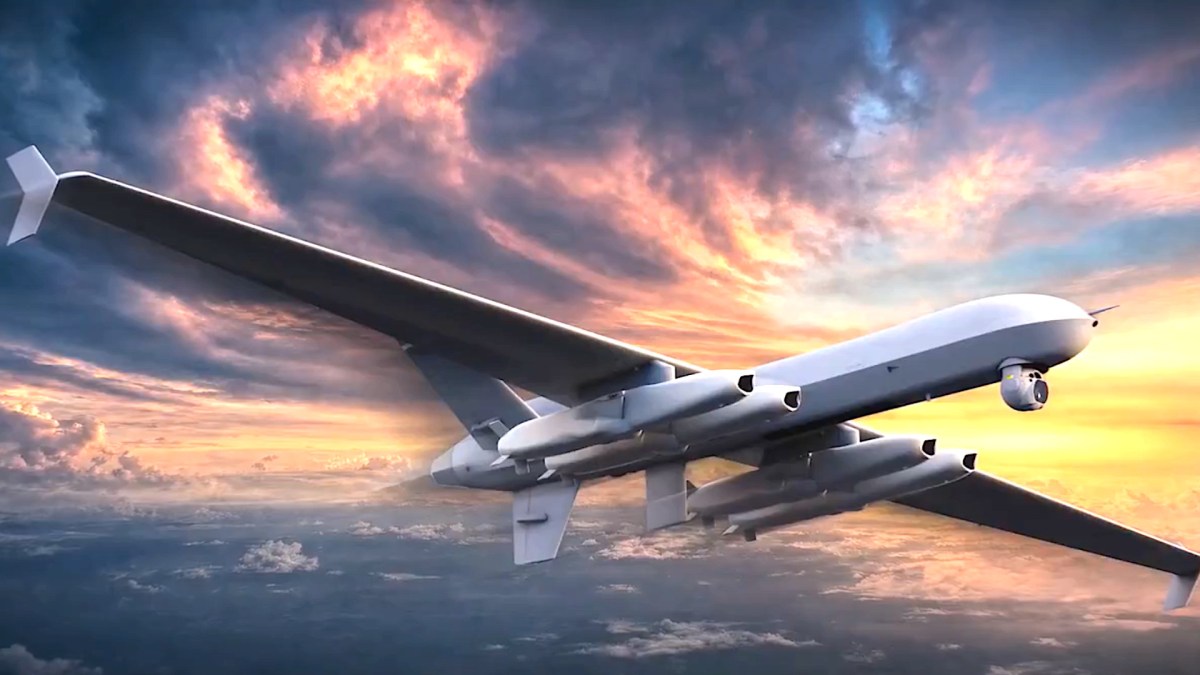
The crash comes as Japan is moving to broaden its unmanned inventory and reduce its dependence on a handful of very expensive, tightly controlled airframes. The Japan Maritime Self-Defense Force intends to bring the first of 23 MQ-9B SeaGuardians into service in 2027, and Japan's draft 2027 defense budget requested US$1.88 billion for the first 17 of those aircraft.
The SeaGuardians offer shorter endurance and range than the Global Hawk, but Tokyo plans to use them for maritime domain awareness — patrolling and surveying the seas around Japan. They will absorb some of the missions now flown by P-1 and older P-3C Orion maritime patrol aircraft, moving a portion of that workload from crewed aircraft to uncrewed systems. The transition reflects a broader Japanese priority on unmanned technologies, though it also means accepting a capability with less reach than the platform that was just lost.
A Global Hawk Community That Keeps Shrinking
Japan is not the only operator reassessing the type. The U.S. Air Force currently stations three RQ-4B Global Hawks at Yokota Air Base in Tokyo, having relocated them from Guam in May to avoid the typhoon season.
Washington had planned to retire its Global Hawks quickly, but it will now continue operating them until 2033. Beyond that point, the global fleet is expected to be very small: three aircraft in South Korea and two in Japan. For a platform once pitched as a cornerstone of high-altitude intelligence, surveillance and reconnaissance, the numbers tell a story of gradual retreat.
The Questions That Remain
Investigators have not publicly identified what brought the drone down. The absence of an immediate explanation leaves several possibilities unaddressed, including mechanical failure, loss of control links or other in-flight problems. What is clear is the immediate consequence: with two Global Hawks left, Japan's ability to keep its longest-reaching unmanned eyes in the air has been reduced at a moment when regional surveillance demands show little sign of easing.
This article is based on reporting by Defense News. Read the original article.
Originally published on defensenews.com