U.S. and Japan move to expand AMRAAM production
The United States and Japan have agreed to establish a facility in Japan for the final assembly and inspection of AIM-120 Advanced Medium-Range Air-to-Air Missiles, or AMRAAMs. The arrangement is intended to expand munitions output as demand rises among U.S. and allied forces, while also giving Japan a greater role in a critical part of the missile supply chain.
Japanese Defense Minister Shinjiro Koizumi announced the agreement after talks with U.S. Secretary of War Pete Hegseth on the sidelines of the ASEAN Defense Ministers’ Meeting-Plus in Cebu, Philippines. The facility will be part of a broader bilateral initiative called Operation Supercharge, which is focused on speeding cooperation on defense equipment and technology.
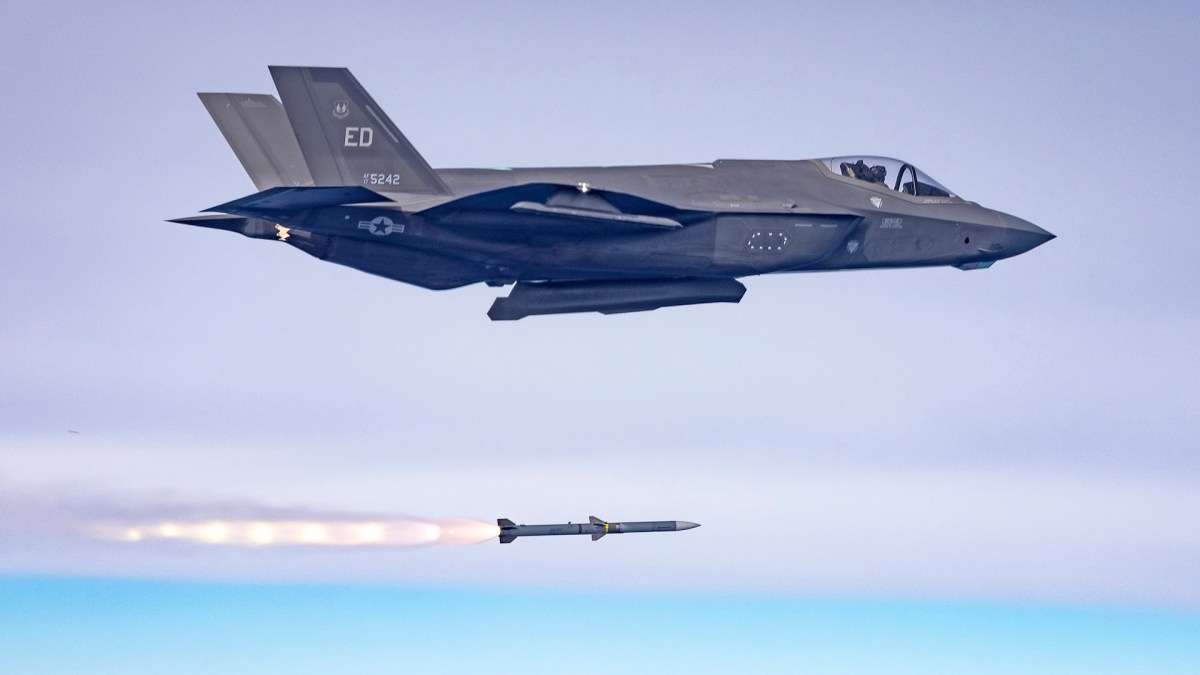
AMRAAM is an air-to-air missile essential to the F-35, according to Koizumi’s remarks. Final assembly and inspection in Japan would create a new production step outside the United States, but key practical details have not yet been made public. The countries have not disclosed the facility’s location, construction schedule, expected output, or the Japanese industrial partner that will take part.
A supply-chain decision with industrial implications
Koizumi described the agreement as a way to ensure both countries can obtain needed equipment while strengthening Japan’s domestic defense industrial base. That pairing is central to the announcement: the plan is not framed simply as an additional production line, but as a joint effort to improve access to a high-demand weapon while building capacity in an allied country.
The timing reflects a wider push to increase missile manufacturing. In September, RTX subsidiary Raytheon received a five-year AMRAAM production contract with options for two further years, valued at up to $20.7 billion. Under a framework agreement announced in February, Raytheon is working toward annual production of at least 1,900 missiles.
That target represents the overall effort to raise AMRAAM output, rather than a production figure for the planned Japanese facility. The proposed site’s individual role in that expansion remains unclear. It has not yet been specified whether Japanese final assembly will begin only after construction is complete, how missiles or components will be allocated, or what share of the larger production goal the facility could support.
Missile production becomes a bilateral priority
The AMRAAM announcement sits alongside a separate U.S.-Japan effort to accelerate production of the SM-3 Block IIA interceptor. Together, the initiatives point to a more active industrial partnership in missile production and related defense technology.
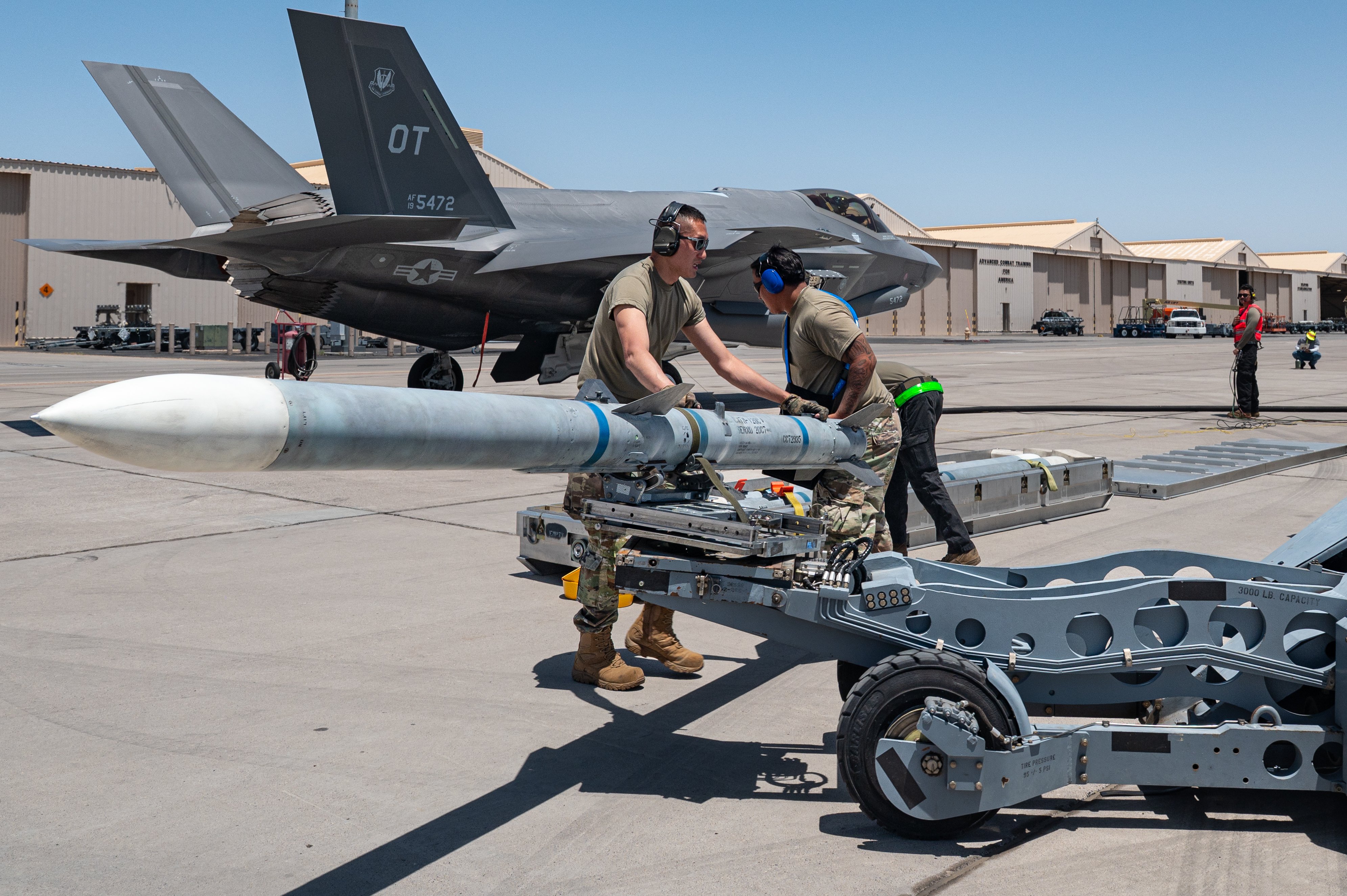
For Japan, the arrangement could deepen participation in a system used by the F-35 and reinforce its stated goal of improving domestic industrial capability. For the United States, a final-assembly and inspection facility in Japan could add resilience and flexibility to the broader production effort. The agreement also connects production policy to the practical requirement of sustaining equipment access for both militaries.
Still, the announcement marks the beginning of a process rather than a completed industrial expansion. A facility must be located, built, staffed, supplied, and integrated into the established AMRAAM production network. The absence of a disclosed schedule or capacity means the near-term effect on deliveries cannot yet be measured.
What to watch next
- Selection of the Japanese location and industrial partner.
- Details on the facility’s construction and start-of-operations timeline.
- Its expected annual assembly and inspection capacity.
- How the site will connect to the U.S. goal of producing at least 1,900 AMRAAMs annually.
- Further announcements on the parallel effort to accelerate SM-3 Block IIA interceptor production.
The agreement is a concrete step toward distributing more of the work behind a major U.S.-designed air-to-air missile across allied industry. Its strategic significance will depend on implementation: whether the planned site adds meaningful throughput, delivers equipment when needed, and becomes a durable part of U.S.-Japan defense-industrial cooperation.
This article is based on reporting by twz.com. Read the original article.
Originally published on twz.com