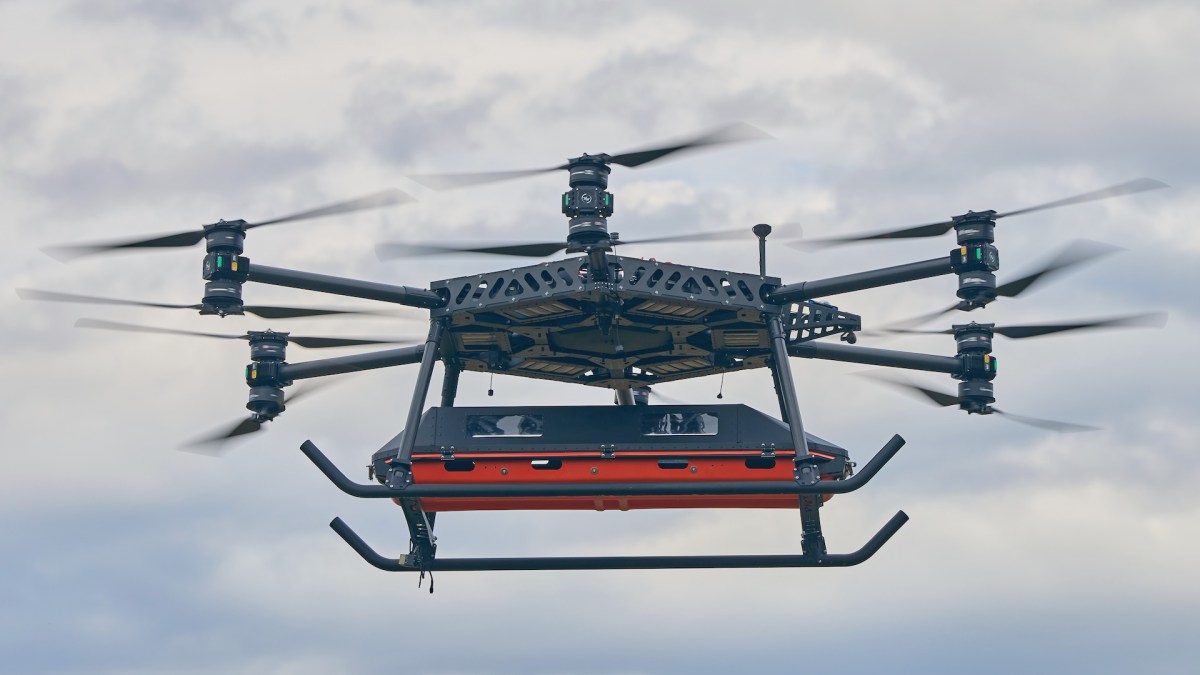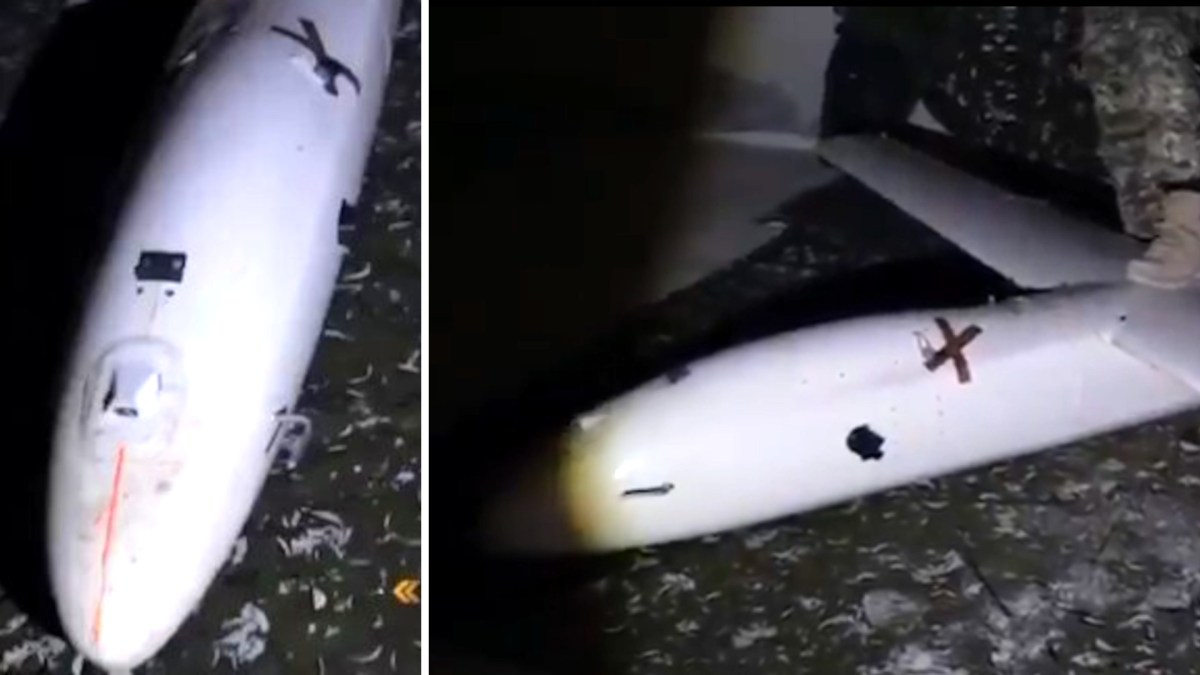
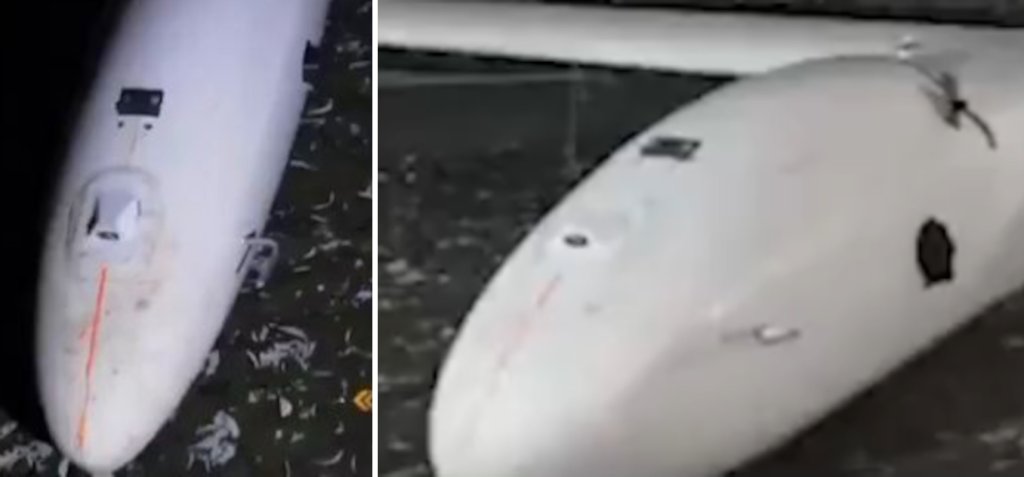
Iranian media and the Islamic Revolutionary Guard Corps say they recovered what appears to be a U.S.-made MQM-170C Outlaw G2 uncrewed aircraft near the Strait of Hormuz. Video released in connection with the claim appears to show the drone in flight and after recovery, but the circumstances of the incident remain unverified and competing accounts leave key questions unresolved.
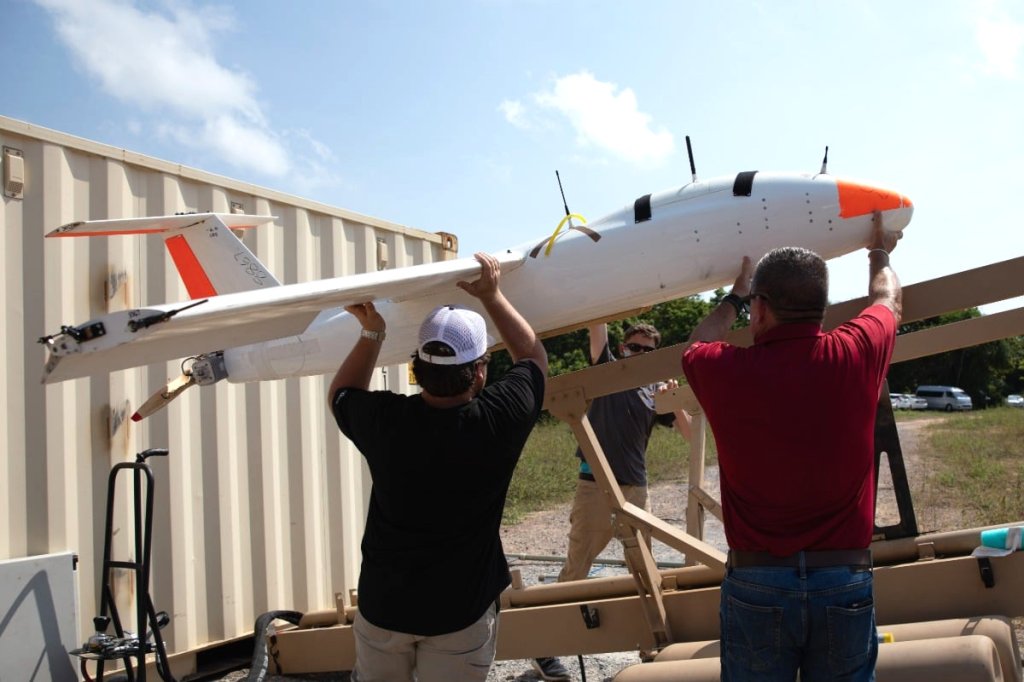
The aircraft is notable because Outlaw-series drones are used by the U.S. military as aerial targets in testing and training. The particular platform Iran displayed could also have utility in missions intended to stimulate air defenses and collect information about how those systems respond, according to analysis by The War Zone.
Iran's account
The IRGC says it captured the drone after what it characterized as an offensive electronic-warfare operation west of the Strait of Hormuz. It further alleged that the aircraft had been conducting reconnaissance of Iranian air-defense positions along the country's Persian Gulf coast.
Iran has supplied video that it says depicts the event. Footage reportedly includes an infrared-camera view of the drone being tracked and images of the recovered aircraft. The visible airframe has been identified as appearing to be a Griffon Aerospace Outlaw G2, designated MQM-170C in U.S. service.
No firm evidence has been publicly presented to substantiate the Iranian description of the drone's mission, the location of its recovery or the asserted electronic-warfare method. Those details are central: a recovered training target, a reconnaissance asset and an aircraft lost in an unrelated incident could carry very different strategic implications.
Washington disputes the narrative
U.S. Central Command challenged Tehran's version of events. In a statement to The War Zone, U.S. Navy Captain Tim Hawkins, a CENTCOM spokesperson, said Iranian claims should not be accepted at face value and said U.S. forces remained focused on assigned missions.
At the time of publication, however, the U.S. military had not explicitly denied losing an Outlaw-series drone in the region recently. That leaves a narrow but consequential gap between rejecting the IRGC's account and offering a complete public explanation for the aircraft shown in the video.
The uncertainty is especially important because Iranian official claims of military recoveries or interceptions have often drawn scrutiny. The available imagery may support the proposition that the displayed object is an Outlaw-series drone, but it does not by itself verify why it was operating, whether it was downed, or whether it was captured through electronic warfare.
What the MQM-170C is designed to do
Outlaw drones are best known in current U.S. military use as aerial targets for training and testing. Target drones help personnel and weapons systems practice detecting, tracking and engaging airborne threats under controlled conditions. Their use can also provide a relatively lower-cost way to support testing compared with operating more complex crewed aircraft.
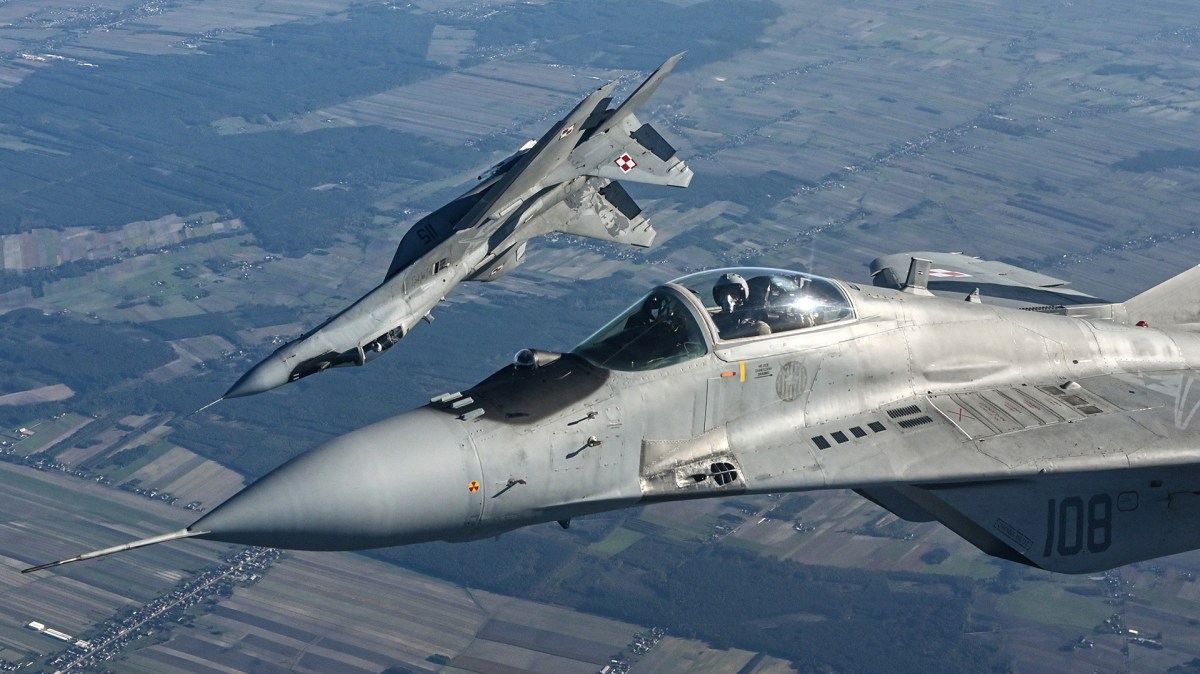
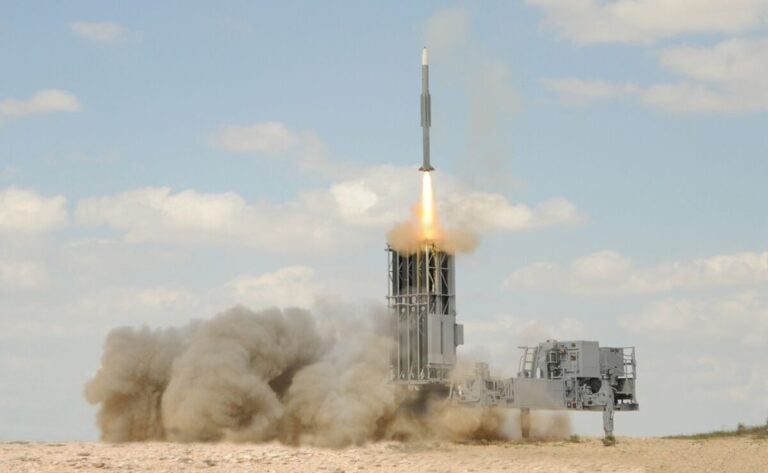
The article notes that such a drone could be useful for provoking or stimulating air defenses. If an air-defense network reacts to an approaching aircraft, that reaction can reveal information about sensors, radar emissions, command processes and engagement behavior. The source does not establish that this was the mission in this case, but it identifies it as one possible task for the aircraft type.
Iran's claim, if independently confirmed, would therefore be relevant beyond the recovery of a single uncrewed platform. It would raise questions about the effectiveness of electronic-warfare operations in a region where the United States and Iran closely watch one another's military activity.
A regional incident with limited confirmed facts
The Strait of Hormuz is one of the world's most strategically significant waterways, connecting the Persian Gulf to the Gulf of Oman. Military operations and surveillance in and around the area are closely scrutinized, and allegations involving drones can quickly become part of a wider contest over deterrence, intelligence and public messaging.
For now, the confirmed picture is limited. Iranian authorities say they recovered an aircraft that appears to be an MQM-170C Outlaw G2. Video has been released showing an object identified as that type of drone. A U.S. military spokesperson rejected the Iranian narrative but did not publicly provide a detailed alternative account of the aircraft shown.
The next meaningful evidence would be independently verifiable information about the airframe's ownership, its flight status before recovery, the site where it was found and any data supporting the claimed electronic-warfare operation. Until then, the incident should be treated as a credible-looking display of an apparent U.S.-made target drone, paired with claims about interception and reconnaissance that have not been independently substantiated.
That distinction is not a technicality. In an environment where footage, official statements and military signaling all compete for attention, separating the existence of a recovered object from assertions about how and why it was recovered is essential to understanding what the episode does—and does not—show.
This article is based on reporting by twz.com. Read the original article.
Originally published on twz.com