Aerial refueling’s advantage depends on vulnerable infrastructure
A new independent assessment argues that protecting the U.S. Air Force tanker fleet on the ground may be as important as buying more advanced refueling aircraft. Its central warning is direct: aerial refueling remains a major U.S. military advantage, but that advantage relies on forward bases and tanker aircraft that could be vulnerable before they take off.
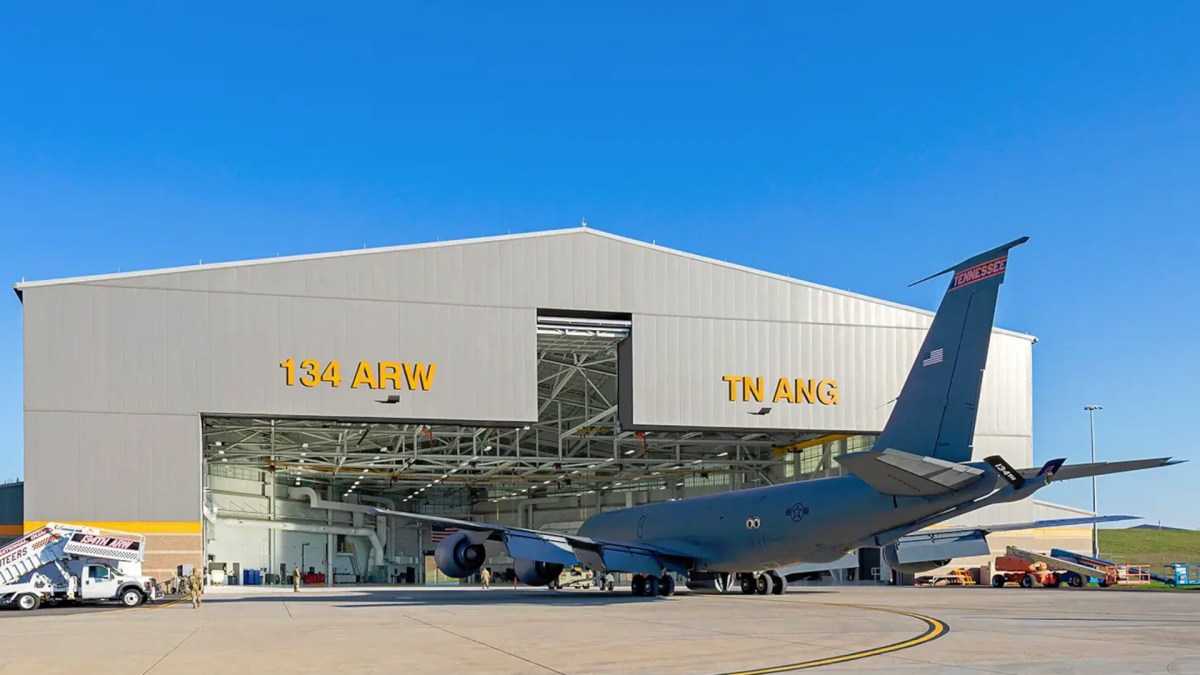
The Hudson Institute report, Resilient Reach: Redesigning Aerial Refueling for Contested Global Operations, calls for greater investment in protected airfield infrastructure. Among its recommendations is the construction of hardened shelters large enough to house tanker aircraft, which are considerably larger than many combat jets and therefore more difficult to protect in existing facilities.
The report frames the issue as one of resilience in a contested environment. Tankers allow combat aircraft to extend range, remain airborne longer and operate over long distances. If those tankers are neutralized at their forward operating locations, the loss can restrict a far wider air campaign than the number of aircraft destroyed or damaged might suggest.
Why tankers are a strategic dependency
Aerial refueling is an enabling capability rather than a mission that usually draws public attention on its own. Fighters, bombers, surveillance aircraft and other platforms can depend on tankers to reach operating areas, remain there and return. That makes tanker availability a multiplier for air operations.
The Hudson assessment says suppression of this capability could collapse U.S. air operations and contribute heavily to defeat in a conflict with China. The report’s emphasis is not that aircraft technology no longer matters. It is that sophisticated aircraft cannot provide their intended effect if the bases and support systems required to launch them are exposed.
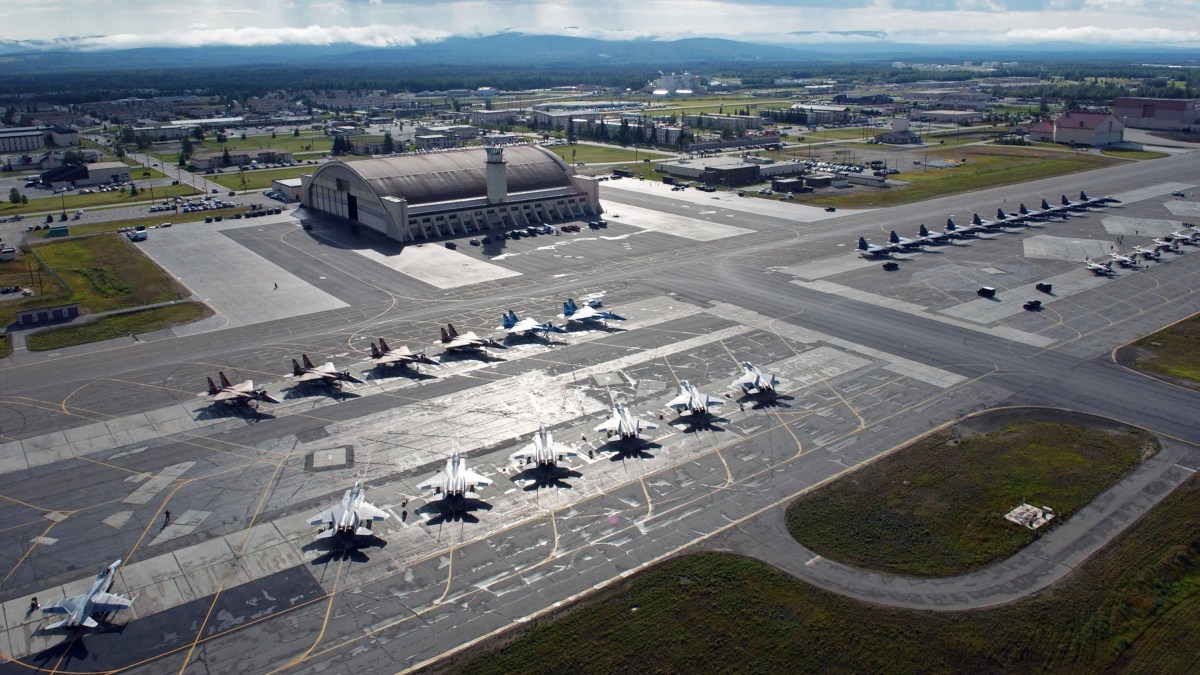
This places a renewed focus on the physical infrastructure of air power. Aircraft parked on open flightlines are potentially exposed to attack. Hardened shelters can improve the odds that aircraft survive an initial strike and are available for follow-on operations. For tankers, the practical challenge is size: shelters must be designed around aircraft that require much more volume and clearance than tactical fighters.
The assessment therefore pushes against a procurement discussion that treats the future tanker fleet primarily as an aircraft-buying question. It argues that survivability begins with the conditions in which tankers are based, maintained and prepared for missions.
Three strands of a more resilient tanker force
Hudson’s report organizes its recommendations around three broad themes. The first is more resilient surface infrastructure, including hardened shelters and other measures to protect airfields. The second is the integration of adaptive mission systems into existing tanker fleets, including improved communications and self-protection capabilities. The third is pursuit of a next-generation tanker using a blended-wing-body design.
Each addresses a different part of the vulnerability problem. Physical hardening seeks to reduce the chance that tankers are lost on the ground. Adaptive mission systems are intended to improve how current aircraft communicate and protect themselves. A new aircraft design could shape the longer-term fleet around the demands of contested global operations.
The report does not present these as interchangeable choices. A future aircraft does not solve a current basing vulnerability, while shelters alone do not modernize aircraft systems. The underlying message is that resilience has to be built across infrastructure, fleet upgrades and future acquisition.
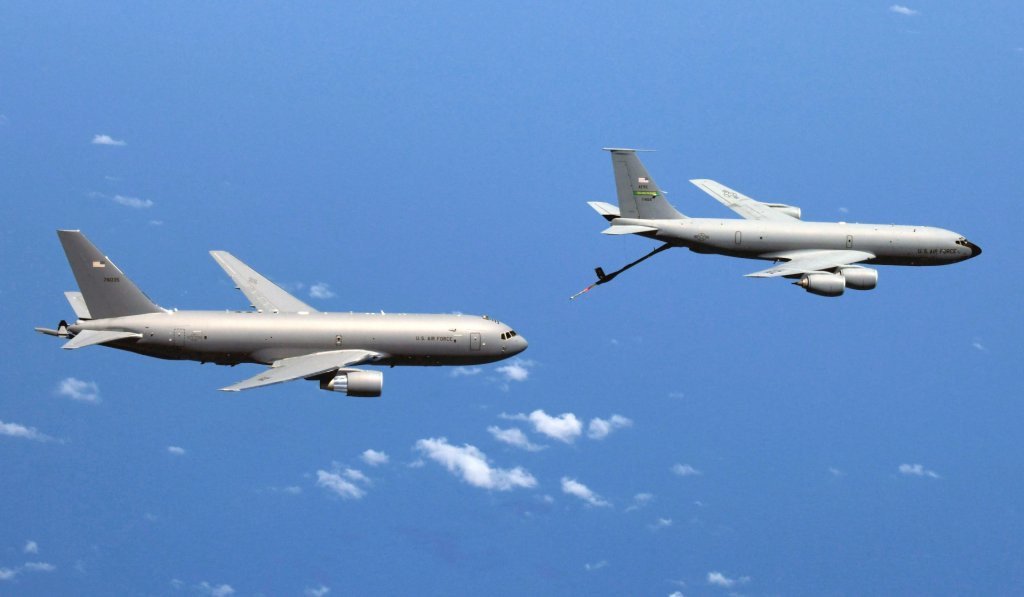
The debate over base hardening
The study arrives as senior U.S. Air Force officials have continued to play down the need for greater physical hardening of bases. The War Zone’s account notes that experiences from the war with Iran have underscored the risks to aircraft parked in the open.
The disagreement is significant because hardening is not a cosmetic infrastructure project. Building large protected facilities at forward locations requires time, funding, engineering and decisions about which bases are most critical. It also reflects a strategic judgment: whether the United States expects key airbases to endure direct attack and wants its forces to continue operating through it.
For the report’s authors, dispersal and mobility are not enough on their own. More access to better-protected airfields is described as at least as important as acquiring advanced tankers. The logic is straightforward: a force that cannot protect enough of its refueling fleet may lose operational reach at the moment it matters most.
A long-term design question remains
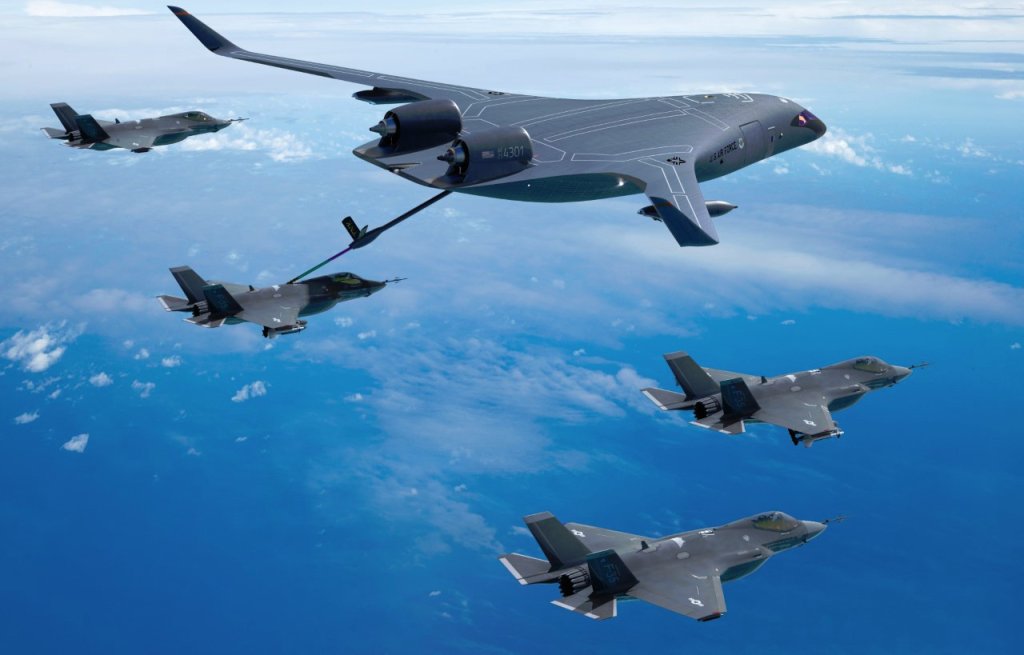
Alongside near-term infrastructure and upgrade proposals, the report calls for a next-generation blended-wing-body tanker. The article references a JetZero concept in this general aircraft category. The report’s recommendation signals that planners are looking beyond incremental improvements to conventional tanker designs.
But the immediate conclusion is less about a single airframe than about dependencies. Aerial refueling is indispensable precisely because it enables so many other missions. That makes tankers, their communications, their self-protection and their bases a single operational system.
The Hudson report’s prescription is to design that system for survival under pressure. Whether the Air Force adopts its recommendations in full or in part, the study sharpens an issue that can be overlooked in debates centered on aircraft performance: air power depends on the ability to keep support aircraft alive, fueled, connected and ready to fly from bases that may themselves be targets.
This article is based on reporting by twz.com. Read the original article.
Originally published on twz.com