A Diplomatic Pause With a Logistics Question Underneath
The current pause in direct fighting between the United States and Iran is being framed as an opening for diplomacy, but the debate around it is not only political. It is also logistical. A report from The War Zone says concerns about the availability of munitions, especially air-defense interceptors, are lingering in the background even as the Trump administration presents the halt in strikes as a deliberate move to give negotiations another chance.
That tension matters because it shapes how the pause is interpreted. If the slowdown in attacks is primarily diplomatic, it suggests Washington is trying to manage escalation and preserve options. If it is also influenced by stockpile calculations, then the episode doubles as a real-time stress test of U.S. weapons capacity in a conflict that can consume expensive, high-end interceptors quickly.
The report does not claim the administration has publicly admitted such a limitation. In fact, President Donald Trump explicitly pushed back on that idea on Monday, saying the United States has substantial ammunition reserves. But the article argues that magazine depth, particularly in missile defense, has been a longstanding concern and one that becomes harder to dismiss when an active regional fight places sustained demand on defensive systems.
What Has Changed on the Battlefield
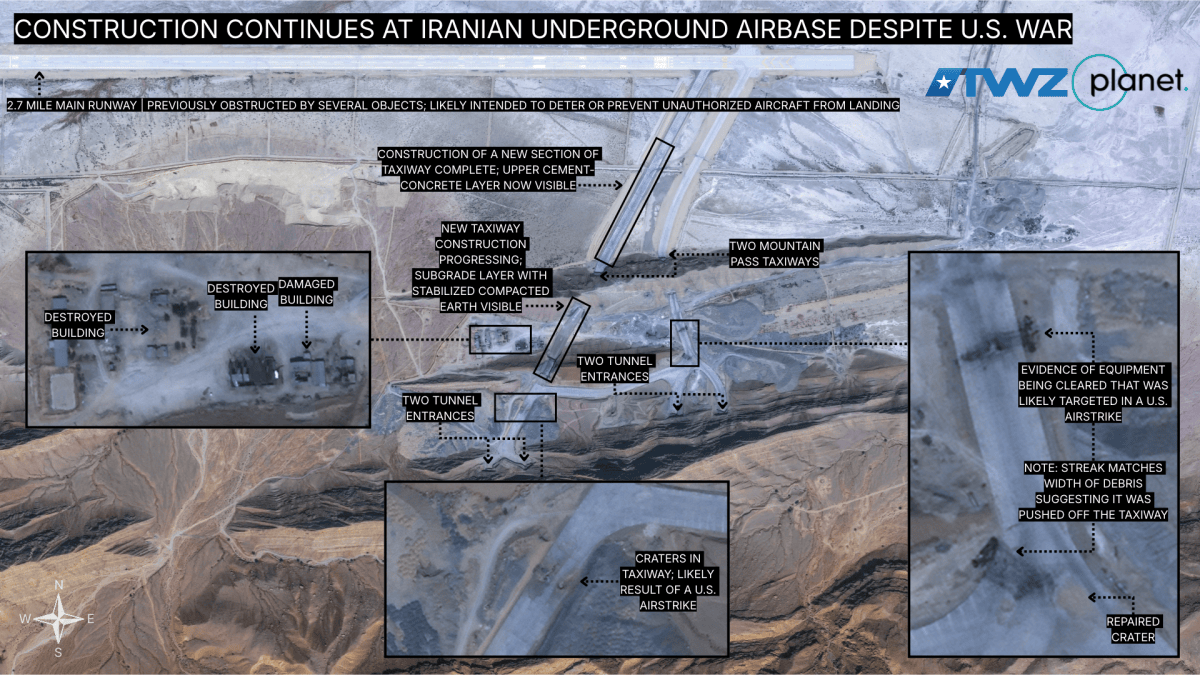
According to the source text, the United States and Iran stopped firing at each other late last week after 13 straight days of tit-for-tat operations. The report says there has not been a U.S. strike on Iranian territory since last Thursday. That marks a meaningful operational shift even if it does not amount to a stable settlement.
The pause has also not ended violence across the region. The same report says Saudi Arabia and Jordan continue to face attacks, with Saudi oil infrastructure hit by Iranian proxies. That detail is important because it shows the broader conflict environment remains active even without direct U.S.-Iran exchanges. A lull between the two principal states does not necessarily reduce demand for air and missile defense if partner nations and key infrastructure remain under threat.
In that sense, the current moment looks less like a clean ceasefire and more like a temporary compression of one part of a wider regional contest. Defensive systems still matter. Interceptor inventories still matter. And attacks on third countries can still drive consumption and strategic anxiety.
The Interceptor Question
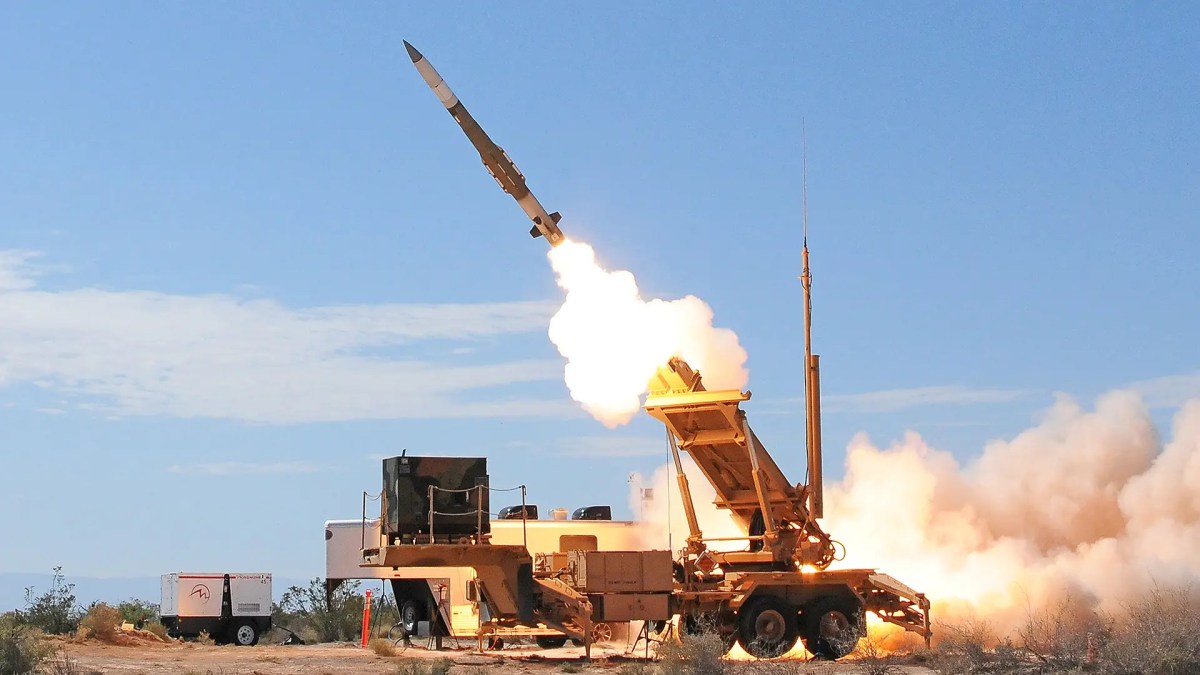
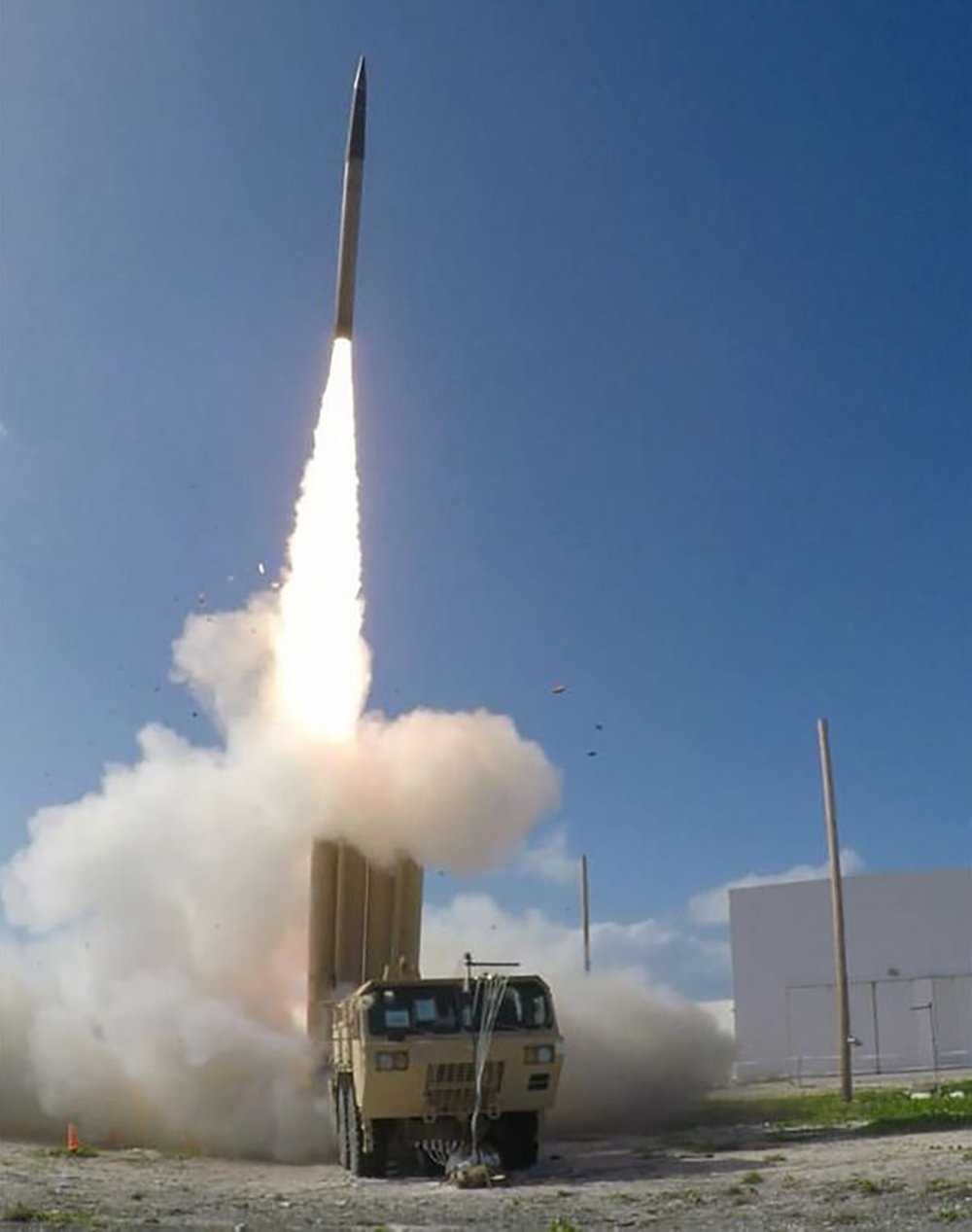
The report focuses particular attention on Patriot and Terminal High Altitude Area Defense, or THAAD, interceptors. These systems are among the high-end tools the United States and its partners rely on to blunt missile and air attacks. They are also not weapons that can be replenished casually or instantly during a major conflict.
That is the core of the concern. Even when a country possesses large overall stocks of ammunition, certain advanced defensive munitions can become bottlenecks because they are costly, specialized, and central to protecting forces and infrastructure against sophisticated threats. A war that involves repeated launches, proxy attacks, and geographically dispersed defense commitments can expose that constraint quickly.
The War Zone says it has raised these issues for years and had laid out similar concerns before the present conflict began. The article frames the current pause as occurring in the shadow of exactly that longstanding problem: whether the United States has enough depth in key air and missile defense inventories to sustain operations comfortably if the fight broadens or drags on.
What Trump Said
On Monday, Trump rejected the idea that the United States is running short. Speaking to reporters aboard Air Force One, he said the country has “a lot” of weapons, including mid-level munitions, and suggested the stockpile may be larger than could ever be needed. He also said he would still like to have more, especially of some sophisticated categories.
Trump further said the United States is restocking rapidly and that new plant capacity is being built. In the report, he singles out Patriot production as an area that is “going up,” while also describing defense contractors as building multiple plants. He again blamed the Biden administration for having given too many weapons to Ukraine, a political argument he has made before in other contexts.
Those comments do two things at once. Publicly, they project confidence and seek to shut down the shortage narrative. But they also acknowledge, indirectly, that more production is desirable and that sophisticated classes of munitions deserve special attention. Even a denial can reinforce the importance of the issue if it comes paired with a strong emphasis on rebuilding industrial capacity.
Why Stockpile Depth Has Become a Strategic Story
Munitions depth has increasingly become a central defense issue, not a secondary procurement detail. High-intensity combat, layered missile threats, and alliance commitments all put pressure on inventory planning. Air-defense interceptors are especially significant because they are consumed defensively, often under the enemy’s timeline, and because shortages can create vulnerabilities far beyond the immediate battlefield.
The current pause underscores that point. A temporary break in direct strikes might offer diplomats room to work, but it also offers militaries a brief chance to assess burn rates, reposition assets, and reconsider what sustained operations would require. In a conflict involving Iran and proxy actors, the challenge is not only the number of attacks but the distribution of threats across multiple countries and critical sites.
The report’s reference to Saudi and Jordanian attacks suggests precisely that kind of dispersed burden. The United States does not need to be striking Iranian territory every day for interceptor planning to remain a live concern. As long as partner states and infrastructure are being targeted, the strategic demand signal continues.
What to Watch Next
For now, the key question is whether the pause becomes a durable de-escalation channel or merely a brief operational reset. If diplomacy gains traction, stockpile debates may remain in the background. If regional attacks intensify or direct U.S.-Iran exchanges resume, interceptor availability and production capacity could move much closer to the center of the story.
Either way, the episode has highlighted a broader reality: modern conflict is shaped not only by decisions to strike or hold fire, but by the industrial and logistical systems behind those choices. In that respect, the current U.S.-Iran pause is revealing. It is not just a political moment. It is also a reminder that deterrence, defense, and diplomacy all depend in part on what a military can sustain once a crisis stops being theoretical.
This article is based on reporting by twz.com. Read the original article.
Originally published on twz.com