The first Kadena-bound F-15EX is finally on the move
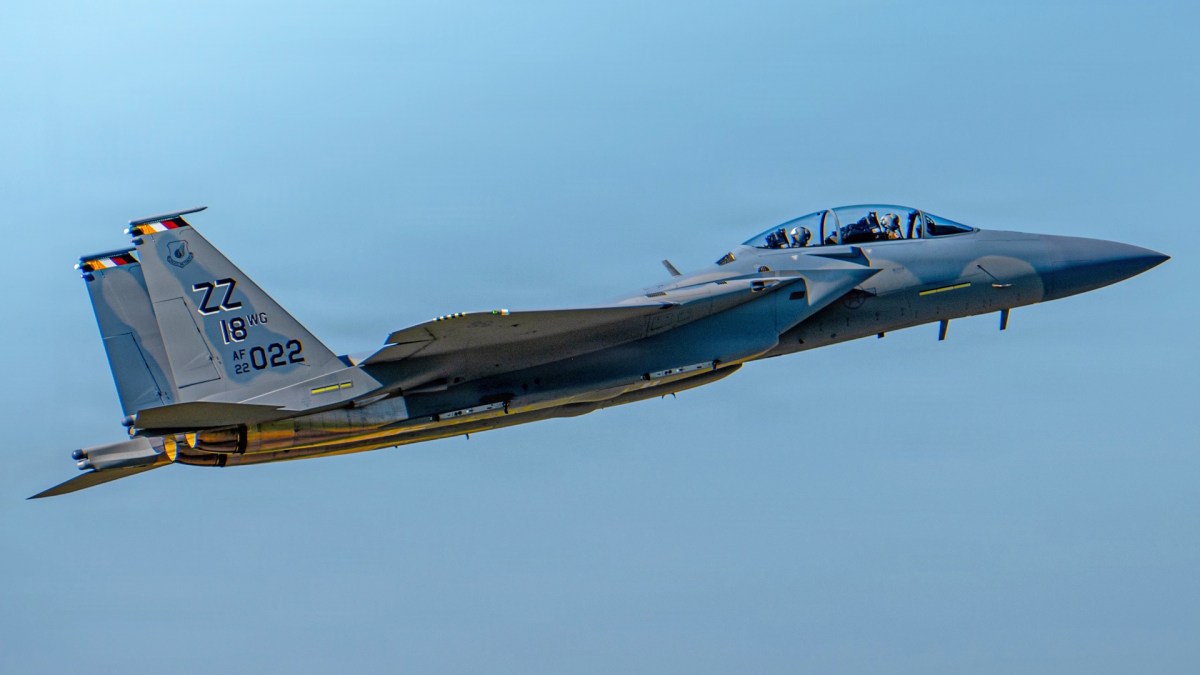
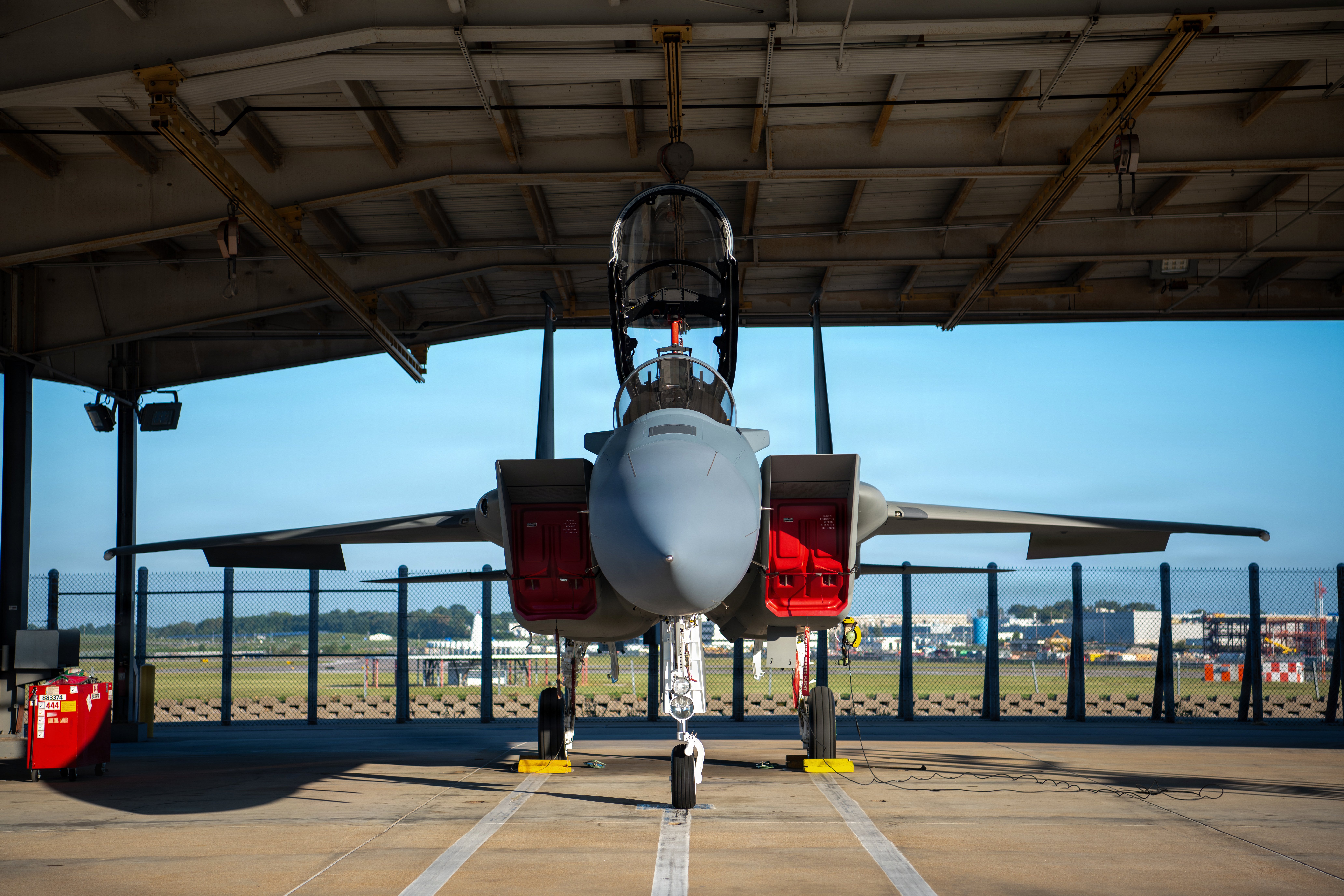
The first U.S. Air Force F-15EX Eagle II intended for permanent assignment at Kadena Air Base in Okinawa has departed Boeing’s St. Louis facility, giving tangible form to a long-discussed modernization plan in the Indo-Pacific. The aircraft left on August 28, 2026, and is headed first to the 142nd Wing at Portland Air National Guard Base in Oregon for final staging and integration work before its eventual deployment to Japan.
That routing may look procedural, but the milestone is strategically meaningful. Kadena is one of the Air Force’s most important bases in the Pacific, and the arrival of the F-15EX is a central part of restoring a permanent advanced Eagle presence there after the withdrawal of older F-15C/D aircraft. For the 18th Wing, which operates from Kadena, this is the first visible sign that the transition is moving from planning to fielding.
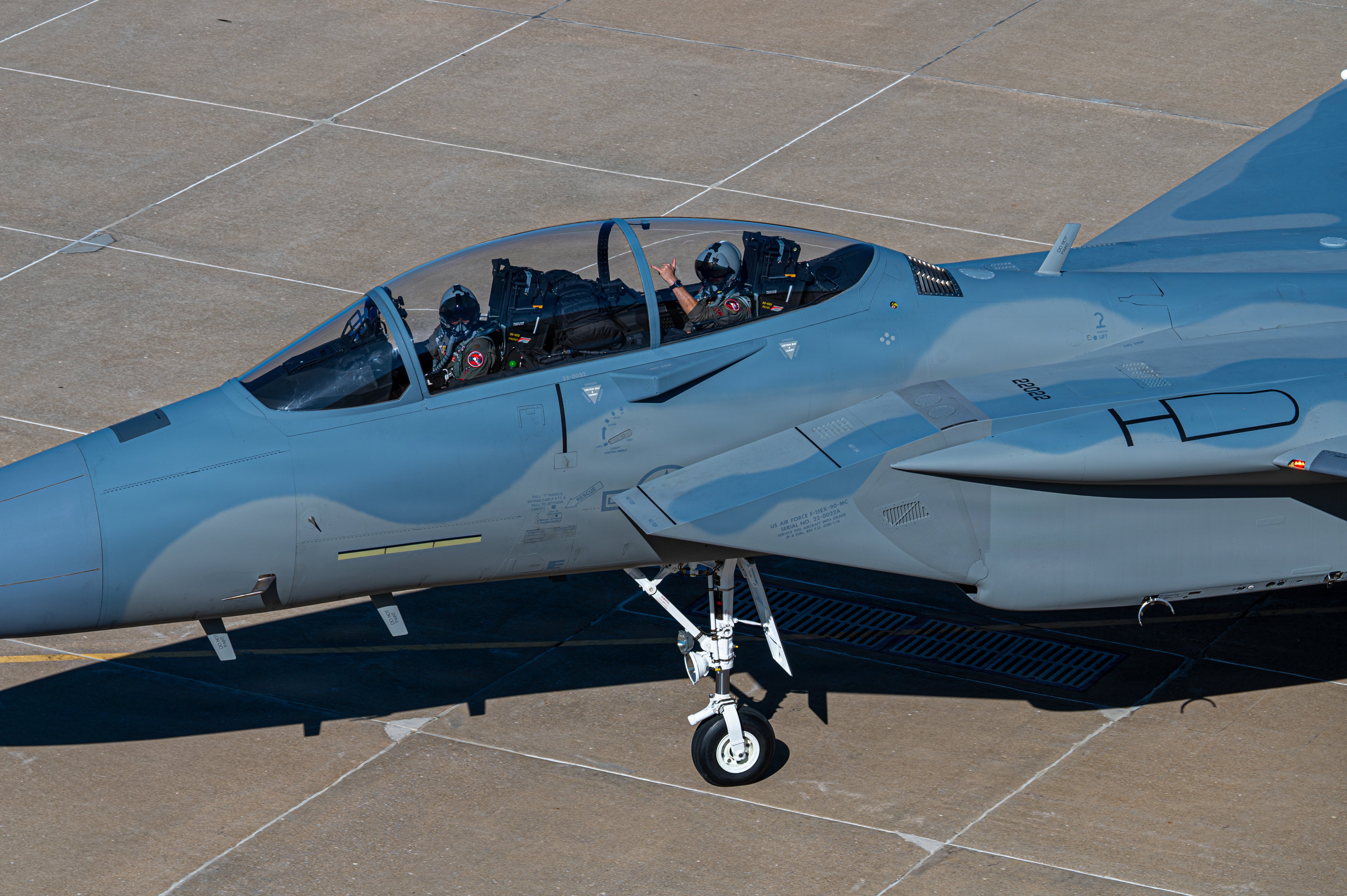
The aircraft involved is the 22nd F-15EX delivered to the U.S. Air Force. According to Boeing and Air Force statements cited in reporting on the departure, it is the first example specifically destined for Kadena.
Why this matters to Kadena
Kadena Air Base sits at the center of U.S. tactical airpower in Okinawa and plays a major role in the broader U.S. posture across the Indo-Pacific. Replacing legacy fighters there is not only about swapping one aircraft for another. It is about restoring sustained combat capacity at a base viewed as critical to regional deterrence and rapid response.
The F-15EX is the Air Force’s newest Eagle variant. In the reporting on this delivery, the service framed its eventual arrival in Japan as a key pillar of tactical airpower modernization in the region. The current expectation is that F-15EX arrivals in Japan will begin in fiscal year 2027, which starts on October 1, 2026.
That timeline matters because Kadena has been waiting for a permanent successor to its retired F-15C/D fleet. The departure from St. Louis does not mean the aircraft is operational in Japan yet, but it confirms that the pipeline is active and that the unit-level preparations are advancing.
Brig. Gen. John Gallemore, commander of the 18th Wing, described the move as an important step toward bringing the F-15EX to Kadena and putting the capability in the hands of the airmen who will fly, maintain, and employ it from Japan. The emphasis there is telling: this is as much about support infrastructure and operational integration as it is about aircraft delivery.
Why the aircraft is stopping in Oregon first
Before reaching Okinawa, the jet will go through final staging and integration preparations at Portland Air National Guard Base. The 142nd Wing is acting as a coordination and preparation unit for Kadena’s 18th Wing. That intermediary step highlights how complex modern fighter transitions have become. New aircraft do not simply roll off the line and deploy overseas. They move through a chain of testing, preparation, training alignment, and logistics work before they can enter stable operations at a forward base.
The reporting notes that the aircraft, serial 22-0022, had already been seen flying test sorties from St. Louis in early August. Initially it appeared in primer paint, and later in the month it was observed in full livery. Those details underline that this has been a watched handoff, not a routine shipment.
Even symbolic milestones matter in programs like this because they signal program momentum to operators, allies, and critics alike. A fighter force recapitalization effort can feel abstract until specific tail numbers start moving toward their future homes.
A modernization win shadowed by sustainment concerns
The significance of the delivery also comes with an important caveat. Reporting on the departure explicitly notes that the F-15EX program is grappling with future sustainment concerns. That tension is notable because it captures a recurring problem in defense acquisition: a platform can be operationally valuable and politically important while still facing questions about long-term affordability, supportability, or fleet management.
The source text does not spell out those sustainment concerns in detail, so the scope of the issue remains unclear from the supplied material alone. Still, the reference is important enough to shape how this milestone should be interpreted. The aircraft’s movement to Oregon and eventual deployment to Okinawa represent progress, but they do not erase the broader program questions that still hang over the platform.
That is often the reality of military modernization. Fielding milestones are real, but so are the budget, readiness, and maintenance challenges that follow.
What the milestone says about Indo-Pacific priorities
If there is one clear message in this delivery, it is that the Air Force continues to place major weight on tactical airpower in the Indo-Pacific. Permanent stationing decisions signal strategic intent more strongly than temporary rotations. Sending the first Kadena-bound F-15EX through the pipeline shows that the service is investing in longer-horizon force posture rather than only stopgap presence measures.
Kadena’s location makes that posture particularly consequential. Any upgrade there carries implications beyond the base itself, affecting alliance signaling, regional readiness, and the Air Force’s ability to project power or respond to crises. The F-15EX is being introduced not as an experimental addition, but as part of a planned replacement structure tied directly to one of the region’s most consequential installations.
In that sense, the departure from St. Louis is both operational and political. It is operational because it starts the physical movement of aircraft toward future service in Japan. It is political because it demonstrates that the Air Force intends to follow through on a modernization promise that has been closely watched.
What to watch next
The next indicators of progress will likely come from the staging and integration phase in Oregon and from any formal announcements about the first arrivals in Japan once fiscal year 2027 begins. For now, the clearest facts are these:
- The first F-15EX intended for permanent assignment at Kadena left Boeing’s St. Louis plant on August 28, 2026.
- It is headed first to the 142nd Wing in Portland for final staging and integration work.
- The aircraft is part of the Air Force plan to replace Kadena’s withdrawn F-15C/D fleet.
- Initial arrivals in Japan are expected to begin in fiscal year 2027.
For the Air Force, this is a milestone worth emphasizing because it converts a modernization narrative into a concrete movement of hardware. For outside observers, it is a useful marker of where Indo-Pacific force posture is heading and how quickly the service can turn procurement into fielded capability.
The F-15EX still carries unanswered questions about sustainment, and its Okinawa future is not immediate. But after years of planning, the first Kadena-bound jet is no longer theoretical. It is in the system, on the move, and now part of the operational timeline.
This article is based on reporting by twz.com. Read the original article.
Originally published on twz.com