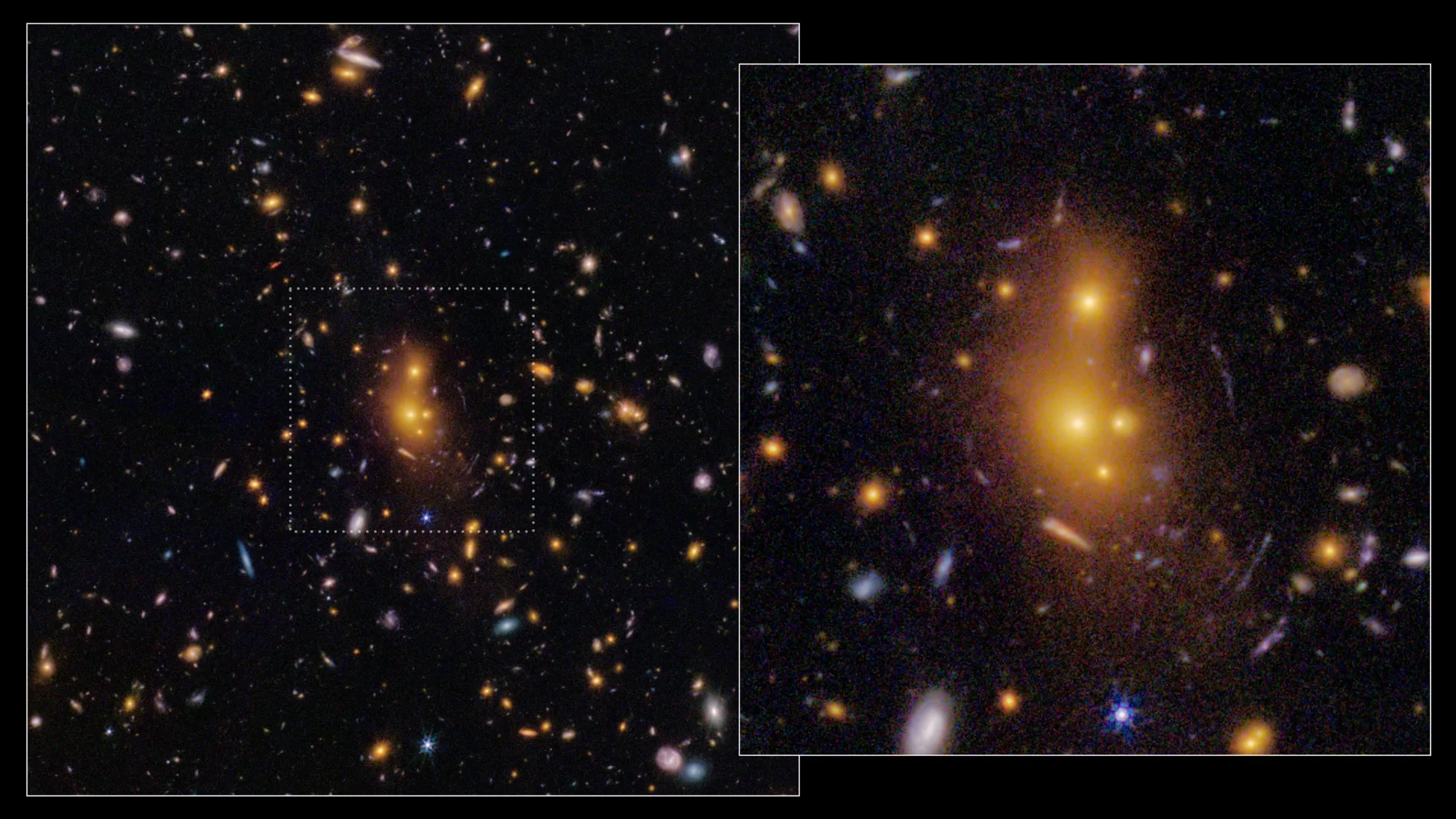
随着新数据重新引发旧问题,循环宇宙学再次进入讨论
宇宙最终可能坍缩并在另一场大爆炸中重生的观点曾一度失宠,但围绕 DESI 数据的新讨论让“大反弹”重新受到关注。
- 循环宇宙学提出宇宙会膨胀、坍缩并再次开始。
- 这一观点曾一度失宠,但正重新受到关注。
所有标记为「cosmology」的文章

宇宙最终可能坍缩并在另一场大爆炸中重生的观点曾一度失宠,但围绕 DESI 数据的新讨论让“大反弹”重新受到关注。

Gizmodo重点报道的一项大型研究发现,宇宙最大结构的观测结果仍与牛顿和爱因斯坦引力一致,这削弱了仅靠修正引力来解释宇宙学现象的说法。

利用 HETDEX 数据,天文学家报告称,在距今 100 亿至 120 亿年前的星系周围发现了数以万计的巨型氢气晕,为关于早期星系在宇宙黎明时期如何增长的观点提供了新的支持

粒子物理中一个长期悬而未决的问题依然没有答案:中微子究竟是否与其反粒子不同,还是说它们是马约拉纳粒子,本质上就是自己的反面
弗雷德·杨亚毫米波望远镜已在智利的钱南托山正式启用,将极端高海拔站址与宽视场设计结合,旨在对毫米波和亚毫米波天空进行快速巡天。
一项对数十年宇宙学数据的新综合研究进一步强化了这样一种观点:现有理论仍无法完全解释为什么不同方法会给出宇宙膨胀速率的不同结果。
暗能量光谱仪已完成迄今为止最大的宇宙三维地图,为宇宙学家提供了一个强大的新数据集,用于研究暗能量,并检验宇宙膨胀的标准图景是否
A new Physical Review Letters study led by UC Riverside physicist Hai-Bo Yu argues that self-interacting dark matter could account for three long-running astrophysical puzzles across very different environments.
对埃托雷·马约拉纳1937年想法的一次新阐释,正让现代物理学中最持久的问题之一再次受到关注:中微子是否可能是既是粒子又是它们自己的反粒子。
A new study in the Journal of Cosmology and Astroparticle Physics argues that the long search for dark matter may need a new framing: the lack of a signal could itself point to a more complex dark sector.
一个新近报告的星系 NGC 1052-DF9,加入了一个规模虽小但意义重大的系统集合,这些系统似乎在没有暗物质的情况下存在,并为颇具争议的“子弹矮星系”碰撞情景提供了支持。
位于 SNOLAB 的超低温暗物质搜索实验已达到其超低温工作温度,使探测器能够开始探测一种新的潜在轻暗物质信号区域。
A galaxy seen just 400 million years after the big bang appears to show the strongest evidence yet for Population III stars, the extremely hot, metal-free objects thought to have lit up the early universe.
一篇新的预印本提出,正在蒸发的低质量原初黑洞可能在早期宇宙的等离子体中引发了猛烈的冲击波,而不仅仅是弥散的热量。
天文学家已经确定了有史以来最强大的快速射电暴的起源,它来自一个距离地球36亿光年的巨大恒星形成星系,为这些极端宇宙事件的物理学提供了新的认识。
A series of experimental results from particle physics and cosmology are converging to challenge the Standard Model, potentially demanding an entirely new theory.
New observations are forcing astronomers to rethink models of galaxy formation after discovering massive galaxies that existed when the universe was only 1.4 billion years old. These ancient giants shouldn't exist according to standard cosmological models, prompting a reassessment of how quickly structure can emerge in the early universe.
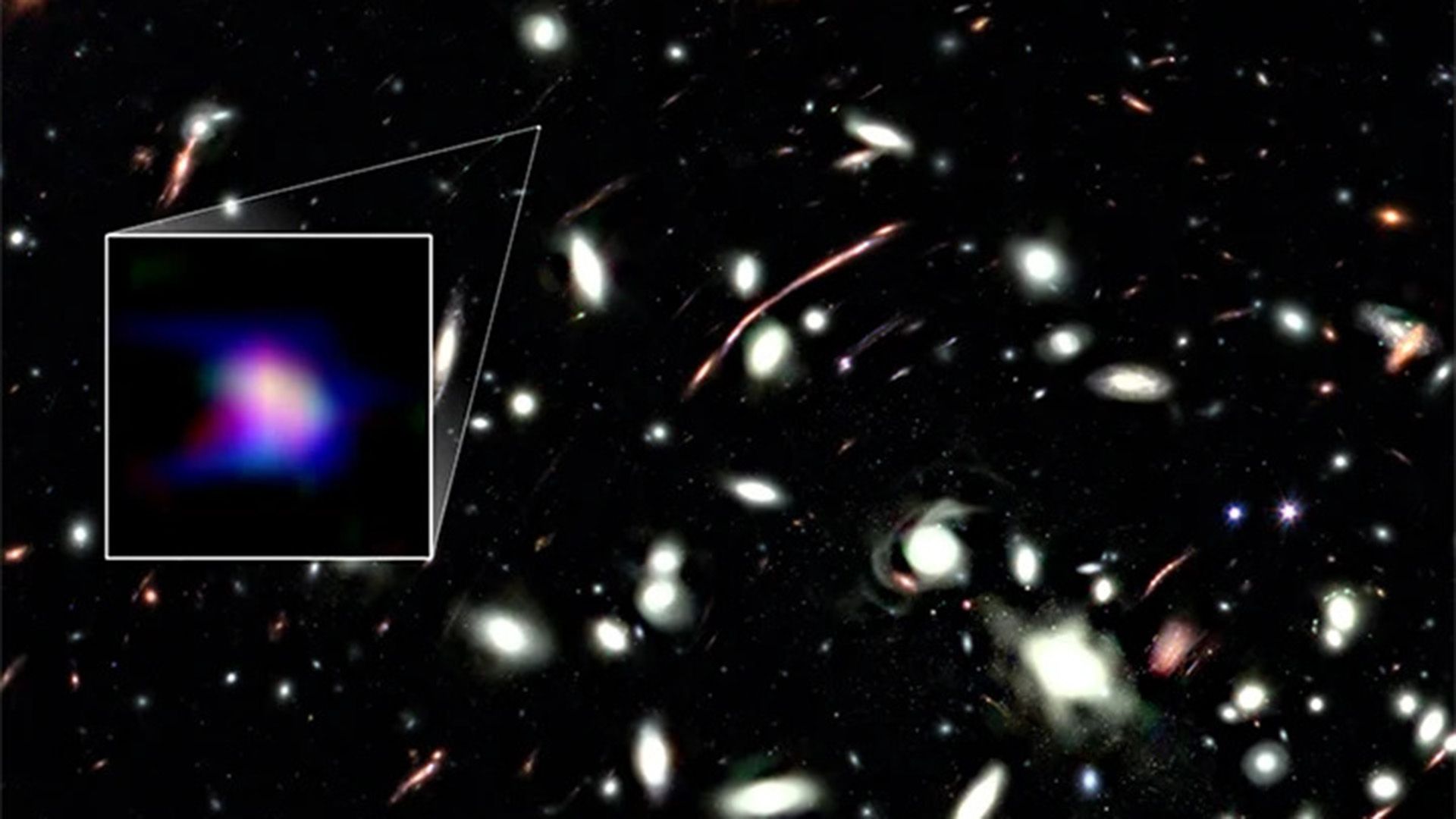
A massive international collaboration using the James Webb Space Telescope and ALMA has identified 70 dusty galaxies from the universe's first billion years. These ancient objects appear to have formed stars far earlier than current models predict, potentially forcing a fundamental reassessment of how galaxies evolve.