चीनचे उत्सर्जन दुसऱ्या तिमाहीत घसरले, पण कारण महत्त्वाचे आहे
स्रोत सामग्रीमध्ये उद्धृत केलेल्या विश्लेषणानुसार, 2026 च्या दुसऱ्या तिमाहीत चीनचे कार्बन डायऑक्साइड उत्सर्जन 1% घटले, आणि त्या तिमाहीत देशात तेल वापरात अचानक घट झाली, तर कोळसा-आधारित वीज निर्मिती पुन्हा वाढत होती. ही सांगड ही घट लक्षणीय बनवते. यापूर्वी चीनचे एकूण उत्सर्जन कमी झाले तेव्हा, साधारणपणे कोळशाचा वापर हा मुख्य चालक असायचा. यावेळी, स्रोत म्हणतो, तात्काळ कारण तेल मागणीत तीव्र संकुचन होते.
अहवालानुसार, या घटीचा ट्रिगर स्ट्रेट ऑफ होर्मुझ संकट होता, ज्यामुळे आखाती पुरवठा विस्कळीत झाला आणि चीनमधील तेल वापरात एकूण 9% घट झाली. वाहतूक मागणीवर त्याचा अधिकच परिणाम झाला, जिथे वाहतुकीसाठी तेल वापर 16% कमी झाला. ही आकडेवारी अल्पकालीन धक्का सूचित करते, पण स्रोत असा युक्तिवादही करतो की या तिमाहीने काही अधिक संरचनात्मक गोष्ट उघड केली: चीनची तेल मागणी इलेक्ट्रिक वाहनांचा स्वीकार, सार्वजनिक वाहतूक, आणि प्रवासाच्या सवयींतील बदल यांच्यामुळे पूर्वीपेक्षा अधिक संवेदनशील होत आहे.
ही घट वेगळी का दिसते
विश्लेषणातील सर्वात महत्त्वाचा बदल म्हणजे उत्सर्जन कमी झाले एवढेच नाही, तर ते यापूर्वीपेक्षा वेगळ्या कारणाने कमी झाले. चीन अजूनही जगातील सर्वात मोठा उत्सर्जक आहे, आणि त्याची ऊर्जा व्यवस्था अजूनही मोठ्या प्रमाणावर कोळशावर अवलंबून आहे. 1% तिमाही घट सामान्यतः स्वतःमध्ये निर्णायक वळण म्हणून वाचली जाणार नाही. पण स्रोत या घटनेला पहिल्यांदाच असे म्हणतो की, तेल वापरातील घटेमुळे एकूण उत्सर्जन कमी झाले, कोळसा वापरातील घटेमुळे नाही.
हा फरक महत्त्वाचा आहे, कारण तो चीनचा संक्रमण प्रवास कसा समजायचा ते बदलतो. वीज निर्मिती आणि अवजड उद्योगातील भूमिकेमुळे कोळसा दीर्घकाळ उत्सर्जन कथेत मध्यवर्ती राहिला आहे. त्याउलट, तेल हे वाहतूक, मालवाहतूक, आणि हालचालींच्या पद्धतींशी अधिक जवळून जोडलेले आहे. कोळसा निर्मिती वाढत असतानाही तेल मागणी इतकी कमी होऊ शकते की एकूण उत्सर्जन खाली येईल, तर याचा अर्थ वाहतूक विद्युतीकरण राष्ट्रीय उत्सर्जन चित्रावर मोठ्या प्रमाणावर परिणाम करू लागले आहे.
स्रोत या घटनेला टिकाऊ कल म्हणत नाही. 2026 च्या पहिल्या सहामाहीत, पहिल्या तिमाहीत 2% वाढ आणि दुसऱ्या तिमाहीत 1% घट झाल्यानंतरही उत्सर्जन एकूणात थोडे वरच होते. तरीही, स्रोत म्हणतो की उत्सर्जन 2023-24 च्या शिखराखालीच आहे, ज्यातून चीनचा प्रवास आता अविरत वाढीची साधी कथा राहिलेली नाही हे स्पष्ट होते.
ईव्ही आणि सार्वजनिक वाहतूक तेल मागणी बदलत आहेत
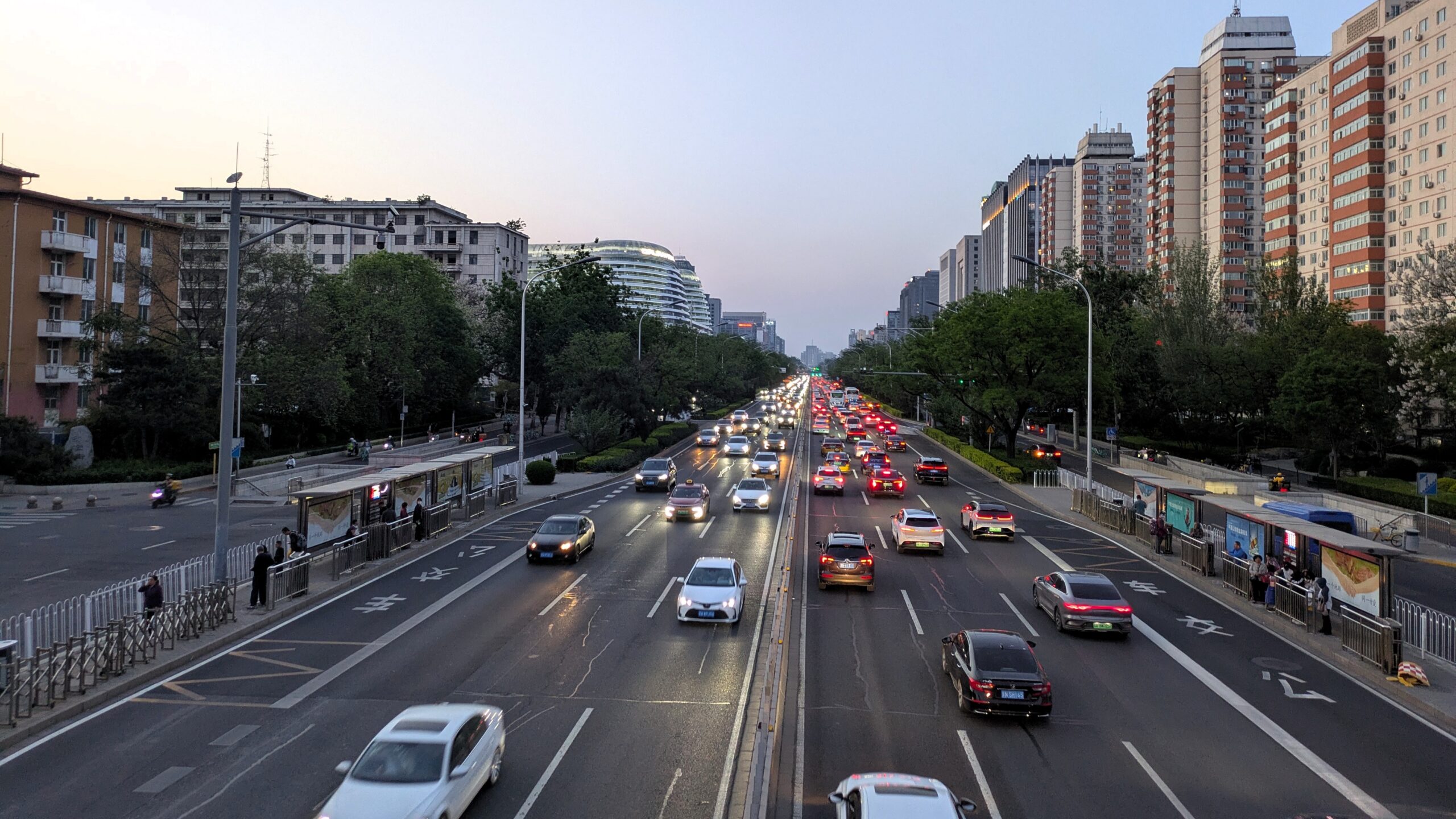
स्रोत इलेक्ट्रिक वाहने आणि सार्वजनिक वाहतूक यांना त्या तिमाहीतील तेल मागणीच्या कथेमधील प्रमुख घटक म्हणून ओळखतो. इंधन वापर तीव्रपणे कमी झाला तरी वाहतूक क्रियाकलाप वाढले, याचा अर्थ हालचाल आणि पेट्रोलियम वापर यांचा परस्पर संबंध आता पूर्वीइतका घट्ट राहिलेला नाही. ज्या देशाचा वाहन बाजार जागतिक विद्युतिकीकरण प्रवाहांच्या केंद्रस्थानी आला आहे, त्यासाठी ही महत्त्वाची घडामोड आहे.
स्रोतामधील अधिक लक्षवेधी दाव्यांपैकी एक म्हणजे तेल वापरावर ईव्हींचा परिणाम फक्त ईव्हींच्या संख्येतील वाढीवरून अपेक्षित असलेल्या परिणामाच्या जवळपास दुप्पट होता. म्हणजेच, परिणाम फक्त अधिक इलेक्ट्रिक कार विकल्या गेल्यामुळे नव्हता. विद्यमान ईव्हींचाही वापर अधिक तीव्रतेने होत असल्याचे दिसते. याचा अर्थ जास्त वापर दर, चालकांचा अधिक विश्वास, किंवा उत्तम चार्जिंग उपलब्धता असा असू शकतो, मात्र दिलेल्या मजकुरात यापैकी कोणता घटक सर्वात महत्त्वाचा होता ते स्पष्ट केलेले नाही.
स्रोत असेही म्हणतो की 2026 च्या पहिल्या सहामाहीत चीनमध्ये ईव्हींमुळे विस्थापित झालेला तेल वापर सहा महिन्यांच्या कालावधीत युनायटेड किंगडमच्या एकूण तेल वापरापेक्षा जास्त होता. ही तुलना प्रमाण दाखवण्यासाठी आहे. यावरून चीनमध्ये ईव्ही स्वीकार हा आता केवळ देशांतर्गत औद्योगिक यशकथा राहिलेला नसल्याचे ठळकपणे दिसते. तो इतका मोठा झाला आहे की जागतिक पातळीवर महत्त्वपूर्ण रीतीने जीवाश्म इंधन मागणीवर परिणाम करू शकतो.
त्याच वेळी, स्रोत म्हणतो की संरचनात्मक बदलांनीच तेल वापरातील घटीचे प्रमाण पूर्णपणे समजावता येत नाही. त्यामुळे वर्तन बदल ही दुसरी मोठी व्याख्या ठरते. या शब्दरचनेतून सूचित होते की पुरवठा खंडित झाल्यावर लोक आणि व्यवसायांनी प्रवास किंवा इंधन वापर कसा केला हे बदलले, आणि त्यामुळे दीर्घकाळ चालू असलेल्या विद्युतिकीकरण प्रवाहावर तात्पुरता थर आला.
कोळसा अजूनही अनिर्णित मर्यादा आहे
जर तेलाची कथा संक्रमणाकडे इशारा करत असेल, तर कोळशाची कथा त्या प्रगतीच्या मर्यादा दाखवते. मजबूत जलविद्युत उत्पादन, सौर आणि पवन क्षमतेतील वाढ, आणि मागणी वाढ मंदावलेली असतानाही कोळसा वीज वाढली, असे स्रोत म्हणतो. यासाठी दिलेले स्पष्टीकरण म्हणजे सौर आणि पवन निर्मितीवरील निर्बंध, कोळशाला अद्याप प्राधान्य देणारा वीज बाजार, आणि कोळसा-वीज क्षमतेतील मोठ्या वाढी.
हे लक्षात आणून देते की नवीकरणीय क्षमता वाढवणे आपोआप जीवाश्म निर्मिती तितक्याच प्रमाणात विस्थापित करत नाही. ग्रिड मर्यादा, बाजार रचना, डिस्पॅच नियम, आणि स्थानिक प्रोत्साहने नवीन स्वच्छ ऊर्जेचा हवामानावर होणारा परिणाम कमी करू शकतात. स्रोत सूचित करतो की पवन, सौर, अणु आणि जलविद्युत यांची भर मजबूत असण्याची अपेक्षा असलेल्या वर्षातही चीनमध्ये हे अडथळे अजूनही मोठे आहेत.
रासायनिक उत्पादनासाठी कोळसा वापराची वार्षिक वाढ 8% वर मंदावली असल्याचेही स्रोत नोंदवतो, जे 2025 मध्ये 15% आणि 2026 च्या पहिल्या तिमाहीत 19% होते. ही अजूनही वाढच आहे, पण मंद गती महत्त्वाची आहे, कारण रसायन हा असा क्षेत्र होता जिथे कोळसा मागणी झपाट्याने वाढेल अशी अपेक्षा होती.
एका तिमाहीतील डेटापेक्षा पुढील योजना अधिक महत्त्वाची असू शकते
स्रोताच्या मते, चीनी नियोजकांनी दुसऱ्या तिमाहीत ऊर्जा-संबंधित अनेक पाच-वर्षीय आराखडा दस्तऐवज जारी केले. या आराखड्यांमध्ये सौर आणि पवन निर्बंधांना तोंड देण्यासाठी नवीन उपाय समाविष्ट होते आणि नवीन कोळसा-वीज प्रकल्प मंजूर करण्यासाठी उच्च निकषांचे संकेत दिले गेले, जरी काहीच नवीन परिमाणात्मक लक्ष्य जोडले गेले.
त्यामुळे मिश्र चित्र तयार होते. वाहतूक विद्युतिकीकरण आणि तणावपूर्ण परिस्थितीत बदललेली इंधन मागणी यांच्या माध्यमातून चीन उत्सर्जन कमी करू शकतो असे दिसते. पण त्याची वीज व्यवस्था अजूनही कोळशाला अशी जागा धरून ठेवू देते जी वाढती नवीकरणीय ऊर्जा अन्यथा काबीज करू शकली असती. त्यामुळे दुसऱ्या तिमाहीतील उत्सर्जन घट ही स्वच्छ यशापेक्षा, प्रगती आणि जडत्व दोन्ही उघड करणाऱ्या तणाव-परीक्षणासारखी दिसते.
ऊर्जा बाजार आणि हवामान धोरणावर नजर ठेवणाऱ्यांसाठी धडा साधा आहे: चीनचा उत्सर्जन मार्ग आता एकाहून अधिक इंधनांद्वारे आकार घेत आहे. ईव्ही स्वीकार आणि सार्वजनिक वाहतूक आधीच आधाररेषा बदलत असताना, तेल मागणी आता इतक्या वेगाने घसरू शकते की ती राष्ट्रीय पातळीवर महत्त्वाची ठरते. हे लाभ टिकतील का हे देश नवीकरणीय क्षमता वाढ प्रत्यक्ष जीवाश्म-इंधन विस्थापनात बदलू शकतो का, की कापलेले उत्पादन आणि समांतर कोळसा विस्तार यांमध्येच अडकून राहतो, यावर अवलंबून असेल.
हा लेख CleanTechnica च्या अहवालावर आधारित आहे. मूळ लेख वाचा.
Originally published on cleantechnica.com