स्वस्त ड्रोन म्हणजेच स्वस्त क्षमता असे नाही
अलीकडील संघर्षांतून धडे आत्मसात करून लहान मानवरहित प्रणालींचा वापर वाढवण्याच्या शर्यतीत असलेल्या अमेरिकन लष्करासाठी एक इशारा दुर्लक्षित करणे अधिक कठीण होत आहे: मोठ्या प्रमाणात खरेदी करणे म्हणजे टिकाऊ लढाऊ मूल्य खरेदी करणे असे नाही. Breaking Defense मध्ये प्रसिद्ध झालेल्या एका मतलेखात असा युक्तिवाद आहे की पेंटागॉन कमी प्रति-युनिट किंमतीला कमी प्रभावी खर्च समजण्याची चूक करू शकतो, विशेषतः अशा क्षेत्रात जिथे प्रतिस्पर्धी जलद प्रतिकारक उपाय विकसित करू शकतात आणि जिथे तंत्रज्ञान चक्र पारंपरिक खरेदी तर्कापेक्षा वेगाने पुढे सरकतात.
हा युक्तिवाद साधा आहे, पण त्याचे परिणाम गंभीर आहेत. जर संरक्षण विभाग अतिशय मोठ्या संख्येने स्वस्त ड्रोन खरेदी करून भविष्यातील वापरासाठी साठवून ठेवत असेल, तर शत्रूचे प्रतिकारक उपाय त्या साठ्याचा मोठा भाग तैनात होण्यापूर्वीच उदयास आले, तर दिसणारी बचत केवळ भास ठरू शकते. लेखात दिलेल्या उदाहरणानुसार, प्रत्येकी $1,000 दराने 100,000 ड्रोन खरेदी करणे पहिल्या नजरेत कार्यक्षम वाटते. पण बदलत्या धोक्यांमुळे इतर 70,000 निष्प्रभ होण्यापूर्वी फक्त 30,000च ऑपरेशनलदृष्ट्या उपयुक्त राहिले, तर उपयुक्त युनिटमागील खरा खर्च झपाट्याने वाढतो.
म्हणजेच, ड्रोन कालबाह्य होण्याची गती साठा वापरला जाण्याच्या गतीपेक्षा वेगवान असेल, तर कमी प्रति-युनिट खर्च आपोआपच प्रति डॉलर चांगले मूल्य देईल, असे लष्कर आता गृहित धरू शकत नाही.
औद्योगिक युगातील खरेदी तर्काचा वेगवान नवोन्मेष चक्राशी सामना
हा मतलेख समस्या ऐतिहासिक संदर्भात मांडतो. औद्योगिक युगाच्या बहुतेक काळात, मोठ्या प्रमाणावरील उत्पादनाने मानकीकरण, विशेषीकरण, समन्वय, आणि प्रमाणन यांना प्रोत्साहन दिले. एकदा साधने, प्रक्रिया, आणि मनुष्यबळ उभे राहिल्यावर, आणखी एक टँक, ट्रक, बॉम्ब किंवा विमान तयार करण्याचा खर्च कमी करण्यास ही तत्त्वे मदत करत. त्यामुळे प्रति-युनिट खर्च कार्यक्षमतेचे उपयुक्त सूचक ठरले आणि लष्करांना सिद्ध हार्डवेअर मोठ्या प्रमाणावर वाढवण्यात मदत झाली.
परंतु लेखाचा युक्तिवाद असा की ही तर्कशैली आता पुरेशी नाही. उत्पादन कृत्रिम बुद्धिमत्ता, डिजिटल अभियांत्रिकी, मॉडेलिंग आणि सिम्युलेशन, आणि एकाच स्थिर डिझाइनशी कमी बांधील असलेल्या साधनांनी आकार घेत असलेल्या वेगळ्या युगात प्रवेश करत आहे. अशा वातावरणात, पुनरावृत्तीपेक्षा लवचिकतेचे मूल्य वेगाने वाढू शकते. धोक्यांमध्ये वेगाने बदल होत असतील, तर जुळवून घेऊ न शकणारी स्वस्त प्रणाली धोरणात्मकदृष्ट्या महाग ठरू शकते, तर थोडी अधिक महाग पण विकसित होऊ शकणारी प्रणाली एकूणात चांगला परतावा देऊ शकते.
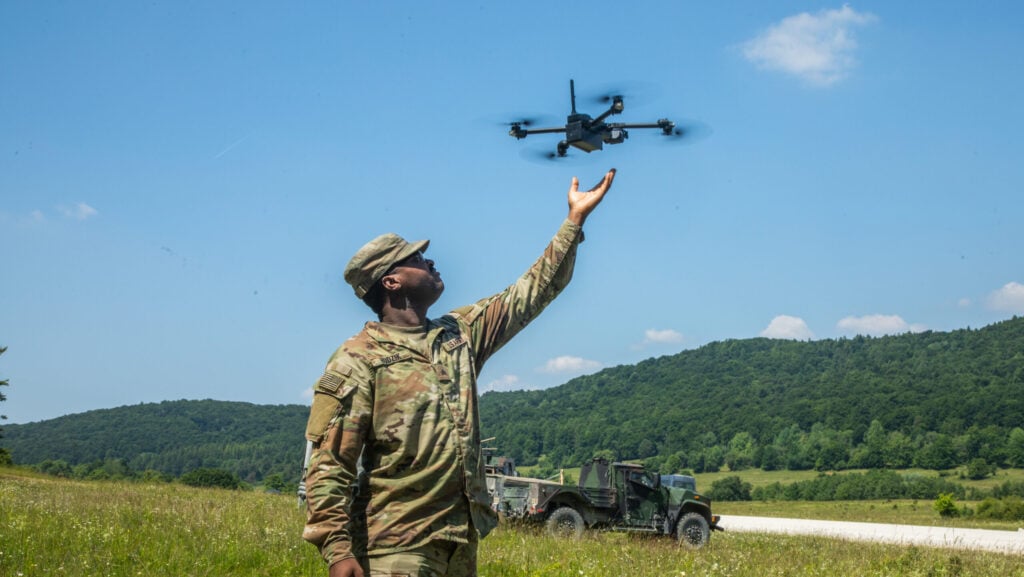
हा बदल विशेषतः लहान ड्रोनसाठी महत्त्वाचा आहे. ते सॉफ्टवेअर, सेन्सर्स, रेडिओ लिंक, स्वायत्तता, आणि पेलोड इंटिग्रेशन यांच्या छेदबिंदूवर असतात. या प्रत्येक स्तराला प्रतिकारक उपायांचे लक्ष्य बनता येते. ड्रोन निरुपयोगी होण्यासाठी त्याचा भौतिक नाश होणे गरजेचे नाही. त्यात जॅमिंग होऊ शकते, स्पूफिंग होऊ शकते, तो खूप सहज शोधला जाऊ शकतो, किंवा संरक्षणात्मक वातावरणातील बदलांमुळे तो मागे पडू शकतो.

कालबाह्यता ही खरेदीची एक चल बनते
मतलेखाचे प्रमुख योगदान म्हणजे कालबाह्यतेला दुर्दैवी नंतरची बाब न मानता, सुरुवातीलाच नियोजन करण्यासारखी खर्च-श्रेणी मानणे. पारंपरिक खरेदीत अनेकदा उलटी समज असते: मोठ्या प्रमाणात खरेदी करा, खर्च कमी करा, आणि स्केलवर अवलंबून राहा. लहान ड्रोनसाठी हे उलटे पडू शकते, कारण मोठ्या प्रमाणावर साठवणूक केल्यास विभाग अशा हार्डवेअरमध्ये अडकू शकतो जे भौतिक झीज होण्यापूर्वीच तांत्रिकदृष्ट्या जुनं होतं.
त्यामुळे पेंटागॉनने मूल्य कसे पाहावे हे बदलते. संबंधित मापदंड फक्त एअरफ्रेमचा खर्च नाही. तो म्हणजे कालांतराने उपयुक्त रणांगणीय परिणामासाठीचा खर्च. कागदावर स्वस्त पण शत्रूच्या जुळवून घेण्यामुळे लवकर निष्प्रभ होणारा ड्रोन, अधिक लवचिक आणि उच्च स्टिकर किंमत असलेल्या प्रणालीपेक्षा वाईट ठरू शकतो. त्या अर्थाने, कालबाह्य ड्रोनने भरलेला गोदाम हा लढाऊ शक्तीचा साठा नाही. तो बदलाच्या वेगासमोर टिकू न शकलेल्या खरेदी-गृहितकांची नोंद आहे.
हा इशारा राजकीय आणि प्रशासकीय प्रवृत्तीच्या विरुद्धही जातो. संकटाच्या काळात प्रमाण सांगणे सोपे असते. मोठी संख्या तयारी, औद्योगिक गती, आणि कृतीचा संकेत देते. पण जर विकत घेतलेल्या प्रणाली आजच्या धोक्याच्या चित्रानुसार ऑप्टिमाइझ केलेल्या असतील आणि बदलासाठी फारशी जागा नसेल, तर प्रमाण नाजूकपणा झाकू शकते.
फक्त प्रमाण नव्हे, तर जुळवून घेण्याच्या क्षमतेचा मुद्दा
जरी दिलेला मजकूर पूर्ण युक्तिवाद नसला, तरी तो व्यापक खरेदी तत्त्वाकडे निर्देश करतो: वेगाने बदलणाऱ्या ड्रोन बाजारात पुनरावृत्ती पुरेशी नाही. मानवरहित प्लॅटफॉर्म बनवण्यासाठी वापरल्या जाणाऱ्या प्रणाली, साधने, आणि प्रक्रिया जलद पुनर्रचना आणि टप्प्याटप्प्याने अद्ययावत करण्याच्या चक्रांना पाठबळ देऊ शकतील अशा असाव्या लागतील. याचा अर्थ डिजिटल अभियांत्रिकी, मॉड्युलॅरिटी, आणि खर्च शिस्त न मोडता बदल आत्मसात करू शकणाऱ्या उत्पादन पद्धतींची मोठी भूमिका असणे आवश्यक आहे.
संरक्षण खरेदीसमोरील आव्हान म्हणजे प्रमाण आणि जुळवून घेण्याची क्षमता वेगवेगळ्या दिशांनी खेचू शकतात. मानकीकरणाने स्केल वाढतो, पण अति-मानकीकरण डिझाइन गोठवू शकते. प्रमाणन विश्वास वाढवते, पण दीर्घ प्रमाणन पुनरावृत्तीची गती कमी करू शकते. विशेषीकरण कार्यक्षमता निर्माण करते, पण अतिशय विशेषीकरण सुधारणा अवघड करू शकते. उदयाला येणारे काम म्हणजे ही औद्योगिक तत्त्वे सोडून देणे नाही. महिन्यांत कालबाह्य होऊ शकणाऱ्या प्रणालींच्या वर्गासाठी त्यांना पुन्हा संतुलित करणे हे आहे.
त्याचा अर्थ स्वस्त ड्रोन वाईट गुंतवणूक आहेत असा होत नाही. त्यांचा उपयोग किती वेगाने कमी होऊ शकतो, यापासून वेगळे करून त्यांचे मूल्यांकन करू नये, इतकेच त्यातून सूचित होते. लेखाचा मुद्दा प्रमाणविरोधी नाही; आत्मसंतुष्टीविरोधी आहे. कमी खरेदी किंमतच मूल्याचा अंतिम निर्णय आहे, असा समज सोडावा, असे तो खरेदी नियोजकांना सांगतो.
हे आत्ता का महत्त्वाचे आहे
या मतलेखामागील तातडीची भावना यावरून येते की लहान ड्रोन आधुनिक लष्करी नियोजनासाठी किती मध्यवर्ती झाले आहेत. युक्रेन आणि गल्फमधील संघर्षांनी देखरेख, लक्ष्यीकरण, हल्ला, आणि ड्रोन-विरोधी ऑपरेशन्ससाठी कमी किमतीच्या, व्यापक पसरू शकणाऱ्या प्रणालींबद्दलची रसिकता वाढवली आहे. त्या वातावरणामुळे जलद खरेदी आणि मोठ्या प्रमाणात खरेदी करण्याचा दबाव येतो. लेख प्रमाणाची गरज मान्य करतो, पण वेगवान कालबाह्यतेची योजना नसताना प्रमाण वाया जाऊ शकते, असे ठामपणे सांगतो.
हा फक्त बजेटचा प्रश्न नाही. तो तत्परतेचाही प्रश्न आहे. आपल्याकडे मोठ्या प्रमाणावर उपयुक्त मानवरहित प्रणाली आहेत, असा विश्वास ठेवणाऱ्या दलाला खूप उशिरा कळू शकते की त्यांच्या साठ्याचा मोठा भाग व्यावहारिकदृष्ट्या अप्रासंगिक झाला आहे. त्या वेळी लष्करासमोर वाईट पर्याय उरतात: हार्डवेअर टाकून देणे, त्याचे रीट्रोफिटिंग करण्यासाठी खर्च करणे, किंवा तीव्रपणे कमी झालेल्या युद्धक्षेत्रीय मूल्यासह प्रणाली तैनात करणे.
मोठा धडा असा की ड्रोन खरेदी ही पारंपरिक साठवणूक म्हणून नव्हे, तर व्यवस्थापित तंत्रज्ञान पाइपलाइन म्हणून पाहावी लागेल. सोडवायची समस्या फक्त दहा-हजारो युनिट्स कशा तयार करायच्या, ही नाही. प्रत्यक्षात समस्या ही आहे की प्रतिस्पर्धी त्यांना हरवण्याचे मार्ग सक्रियपणे शिकत असताना उपयुक्त क्षमता कशी टिकवायची.
जर हा आधार बरोबर असेल, तर पेंटागॉनच्या ड्रोन मोहिमेचे यश किंवा अपयश उत्पादन संख्यांपेक्षा अधिक गोष्टींवर अवलंबून असेल. या बाजारात सर्वात स्वस्त युनिट हीच सर्वात कमी खर्चिक क्षमता असेलच असे नाही, हे खरेदी प्रणाली ओळखू शकतात का, यावर ते ठरेल. लपलेली किंमत म्हणजे कालबाह्यता, आणि गोदामे भरायला सुरुवात होण्यापूर्वीच तिच्यासाठी बजेट ठेवायला हवे, असा या मतलेखाचा युक्तिवाद आहे.
हा लेख Breaking Defense च्या रिपोर्टिंगवर आधारित आहे. मूळ लेख वाचा.
Originally published on cleantechnica.com