Good morning. Here's your Developments Today weekly brief for the week of November 9 – November 15, 2026.
This week, the dominant themes were medicine’s push toward earlier, more precise intervention, and AI’s growing reach from emergency rooms and factories to kitchens and copyright law. Across science, health, and industry, the biggest question was not simply what technology can do, but how confidently—and responsibly—we can act on the evidence.
In health, a study of nearly 200,000 adults aged 65 and older linked high-dose flu vaccination with a nearly 55 percent lower risk of Alzheimer’s disease. The finding is an association, not proof that the vaccine prevents Alzheimer’s, but it adds to interest in how immune health may shape brain aging.
That focus on earlier detection also appeared in emergency care. NYU Langone researchers reported that an AI system analyzing routine trauma narratives flagged all 30 patients in a comparison group who later developed PTSD, suggesting information already collected during intake could help target follow-up support.
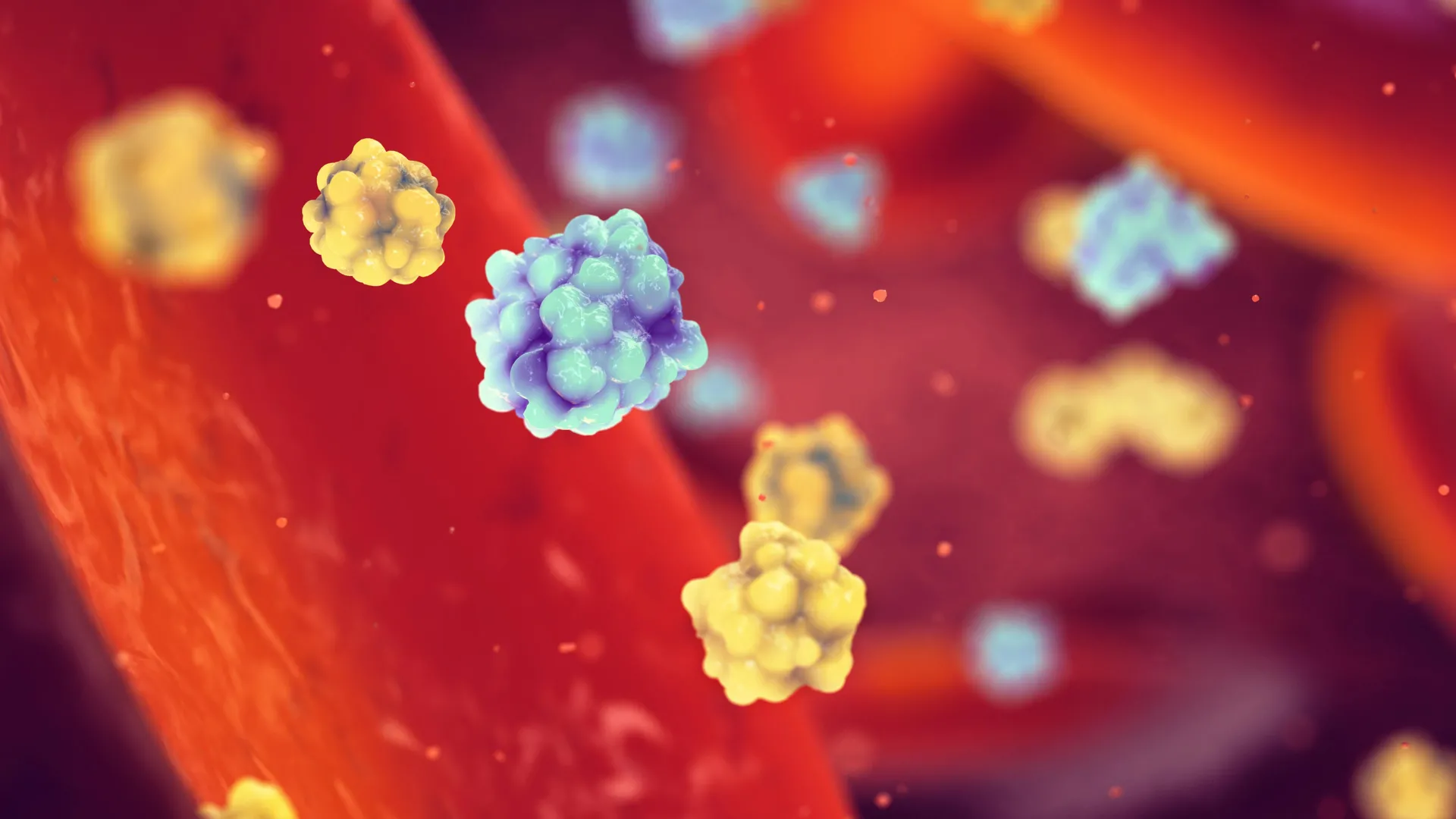
Other promising therapies came with important limits. A Cambridge-led mouse study found a temporary mRNA treatment improved heart pumping by roughly 10 percent after experimental heart-attack damage, while an early multicenter trial of the 16-strain microbiome therapy SER-155 found fewer bloodstream infections in stem-cell transplant recipients and no treatment-related side effects.
Meanwhile, researchers identified Miro1 as a potential driver of insulin resistance in skeletal muscle; exercise lowered its levels in a randomized human trial. Together, these studies reflect a broader shift toward treatments tailored to biological mechanisms—but most still need larger, longer human studies.
That evidentiary caution mattered in cancer care as well. The randomized ASAC trial found aspirin did not prevent recurrence after treated colorectal cancer liver metastases, challenging expectations built on earlier observational research.
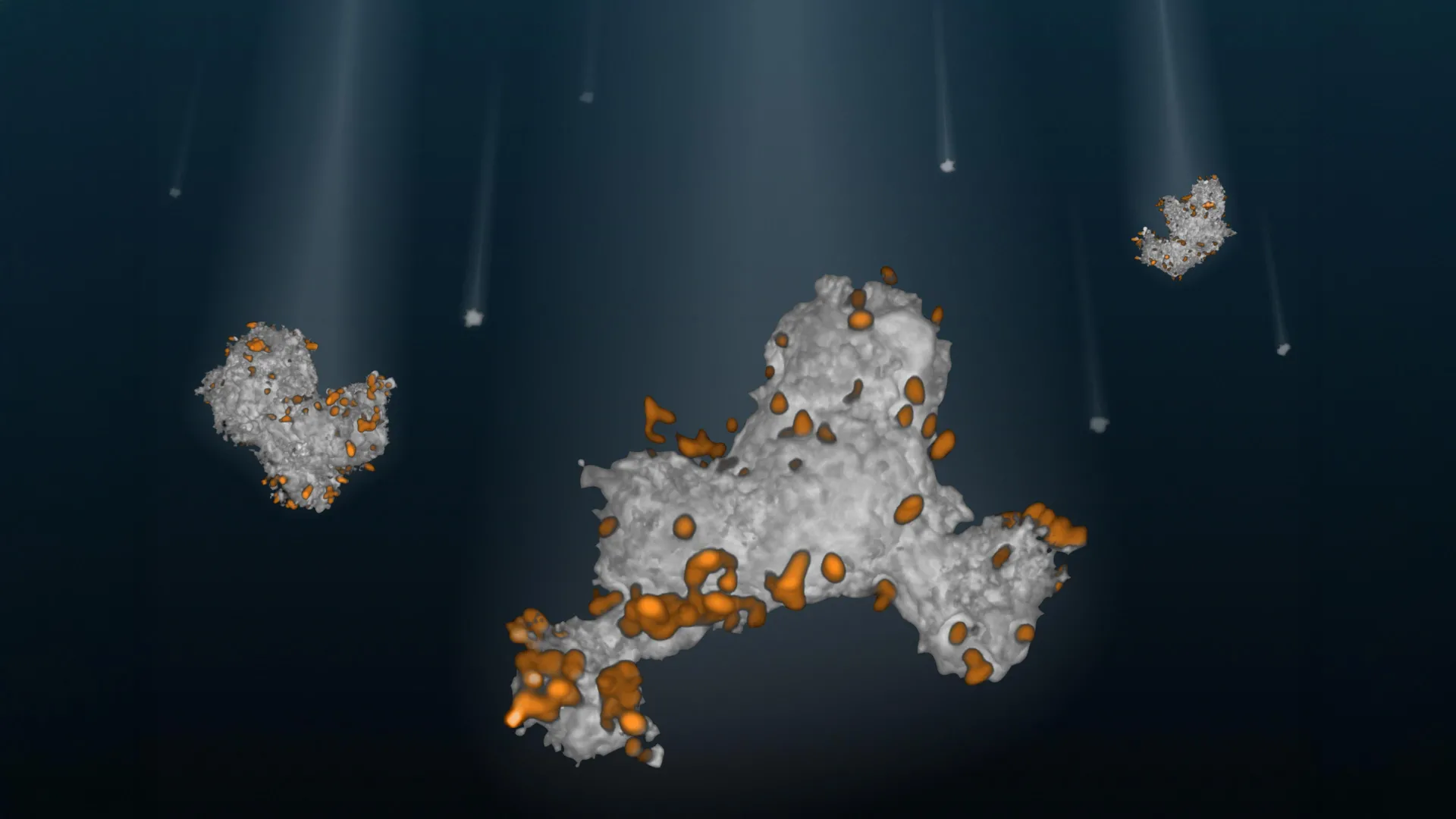
In environmental science, researchers found that the stickiest forms of marine snow can carry more than six times as much carbon into the deep ocean as less viscous particles. It is a reminder that small-scale biological properties can influence a planet-scale carbon sink.
Colombian fossils offered a longer historical perspective on change. The Paja Formation suggests declining and emerging marine lineages coexisted amid warm seas, high sea levels, and new ocean connections—a proposed evolutionary “Biotic Inflection,” rather than a mass extinction.
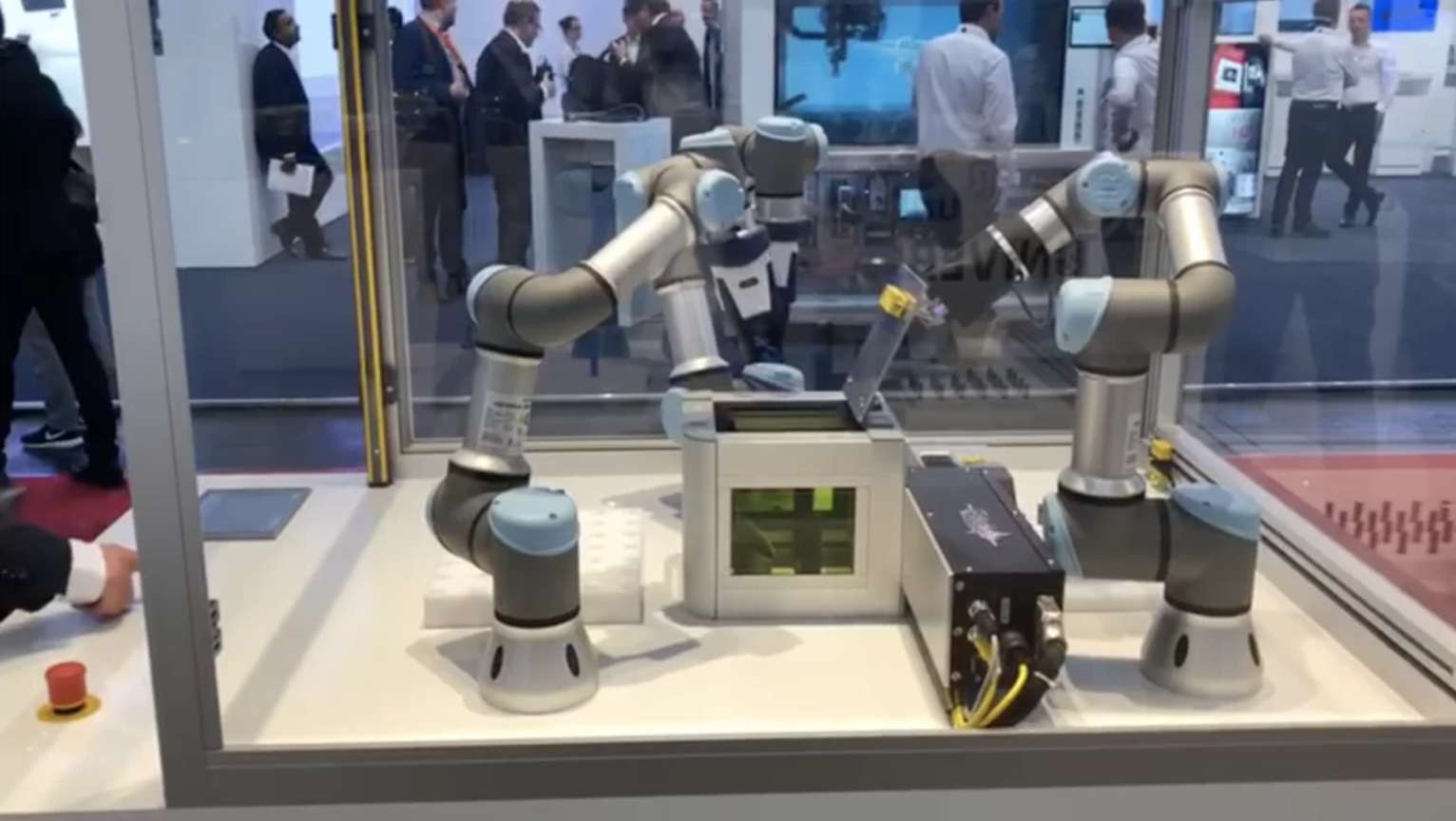
In industry, compact robots, cobots, sensors, and AI-enabled systems are bringing high-precision automation within reach of midmarket manufacturers, reducing changeover time and lowering barriers to adoption. The through-line is accessibility: technologies once reserved for large institutions are moving into everyday operations.
But public acceptance remains uneven. The New York Times’ iOS beta for AI recipe modification drew sharp subscriber backlash despite a reviewer finding it mostly useful, while rights holders connected to Elvis Presley and Eminem sued Suno over alleged AI-generated music and lyric clones. Those disputes show the same AI expansion colliding with trust, authorship, and control.
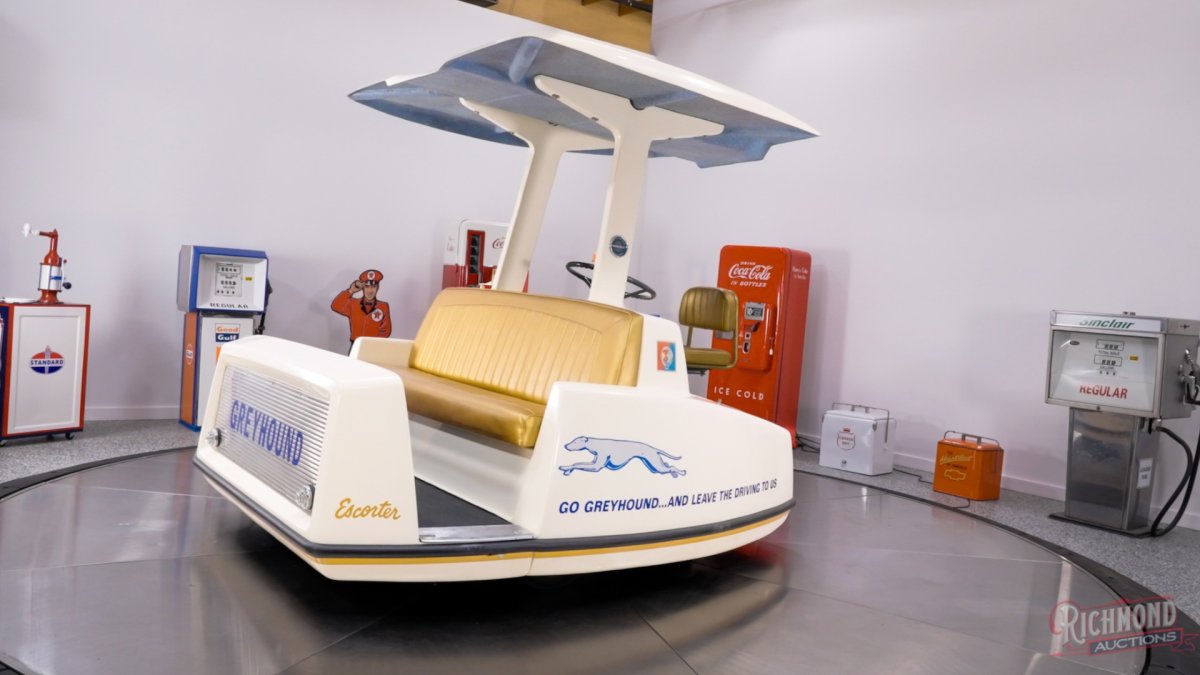
And Greyhound’s 1964 three-wheeled Escorter, built for the World’s Fair, looks strikingly modern in retrospect: an open-air, short-trip vehicle with a taxi-like model that anticipated today’s last-mile mobility debate.
That's your weekly brief. Stay curious.