The Army is adding an older Patriot interceptor back into the mix
The U.S. Army is buying new PAC-2 GEM-T Patriot missiles for the first time in more than three decades, according to comments by Raytheon executives during the company’s second-quarter earnings call. The order marks a notable shift in how the Pentagon is managing one of its most important air and missile defense systems at a moment when demand for interceptors is climbing sharply.
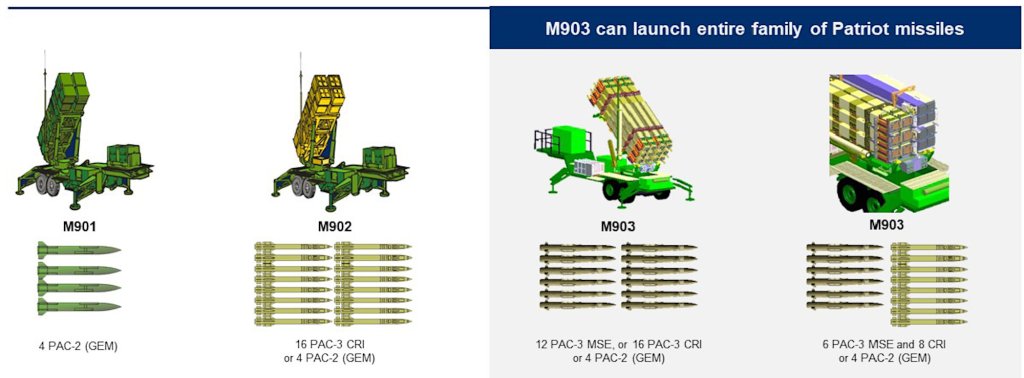
Raytheon said the company booked more than $5 billion in GEM-T Patriot effectors, driven largely by international customers, and that those awards also included its first domestic GEM-T production order in over 30 years. That statement matters because the PAC-2 line has long sat behind the newer PAC-3 family in attention and procurement priority. PAC-3 interceptors are generally regarded as more capable, but the Army now appears to be prioritizing available capacity and inventory depth as much as pure performance.
The move comes amid growing concern about the adequacy of U.S. stockpiles of high-end air defense munitions. Those concerns have been building for years, but they have intensified as the United States supports partners abroad while also watching its own readiness requirements. The War Zone report ties the latest alarm specifically to the conflict with Iran, while also noting continued demand generated by the war in Ukraine and wider threat perceptions centered on Russia and China.
What Raytheon disclosed
During the earnings call, Raytheon CEO Christopher Calio said the company booked nearly $20 billion in awards in the quarter, producing a book-to-bill ratio of 2.4. Within that total were Patriot-related awards that underscore how central missile defense has become to the company’s backlog and to current military planning.
The most striking detail was not the size of the overall Patriot business, but the fact that a domestic PAC-2 order has reappeared at all. Raytheon is the prime contractor for the Patriot system and for the PAC-2 interceptor. Lockheed Martin leads the separate PAC-3 family. In practical terms, that means the Army is not simply buying more of what it already preferred most recently; it is widening the procurement base inside the Patriot ecosystem.
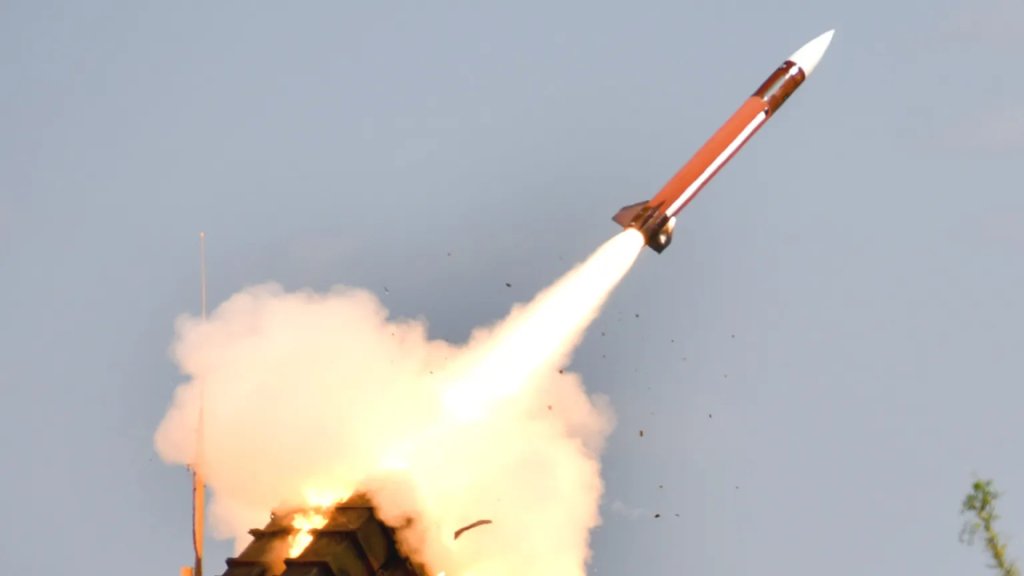
The report indicates that Calio did not elaborate on the domestic order in detail, but it appears to correspond to a contract modification awarded by the Army in April 2026. That deal was valued at roughly $441.6 million and was described as being in support of Operation Epic Fury against Iran. If that linkage is correct, the Army is effectively pulling PAC-2 GEM-T missiles from an active production stream rather than waiting for a future procurement cycle built around an ideal mix of interceptor types.
Why the older interceptor is back
The PAC-2 GEM-T is not generally treated as the most advanced Patriot missile available, and that is exactly why this procurement decision stands out. In a lower-pressure environment, the Army might be expected to concentrate new spending on newer interceptors. But current conditions appear to be forcing a different calculation.
One factor is scale. Global demand for Patriot systems and interceptor missiles is running high. Countries facing direct regional threats want more air and missile defense, and governments already operating Patriot batteries are looking to deepen their magazines. The result is pressure across production lines, lead times, and industrial capacity. Buying PAC-2s allows the Army to add rounds through an existing line at a time when every available interceptor matters.
Another factor is timing. The report suggests the Army may be taking missiles effectively “straight off” Raytheon’s production line. That implies urgency. When inventories are under strain, the military often places a premium on what can be delivered sooner rather than on what would be theoretically optimal in a stable planning environment.
There is also a broader strategic logic. Patriot has experienced a renaissance in recent years as the air and missile threat has changed. The system is no longer framed only around traditional aircraft or a narrow class of ballistic threats. It now sits inside a much larger defense conversation shaped by drones, cruise missiles, layered strike campaigns, and the possibility of simultaneous regional crises. In that setting, magazine depth becomes a strategic attribute in its own right.
What this says about U.S. readiness
The reappearance of a PAC-2 order is a signal about U.S. defense planning as much as it is a procurement story. It suggests the Army is thinking less in terms of a clean modernization path and more in terms of sustaining volume under stress. That is a familiar pattern when wartime consumption, allied demand, and deterrence requirements begin to collide.
It also highlights a persistent defense-industrial problem: the most capable systems do not matter much if they cannot be produced in sufficient quantity or delivered on the required timeline. Air defense networks depend on a steady flow of interceptors, and those stocks can be depleted faster than peacetime assumptions once multiple theaters are involved.
The Army’s decision does not necessarily mean PAC-2 will displace PAC-3 in future planning. The more plausible reading is that the service is trying to expand flexibility. If PAC-3 remains the preferred option for some missions, PAC-2 can still help cover demand, preserve stockpiles, and keep batteries supplied. That kind of mixed procurement can be imperfect from a modernization standpoint but rational from a readiness standpoint.
Patriot’s wider moment
More broadly, the Patriot system is enjoying an unusually strong period of relevance. Demand is being driven not by one customer or one region, but by a wide set of security concerns. The Middle East remains volatile. Ukraine continues to require advanced air defense support. Concerns about major-power conflict in Europe and the Indo-Pacific are reshaping how countries think about missile defense capacity and procurement timelines.
That wider context helps explain why older interceptors are suddenly attractive again. Defense ministries are not operating in an abstract technology competition alone. They are balancing cost, availability, production throughput, compatibility, and urgency. Under those conditions, older does not necessarily mean obsolete. It can mean available, scalable, and good enough to matter now.
For Raytheon, the order reinforces the strength of Patriot as a business line. For the Army, it underscores a harder reality: the demand signal for air defense has grown faster than ideal supply. Buying PAC-2 GEM-T missiles again is therefore less a nostalgic return than a pragmatic response to an overstretched security environment.
Key takeaways
- Raytheon says the U.S. military placed its first domestic PAC-2 GEM-T production order in more than 30 years.
- The apparent April 2026 Army contract was valued at about $441.6 million and linked in the report to Operation Epic Fury against Iran.
- The purchase reflects pressure on U.S. interceptor stockpiles and unusually strong global demand for Patriot systems.
- The decision points to a readiness-driven approach that values available production capacity alongside interceptor capability.
This article is based on reporting by twz.com. Read the original article.
Originally published on twz.com