Attack Reported Near a Critical Shipping Route
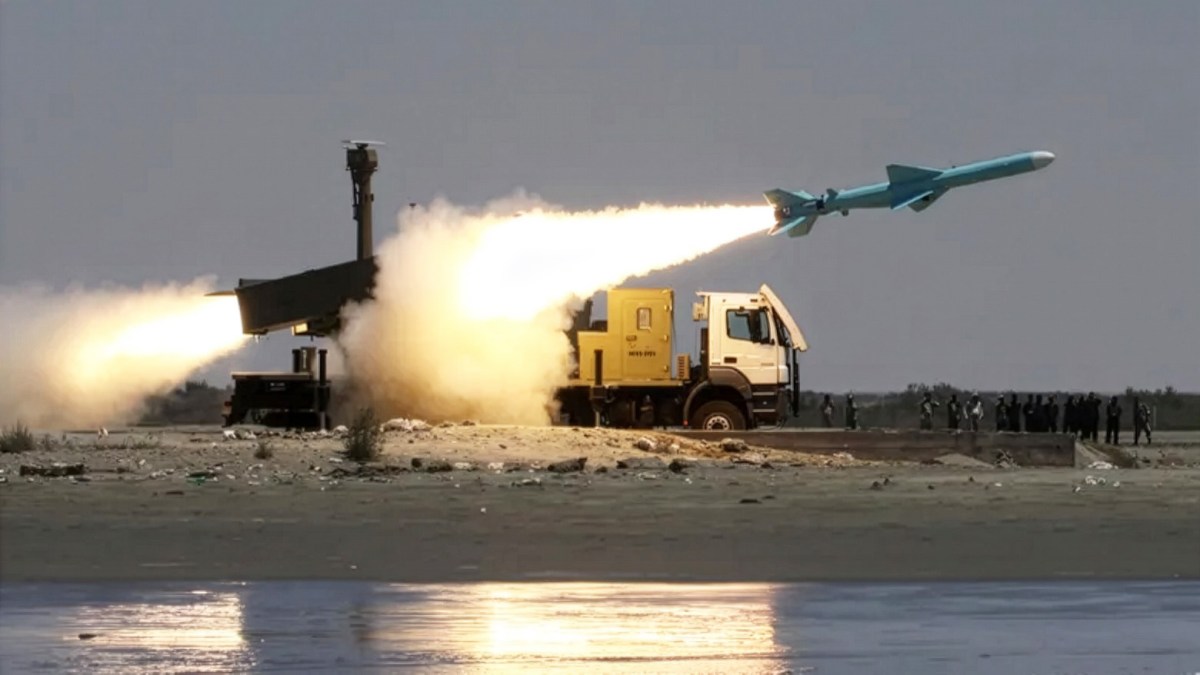
Red Sea shipping risks intensified on July 22 after Yemen’s Houthi movement said it had attacked two Saudi oil tankers in waters linked to one of the world’s most important energy corridors. The group said the vessels had violated a ban it had imposed on Saudi shipping in the Red Sea and claimed the operation used ballistic missiles, cruise missiles, and drones.
What is independently confirmed so far is narrower than the Houthi account. The United Kingdom Maritime Trade Operations, or UKMTO, said the master of an oil tanker reported being struck by an unknown projectile about 70 nautical miles southwest of Al Shuqaiq, Saudi Arabia. According to the UKMTO notice, the strike caused a fire on board that the crew was fighting. It added that there were no reported casualties and no environmental impact, and that authorities were investigating.
That distinction matters. The Houthi statement describes a coordinated attack on two Saudi tankers and says both were set ablaze. The UKMTO report confirms an incident involving at least one oil tanker, but it does not identify the attacker and does not validate the full Houthi claim. Even with that uncertainty, the incident marks a serious escalation because it appears to extend pressure beyond general maritime disruption and toward ships tied directly to Saudi oil transport.
Why the Red Sea Matters
The Red Sea is not just another regional waterway. It is part of the route linking the Bab al-Mandeb Strait to the Suez Canal, a corridor used for energy exports, container traffic, and trade between Asia, Europe, and the Middle East. When threats rise there, the consequences can travel quickly through freight pricing, insurance markets, rerouting decisions, and crude supply expectations.
The Houthis had already declared the Bab al-Mandeb closed to Saudi vessels, according to the source material. If that warning is backed by more direct attacks, shippers and energy traders will have to weigh a higher operational risk in one of the world’s key maritime chokepoints. A successful strike on even a single tanker can have effects beyond the damaged ship itself. Operators may slow transit, seek escorts, delay departures, or reroute traffic, all of which add cost and uncertainty.
The source text frames the development as carrying major energy supply implications, and the reason is straightforward. Oil markets do not need a total shutdown to react. They respond to elevated probability of disruption. A fire aboard a tanker, a new category of target, or an expanded threat zone can all force the industry to price in additional danger.
What the Houthis Claimed
In their public statement, the Houthis said they targeted two Saudi oil tankers that had ignored their declared maritime ban. They described the action as a significant military operation and said the strikes were accurate. The group further claimed the attack caused a large fire on both vessels and forced 10 ships to turn back.
Those details remain unverified in the supplied reporting. Still, the substance of the claim is notable because it combines three elements: a declared maritime restriction, a direct strike on energy shipping, and an assertion that the attack altered the behavior of nearby vessels. Even if only part of that account proves accurate, it suggests an attempt to convert political messaging into operational control over movement through the area.
That would represent a meaningful shift. Harassment of shipping can impose costs. Interference with oil tankers tied to a major producer threatens to do more by pulling energy security into the center of the confrontation. It also raises the stakes for regional navies, port operators, insurers, and governments trying to keep commercial traffic moving.
Regional Tensions Were Already Rising
The reported strike did not happen in isolation. The source text places it amid broader regional friction involving Iran, the Strait of Hormuz, and US threats of retaliation. President Donald Trump, according to the supplied article, had warned that the United States would respond forcefully if Iran hit ships transiting Hormuz. The same source says he also threatened retaliation after a July 17 attack on Muwaffaq Salti Air Base in Jordan that killed three US Army soldiers.
That wider context matters because maritime security incidents in the Red Sea and pressure around Hormuz are not separate in strategic terms. Both routes sit at the center of global energy movement. Instability in one raises concern about the resilience of the other. When both are under stress at the same time, the cumulative effect is larger than any single incident.
The Houthis’ move, or claimed move, therefore lands at a moment when the region is already operating with little margin for miscalculation. Any follow-on attacks, misidentification at sea, or retaliatory action could accelerate the situation quickly. Even absent a broader military exchange, uncertainty alone can reshape shipping behavior.

What Comes Next
The immediate next step is verification. Investigators will need to determine what struck the tanker, whether more than one vessel was hit, and whether the attack matches the weapons and sequence the Houthis described. The operational picture also depends on whether commercial traffic in the area begins to change in visible ways over the coming days.
For markets and policymakers, the central issue is not only damage assessment but trend assessment. A single incident can be absorbed. A new pattern of attacks on oil shipping is much harder to dismiss. If tankers associated with Saudi exports are now being singled out, the Red Sea risk profile changes materially.
For now, the most solidly supported facts are limited but significant: an oil tanker reported being hit by an unknown projectile in the Red Sea, a fire broke out on board, no casualties or environmental damage were reported, and the Houthis publicly claimed responsibility for a broader strike on two Saudi oil tankers. In a region where shipping security already carries global economic weight, that is enough to put energy and maritime observers on alert.
This article is based on reporting by twz.com. Read the original article.
Originally published on twz.com