A Ukrainian intelligence report is sharpening the debate over what Russia’s Zircon missile really is
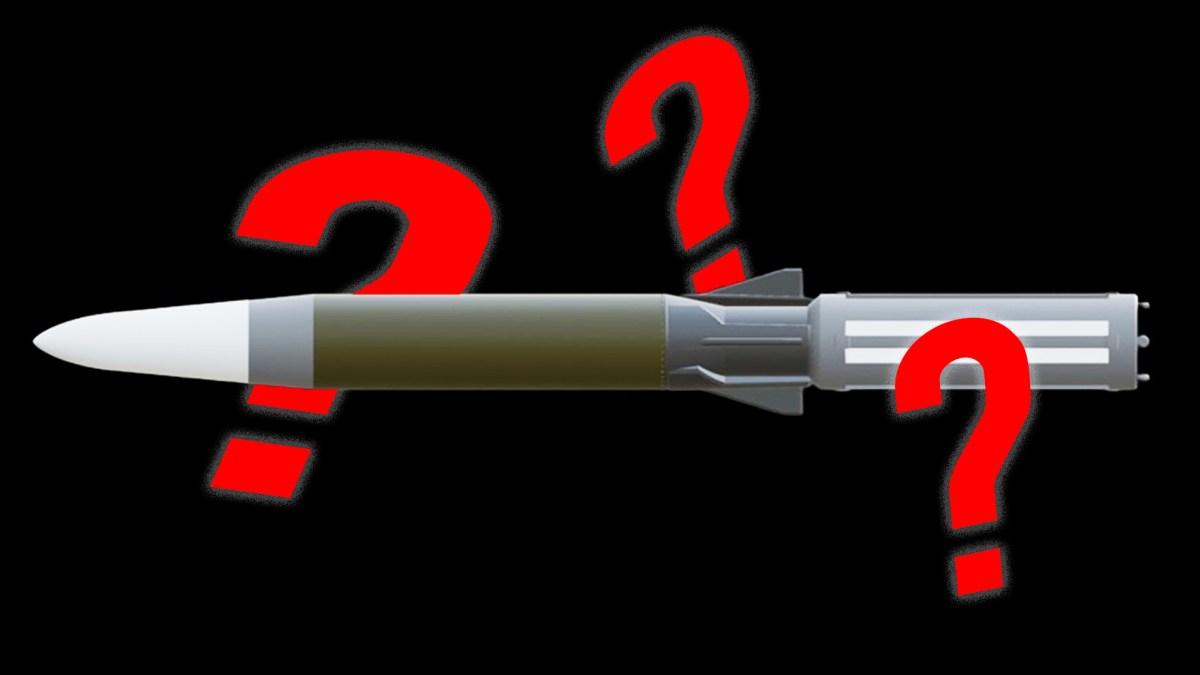
A newly published assessment from Ukraine’s military intelligence service is offering one of the most detailed public looks yet at Russia’s 3M22 Zircon missile. The report does more than catalogue parts and suppliers. It also strengthens a growing argument that Zircon may not be a true hypersonic cruise missile after all, but instead a maneuverable quasi-ballistic weapon that has been described differently for years.
That distinction matters. Zircon has occupied an outsized place in discussions of Russian missile technology because it has often been framed as one of Moscow’s most advanced high-speed strike systems. If the missile’s flight profile and architecture differ from that long-standing description, it changes how analysts think about its performance, survivability, launch methods, and strategic role.
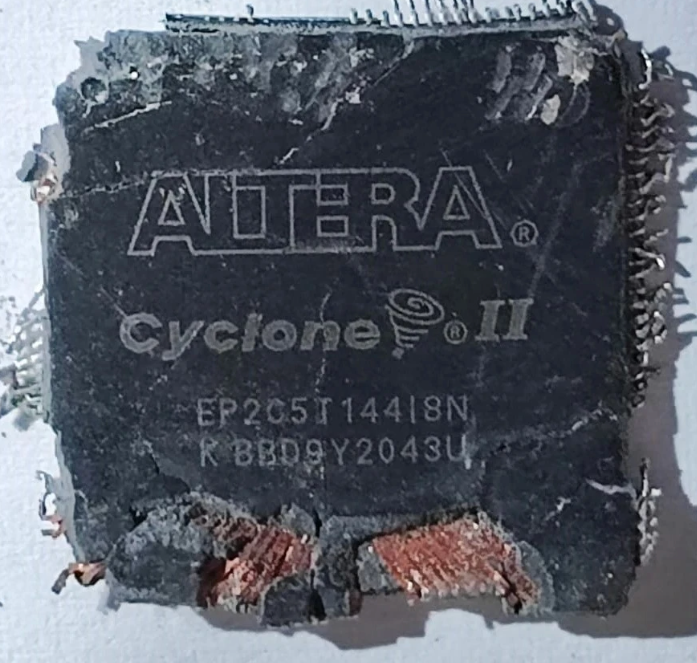
According to coverage of the Ukrainian report, the new material maps a production chain involving 70 enterprises and 84 individuals. It also identifies foreign-origin electronics, including components said to come from the United States, inside the weapon. Together, those disclosures point to both the complexity of the program and the degree to which advanced missile production can still depend on an international supply web, even under sanctions pressure.
What the report says about Zircon
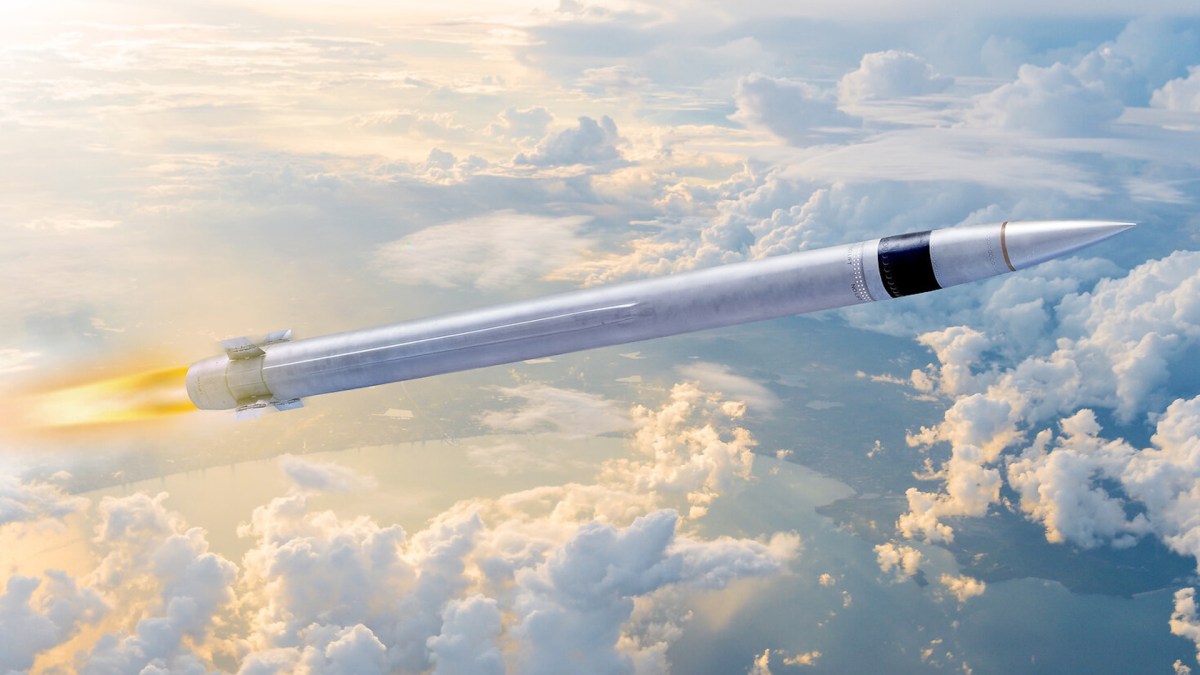
The most notable claim in the assessment is not that Zircon exists or has been used, but that its underlying design may fit a different category than Russia’s public description suggests. The report, as summarized by The War Zone, adds weight to the theory that Zircon is a maneuverable quasi-ballistic missile rather than a conventional hypersonic cruise missile.
That is an important analytical shift. A hypersonic cruise missile is generally understood to sustain high-speed atmospheric flight using aerodynamic lift and powered propulsion through much of its trajectory. A quasi-ballistic missile, by contrast, follows a trajectory that is closer to ballistic flight while retaining the ability to maneuver. Both can be hard to intercept, but they present different technical and operational questions.
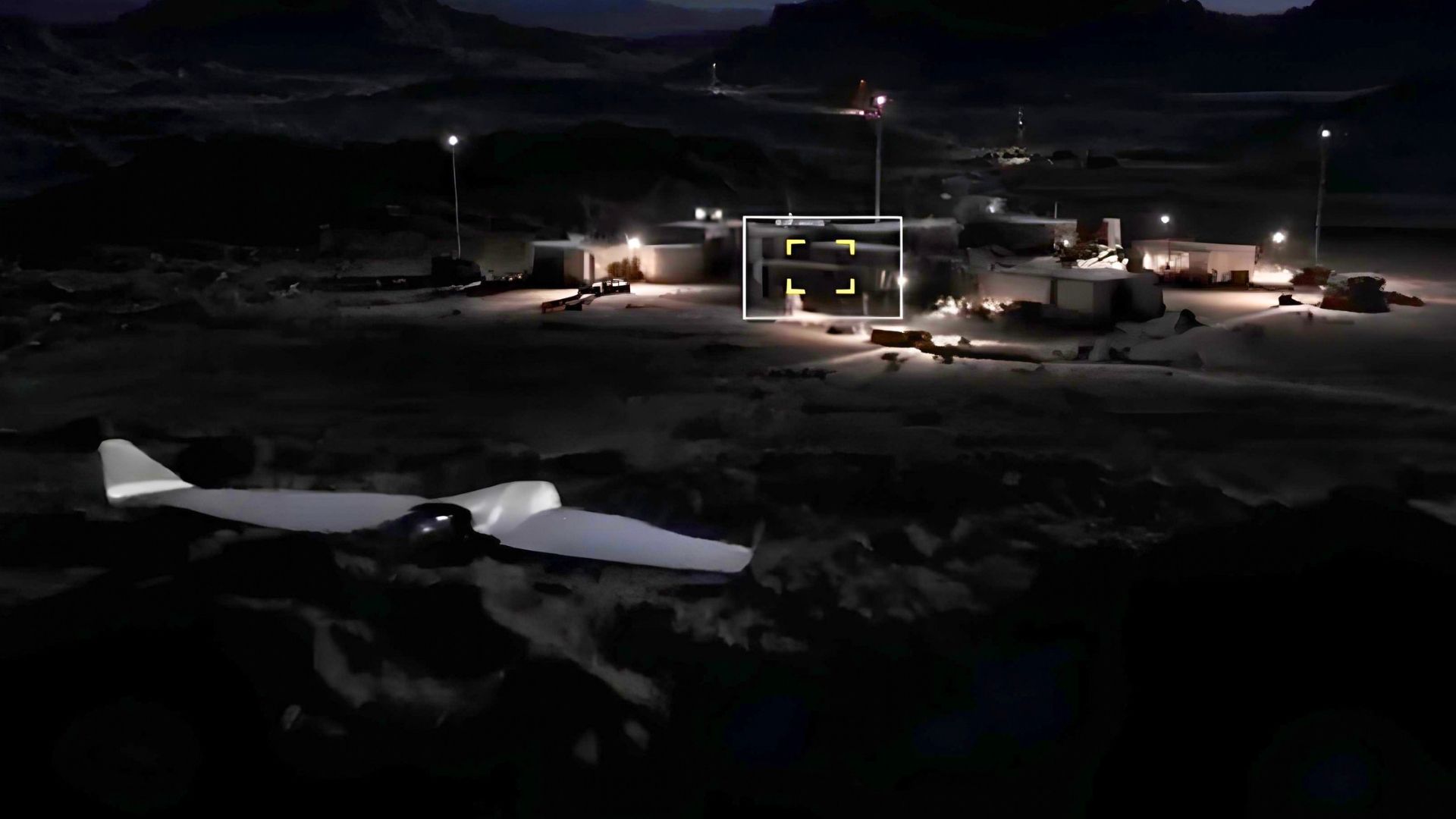
The Ukrainian material appears to support its case by presenting a component-level breakdown of the missile, including references to the radar seeker, onboard computer, propulsion system, and warhead. The report also includes an interactive 3D model, suggesting an effort not just to publicize the claim but to document the system in a way that can be examined piece by piece.
Why this matters beyond terminology
This is not merely a naming dispute. The way a missile is classified shapes expectations about how it is launched, how it travels, how it evades defenses, and what infrastructure is needed to produce and deploy it. A reinterpretation of Zircon as quasi-ballistic would suggest that some previous assumptions about its operational profile may need revision.
That matters for military planners and sanctions officials alike. For planners, flight profile affects warning time, tracking behavior, and the kinds of defenses likely to be effective. For sanctions and export-control investigators, a clearer picture of the missile’s internal systems can help identify vulnerable points in the manufacturing chain and expose which foreign components remain accessible to Russian defense programs.
The report’s publication also signals something broader: intelligence agencies are increasingly using public documentation as part of wartime pressure campaigns. By naming companies, individuals, and foreign-sourced components, Ukraine is not only informing observers but also attempting to generate diplomatic, legal, and commercial consequences for the networks behind the weapon.
Combat use and launch questions
The report arrives with more historical context than earlier public discussions of Zircon. The first evidence of the missile’s combat use emerged in February 2024, when Ukrainian officials displayed recovered debris after a Russian strike. According to the report summary, that wreckage included distinctive engine and steering-system components that specialists used to identify the weapon.
Ukraine has since said Zircon was used again. Authorities reported that one was launched from occupied Crimea during a major missile and drone attack in January 2026. Those incidents have given analysts more material to examine and have gradually shifted the discussion from abstract claims about a secretive missile to evidence drawn from battlefield recovery.
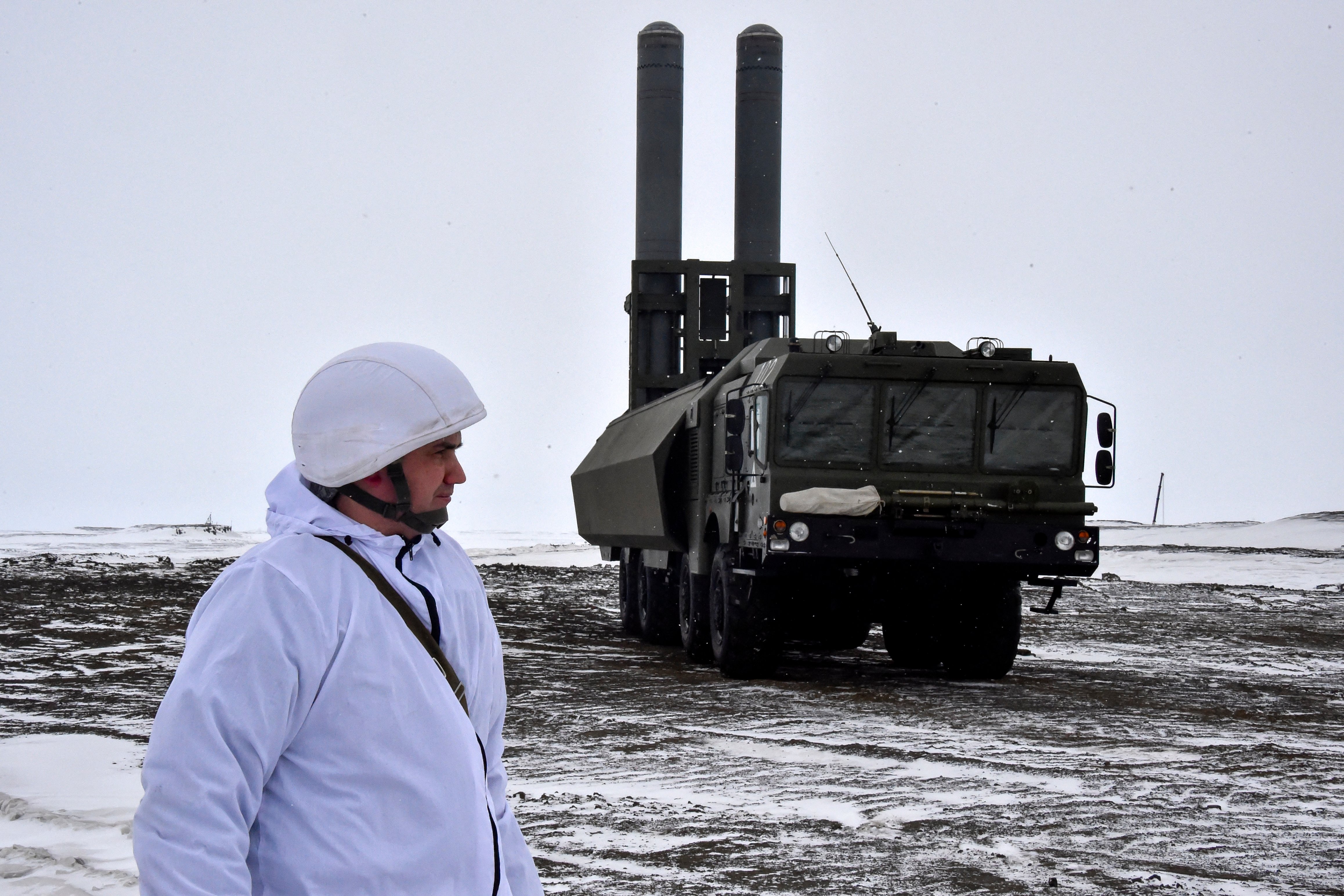
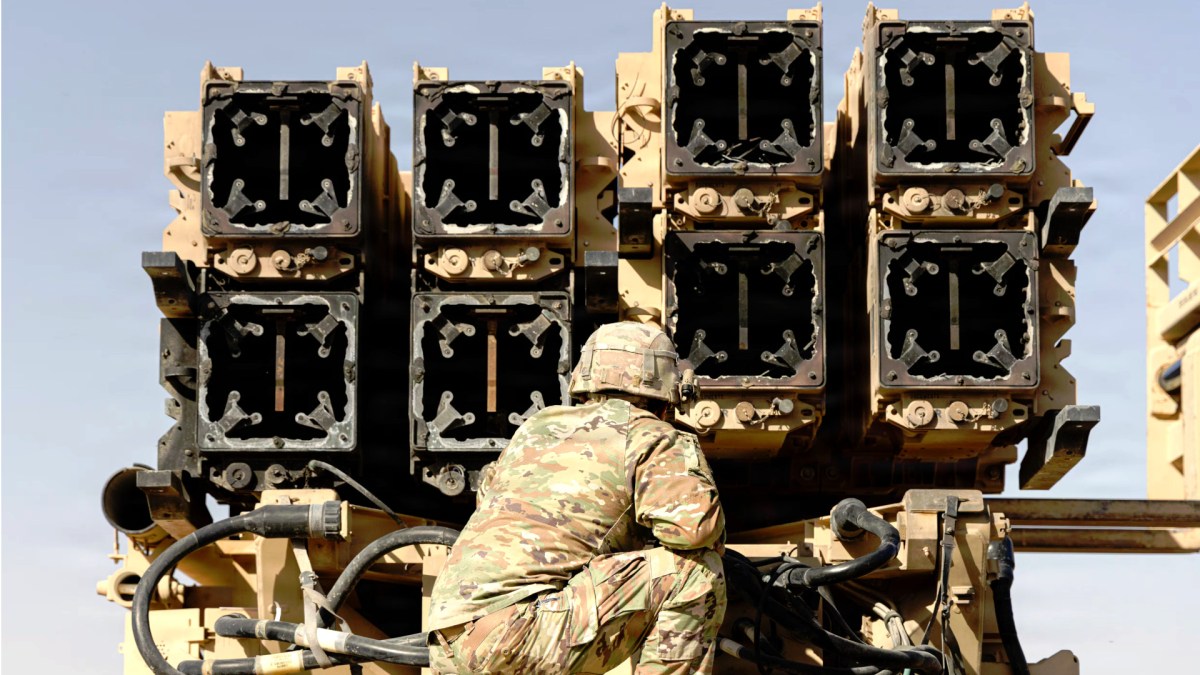
The launch platform question is also significant. Zircon was initially developed for use from warships and submarines, but Ukraine’s assessment says the missile is understood to have been employed from ground-based launchers as well. Modified launchers from the K-300P Bastion coastal defense system are described as the most likely candidate.
If that assessment is correct, it would underscore Russian flexibility in adapting existing launch infrastructure for new strike roles. It would also show how a weapon designed for naval deployment could become part of a broader land-attack toolkit in the war against Ukraine.
The sanctions and supply-chain angle
Just as important as the debate over the missile’s flight profile is the report’s focus on inputs. Ukrainian intelligence says it identified U.S.-origin electronics in Zircon. On its own, that does not resolve how the parts were obtained, when they entered the supply chain, or whether they were diverted through intermediaries. But it does reinforce a recurring pattern seen across modern weapons programs: high-end military systems often rely on commercial or globally distributed components that can be difficult to fully choke off.
The reported identification of 70 enterprises and 84 individuals adds a layer of specificity that could be useful for future sanctions design. Publicly tracing production networks can help governments and compliance teams look beyond the prime contractor and into second- and third-tier suppliers, tooling providers, and specialty manufacturers.
- The report identifies 70 enterprises tied to development and production.
- It names 84 individuals connected to the program.
- It describes foreign-origin electronics, including U.S.-origin components.
- It adds evidence to the theory that Zircon may be quasi-ballistic rather than a true hypersonic cruise missile.
What can be concluded now
The clearest takeaway is that Zircon remains less straightforward than its public reputation suggests. Ukraine’s new report does not settle every technical question, but it pushes the discussion onto firmer ground by tying claims to debris analysis, component identification, production mapping, and known instances of combat use.
It also shows how the meaning of a headline weapons system can change over time. A missile once treated mainly as a symbol of Russian hypersonic prowess is now being reexamined as a more complicated and potentially different class of weapon. For defense analysts, that is the real development: not simply that Zircon is dangerous, but that its true nature may be coming into sharper focus through wartime forensic work.
This article is based on reporting by twz.com. Read the original article.
Originally published on twz.com