A rare naval threat moved into the open
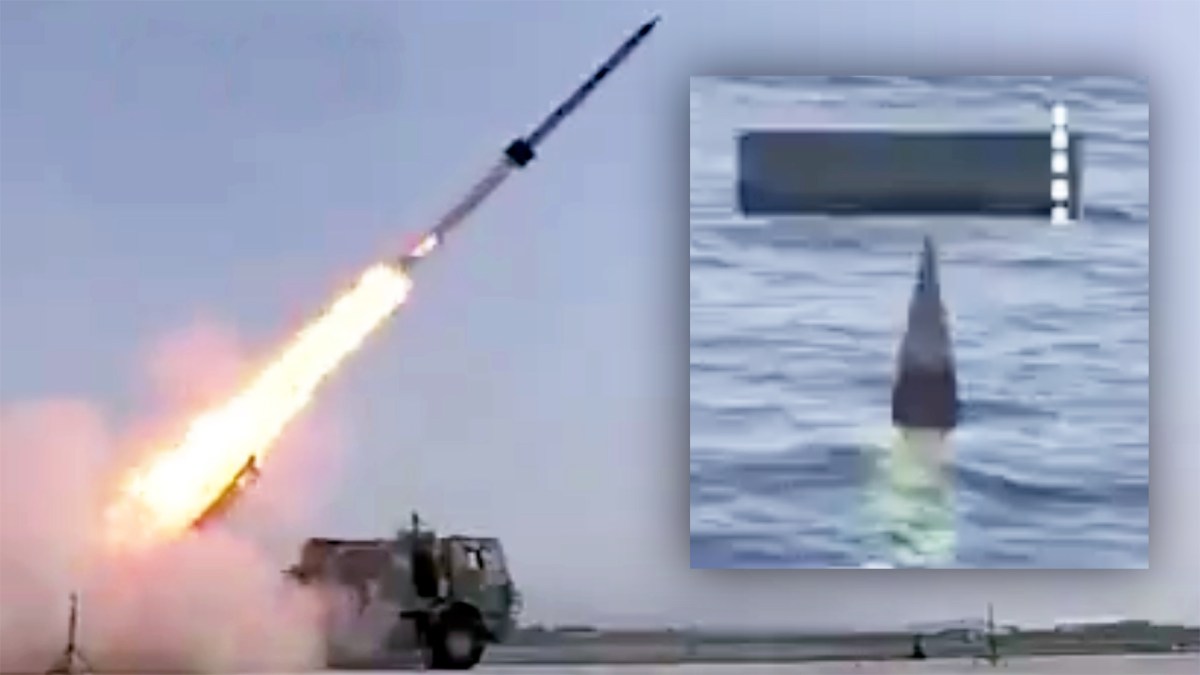
A U.S. strike on two Iranian launchers on Larak Island has put an unusual weapons concept at the center of a fast-moving regional confrontation: rocket-delivered sea mines. According to U.S. Central Command, the launchers were being prepared to fire rockets carrying naval mines into the Strait of Hormuz, one of the world’s most strategically important maritime chokepoints. The episode matters not only because of the immediate military exchange, but because it highlights a capability designed to disrupt shipping at speed and at standoff range.
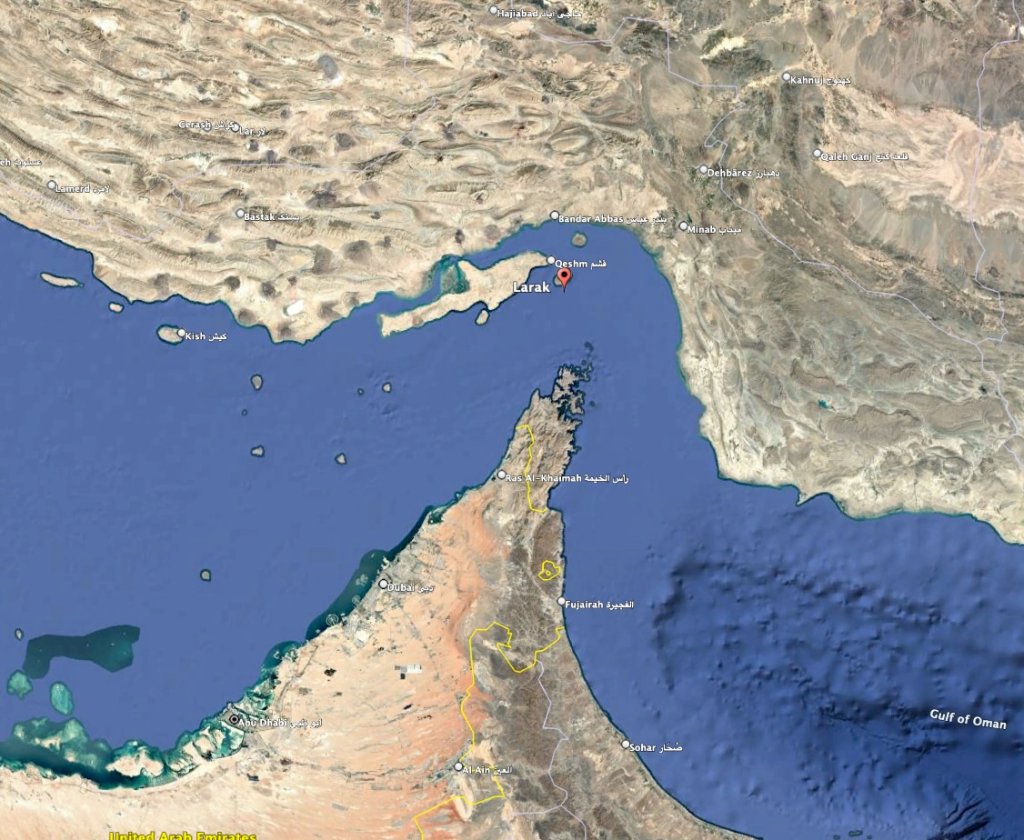
The Strait of Hormuz sits between the Persian Gulf and the open ocean, making it a narrow but essential route for global energy flows. Any tool that can quickly seed mines into those waters carries an outsized strategic effect. Traditional mine warfare can be slow, deliberate, and vulnerable during deployment. A rocket-based delivery method changes that equation by compressing the timeline and allowing launchers on land to create hazards for ships without sending minelayers directly into contested waters.
That is why the U.S. action drew immediate attention. CENTCOM spokesperson Capt. Tim Hawkins said U.S. forces struck the launchers after observing Islamic Revolutionary Guard Corps personnel preparing to launch rockets with sea mines. Even without more technical detail, the implication is clear: if such munitions had been fired successfully, the result could have been an abrupt and difficult-to-predict threat to civilian and military traffic moving through the strait.
Why rocket-delivered mines are different
Mine warfare is often associated with ships, submarines, or aircraft. Rocket-delivered mines introduce a different operational logic. Instead of placing mines one by one in a slow, exposed pattern, the attacker can potentially fire them from land at a distance. That creates several advantages. It reduces warning time, complicates interception, and makes attribution and post-strike assessment harder in the opening moments of a crisis.
In practical terms, this kind of system could be used to rapidly create uncertainty even before a dense minefield is confirmed. Shipping operators, insurers, naval escorts, and regional militaries would all be forced to assume elevated risk while trying to determine what had entered the water, where it landed, and whether follow-on launches were possible. In a chokepoint as narrow and economically sensitive as Hormuz, that uncertainty alone can have real consequences.
The War Zone’s report notes that the capability initially seemed unusual because mine-deploying rockets are not common. But rarity does not reduce significance. In some ways it increases it, because uncommon systems can exploit gaps in expectations. A military planning for missile salvos, drone attacks, and small-boat harassment might still face a distinct operational problem if those same launchers can suddenly scatter naval mines into commercial sea lanes.
The reported location also matters. Larak Island sits in a position that gives Iran geographic leverage over shipping traffic transiting the area. A launcher operating from there would not need to sink a vessel to produce strategic disruption. It would only need to create a credible risk that key waters had been mined, forcing clearance operations and slowing or rerouting traffic.
The immediate escalation path
The strike did not occur in isolation. The report says the Trump administration had spent roughly a month refraining from attacks on Iranian targets while emphasizing economic pressure. That changed with the attack on the launchers. The following response, according to the same account, was an Iranian ballistic missile attack on a Jordanian air base housing U.S. troops. Jordanian officials said all eight missiles were intercepted and that there were no casualties or damage.
That sequence shows how quickly an episode involving a specialized maritime weapon can spill into a broader regional exchange. A launcher aimed at shipping lanes triggered a U.S. strike, which was followed by missile fire against a location tied to U.S. forces. The tactical issue was mines, but the escalation ladder immediately expanded into air defense, regional force protection, and the risk of wider conflict.
It also underlines a central feature of the current security environment in the Gulf: military technologies do not act in separate boxes. Naval mines, rockets, ballistic missiles, and air defense systems now interact in compressed cycles. A capability once seen as niche can become the opening move in a broader campaign of pressure, signaling, and retaliation.
What comes next
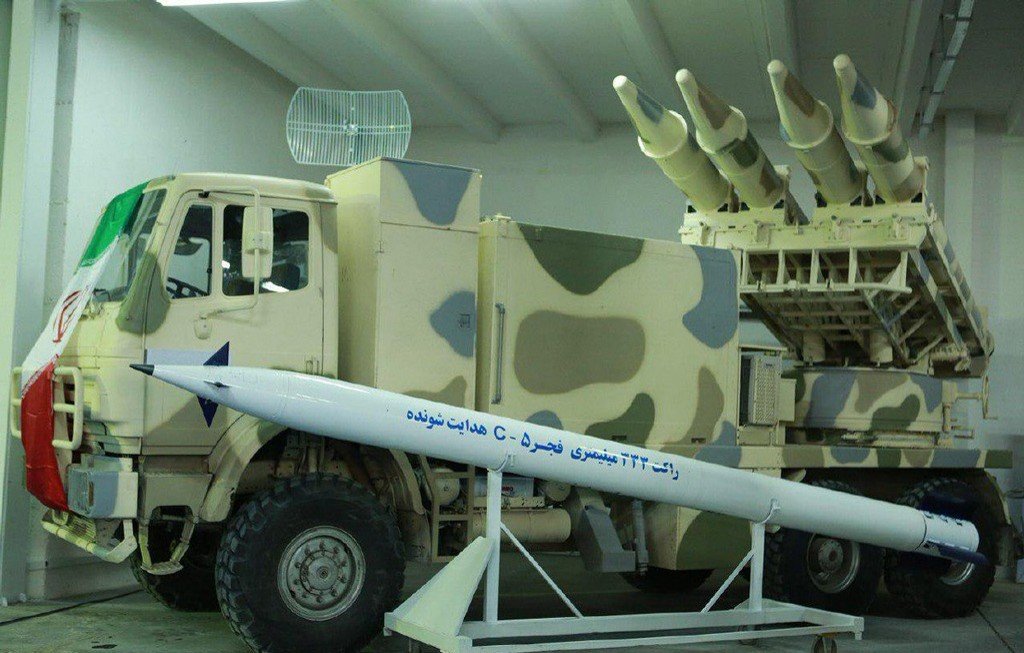
Several important questions remain unanswered. CENTCOM did not specify the exact launcher type involved or say whether this was the first time U.S. forces had observed Iran preparing to use such a system. That leaves open the size of the inventory, the maturity of the doctrine behind it, and whether similar launchers may be dispersed elsewhere. Those are not academic questions. They shape how navies, intelligence services, and commercial operators assess ongoing risk in the area.
For maritime security planners, the lesson is that mine threats cannot be reduced to legacy assumptions about slow emplacement and lengthy warning windows. For energy markets and shipping companies, the lesson is similar: resilience in the Strait of Hormuz depends not only on defending against missiles and drones, but also on responding quickly to unconventional delivery methods that can close lanes through uncertainty alone.
The larger significance of the strike is therefore twofold. First, it may have prevented an immediate attempt to threaten one of the world’s most important shipping corridors. Second, it revealed a capability that deserves far more attention than its novelty might suggest. In a region where geography already magnifies every military move, a rocket that can throw sea mines into a chokepoint is more than a technical curiosity. It is a tool built for strategic disruption.
This article is based on reporting by twz.com. Read the original article.
Originally published on twz.com