Europe is looking to Ukraine for part of its long-range strike future
Ukraine’s wartime missile development is beginning to move from battlefield necessity into European industrial strategy. New partnerships involving Ukrainian firms and major European missile manufacturers suggest that combat-tested Ukrainian designs could help shape the next phase of Europe’s long-range conventional strike capabilities.
The shift is notable because it reflects more than another round of military aid. It points to a deeper change in how European defense companies and governments are thinking about sovereignty, production speed, and dependence on U.S. weapons. Rather than simply supplying Kyiv, parts of Europe’s defense sector now appear to be positioning Ukraine as a co-developer and manufacturing partner for future NATO-relevant strike systems.
Two deals illustrate the direction of travel
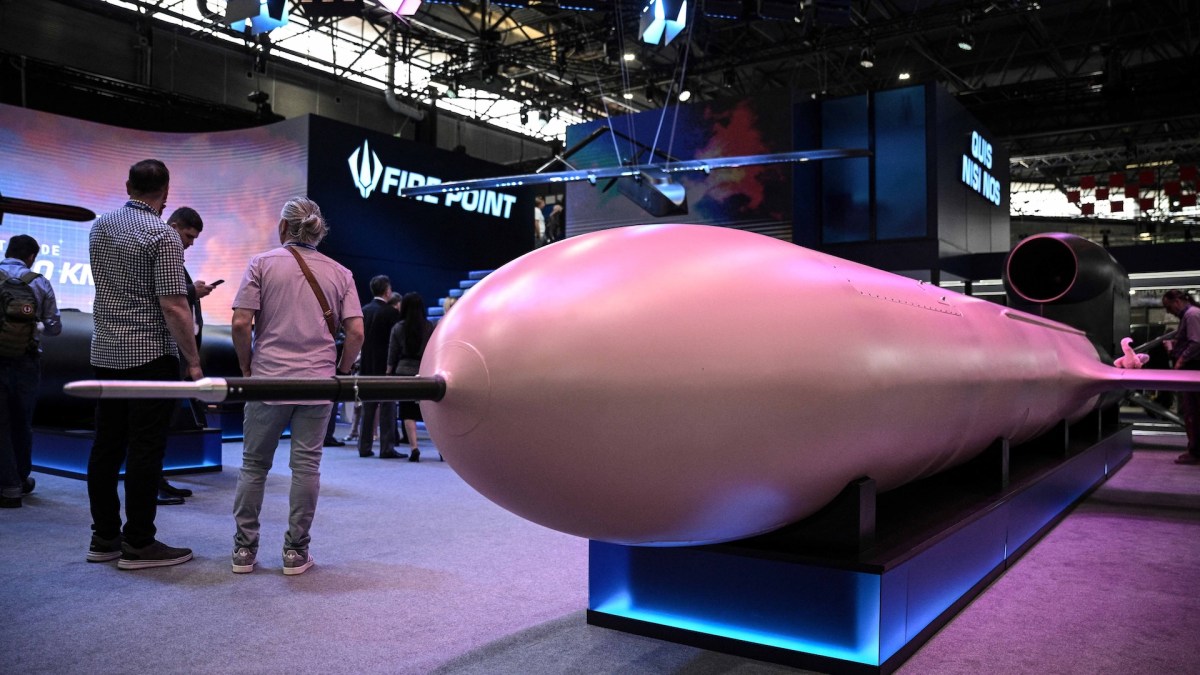
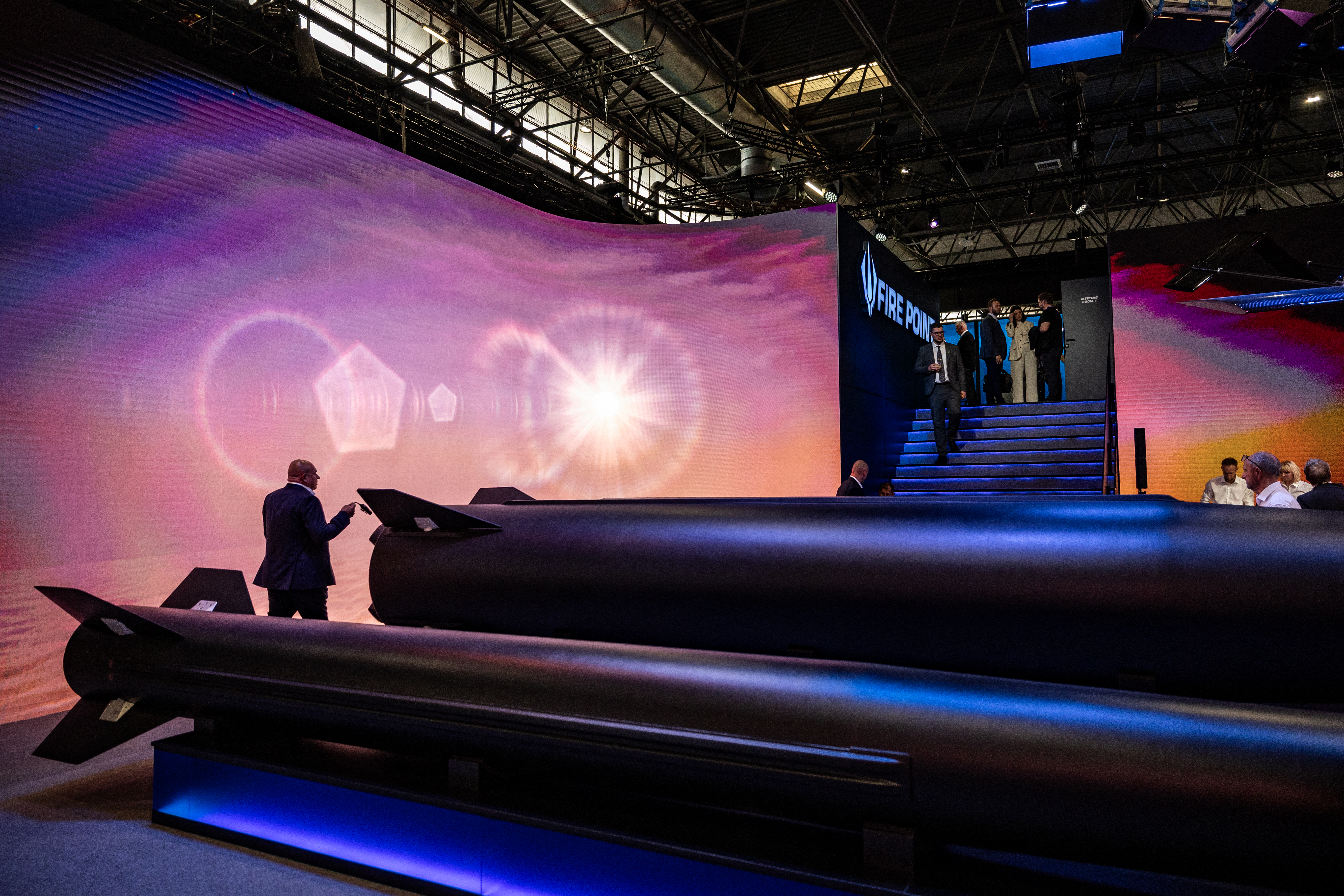
The clearest signs come from two separate collaborations cited in the source report. Diehl Defense has confirmed plans to launch production of Ukraine’s Flamingo cruise missile in Germany. According to the report, Diehl chief executive Helmut Rauch said talks with Fire Point, the Ukrainian manufacturer behind Flamingo, were expected in the coming weeks. Diehl had previously disclosed a technology agreement with Fire Point, but not details of what that cooperation might involve.
At the same time, MBDA, Europe’s largest missile manufacturer, has signed a memorandum of understanding with the Ukrainian defense company Luch to expand cooperation on deep-strike systems centered on the Neptune family of cruise missiles. Under that arrangement, the companies will work together on what is described as the Neptune 2 missile through a process MBDA calls disruptive innovation.
Taken together, the two arrangements suggest that Europe is no longer viewing Ukrainian missile technology solely as an urgent wartime asset for Ukrainian forces. It is increasingly being treated as a source of design knowledge and practical experience that can feed Europe’s own arsenal.
Why Ukrainian systems have become strategically attractive
Ukraine has spent years under pressure to innovate faster than traditional defense procurement cycles usually allow. The result has been a wartime ecosystem in which weapons, drones, electronic warfare tools, and strike concepts are iterated under real combat conditions. That does not automatically make every system exportable or scalable, but it does give Ukrainian designs a kind of credibility that paper programs often lack.
For European states trying to build up long-range strike capacity quickly, that matters. A weapon family that has already been stress-tested in conflict can offer a shorter path from concept to deployment than a clean-sheet program. It can also provide lessons about survivability, production tradeoffs, and operational utility that are difficult to simulate fully in peacetime development.
The report also ties these partnerships to a wider European search for sovereign alternatives to U.S. long-range weapons. That motivation has become more important as European governments reassess defense readiness, industrial resilience, and the need for faster domestic or regional production lines.
From aid relationship to industrial integration
The symbolism of these partnerships is almost as important as the technical substance. Since Russia’s full-scale invasion, Ukraine has largely been discussed as a recipient of European defense support. These deals suggest a more reciprocal model is emerging, one in which Ukraine contributes not just frontline experience but intellectual property, design expertise, and potentially production leverage.
That transition could have lasting implications. If German or broader European manufacturing capacity begins producing Ukrainian-designed or Ukrainian-derived missiles, the industrial boundaries between supporting Ukraine and rearming Europe start to blur. Ukraine would become more tightly woven into the continent’s defense base, not only as a customer and battlefield operator, but as an upstream technology partner.
This trend is reinforced by remarks cited from German Defense Minister Boris Pistorius, who during a visit to Kyiv last month pointed to Ukraine’s wartime technological advances and said Berlin was examining joint ventures in areas including long-range drones, air defense, and electronic warfare. In other words, missiles may be only one part of a larger integration story.
Why Neptune and Flamingo matter
The specific missile families involved help explain the interest. Luch’s Neptune has already become one of Ukraine’s most visible indigenous strike systems, associated in public discussion with the country’s effort to build credible anti-ship and land-attack capabilities. A follow-on collaboration around Neptune 2 implies a desire not just to preserve that lineage, but to extend it into a more advanced deep-strike role with European industry participation.
Flamingo, meanwhile, appears to represent a different opportunity: the transfer or licensed production of a Ukrainian cruise missile into a German industrial setting. If that proceeds, it could offer a template for how European firms absorb Ukrainian innovation while providing the scale, certification, and supply-chain depth needed for broader procurement.
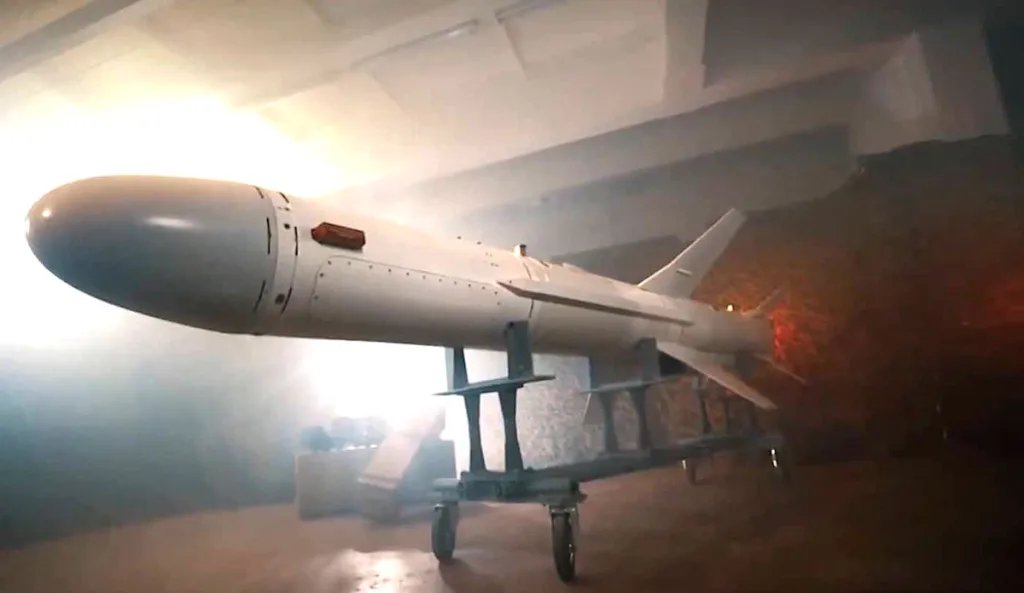
Neither arrangement, based on the supplied source text, provides a full public roadmap on production timelines, specifications, or deployment plans. But the strategic logic is still clear. Europe wants more long-range strike options, wants them faster, and sees value in partnering with a country that has been forced to compress the innovation cycle under wartime pressure.
The broader defense-industrial implication
These partnerships arrive at a time when Europe is under growing pressure to translate political commitments on defense into factories, supply chains, and fielded capability. Ammunition shortages, production bottlenecks, and procurement delays have underscored how hard that translation can be.
Working with Ukrainian firms could help in several ways. It may broaden the design base, create new manufacturing pathways, and bring in engineers with firsthand experience of adapting systems to modern air defense threats and electronic warfare conditions. It also gives European industry a stake in preserving and expanding Ukrainian defense capacity beyond the immediate war effort.
Still, the model will face practical tests. Co-development agreements must survive financing constraints, export-control questions, intellectual-property negotiations, and the challenge of integrating wartime designs into standardized procurement frameworks. They also have to prove that battlefield ingenuity can be converted into reliable mass production.
A glimpse of Europe’s next defense model
Even with those caveats, the direction is difficult to miss. Europe is not only helping Ukraine fight; it is beginning to treat Ukraine as a source of advanced military capability that can strengthen Europe itself. The missile partnerships with MBDA, Diehl, Luch, and Fire Point suggest a future in which Ukrainian weapons expertise becomes part of the continent’s own rearmament effort.
That would mark a significant strategic evolution. For Europe, it could mean faster access to sovereign long-range strike options. For Ukraine, it could mean a more durable place inside the European defense economy. And for NATO’s wider industrial landscape, it may signal that the next generation of weapons cooperation will be shaped as much by wartime innovation on Europe’s eastern edge as by traditional prime contractors in Western capitals.
This article is based on reporting by twz.com. Read the original article.
Originally published on twz.com