The Army just made one of its clearest bets yet on missile defense capacity
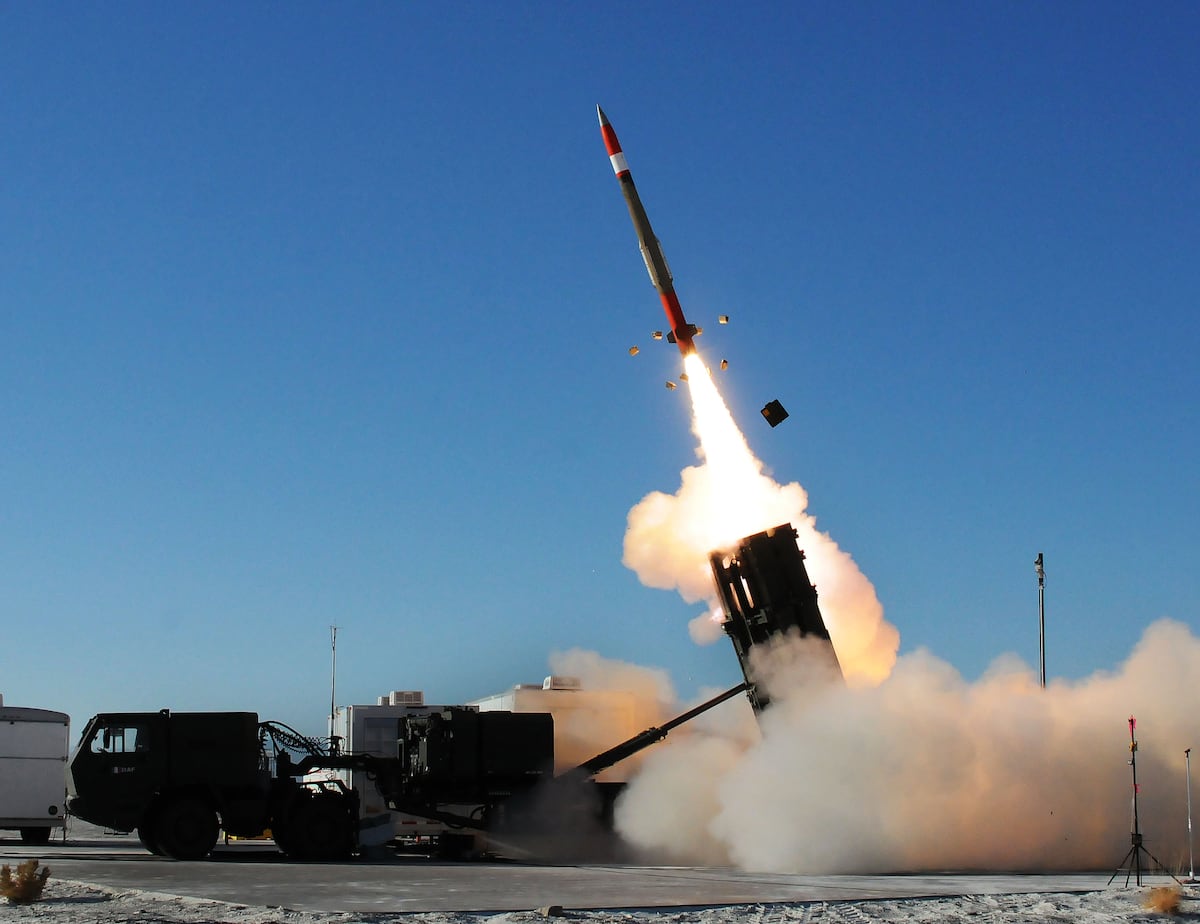
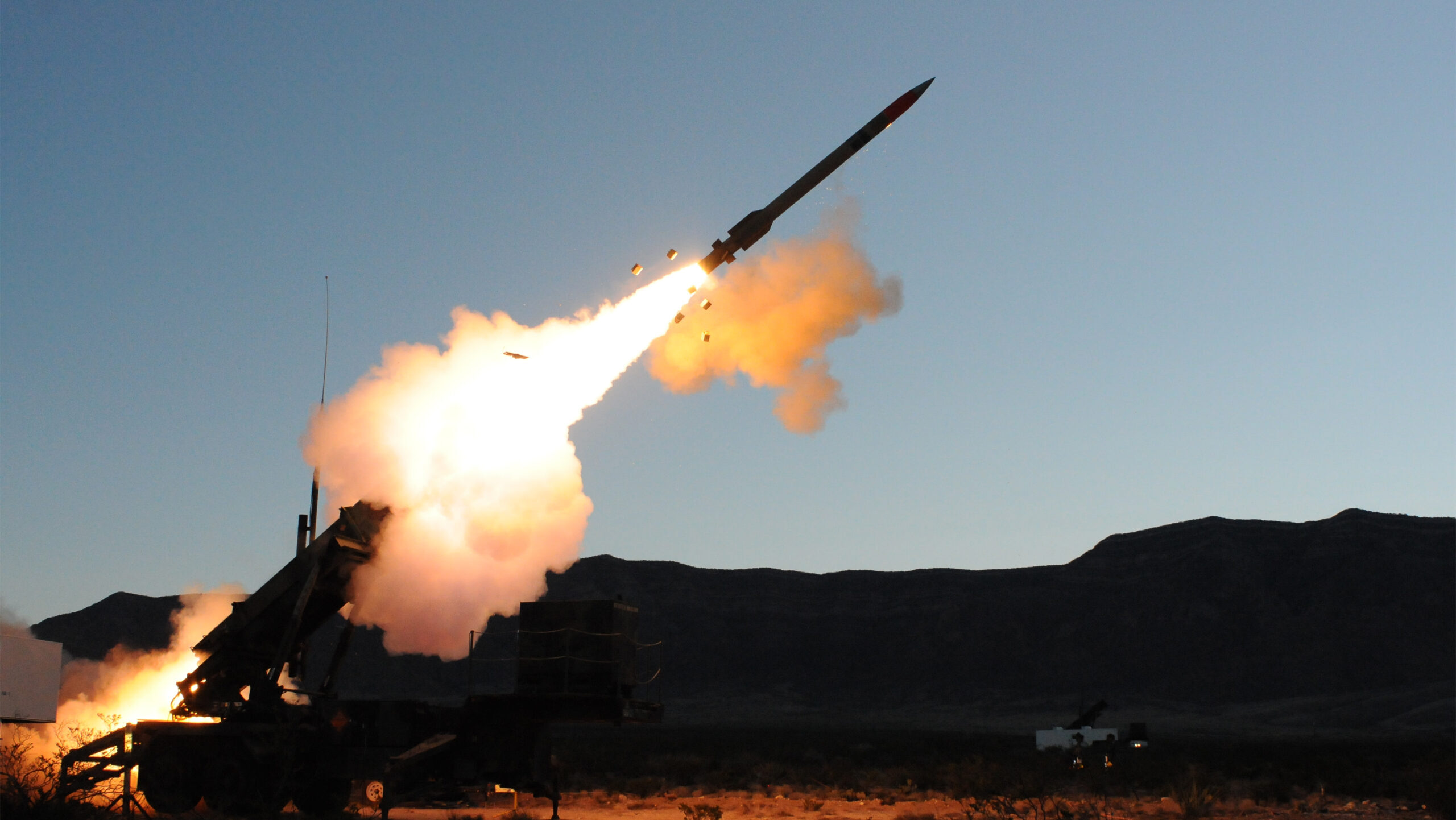
The US Army has awarded Lockheed Martin a $53.86 billion undefinitized contract action modification for PAC-3 Missile Segment Enhancement interceptors, lifting the total value of the seven-year agreement to $58.62 billion. The size of the modification is striking on its own, but the larger significance is what it says about Pentagon priorities: the US wants missile production lines kept warm, suppliers scaled up and output available faster, even before all details of a final contract are locked down.
PAC-3 MSE interceptors sit at the core of Patriot air and missile defense architecture, a system used by the US and allied militaries to defeat incoming aircraft and missiles. By expanding this agreement so dramatically, the Army and Lockheed Martin are signaling that demand is no longer being treated as episodic. Instead, they are trying to create long-term production certainty for one of the most important categories of modern air defense munitions.
Why the contract structure matters as much as the dollar figure
The award is an undefinitized contract action, or UCA. That matters because a UCA allows work to begin before every pricing and quantity detail is finalized. In ordinary circumstances, that might look like an accounting footnote. In the current environment, it is more accurately a policy tool.
The advantage is speed. The Pentagon does not need to wait for a definitized deal to start pushing production forward, and Lockheed can move ahead even while negotiations continue. The Army said the vehicle enables a resilient, warm production line that can scale deliveries quickly for US and allied forces. That phrasing points to a specific industrial concern: once production lines cool, suppliers disperse, skilled labor shifts elsewhere and restart times lengthen. The result is not simply delay but lost surge capacity.
By using a UCA here, the Pentagon is effectively paying to avoid that problem. It is choosing industrial readiness over procedural neatness, a tradeoff that has become increasingly common as munitions demand grows and congressional funding pathways remain uncertain.

The Pentagon is trying to send a demand signal to industry
Defense officials were explicit about that intent. Michael Duffey, the Defense Department’s undersecretary of war for acquisition and sustainment, said the announcement provides industry with the long-term demand signals needed to build a resilient supply chain, scale production and deliver capabilities faster. That language is important because the missile industrial base depends on more than one prime contractor. It relies on a network of component manufacturers, materials suppliers and specialist production processes that need confidence before they invest.
For years, one of the recurring problems in defense manufacturing has been volatility. Companies can be asked to expand, but without sustained demand they risk building capacity that later sits idle. A contract measured in the tens of billions over seven years changes that calculation. It gives suppliers a stronger basis for hiring, tooling and procurement decisions that would otherwise look too risky.
This is also why the Army and Lockheed are framing the award less as a one-off buy and more as a production architecture decision. The money is not just purchasing interceptors; it is underwriting the conditions required to produce them at higher volume.
Production goals are becoming more ambitious
According to Lockheed Martin, the added funding allows the company to supercharge PAC-3 MSE production and triple capacity by the end of 2030. That target is one of the most concrete indicators in the announcement. It suggests the US defense establishment is planning not merely to replenish stocks but to structurally raise output over the rest of the decade.

The timeline matters. Expanding missile production is not instantaneous. Even with large contracts in hand, scaling a system like PAC-3 MSE means working through tooling, workforce, supplier throughput and quality controls. Tripling capacity by 2030 implies a multi-year industrial campaign rather than a short procurement burst.
The Army’s decision also fits a broader sequence of recent moves. Lockheed received an initial nearly $5 billion UCA for PAC-3 MSE interceptors in April after a January deal with the Defense Department to increase production capacity. In March, the company also reached a Pentagon agreement tied to Precision Strike Missile ramp-up. Then, late in June, it signed another huge UCA for Terminal High Altitude Area Defense interceptors. Taken together, the pattern is hard to miss: the department is using large, early-moving contract vehicles to expand missile manufacturing across several key programs at once.

What the announcement does and does not settle
The sheer size of the agreement should not obscure the built-in uncertainty. Because the action is undefinitized, the final dollar values and quantities can still change as negotiations continue. That means the headline number should be read as a ceiling-shaped signal of intent, not as a perfectly settled procurement outcome.
Still, the fact that the Army moved ahead before definitization is itself the story. It shows urgency. The Pentagon appears more concerned about preserving momentum and expanding output now than about waiting for every contractual detail to be resolved first.
There is also a congressional dimension. The source text notes that the path forward for key munitions funding remains unclear on Capitol Hill. In that context, the UCA helps reduce the risk that industrial planning stalls while appropriations and negotiations play out. For defense manufacturers and their suppliers, that can be the difference between maintaining production continuity and slipping into another stop-start cycle.
A larger shift in defense procurement is taking shape
The PAC-3 MSE expansion reflects a wider change in how the US is thinking about military readiness. For decades, procurement logic often emphasized technological superiority first and production resilience second. That hierarchy is now changing. A sophisticated system that cannot be built in meaningful quantity, or replenished quickly, has obvious limits in a world defined by extended demand and allied requirements.
What this contract suggests is that industrial depth is being elevated to the level of a strategic capability. Missile defense is no longer just about intercept performance. It is also about whether the production base can respond at scale, whether suppliers can withstand shocks and whether the US can deliver to partners without hollowing out its own pipeline.
That makes this award more than a large defense headline. It is an indicator of how the Pentagon is trying to reshape the economics of its munitions base. Lockheed’s PAC-3 line is being asked to do more, faster and for longer, with the government using contract structure and long-duration demand to make that possible.
The final negotiated figures may still move. But the underlying message is already clear: Washington wants missile capacity that is ready before the next crunch arrives, not after it.
This article is based on reporting by Breaking Defense. Read the original article.
Originally published on breakingdefense.com