Kyiv requests first use of EU loan for U.S.-built interceptors
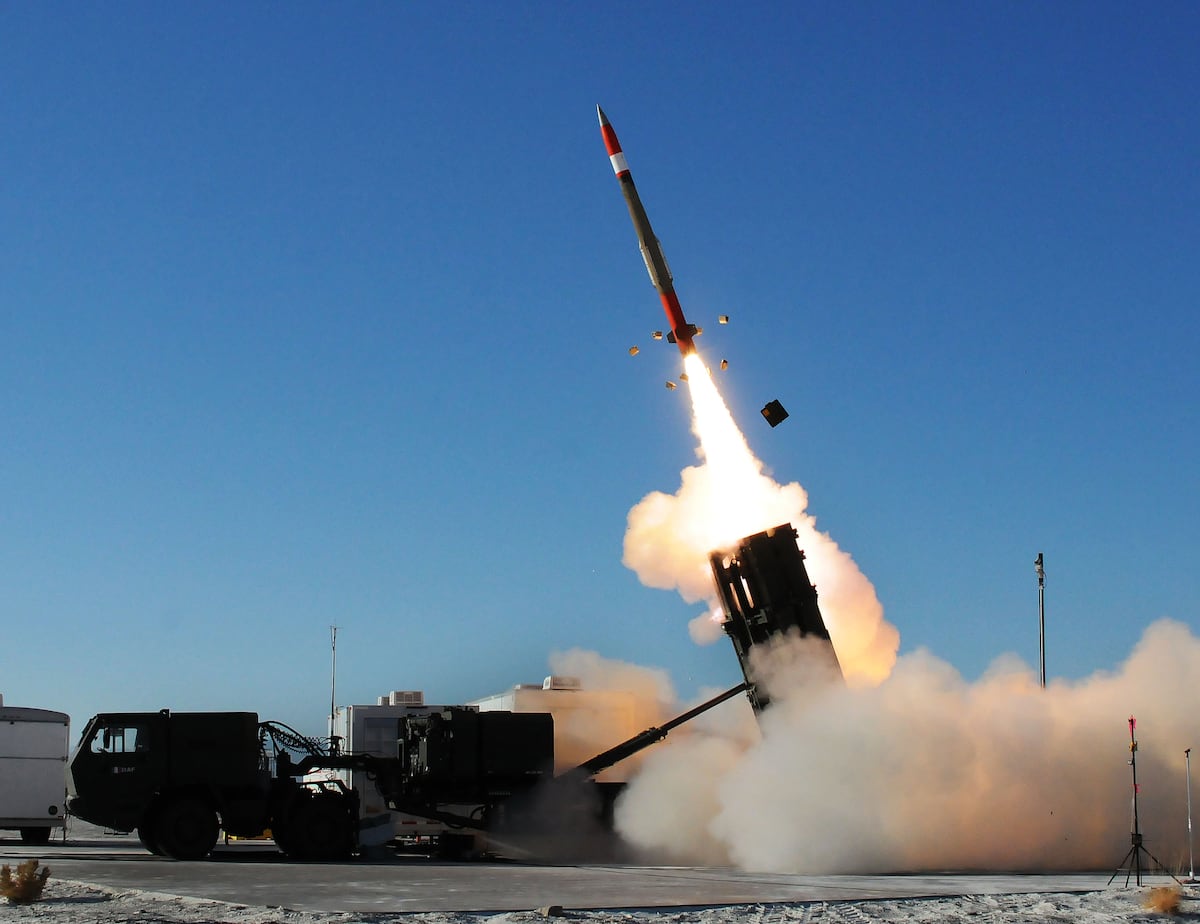
The European Union is weighing a rare waiver that would permit Ukraine to draw billions of euros from a previously approved €90 billion support facility to buy PAC-3 interceptor missiles for its Patriot air-defense batteries. Ukrainian officials formally requested access for the American-made interceptors for the first time since the loan package was finalized in April, European officials acknowledged this week.
European Commission President Ursula von der Leyen confirmed the request on Sept. 2, saying the bloc would continue backing Kyiv with European air defense and PAC-3 Patriot systems. She signaled a closer coordination with NATO and stressed the need to deter any threats to European freedom and security.
Renewed Russian strikes underscore urgent need
The announcement landed as Russian forces entered a second consecutive week of near-continuous aerial assaults against Kyiv, Odesa and other Ukrainian cities. Ukrainian authorities say the sustained bombardment has drained the country's already limited stockpile of antiballistic interceptors, exposing critical gaps in the protection of major population centers and infrastructure.
Ukraine's defense minister, Yevhenii Khmara, pressed allies for accelerated assistance just one day before the European Commission's public acknowledgment. He called on partner nations to allocate national budget resources for Ukrainian-made drones, speed up delivery of the EU loan, and restart discussions over repurposing frozen Russian assets for Kyiv's defense.
A $27 billion shortfall
Khmara cautioned that Ukraine is currently operating under a $27 billion defense budget deficit, a gap that threatens its ability to sustain operations and protect its cities through the coming months. He framed the request as mutually beneficial for Europe, arguing that every euro invested in Ukrainian defense translates into a strengthening of Europe's broader security architecture. The argument echoes a recurring theme in Ukrainian appeals: that the battlefield in Ukraine serves as the frontline for the continent's own stability.
The loan mechanism in question was finalized by the Council of the EU in late April following months of political and bureaucratic delays. Its structure allocates roughly €60 billion for defense-related procurements and €30 billion for budget support, giving Ukraine significant financial flexibility to address both military and fiscal pressures.
Loan rules create obstacle for U.S. systems
However, the facility's operating rules were deliberately designed to favor European and Ukrainian defense manufacturers. Any individual purchase funded through the facility must keep content originating outside the EU and Ukraine to a maximum of 35% of the contract value. Since PAC-3 interceptors are wholly manufactured in the United States, Kyiv's request to use the loan for those missiles does not meet the standard terms and would require a formal exemption approved by EU member states.
The request marks the first time Ukraine has sought to use the €90 billion funding line specifically for Patriot interceptors supplied from the United States. Without a waiver, the purchase could not be channeled through the EU mechanism as currently written.
A precedent for carve-outs
EU officials are pointing to an earlier exemption granted in April, when Ukraine obtained a special dispensation to acquire Chinese-made drone components under the same loan. That carve-out established an administrative path for bending the usual content restrictions in exceptional cases, and Kyiv is evidently hoping that the interceptor request can follow a similar route.
Von der Leyen said the review of the Patriot waiver request "is moving in the right direction," suggesting that momentum may be building among EU capitals. Representatives from the member states were expected to make a formal decision on the exemption on the Monday following her statement, putting the matter on a fast track given the emergency nature of the aerial threat.
What the waiver would mean
If approved, the exemption would permit Kyiv to allocate a substantial portion of the defense procurement tranche to Lockheed Martin-built PAC-3 missiles, likely in the billions of euros. Such a move would help replenish Ukraine's interceptor stockpiles while also deepening the integration of U.S.-made systems into NATO-aligned European defense planning, a direction von der Leyen and NATO Secretary General Mark Rutte have both underscored in recent statements.
Rutte and von der Leyen have framed the issue as one of collective defense, with the European Commission head pledging to work more closely with NATO than ever before. The broader message from Brussels is that assisting Ukraine is not merely a charitable act but an investment in preventing further conflict on the continent.
Challenges remain
Even with a waiver, the path to delivering PAC-3 interceptors to Ukrainian forces involves questions of production capacity, logistics, and financial repayment terms. The EU loan is structured as a support facility, and using it for U.S. defense articles raises questions about how the European quota rules will be balanced with the need to get capable systems into the field quickly.
For now, Ukrainian officials continue to stress the urgency, pointing to nightly missile and drone barrages that test the limits of air-defense units operating with dwindling conventional interceptors. In that context, the EU's upcoming decision on the PAC-3 waiver is becoming a test case not only of technical financial rules but of the bloc's willingness to adapt its assistance instruments to the realities of a high-intensity conflict.
Next steps
The EU member states' vote on the waiver, expected shortly, will be a key signal of how far European governments will go in easing procurement restrictions for Ukraine. A positive outcome would likely unlock the first major U.S.-made interceptor acquisition under the €90 billion program, setting a new precedent for transatlantic defense cooperation under emergency conditions. A rejection or delay, by contrast, would force Kyiv to continue seeking alternative sources of funding for the Patriot missiles it says are urgently needed to counter Russia's ongoing campaign.
As the bloc reviews the request, all eyes are on Brussels and on the changing dynamics of European security policy — where the line between the EU's internal market rules and the urgent demands of a war on its eastern flank is increasingly hard to maintain.
This article is based on reporting by Defense News. Read the original article.
Originally published on defensenews.com