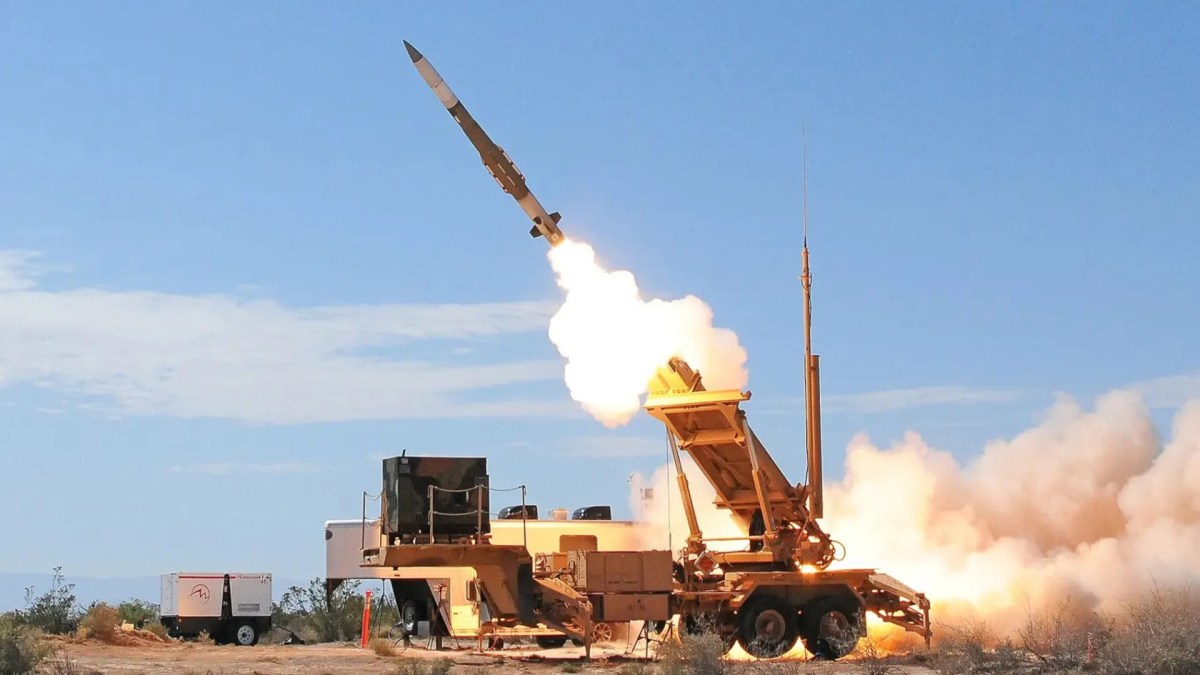
Congress is forcing a harder look at a strategic bottleneck
The U.S. Senate is pressing the Pentagon to answer a question that has hovered over Western support for Ukraine for months: can Washington provide more Patriot interceptors without weakening its own readiness and straining already tight global inventories? The issue is no longer framed as a background procurement concern. It is now explicit congressional business.
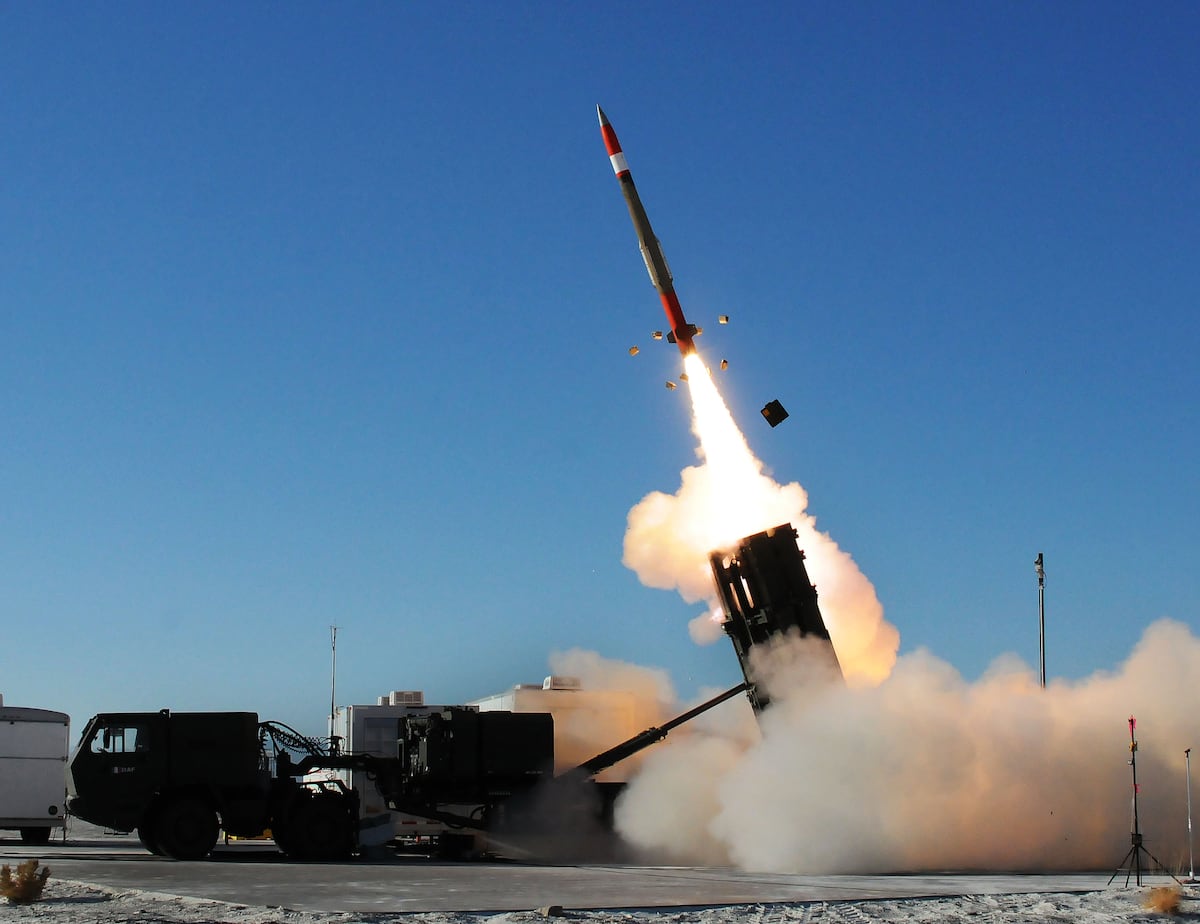
According to reporting from The War Zone, the Senate Armed Services Committee has directed the Defense Department to produce a report on Patriot air defense system support for Ukraine, with special attention to interceptor availability, production capacity and the effect of further transfers on U.S. military readiness. The move reflects something larger than a single weapons request. It captures a growing recognition that one of the war’s most important technologies is also one of the hardest to scale quickly.
Patriot systems have become central to Ukraine’s ability to defend against Russian missile and drone attacks. But the system’s importance is matched by the complexity of sustaining it. Every additional interceptor sent abroad is drawn from a supply chain already under pressure from U.S. operational demands, allied commitments and the long lead times that define advanced air defense production.
Why Patriot matters so much
Ukraine’s request for more interceptors is not abstract. Russian long-range strikes continue to force difficult choices about which threats to engage and which assets to defend first. Patriot batteries are among the most capable systems available for countering high-end aerial threats, which is why Ukrainian President Volodymyr Zelensky has repeatedly asked the United States and its partners to supply more missiles.
The War Zone notes that concerns about Patriot supply have been present for some time, especially given U.S. usage in recent Middle East conflicts and standing commitments to Ukraine and nearly 20 other countries. That combination matters because Patriot is not a niche or single-theater asset. It sits at the center of a wider allied air and missile defense architecture. Any decision to accelerate deliveries for one partner immediately raises questions for others.
The article also says the Pentagon has maintained that it has sufficient supplies. Congress, however, appears to want a more detailed accounting. That difference in posture is telling. Public assurances may be acceptable when demand is stable, but less so when a high-intensity war, allied procurement needs and U.S. contingency planning are all pulling on the same inventory.
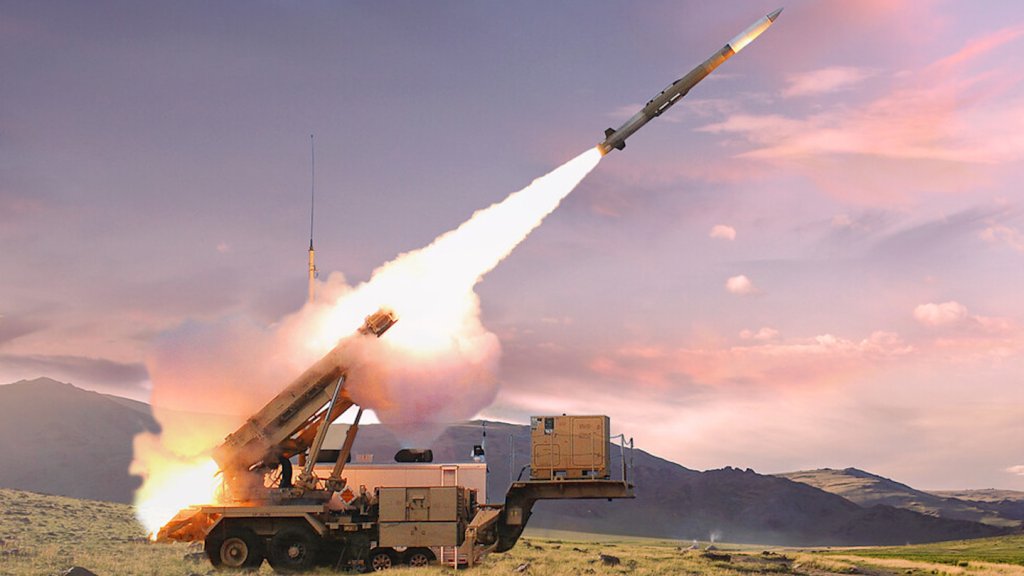
Stockpile uncertainty is part of the problem
One of the clearest signs of the strain is how little precision exists in public about Ukraine’s remaining interceptor inventory. The War Zone cites a recent New York Times report saying the exact number is classified and that, at the end of June last year, Ukraine had as few as 16 Patriot interceptors in its arsenal. Even with that caveat, the figure illustrates the fragility of the supply picture. A small stockpile can be consumed quickly when attacks are frequent and layered.
Zelensky has publicly suggested that partner deliveries were reduced after previously arriving in larger monthly quantities, attributing the change not to funding shortages but to the war in the Middle East. That point highlights an uncomfortable reality for the United States and its allies: advanced munitions are globally contested resources. A surge in one theater can ripple into another even when political support remains intact.
From Ukraine’s perspective, that makes predictability almost as important as total volume. Air defense planning depends on knowing whether resupply will arrive in time, not simply on receiving assurances that support remains a policy priority. The Senate’s request for a Pentagon report suggests lawmakers are trying to move the discussion from general commitment to measurable capacity.
Production capacity is now a policy issue
The Patriot debate is also a production story. Interceptor availability is not determined only by what is sitting in U.S. depots today. It depends on how quickly industry can replenish stocks and whether output can rise fast enough to cover wartime consumption, allied purchases and reserve requirements all at once. That is why the committee’s focus on production capacity is at least as important as its concern over inventory.
Modern missile-defense manufacturing is not easily surged. Supply chains for advanced seekers, propulsion systems, guidance components and launch support equipment do not expand overnight. When Congress asks whether more interceptors can be sent to Ukraine, it is effectively asking whether the industrial base has enough elasticity to support both current operations and future deterrence needs.
This is where the Ukraine debate intersects with a broader defense planning problem. The United States is not only helping a partner under sustained attack. It is also trying to preserve credible readiness for its own forces and reassure allies who rely on the same family of systems. The committee’s language, as described by The War Zone, shows it is treating those competing demands as inseparable.
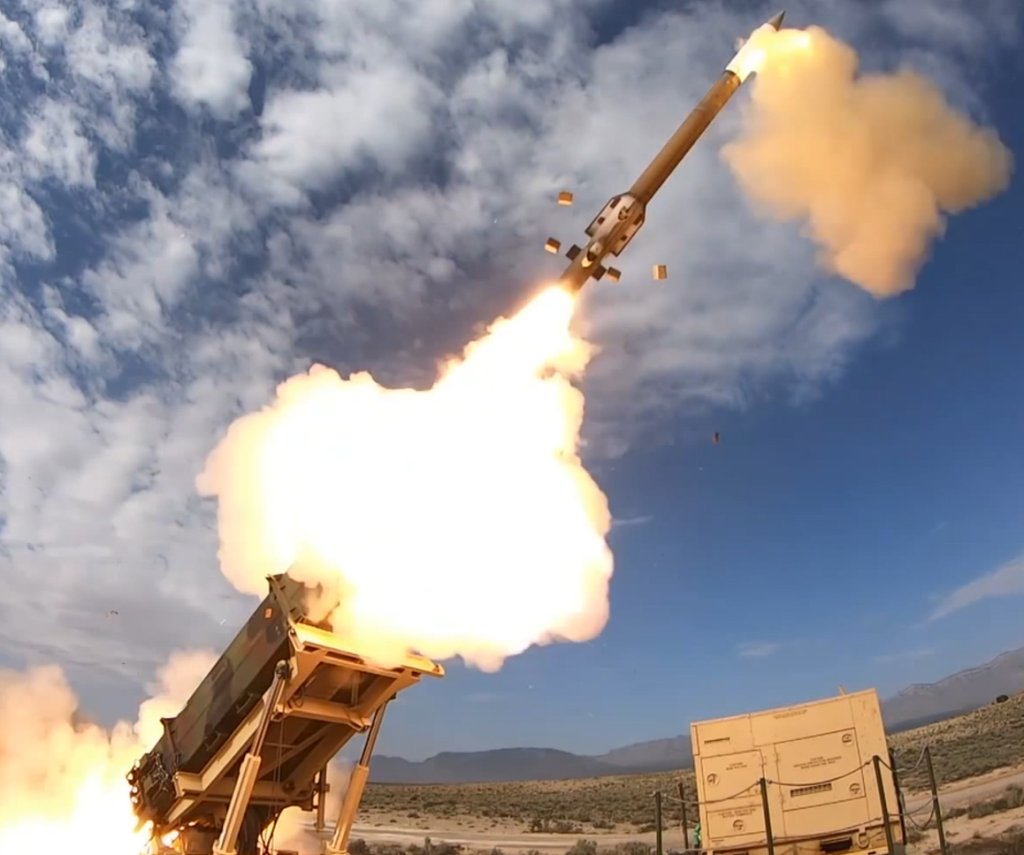
Readiness versus support is the real tradeoff
The hardest part of the Patriot question is that both sides of the tradeoff are strategically serious. Sending more interceptors to Ukraine could help protect cities, infrastructure and military assets under immediate threat. Holding back missiles to preserve U.S. readiness and global commitments could also be justified if inventories are thin and production cannot catch up quickly. Congress is not dismissing either priority. It is demanding clearer evidence on how the Pentagon is balancing them.
That balance matters politically as well as militarily. If lawmakers conclude that the United States lacks the industrial depth to sustain support for Ukraine while protecting its own forces, pressure will grow for faster procurement, broader allied burden-sharing or both. If, by contrast, the Pentagon can show that transfers can rise without unacceptable risk, it will strengthen the case for additional deliveries.
Either way, the report requirement signals that Patriot supply has moved from a tactical support question to a strategic test of defense planning. It touches alliance management, munitions production, regional contingency risk and the credibility of long-term aid commitments.
What comes next
The immediate next step is bureaucratic but consequential: the Defense Department must answer Congress with a clearer picture of stockpiles, production and readiness impacts. That will not by itself generate more interceptors, but it could shape procurement decisions and support levels in the months ahead.
For Ukraine, the practical question remains unchanged: whether additional Patriot missiles can arrive fast enough to blunt ongoing Russian attacks. For Washington, the question is broader. Can the United States sustain a modern missile-defense commitment across multiple theaters without running into hard inventory limits?
The Senate’s intervention suggests lawmakers are no longer willing to leave that issue to broad public reassurance. They want numbers, tradeoffs and timelines. In a war where air defense can determine how much of a country can keep functioning under bombardment, that demand for clarity is itself a significant development.
This article is based on reporting by twz.com. Read the original article.
Originally published on twz.com