The Pentagon is testing a more interventionist approach to industrial coordination
The US Defense Department is turning to a rarely discussed feature of the Defense Production Act to address munitions bottlenecks: structured industry coordination that officials say can occur without crossing antitrust lines. The move, described by Assistant Secretary of Defense for Industrial Base Policy Michael Cadenazzi, signals how seriously Washington now views production constraints across the weapons supply chain.
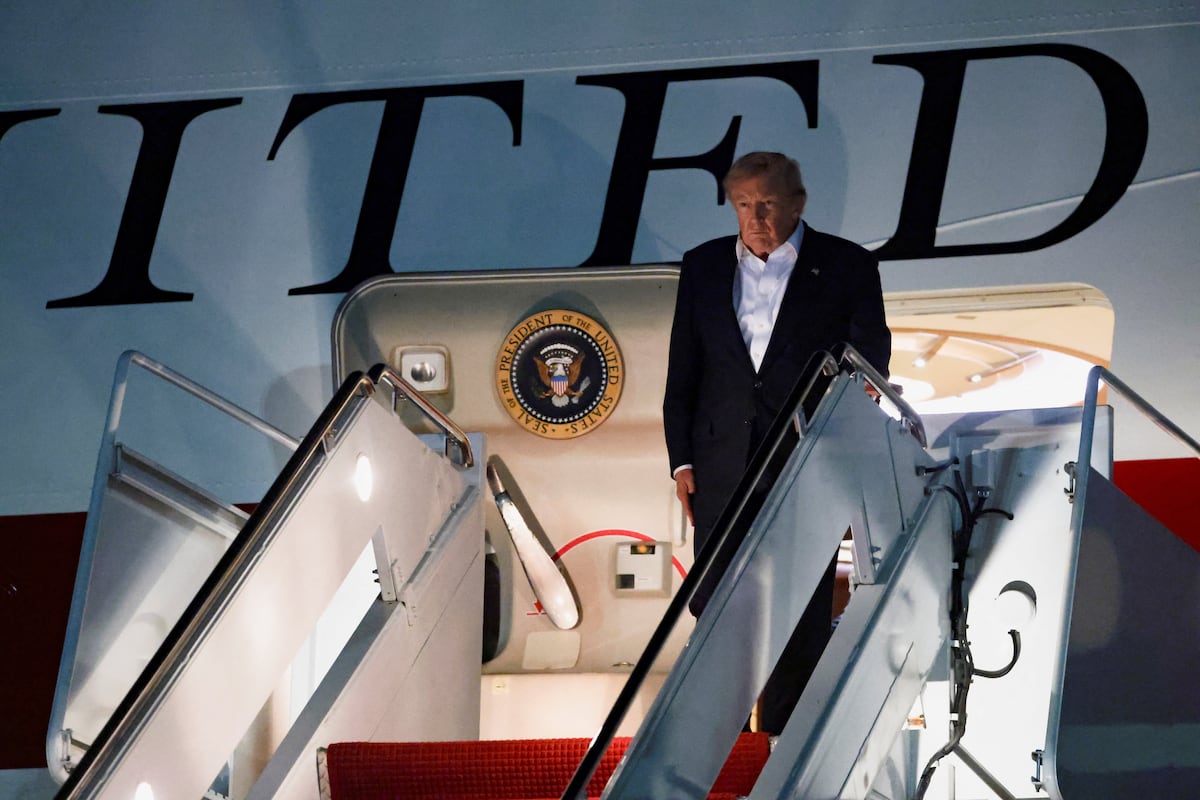
At issue is the use of so-called voluntary agreements under the Defense Production Act, a national security law that gives the president broad authority to shape domestic industrial capacity during emergencies. According to the supplied source text, a June 11 presidential memo signed by President Donald Trump authorizes this mechanism as a way to tackle “systemic constraints in the munitions industrial base,” including production capacity, long-lead items, supply-chain problems, and other bottlenecks.
Cadenazzi described the authority in unusually blunt terms, saying it would allow industry participants to communicate and work together in ways that would otherwise raise antitrust concerns. The point is not to enable anti-competitive market manipulation for profit, but to create a government-sanctioned framework for coordination on urgent national security production problems. Even so, the language underscores the tension at the heart of modern industrial policy: governments want faster, denser cooperation in strategic sectors, but normal market rules are designed to prevent competitors from acting in concert.
Why munitions production is under pressure
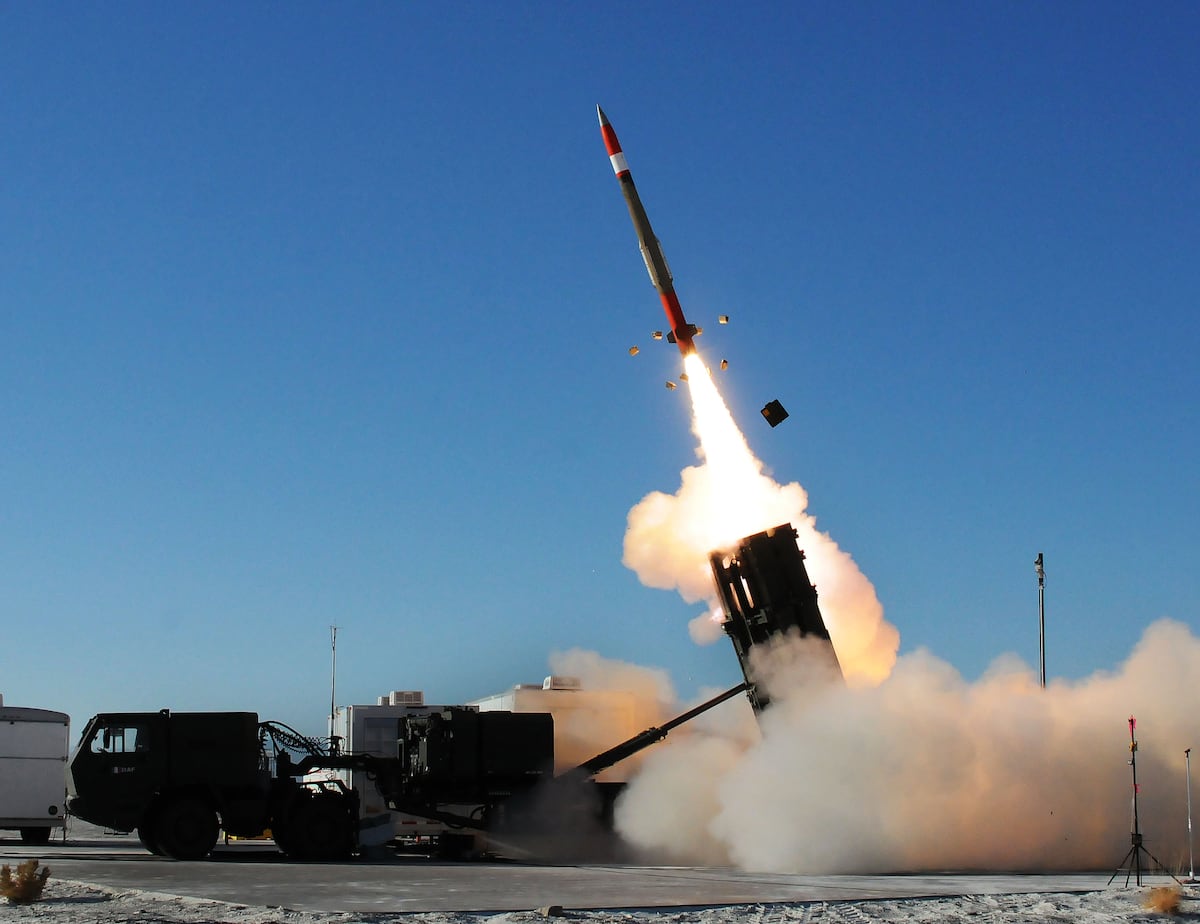
The policy shift comes as the United States tries to expand output and rebuild stockpiles. The source text says the administration is focused especially on munitions production and replenishment in the wake of operations against Iran. That context matters because weapons manufacturing is not a switch that can be flipped on demand. Supply chains are often fragmented across prime contractors, specialized component suppliers, chemical producers, and makers of long-lead items such as rocket motors and guidance-related subsystems.
When demand spikes, the limiting factor is frequently not the final assembly line but a hidden supplier several tiers down. A manufacturer may have plant space and workers available, yet still be unable to accelerate if a critical component has a single-source vendor, specialized tooling, or a raw-material bottleneck. The voluntary-agreement mechanism appears designed to surface those blockages more quickly and let companies coordinate responses under government oversight.
That is a meaningful departure from a purely hands-off procurement model. Instead of simply issuing more contracts and waiting for the market to respond, the government is trying to orchestrate collaboration around chokepoints. In practice, that could mean sharing demand signals, identifying overlapping constraints, aligning investment timing, or figuring out where suppliers can expand without creating duplication elsewhere in the chain.

How the Defense Production Act fits in
The Defense Production Act is often associated with emergency powers, surge production, and federal support for strategically important industries. What stands out here is the specific use of voluntary agreements. Based on the supplied reporting, the White House memo frames them as a tool for breaking industrial bottlenecks in the munitions base, particularly where production capacity and long-lead procurement are concerned.

That mechanism matters because antitrust rules can discourage exactly the kind of cross-industry communication that a constrained defense supply chain may need during a buildup. Rival companies ordinarily cannot freely coordinate production decisions or share sensitive market information. Under a properly structured DPA framework, the government can create a legal space for narrowly defined collaboration tied to national security goals.
This does not eliminate the risks. Any policy that enables competitors to align around supply, timing, or investment requires tight boundaries and oversight. The source text does not provide procedural details about those guardrails, so it would be premature to assume how expansive or narrow the coordination will become. But the policy direction is clear: the Pentagon believes standard contracting tools alone are not enough to overcome the current industrial frictions.
A broader pattern in US defense industrial policy
The voluntary-agreement move appears to sit alongside other measures aimed at strengthening output. The source text notes that the administration has explored multiple approaches, including framework deals with companies to invest in their own manufacturing facilities and a $1 billion investment in L3Harris's solid rocket motor business. Taken together, those steps show an industrial strategy that is becoming more active, more targeted, and more comfortable intervening directly in supplier economics.
That trend reflects a wider shift in Washington. For years, defense industrial discussions focused on consolidation, efficiency, and acquisition reform. Now the emphasis is moving toward resilience, surge capacity, and strategic redundancy. The logic is straightforward: if stockpiles can be depleted faster than they can be rebuilt, then deterrence depends not only on platform sophistication but on production throughput.
Munitions are especially sensitive to this problem because they are consumed. Unlike ships or aircraft, missiles and interceptors must be continuously replaced. A supply chain optimized only for peacetime efficiency may struggle when wartime demand, geopolitical shocks, or extended operations suddenly push volumes higher. The Pentagon's interest in legally structured industry collaboration suggests it sees coordination failure itself as a production constraint.

What to watch next
The practical impact of the June 11 memo will depend on execution. The key questions are whether industry participants join quickly, whether the government can identify bottlenecks with enough precision to matter, and whether the collaboration produces measurable gains in capacity and delivery times. It will also matter whether the approach remains limited to munitions or becomes a model for other defense-critical sectors facing similar supplier concentration and long-lead problems.
For now, the significance is less about one contract or one production line than about doctrine. The Pentagon is signaling that it is willing to use national security authorities not only to buy more weapons, but to shape how companies coordinate in making them. In an era defined by supply fragility and higher operational tempo, that may prove to be one of the more consequential shifts in US defense industrial policy.
This article is based on reporting by Breaking Defense. Read the original article.
Originally published on breakingdefense.com