A new framework for Arctic coordination
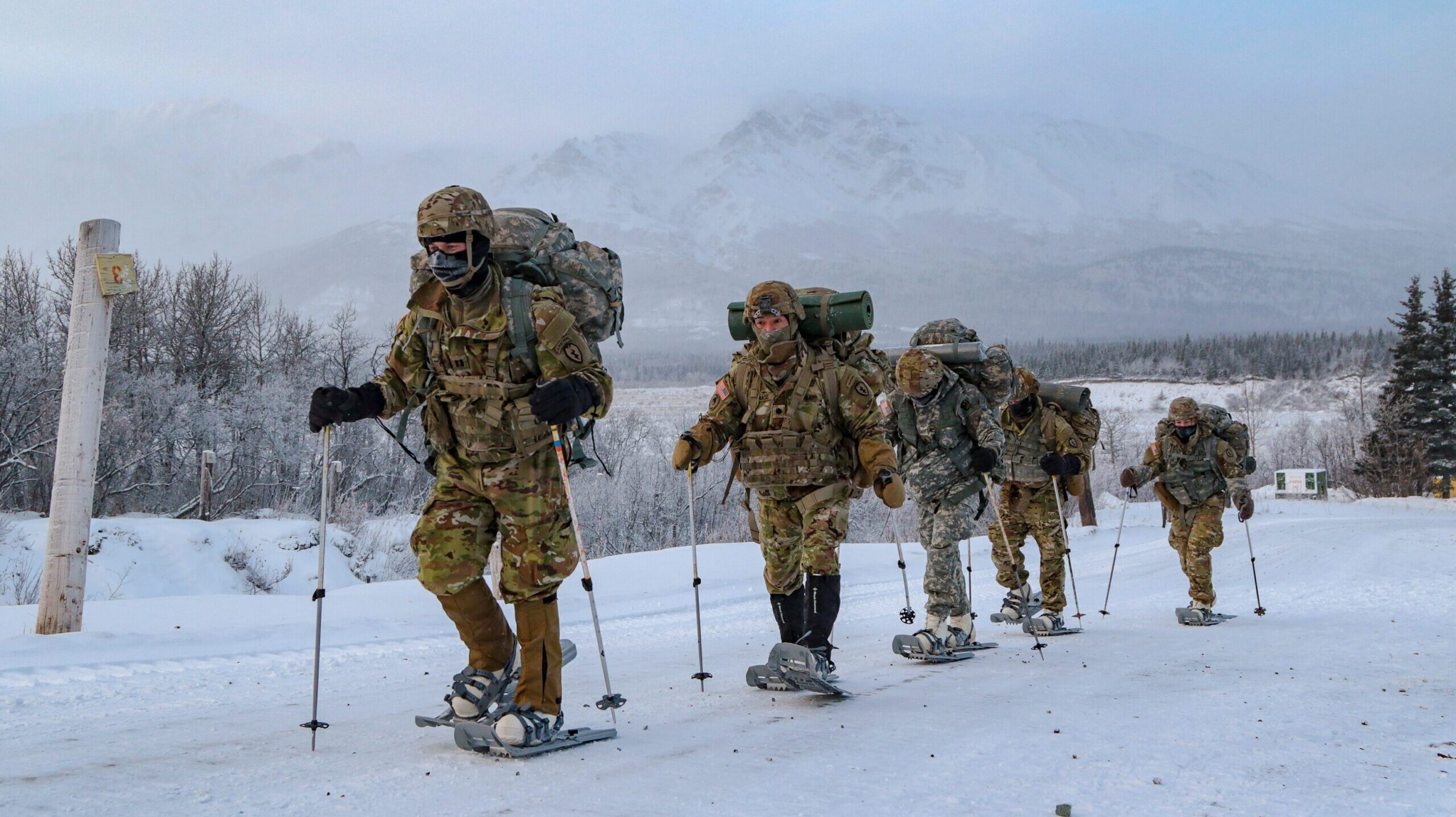
U.S. Northern Command is standing up a partnership called Nordic Bridge to improve collaboration among multiple U.S. commands as Arctic security concerns gain weight. Gen. Gregory Guillot, who leads both NORTHCOM and NORAD, said the effort will tie together NORTHCOM, NORAD, U.S. European Command, and U.S. Special Operations Command Europe.
The announcement, made during SOF Week in Tampa, was short on detailed structure, but the intent was clear. Guillot described the Arctic as increasingly important to homeland defense and said he wants to ensure the United States has the right level of presence in the region. Nordic Bridge is meant to help the relevant commands coordinate that presence more effectively.
Even at this early stage, the initiative is notable because it recognizes a practical problem that often shapes Arctic operations: the challenge is not only capability, but synchronization. Different commands can face overlapping responsibilities, regional seams, or differing operational priorities. A coordination mechanism is one way to reduce those gaps.
Why the Arctic matters more now
Guillot framed the issue in direct homeland-defense terms. He said the goal is to defend as far away from the homeland as possible and identified special operations forces as an especially suitable mechanism for that mission. He also said he envisions those forces being primarily focused on Alaska in relation to the Arctic region.
That framing is important. It places Arctic activity not at the margins of defense planning, but inside the logic of forward defense. In this view, the Arctic is not merely a harsh operating environment or a distant theater. It is an approach route, a coordination challenge, and a region where readiness and presence affect broader continental security.
The supplied report does not lay out a full threat assessment, and any attempt to do so would go beyond the provided material. But the operational message is clear: senior commanders see enough significance in Arctic coordination to create a named cross-command construct.
Special operations are central to the concept
Guillot’s remarks highlighted special operations forces as a key element of the Nordic Bridge approach. That emphasis suggests the partnership may focus not only on large force movements or traditional deterrence posture, but also on smaller, highly adaptive units suited for austere conditions and partner integration.
Adm. Frank Bradley, the commander of U.S. Special Operations Command, reinforced that logic at the same event. He said that if the United States wants to understand Arctic operations, it should learn from the best Arctic operators in the world by going to the experts in the high north. He argued that local knowledge, regional expertise, and diverse perspectives are critical to building a powerful alliance.
That comment helps explain why Nordic Bridge appears to be about more than internal U.S. staffing lines. Arctic effectiveness depends heavily on partner experience, environmental familiarity, and the ability to work across commands without duplication or gaps.
Exercises already point to the model
Guillot said NORTHCOM had already expanded cooperation by including Danish special operations forces in exercises such as Noble Defender after Greenland was moved into NORTHCOM’s area of responsibility. He said that arrangement has been working well and praised those partners for their skill in the harsh environment.
That example offers one of the clearest hints about what Nordic Bridge could look like in practice. Rather than a purely administrative reorganization, it may be a way to institutionalize cross-command and allied collaboration that is already occurring in exercises and planning.
The report notes that Guillot did not address controversial political comments about potentially claiming Greenland as U.S. territory. Instead, the operational discussion stayed focused on coordination and partner value. That distinction matters because the military case presented at SOF Week was about practical Arctic readiness, not rhetorical symbolism.
What Nordic Bridge may accomplish
Guillot said the partnership would help ensure commands do not send a disproportionate amount of force to the region or fail to send anyone at all. That is a revealing formulation. It suggests Nordic Bridge is intended as a balancing mechanism, one that can improve visibility across organizations and produce a more coherent allocation of people and resources.
Arctic operations are expensive, logistically difficult, and highly sensitive to timing, weather, and geography. Overcommitting can strain readiness; undercommitting can create exposure. A structure designed to coordinate planning across NORTHCOM, NORAD, EUCOM, and SOCEUR could help reduce both errors.
It also reflects a mature view of the problem. The Arctic challenge is not simply to increase presence, but to make presence purposeful, integrated, and sustainable.
A signal of where defense attention is moving
The announcement of Nordic Bridge belongs to a wider pattern in which the Arctic is drawing more sustained attention from U.S. defense leaders. The initiative’s significance lies in how it defines the mission: as one requiring cooperation across commands, forward defense thinking, and reliance on specialized forces and experienced partners.
The details of governance, budget, or force posture were not provided in the supplied source text. But the creation of a named partnership is itself a meaningful development. It indicates that Arctic security is being treated as an organizational problem that deserves dedicated structure.
If Nordic Bridge succeeds, its value may come less from creating entirely new forces than from reducing seams among the ones that already exist. That would make it a coordination instrument with strategic consequences, especially in a theater where distance, climate, and jurisdictional complexity can quickly turn minor disconnects into operational weaknesses.
For now, the essential takeaway is straightforward. The United States is putting a sharper coordination framework around Arctic defense activity, and it is doing so with an emphasis on allied expertise, special operations utility, and keeping the homeland defense mission anchored as far forward as possible.
This article is based on reporting by Breaking Defense. Read the original article.
Originally published on breakingdefense.com