A cautious automation step arrives in one of manufacturing’s most demanding environments
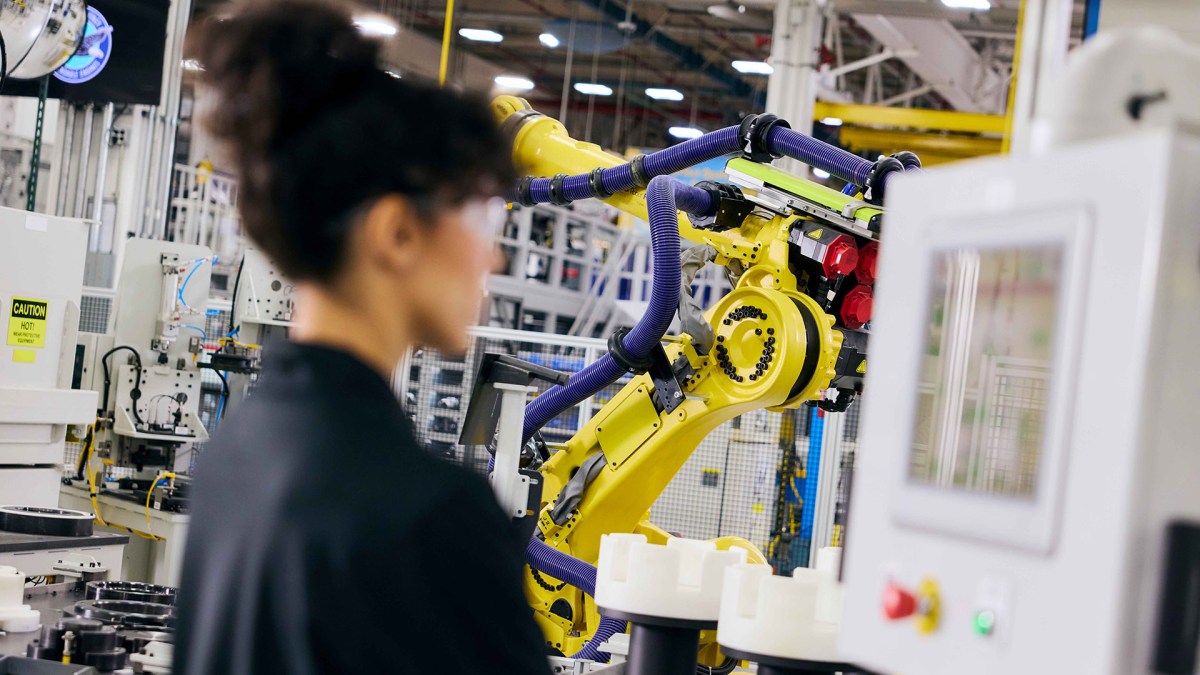
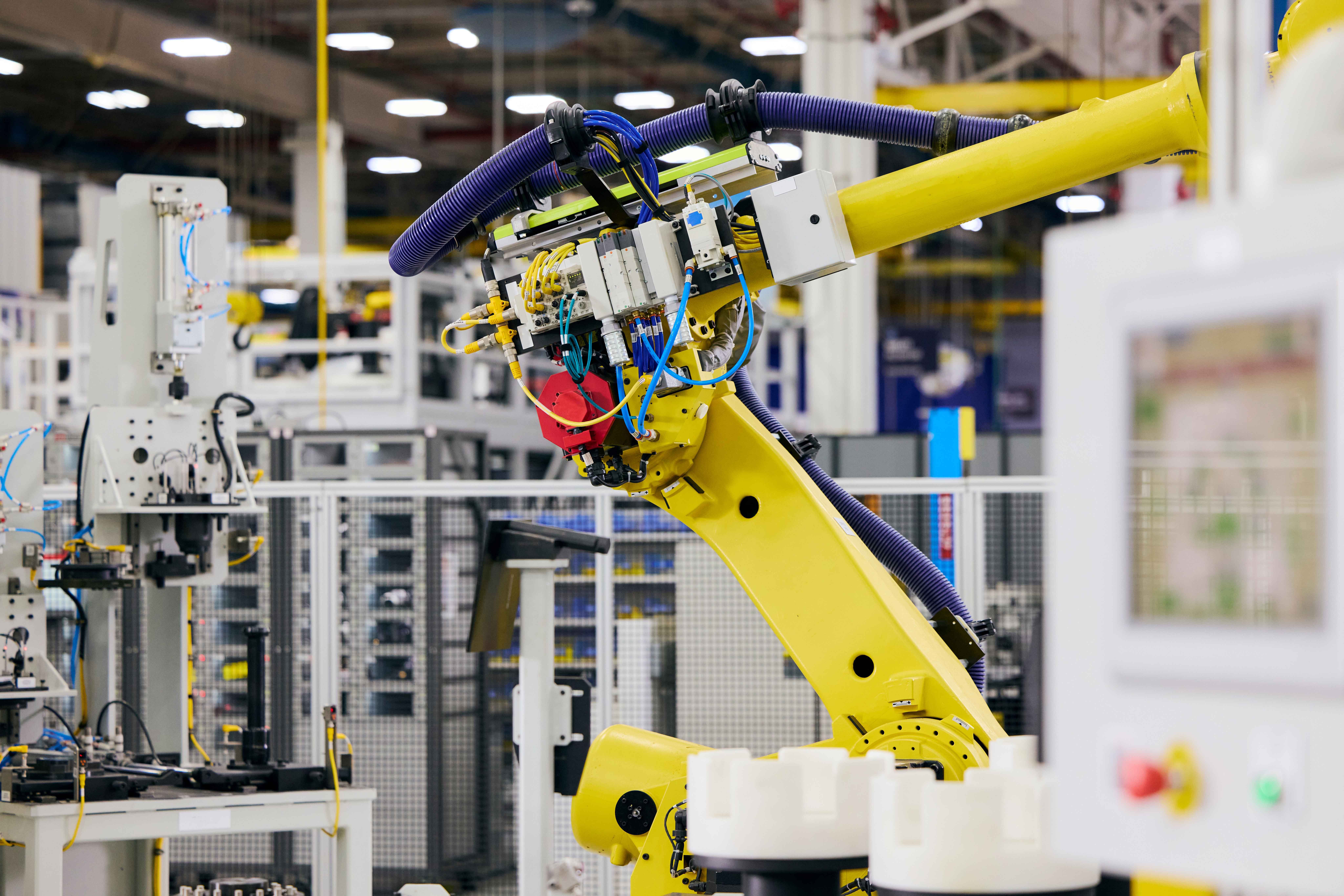
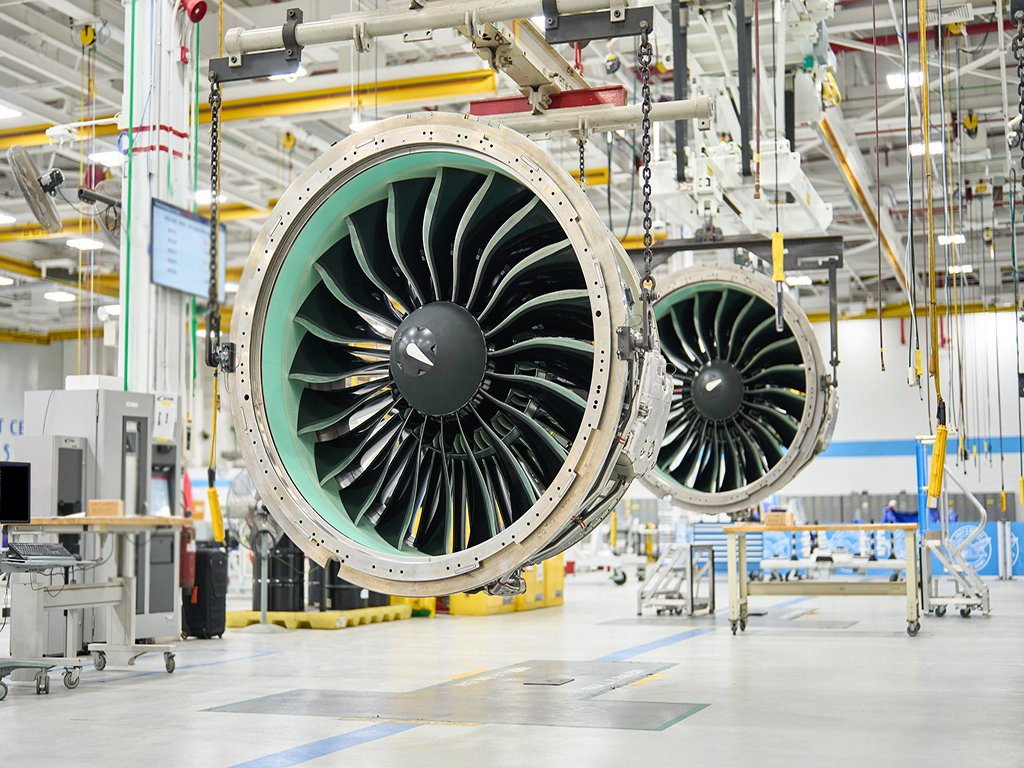
Pratt & Whitney has introduced a new industrial robot into jet engine production, giving a clearer look at how automation may spread through one of aerospace manufacturing’s most exacting workflows. The machine, known as the Bearing Automation Robotic Builder, or BARB, is now performing assembly processes for the #2, #5, and #6 bearings on the company’s commercial 1100G geared turbofan engine line in Middletown, Connecticut.
On paper, a factory robot joining an assembly line may not sound unusual. On a modern automotive or electronics line, it would barely qualify as news. In jet engine production, however, the bar is different. The work is highly regulated, deeply traceable, and unforgiving of error. Even minor contamination or an incorrectly executed step can have outsized consequences later in service. That is why Pratt & Whitney’s deployment of BARB is less a dramatic leap than a carefully staged signal about where aerospace manufacturing is headed.
According to company officials cited during a recent tour of the plant, BARB arrived in Middletown around late 2024 but only entered operation this spring after extensive testing. That lag is itself part of the story. Pratt & Whitney needed to verify that the robot’s cameras and sensors could identify parts reliably and carry out the right operations consistently before giving it a production role.
Why jet engine assembly has resisted full automation
Pratt & Whitney’s factory floors are still largely human-dependent. That reflects the nature of the product. A jet engine is assembled through tightly controlled steps that must be documented in a carefully maintained production log. The process leaves little room for improvisation, and very little tolerance for mistakes.
Foreign object contamination is one example of how strict that environment is. Workers are reminded throughout the facility to keep areas clear of loose materials, because even something small can become dangerous if it ultimately enters an engine intake. In that setting, introducing a robot is not simply a matter of swapping labor for machinery. It requires proving that automation can match the discipline, repeatability, and cleanliness demanded by aerospace manufacturing.
That helps explain why BARB is being framed as an early but meaningful step, not as a wholesale replacement for human assembly. The machine is entering a production system where reliability matters more than novelty, and where any automation has to earn trust through demonstrated consistency.
What BARB is doing now
BARB is focused on bearing assembly for Pratt & Whitney’s commercial 1100G engine, one of the company’s geared turbofan products used across Airbus and Embraer fleets. During the tour described in the source report, the robot was still at work even as much of the line had quieted after a push to complete outstanding deliveries by the end of the second quarter on July 1.
That image is revealing. It shows automation being used not as a marketing prop but as a production tool embedded in a specific, repetitive, high-precision segment of the workflow. Bearings are a practical starting point: important enough to matter, structured enough to automate, and measurable enough to validate.
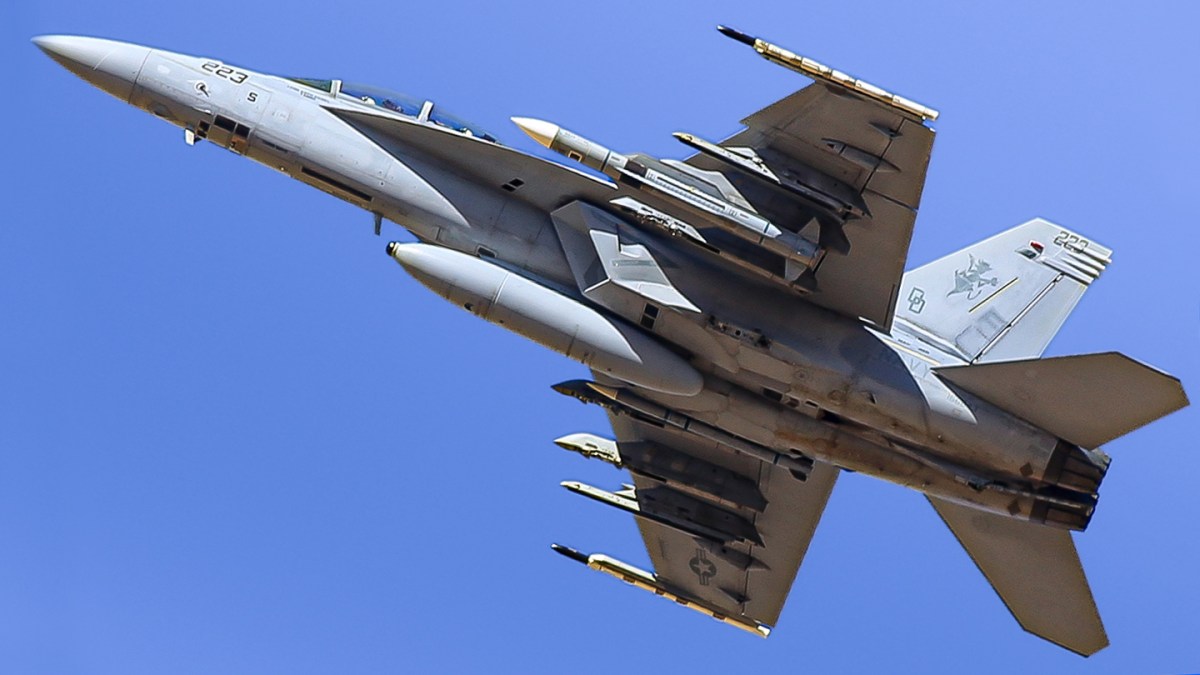
Pratt & Whitney described BARB as part of a $20 million investment in automation. The company also presented it as a modest first step toward broader use of automated systems, including possible lessons for the more complex military engine production line that operates in parallel in the same facility.
That distinction matters. If automation proves itself in the commercial line first, it can provide operational evidence for where similar systems might fit elsewhere. Aerospace manufacturers tend to scale new production methods through confidence-building rather than abrupt transformation.
What this says about the next phase of aerospace manufacturing
BARB’s arrival points to a more incremental model of industrial automation than the one often associated with factory robotics. Instead of fully autonomous lines, the near-term pattern may be selective deployment in tightly defined tasks where machine vision, repeatability, and controlled motion offer a clear advantage.
In jet engine assembly, that could mean robots gradually taking over procedures that are repetitive, ergonomically demanding, or especially dependent on precise execution. Human technicians would remain central, but their role could shift toward oversight, exception handling, validation, and higher-complexity assembly work that is harder to standardize.
That would fit Pratt & Whitney’s own presentation of the technology. The company did not portray BARB as replacing the assembly line. It portrayed the robot as an automation platform that had to be proven under real manufacturing conditions before it could be trusted with a small but important part of the process.
There is also an industrial timing issue behind the move. Aerospace manufacturers have been under pressure to improve throughput and execution after recent delivery strains. A robot that can perform a narrow task accurately and consistently does not solve every production bottleneck, but it can help stabilize one part of a larger system. In that sense, the significance of BARB is not just technical. It is operational.
A test case with wider implications
For now, BARB is a contained deployment. But contained deployments are often how durable manufacturing shifts begin. The hard part is not building a robot arm. It is integrating that robot into a production environment where every step has to be validated, documented, and repeatable under real-world conditions.
If BARB performs well over time, Pratt & Whitney will have more than a functioning machine. It will have a case study for where automation can enter aerospace assembly without compromising process control. That could influence future decisions about tooling, plant layout, worker training, and the division of labor between technicians and machines.
The broader lesson is that advanced manufacturing does not always change through visible disruption. Sometimes it changes through narrow, carefully audited insertions of new capability into legacy systems that cannot afford failure. BARB appears to be exactly that kind of insertion.
For the aerospace sector, this may be the more realistic path forward. Automation is coming, but not as a simple copy of automotive production. It will likely move station by station, task by task, in areas where companies can prove that machines meet the industry’s unusually high standard for precision and accountability. Pratt & Whitney’s bearing robot is a small deployment by scale, but a meaningful one by precedent.
This article is based on reporting by twz.com. Read the original article.
Originally published on twz.com