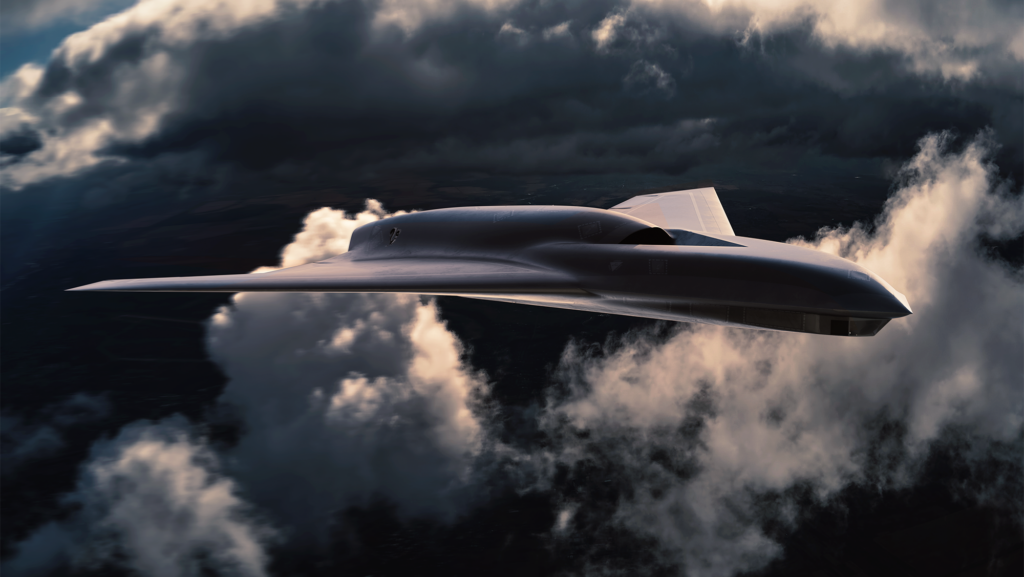
Navy expands its next-generation TACAMO fleet
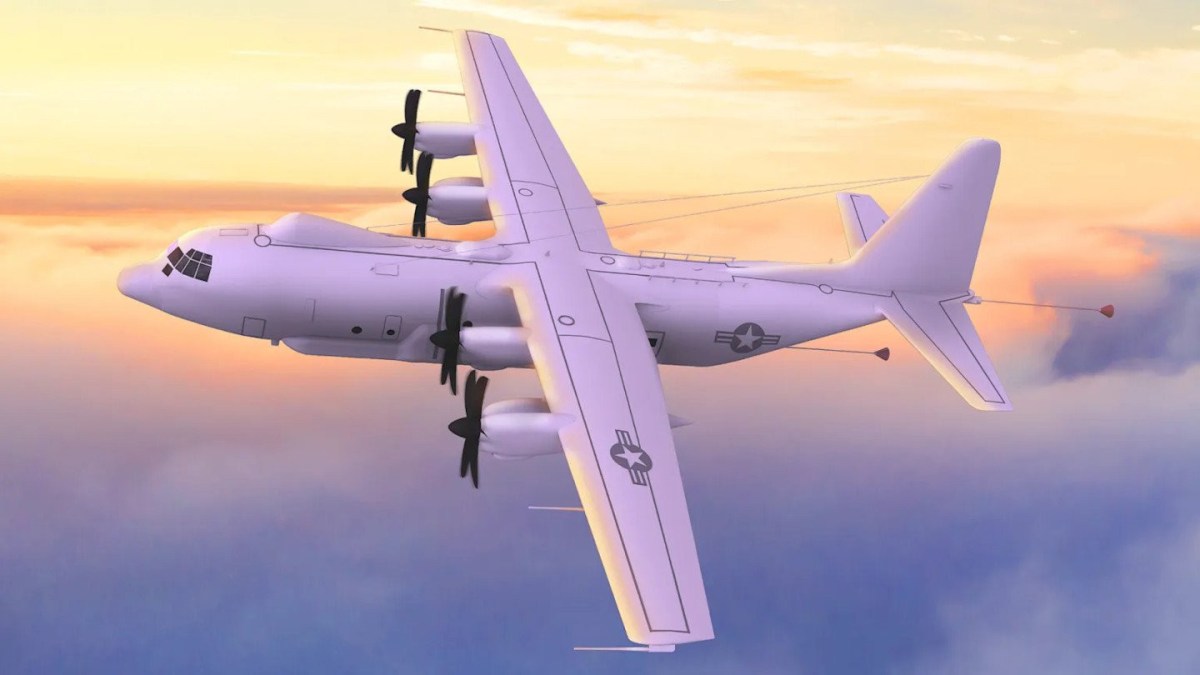
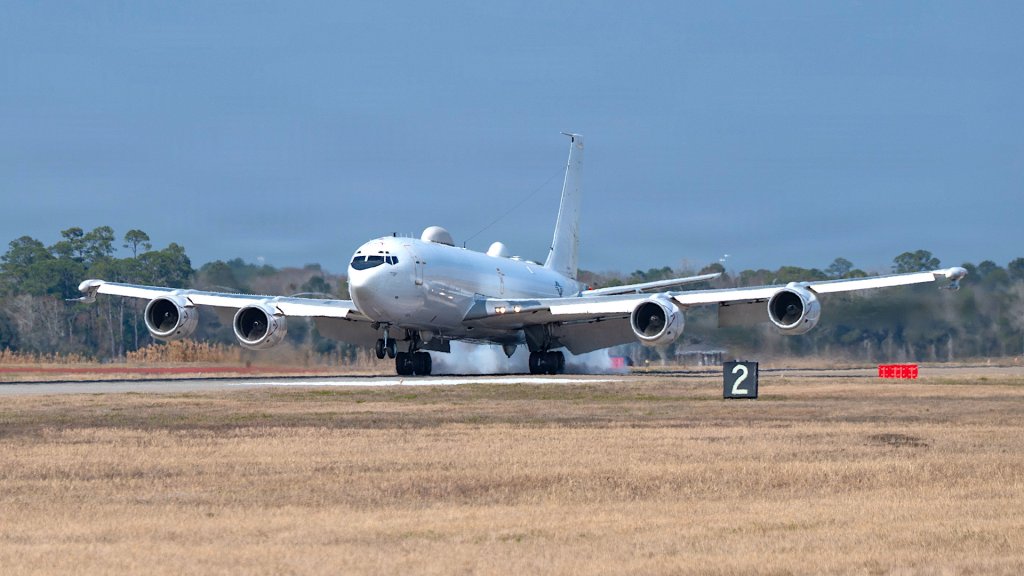
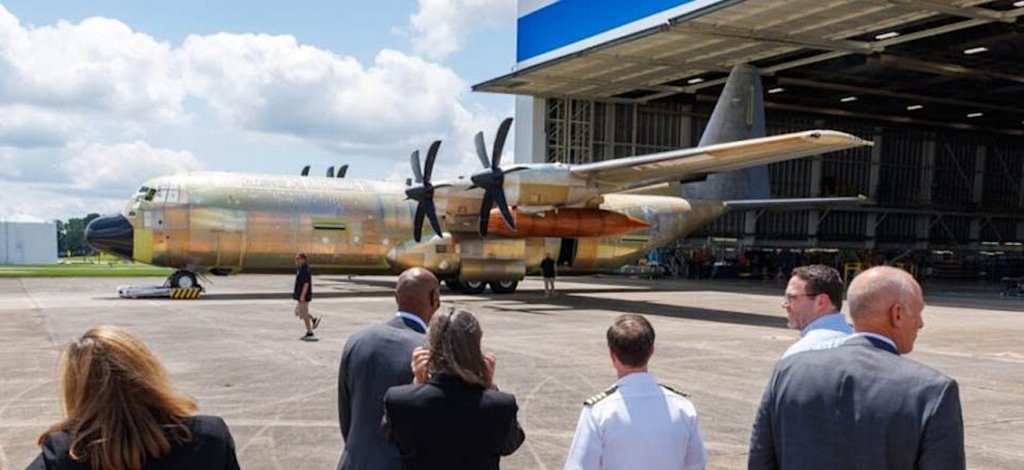
The U.S. Navy is planning a much larger force of next-generation airborne nuclear command-and-control aircraft than previously understood. According to a Pentagon acquisition report cited in the source material, the service intends to buy 31 E-130J Phoenix II aircraft to replace the 16 E-6B Mercury jets that currently perform the Take Charge And Move Out, or TACAMO, mission.
That mission sits in one of the most sensitive corners of the U.S. military. TACAMO aircraft provide airborne command-and-control support for ballistic missile submarines and can transmit launch orders to those boats while they remain submerged. Because of that nuclear support role, these aircraft are often described as “doomsday planes,” though the formal mission is about survivable communications and continuity of command in the most extreme scenarios.
The newly reported fleet size matters because it signals a broader restructuring, not just a routine one-for-one replacement. Moving from 16 E-6Bs to 31 E-130Js would nearly double the number of aircraft configured for this mission, even though the replacement platform is smaller and turboprop-powered rather than jet-powered.
What the Pentagon document adds
The source says the total planned buy appears in a Modernized Selected Acquisition Report dated April 21, 2026 and prepared as part of work on the proposed fiscal 2027 defense budget. That report lays out an acquisition plan of six pre-production E-130Js for development work and 25 production aircraft.
Until now, public disclosures had pointed to a much narrower early picture: six development aircraft and an initial low-rate production run of three to six more. The new figure therefore gives a fuller sense of the Navy’s intended end state and suggests the service is aiming for a materially different force structure once the Phoenix II is fielded.
The report does leave open a practical question. It is not clear from the disclosed details whether some or all of the six pre-production aircraft might eventually serve in operational roles. Even without that answer, the topline is now clearer: the Navy is planning around a fleet of 31 aircraft, not a small incremental batch.
Why a bigger fleet could make sense
On its face, replacing a smaller fleet of large jets with a larger fleet of smaller turboprops may seem counterintuitive. But the shift could reflect the operational demands of maintaining persistent coverage for a mission that depends on availability, endurance, and survivable communications more than raw speed alone.
A larger inventory can offer more scheduling flexibility for training, maintenance, testing, and alert commitments. It can also help offset attrition in availability that inevitably comes with highly specialized aircraft. If the Navy expects the E-130J to disperse the mission across more tails, that may reduce single-point pressure on each airframe compared with the legacy E-6B fleet.
At the same time, quantity is not a guarantee of resilience. The source notes that the Pentagon report acknowledges risks tied to operational availability, a concern the Government Accountability Office had already highlighted publicly. That suggests the Navy’s own planning recognizes that building a larger fleet is only one part of the problem. The aircraft also have to be ready often enough to support a mission where gaps are unacceptable.
Cost signals from the program
The acquisition report also offers a sharper look at cost. The estimated Program Acquisition Unit Cost, which includes research and development, is listed at $732.8 million per aircraft across the full 31-plane program. The Average Procurement Unit Cost for the 25 production aircraft is given as $360.9 million each.
Those are substantial figures, but the source says both measures are below baseline estimates, by 3.29% for the broader acquisition cost metric and 2.64% for the procurement-only figure. In defense procurement terms, that is notable. Programs in this class often attract scrutiny for cost growth first and schedule strain second. A report showing lower-than-baseline unit cost estimates does not eliminate risk, but it does suggest the program has not yet slipped into the kind of runaway headline associated with many major recapitalization efforts.
Still, the program’s economics should be viewed in the context of its mission. TACAMO is not a conventional airlift or surveillance requirement. It is a narrow, high-consequence communications mission tied directly to nuclear deterrence. That tends to make the acceptable cost threshold different from what lawmakers or watchdogs might tolerate in a more routine fleet replacement.
A recapitalization effort with strategic weight
The E-6B Mercury fleet has long filled an unusual niche, linking national command authorities with nuclear forces in circumstances where fixed infrastructure may be degraded or destroyed. Replacing that capability is not optional, but the manner of replacement carries strategic implications. A larger E-130J fleet could indicate that the Navy wants more geographic flexibility, more margin in readiness, or a more sustainable operating model over time.
It also underscores how the Pentagon is modernizing the support architecture around deterrence, not just the warheads, submarines, or missiles that usually dominate public debate. Communications survivability is part of the deterrent equation. A launch order that cannot be transmitted is as serious a problem as a platform that cannot fire.
From that perspective, the fleet-size disclosure is more than a procurement footnote. It suggests the Navy is preparing to spread one of its most sensitive missions across a larger number of airframes, while still wrestling with the availability risks that come with any complex new platform.
The next milestones will matter. Budget scrutiny, production performance, and operational testing will determine whether the Navy can turn its 31-aircraft plan into a reliable replacement for the E-6B force. For now, the clearest takeaway from the newly surfaced report is straightforward: the Phoenix II program is larger, and strategically more consequential, than the public picture had previously suggested.
This article is based on reporting by twz.com. Read the original article.
Originally published on twz.com