Enhanced security confirmed at two major US Air Force hubs
Enhanced force-protection measures are in effect at RAF Lakenheath and RAF Mildenhall in England, according to a US official who responded to questions from The War Zone. The US Air Force has not disclosed what prompted the measures, how long they have been in place or what specific steps are being taken.
The confirmation followed reports by aviation spotters of unusual aircraft activity around RAF Mildenhall. In a statement, the official said the measures were being applied across both installations and that the service continually assesses a range of factors when deciding which protections to introduce or modify.
The official said the Air Force was working with host-nation counterparts to reduce the impact of the heightened posture while protecting US personnel, their families and the local community. But the service declined to describe the security arrangements, citing operational-security concerns.
Why the bases matter
RAF Mildenhall and RAF Lakenheath are central nodes in the US Air Force presence in the United Kingdom. Their roles mean that a change in force-protection posture can draw attention beyond the immediate areas surrounding the bases, even when no additional details are released.
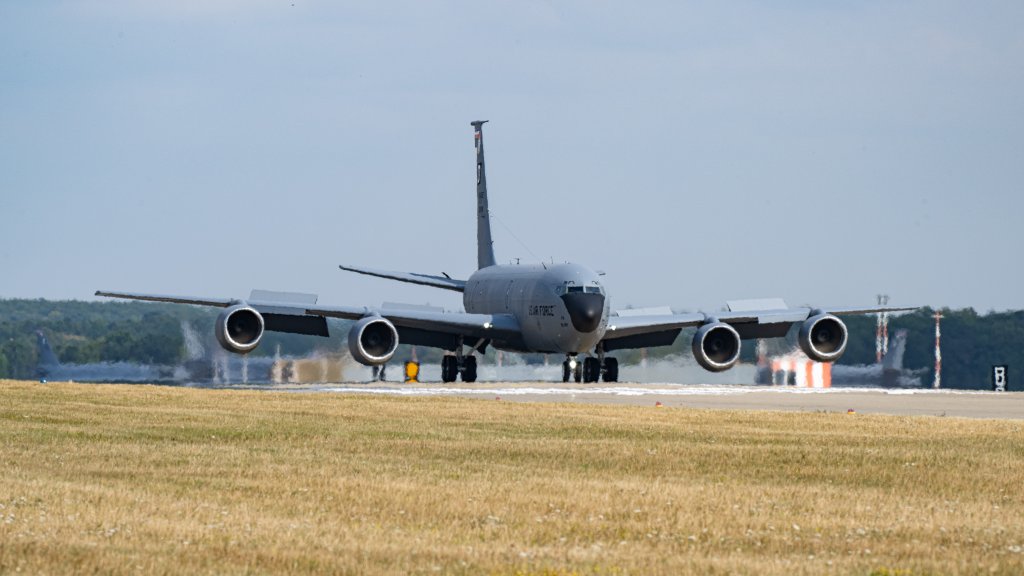
RAF Mildenhall is home to the 100th Air Refueling Wing, which operates KC-135 Stratotanker aircraft. The base also hosts RC-135V/W Rivet Joint reconnaissance aircraft, CV-22 Osprey tiltrotor aircraft assigned to Air Force Special Operations Command, and MC-130J Commando II special operations cargo aircraft.
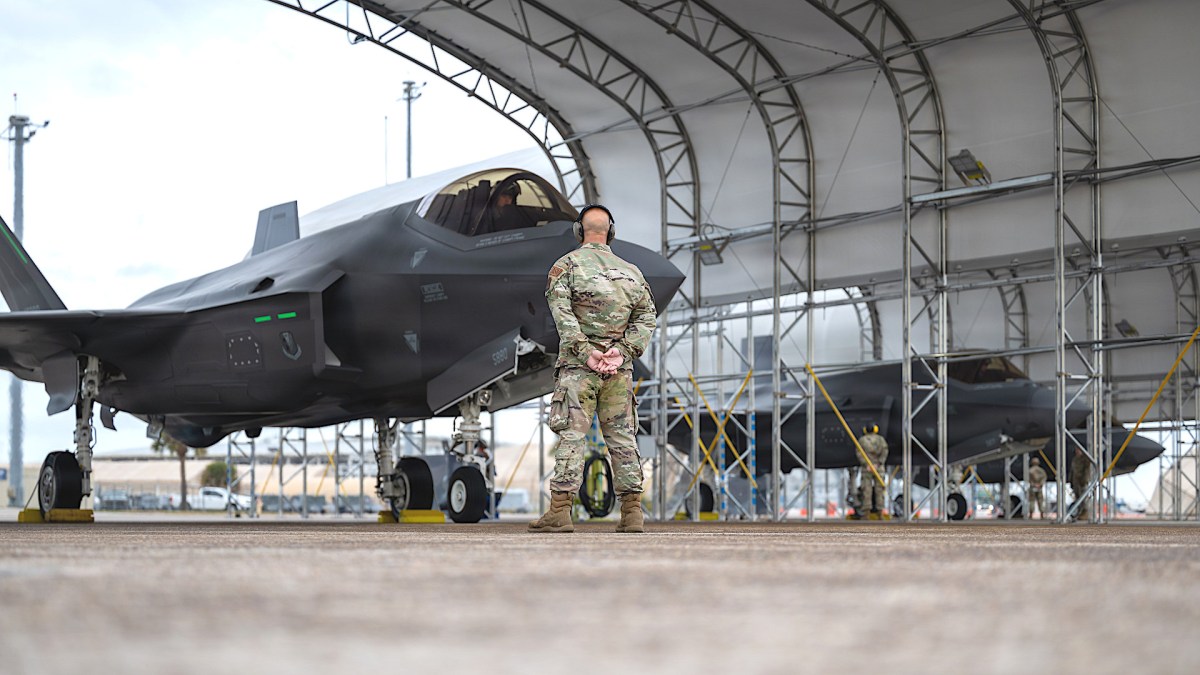
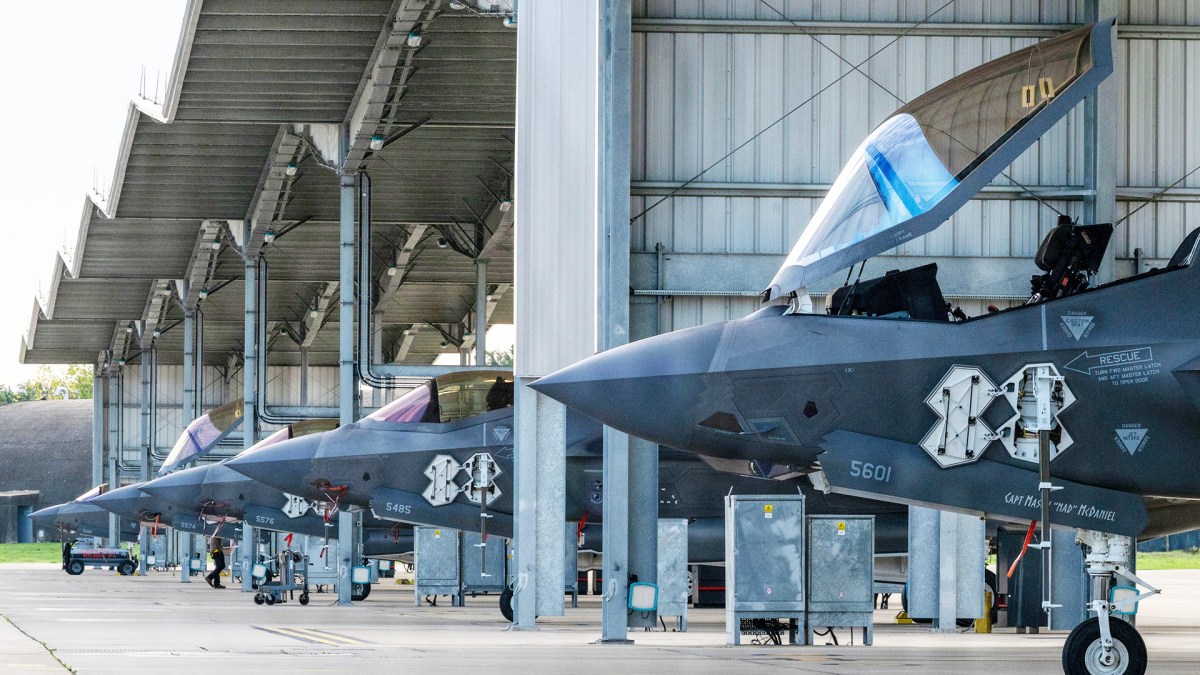
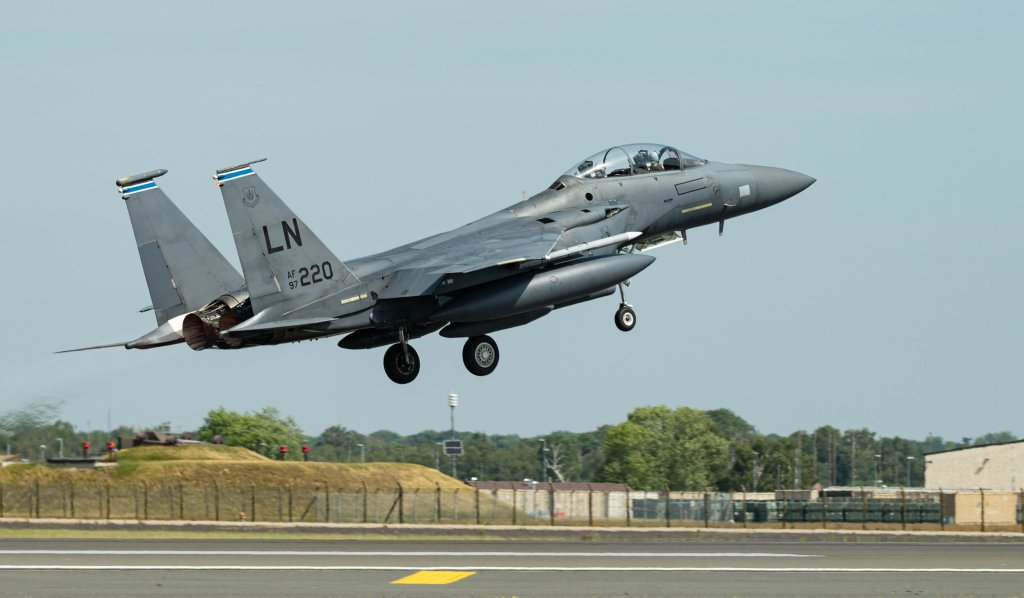
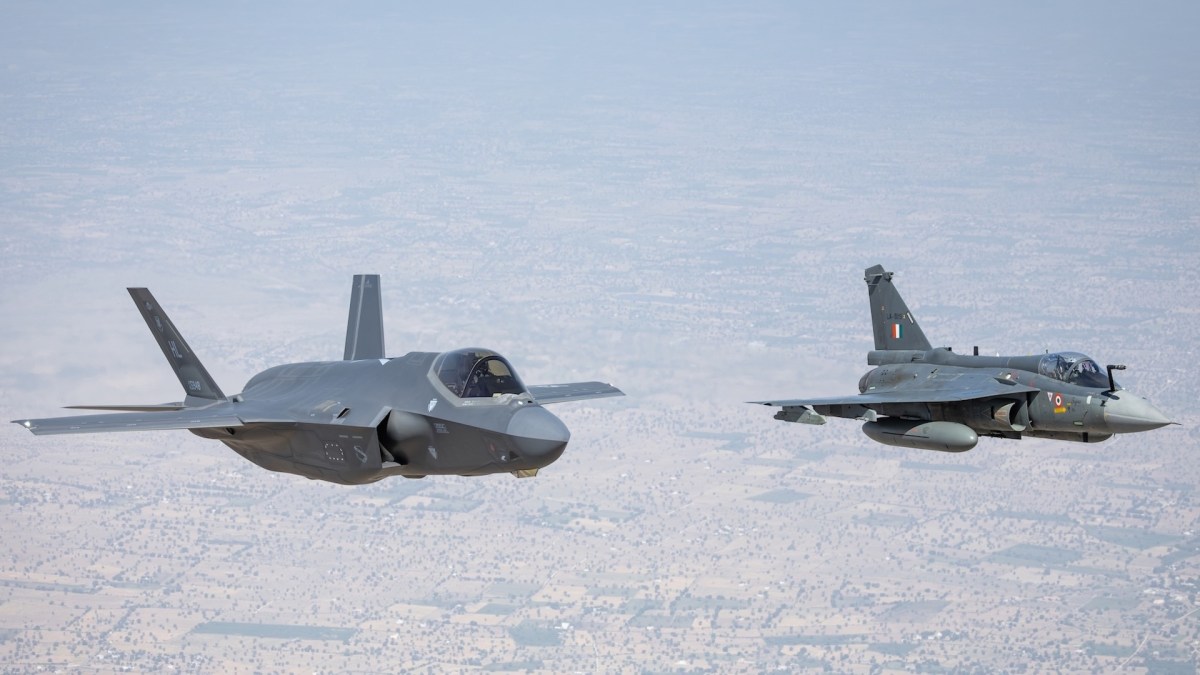
RAF Lakenheath hosts F-15E Strike Eagle and F-35A Lightning II aircraft. Together, the two bases support aerial refueling, reconnaissance, special operations and combat-aircraft missions, making them prominent US facilities in Europe.
The Air Force’s statement does not indicate that operations have stopped or that a particular threat has been identified. It confirms only that the security posture at the two bases has been raised. That distinction is important: enhanced protection can be a precautionary response to information or conditions that are not made public, rather than evidence of a disclosed incident.
Questions remain unanswered
The reason for the measures remains unclear. The official did not say whether the steps were connected to any particular investigation, event or intelligence assessment. The service also did not describe the scale of the changes, whether access procedures were altered, or whether the posture applies to other US facilities in the region.
The War Zone noted an earlier reported security incident at RAF Fairford in September and reporting that Iran was being investigated as a possible source. That episode reportedly preceded the hurried departure of B-1 Lancer bombers. The new statement, however, does not establish a connection between that reported investigation and the security measures at Lakenheath and Mildenhall.
With few public details, it would be premature to draw conclusions about the trigger. The available information supports a narrower account: the Air Force has acknowledged a heightened defensive posture at two UK bases and says it is coordinating with British counterparts.
Force protection is deliberately opaque
Military installations routinely avoid public discussion of detailed security measures. Disclosing how personnel, facilities, aircraft or access points are being protected can reveal vulnerabilities or help an adversary assess a base’s procedures. The Air Force official made that logic explicit, saying specific measures would not be discussed for operational-security reasons.
That creates an inherent tension in public reporting. Communities near installations, as well as aviation observers, can notice changes in movement patterns or base activity. Yet military authorities may provide only a general confirmation if they believe further disclosure could compromise security.
In this case, the official statement offers a limited but meaningful acknowledgement. The measures are not merely an unverified observation: the Air Force says enhanced force protection is in place. At the same time, the lack of detail leaves the underlying circumstances unknown.
What to watch next
The key question is whether the Air Force provides more information as the situation develops. A return to a normal posture, a change in the scope of the measures or an official explanation of the assessment that prompted them would each clarify the significance of the announcement.
For now, the practical message is that two installations supporting some of the Air Force’s most consequential missions in Europe are operating under strengthened protection. The Air Force says the purpose is to safeguard its people, families and the local community, while minimizing disruption in cooperation with the United Kingdom.
Until officials identify a cause, the episode should be understood as a confirmed security adjustment rather than as confirmation of any particular threat or incident.
This article is based on reporting by twz.com. Read the original article.
Originally published on twz.com