F-35s join India’s largest multinational air exercise
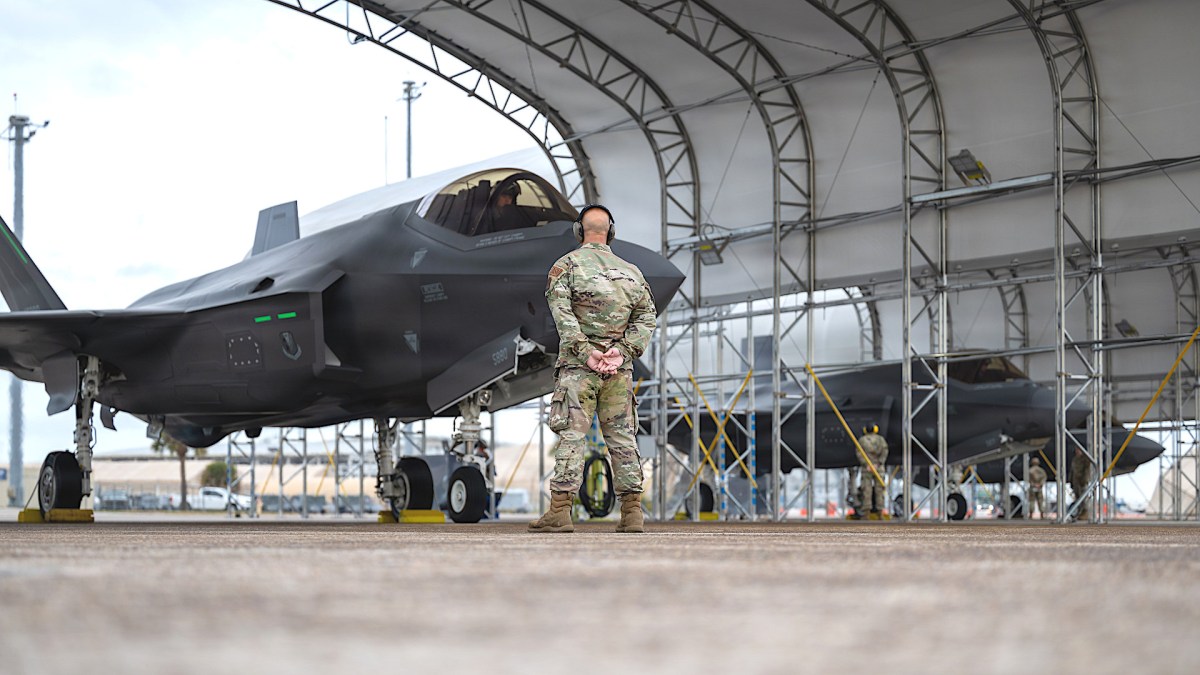
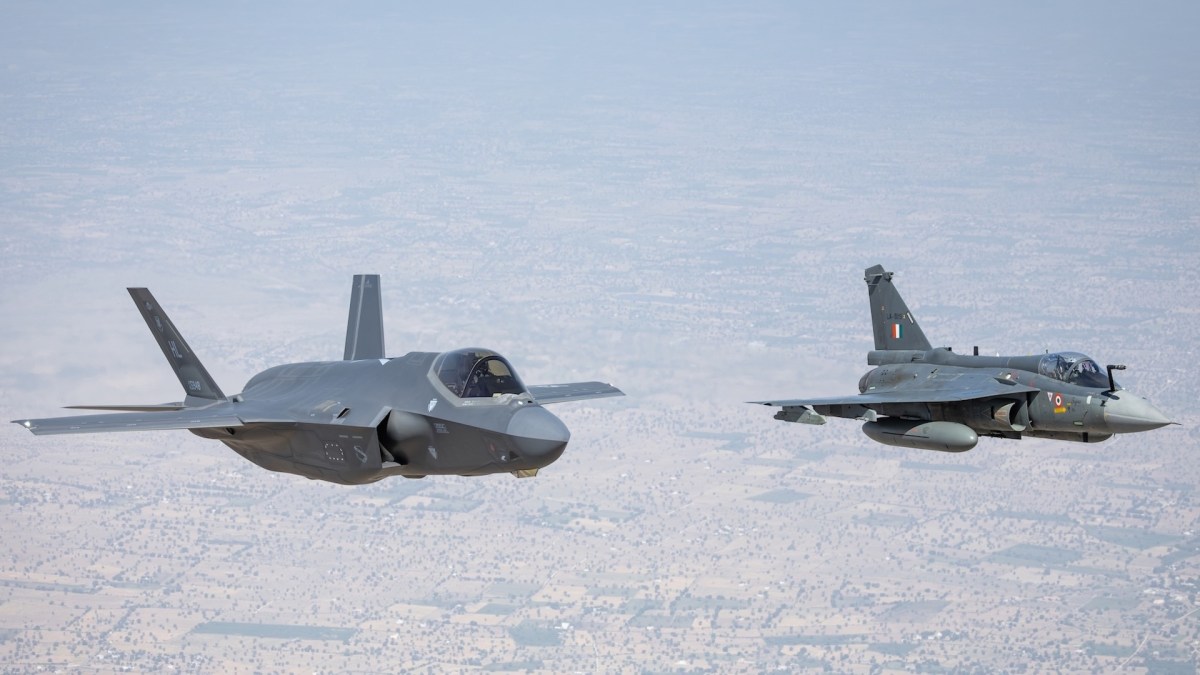
U.S. Air Force F-35A stealth fighters have operated from Indian soil in an exercise with the Indian Air Force for the first time, a notable milestone in the expanding military relationship between Washington and New Delhi.
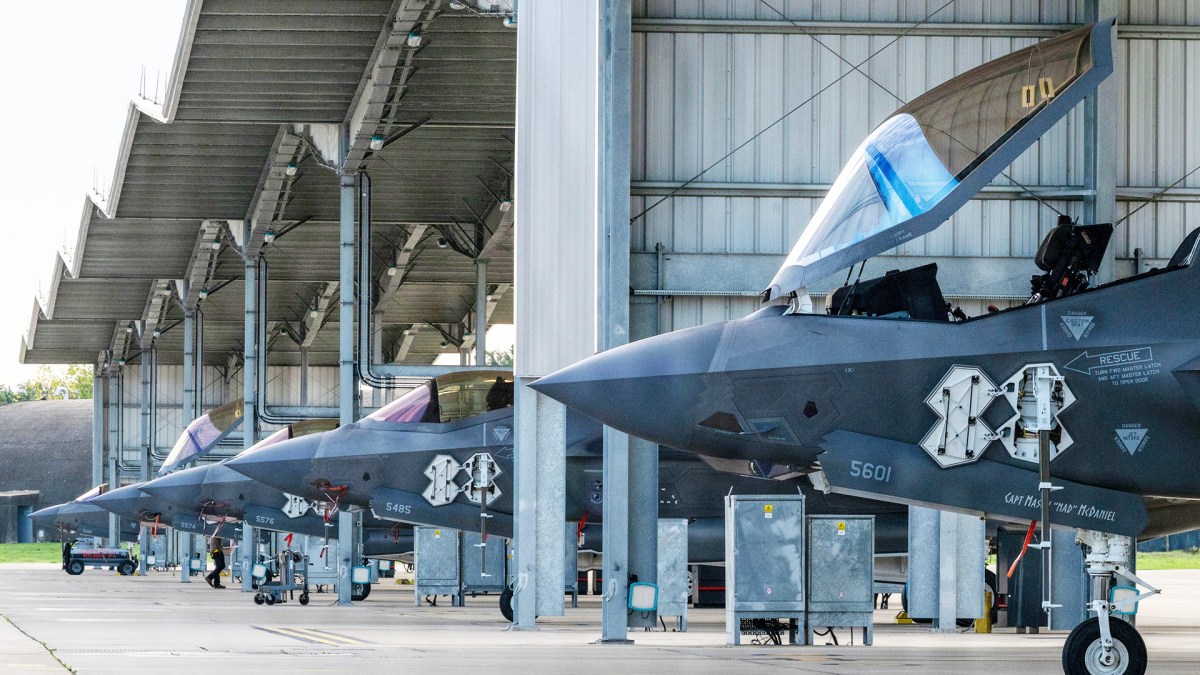
Six F-35As from the 13th Fighter Squadron at Misawa Air Base in Japan took part in Tarang Shakti 2026 at Jodhpur, Rajasthan. The deployment included more than 200 airmen and KC-135R tanker support from Kadena Air Base. The fighters arrived on September 26 for an exercise that ran through October 12.
The appearance brought a fifth-generation combat aircraft to an Indian air base during what the Indian Air Force presented as its largest multinational air exercise. It also moved beyond the F-35’s previous public appearances in India, which had been limited to displays at Aero India in 2023 and 2025, as well as a separate India-United Kingdom activity involving British carrier-based F-35Bs.
A broader multinational gathering
Tarang Shakti returned after India hosted its first major multinational air exercise in more than six decades two years earlier. Organizers have sought to make the event a biennial fixture, and the 2026 edition was held as a single continuous exercise centered on Jodhpur and nearby bases in Rajasthan.
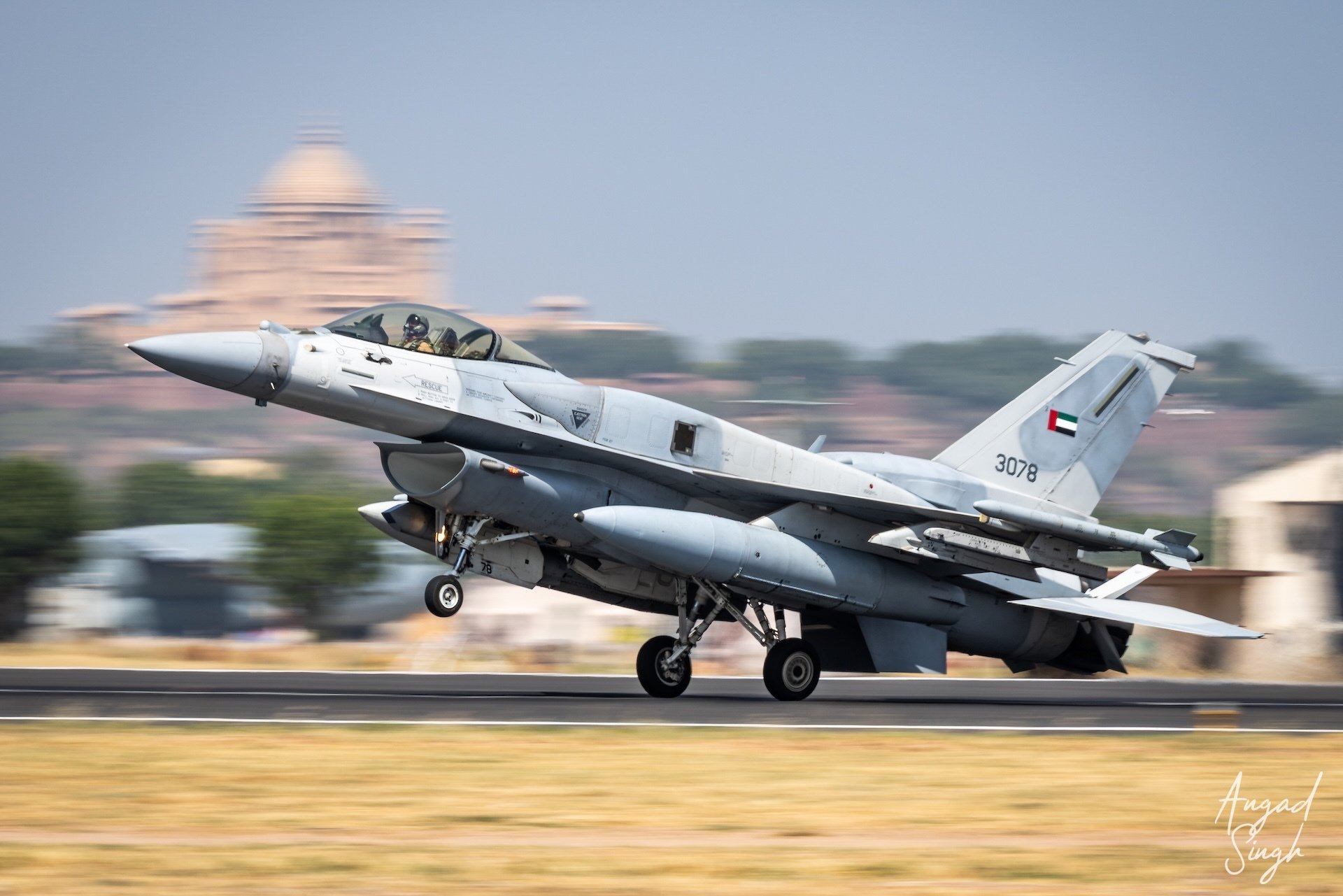
Seven foreign air forces sent flying detachments. France, the United Arab Emirates, and the United States contributed fighters, while Australia, Bangladesh, Germany, and Sri Lanka supplied transport or special-mission aircraft.
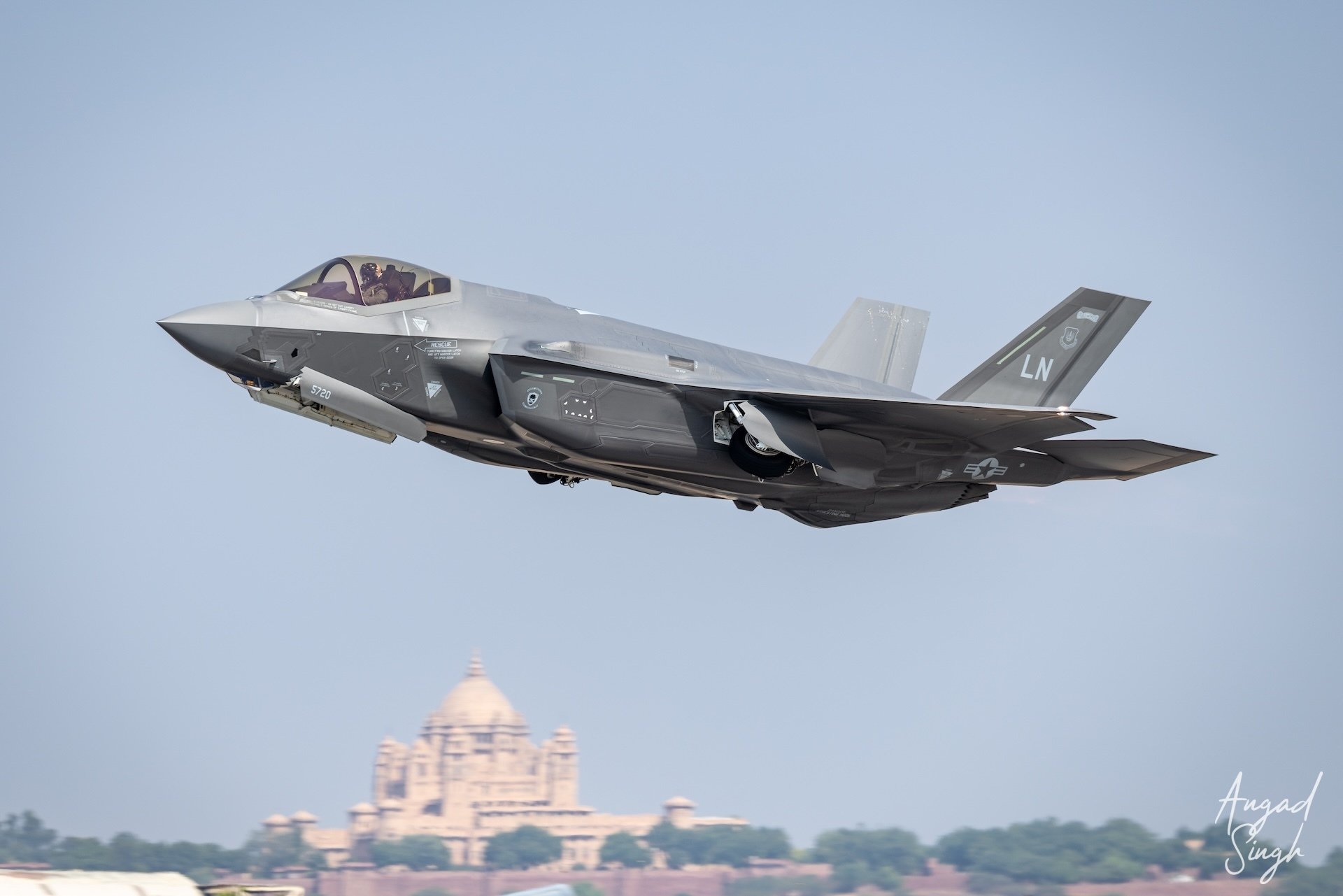
The lineup gave the Indian Air Force an opportunity to train alongside a varied group of regional and extra-regional air forces. The article identifies U.S. F-35As, UAE F-16E Desert Falcons, and Indian aircraft including DARIN III Jaguars, MiG-29UPGs, and Su-30MKIs among the participants shown or discussed.
Why the F-35 deployment matters
Operating a stealth fighter from a foreign base is more involved than a flypast or an air-show visit. It requires ground support, security arrangements, maintenance planning, communications coordination, and tanker support. The participation of KC-135Rs and a large U.S. personnel contingent underlines that the F-35 appearance was a deployed exercise activity, not merely a symbolic static display.
U.S. Ambassador Sergio Gor described the arrival as another example of trust between the two countries, saying the F-35 does not operate “just anywhere,” according to the report. That framing highlights the diplomatic significance attached to the deployment, even as the aircraft’s role at Tarang Shakti was primarily training.
For India, hosting the aircraft demonstrated an ability to support a highly advanced foreign combat platform in the context of a multinational exercise. For the United States, it created an opportunity to train with Indian and partner forces in a setting distinct from the Pacific bases from which the participating squadron normally operates.
Training and regional signaling
Multinational air exercises are designed to develop operational familiarity among participating forces. They can test planning processes, air-to-air coordination, refueling support, and procedures for operating mixed fleets. The diverse set of aircraft at Tarang Shakti also gave participants a chance to work in an environment that brought together Western, Russian-origin, and regionally operated platforms.
The first F-35 deployment to an Indian air base adds a new element to that training environment. Fifth-generation fighters are built around low observability, sensors, and data fusion, so their inclusion can shape how other aircraft and command structures practice operating alongside advanced systems.
The event does not by itself signal a procurement decision or permanent deployment arrangement. The source describes it as an exercise participation, and the available information does not establish any broader agreement involving F-35 basing or acquisition. Its immediate significance is operational and diplomatic: U.S. F-35s trained from an Indian base with the Indian Air Force and other international participants.
A milestone, with limits
The deployment is best understood as a first-of-its-kind training milestone rather than a standalone transformation of regional airpower. Six aircraft and their support personnel participated in a time-limited exercise. Yet first deployments can matter because they establish experience, relationships, and precedents that can support more complex cooperation later.
Tarang Shakti’s return as a planned biennial event gives India a recurring venue for such cooperation. In 2026, the F-35 presence ensured that the exercise attracted particular attention. It also marked a concrete new chapter in U.S.-India air-force engagement: the first time the aircraft has operated from an Indian air base in an exercise with the IAF.
- Six U.S. Air Force F-35As deployed to Jodhpur from Misawa, Japan.
- Tarang Shakti 2026 ran from September 26 to October 12.
- Seven foreign air forces participated in the Indian exercise.
This article is based on reporting by twz.com. Read the original article.
Originally published on twz.com