Tyndall proposal puts physical protection back in focus
The U.S. Air Force is exploring whether netting could help protect F-35 fighters at Tyndall Air Force Base in Florida from drone attacks, a tentative step that underscores the growing attention paid to relatively simple physical defenses against uncrewed aerial threats.
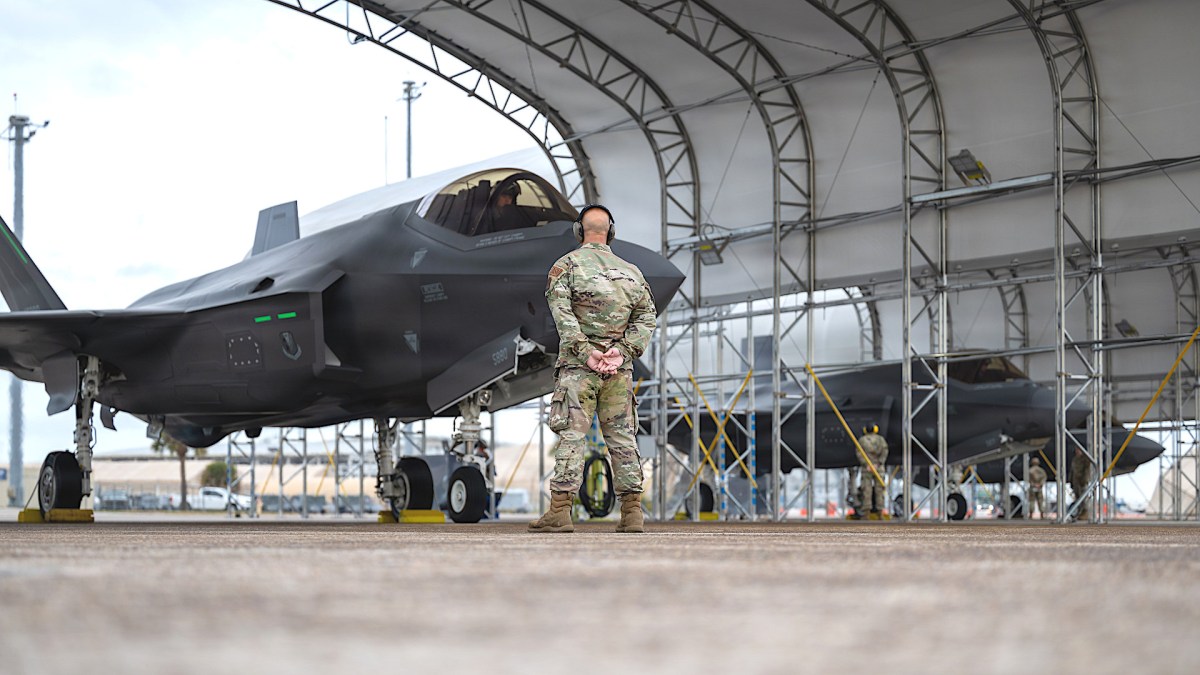
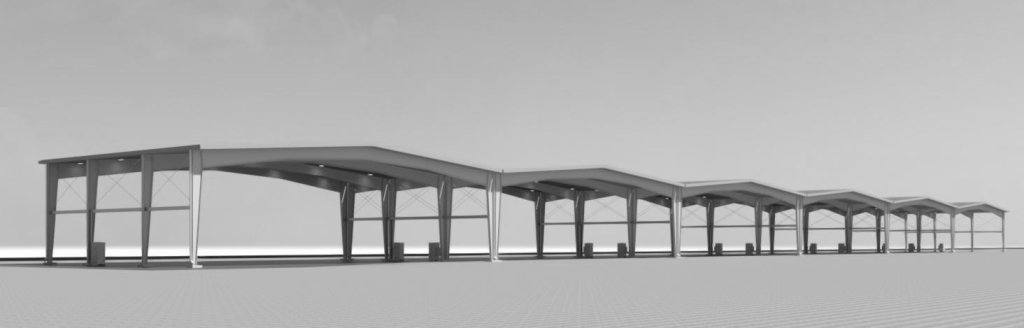
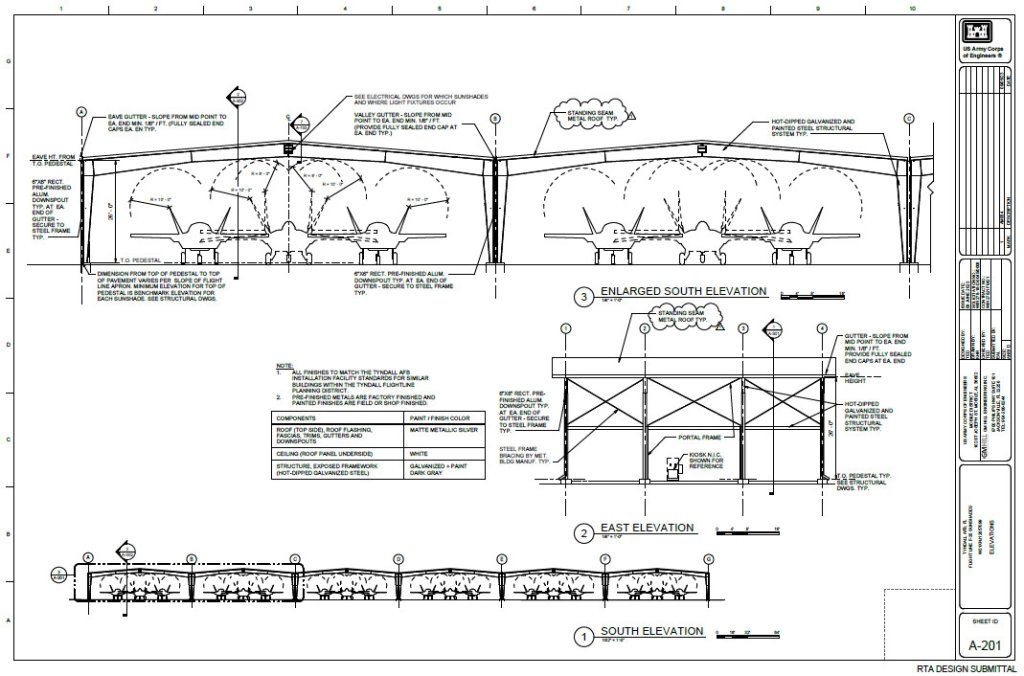
The effort is not yet a finalized installation program. Tyndall’s 325th Contracting Squadron announced market research seeking qualified sources capable of providing the design, materials, labor and equipment needed to furnish and install counter-unmanned aircraft system netting. The proposed work would cover six sunshade-type aircraft shelters at the base.
Each of the open-ended structures is listed as 630 feet long, 65 feet wide and 30 feet high, and each is designed to accommodate up to six F-35A aircraft at a time. If pursued, the proposal would place a visible physical barrier around facilities that otherwise provide shade but leave aircraft exposed at their open ends.
A response to a changing threat
The potential use of netting reflects a basic operational concern: aircraft on the ground are valuable assets that cannot rely on speed, maneuverability or onboard defensive systems while parked. Small uncrewed aircraft have made that vulnerability more pressing because they can be comparatively inexpensive, can approach at low altitude and can be used to observe or threaten facilities from close range.
The Tyndall notice specifically describes the netting as counter-UAS infrastructure. It does not establish a final design, a contract award or a schedule for construction. But the market-research language shows the Air Force is examining the practical requirements for adapting existing shelter infrastructure to a counter-drone role.
Physical defenses such as netting do not depend on detecting and electronically disrupting a drone alone. In principle, they seek to deny an aircraft a direct route into a protected area. That makes the approach especially notable at a time when military planners are weighing layers of protection that can include detection, warning, electronic systems and hardening of facilities.
Why Tyndall is a consequential site
Tyndall is a major hub for Air Force F-35 operations. Located in Florida’s Panhandle, it has access to extensive Gulf ranges and supports training and other activities. The base also hosts the Checkered Flag large-force exercise series, which regularly brings together participants from across the U.S. military as well as allied and partner nations.
The six shelters named in the notice represent only part of the sunshade-type shelter capacity at the base. The report also notes that F-35s and other aircraft, including visiting aircraft participating in exercises and training, regularly park in the open along Tyndall’s flightline. That means netting at the specified structures would be a targeted protective measure rather than a complete solution for every aircraft and parking location at the installation.
Even so, the scale of the structures under consideration is revealing. A shelter capable of holding several fighters is a concentrated area of high-value equipment. Adding a barrier there could protect a meaningful portion of aircraft operations without requiring an entirely new hardened facility.
Hardening enters the Air Force debate
The proposal also highlights an unresolved institutional question: how much the Air Force should invest in physical hardening of bases. The report describes growing support for such measures across the U.S. military, particularly in response to uncrewed aerial threats, while noting that the Air Force has faced criticism for moving slowly or resisting some hardening efforts.
That debate is partly about priorities. Permanent structures and protective works can require capital investment, take time to plan and may not address every kind of threat. Yet the rapid spread of small drones has made the vulnerability of aircraft, personnel and infrastructure on airfields harder to treat as a peripheral issue.
The Tyndall market research does not settle that larger debate. It does, however, translate it into a concrete question: whether counter-drone netting can be installed around existing F-35 shelters, and which contractors could perform the work. That is a more immediate and practical form of planning than a broad policy statement.
What happens next
Market research is an early procurement step, not a commitment to buy. The Air Force is identifying potential sources capable of completing the design and installation work. Any final project would still depend on decisions that are not detailed in the notice.
For now, the significance lies in the direction of travel. Tyndall’s inquiry suggests that the Air Force is evaluating a defense that is low-tech in appearance but designed for a distinctly modern problem: protecting advanced fighters from small, uncrewed aircraft while they are on the ground.
Whether netting becomes a standard element of airbase protection remains an open question. At Tyndall, though, the possibility has moved beyond an abstract discussion of hardening and into an examination of specific shelters, dimensions and installation capabilities.
This article is based on reporting by twz.com. Read the original article.
Originally published on twz.com