A different aircraft for bomber aircrew readiness
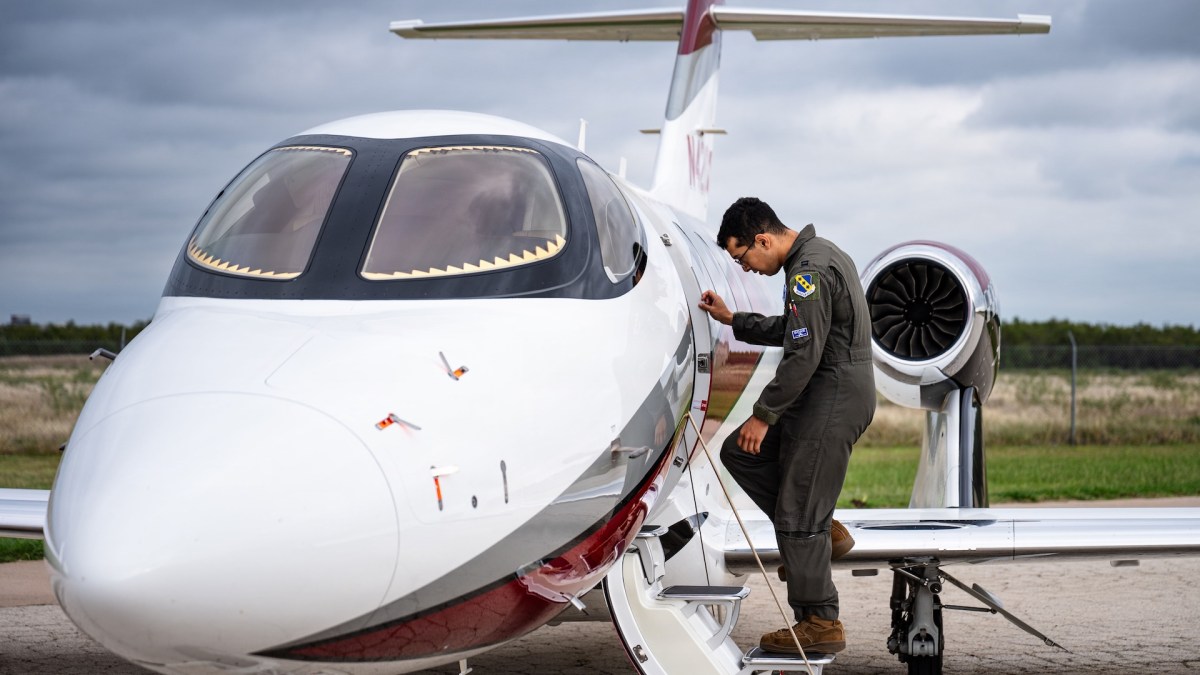
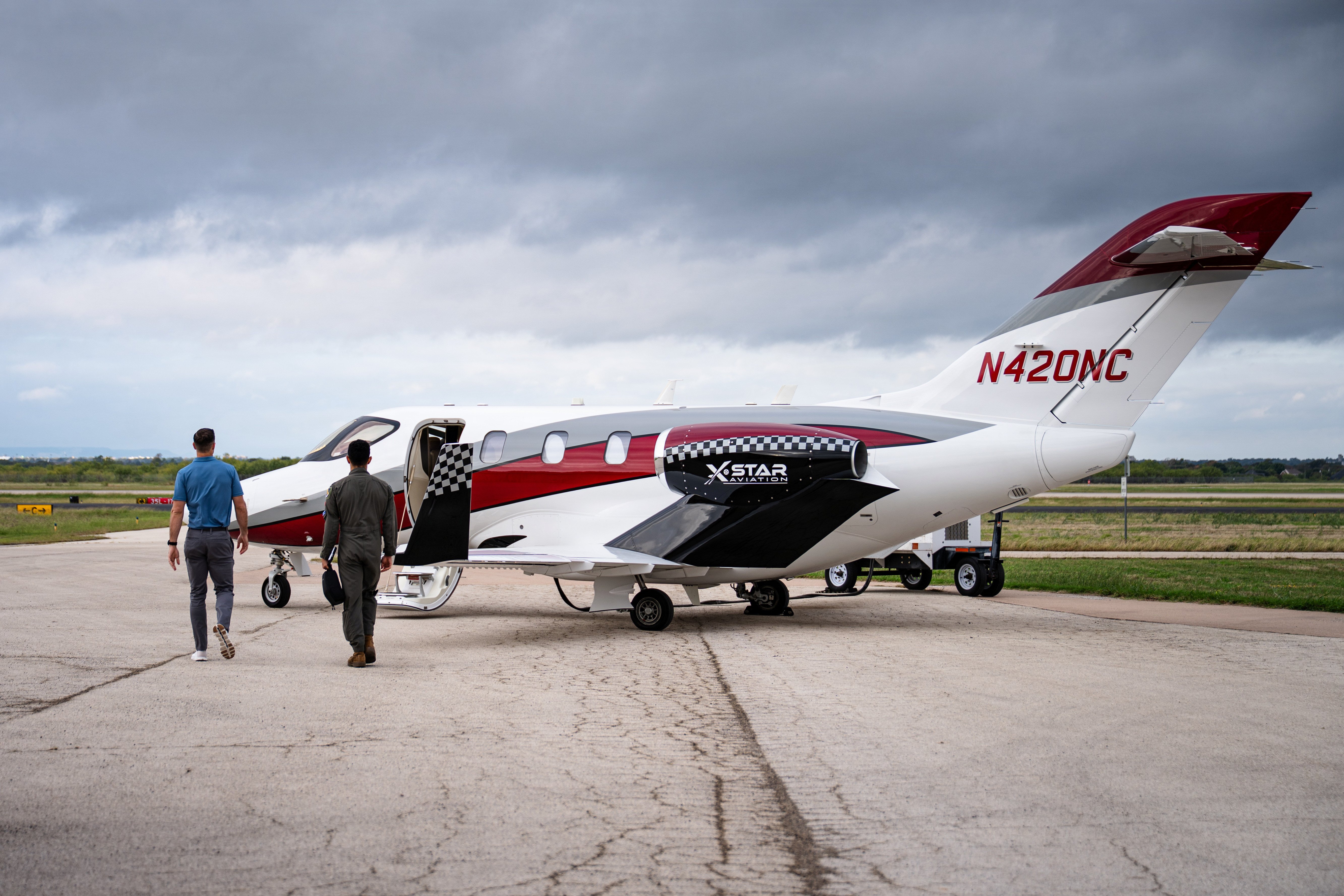
U.S. Air Force B-1B Lancer pilots have begun training in contractor-operated HondaJets under a new program intended to add flying time without placing further demands on the bomber fleet. The Bomber Supplemental Trainer for Aircrew Readiness, or BSTAR, started flights in Abilene, Texas, near Dyess Air Force Base earlier this month.
The first military training flight took place on November 2, 2026, with a B-1 pilot at the controls. Air Force Global Strike Command formally launched the initiative two days later. The basic idea is straightforward: use a much smaller civilian business jet to build foundational flying skills, while preserving B-1 sorties for the specialized training that only the bomber can provide.
That separation could matter for a force that must balance readiness, aircraft availability and operating cost. The Air Force says combat-ready aircrews depend on airmanship, decision-making and time in the air. BSTAR is designed to increase the latter without consuming additional hours on a complex strategic bomber.
How the contractor model works
The program uses a contractor-owned, contractor-operated model. XSTAR Aviation supplies the HondaJet aircraft, instructor pilots, maintenance, scheduling and other support. Operations are based at Abilene Regional Airport, so the service does not have to dedicate extra B-1 aircraft or military maintenance personnel to the readiness effort.
Air Force Global Strike Command commander Gen. S.L. Davis said the program provides more flying opportunities at a far lower cost than flying the bombers themselves. The model also keeps the added training geographically close to Dyess, one of the Air Force’s B-1B bases, rather than requiring an additional permanent military flying detachment.
The use of civilian jets does not turn a HondaJet into a bomber trainer in the mission-specific sense. Instead, the program targets core flying proficiency. The aircraft offer a platform for pilots to practice foundational airmanship and cockpit decision-making before applying those skills in B-1 operations and more specialized combat preparation.
About 100 additional hours per pilot
The stated goal is to provide eligible B-1 pilots with about 100 additional flight hours each year. That amount is roughly equal to four additional two-hour sorties per month. For aircrews, those hours can be a meaningful supplement to flying that is already scheduled in the bomber force.
Because the program uses contractor aircraft and personnel for the supporting functions, B-1 aircraft can remain focused on their own training requirements. The arrangement is also intended to avoid placing additional burden on military maintainers. In effect, BSTAR creates a separate pipeline for recurrent flying experience while leaving scarce bomber capacity for bomber-specific work.
The first flights and launch event indicate the initiative has moved from concept into operations. Davis participated in the November 4 launch event alongside an incoming B-1 pilot, while Maj. Gen. Ty Neuman, commander of Eighth Air Force and the Joint-Global Strike Operations Center, took part in an observer flight.
A readiness experiment with a practical premise
Military aviation has long faced a tradeoff between maintaining pilot currency and limiting wear, cost and scheduling pressure on front-line aircraft. BSTAR approaches that problem by separating the skills that require a B-1B from the skills that can be developed in another jet. The premise is not that the platforms are interchangeable; it is that not every useful flight hour has to occur in the mission aircraft.
The approach also shows how commercial aviation resources can be integrated into an Air Force training system. Under the contractor-operated structure, the government receives aircraft access, instruction and operational support as a service rather than owning and sustaining a dedicated supplemental fleet.
The War Zone report says the initiative is set to expand. Its operational value will depend on whether the additional flying hours translate into stronger readiness while meeting safety, scheduling and cost expectations. The Air Force has framed the early objective clearly: give B-1 pilots more time at the controls, and reserve the Lancer fleet for the training only it can deliver.
What it could mean for the B-1 force
For now, BSTAR is a focused readiness initiative centered on B-1 pilots at Dyess. Its significance lies less in the HondaJet itself than in the training architecture behind it. The service is testing whether a contractor-operated civilian aircraft can efficiently support a military bomber community’s basic flight proficiency.
If that model performs as intended, it may offer a way to add aircrew experience without a proportional increase in demand on the B-1B force. The initial target of 100 extra hours per eligible pilot sets a concrete benchmark, and the expansion will show how readily the service can scale the arrangement. In the near term, the program gives B-1 pilots a new route to more time in the air—and gives the Air Force another tool for protecting bomber availability.
This article is based on reporting by twz.com. Read the original article.
Originally published on twz.com