An autonomy test aimed at casualty evacuation
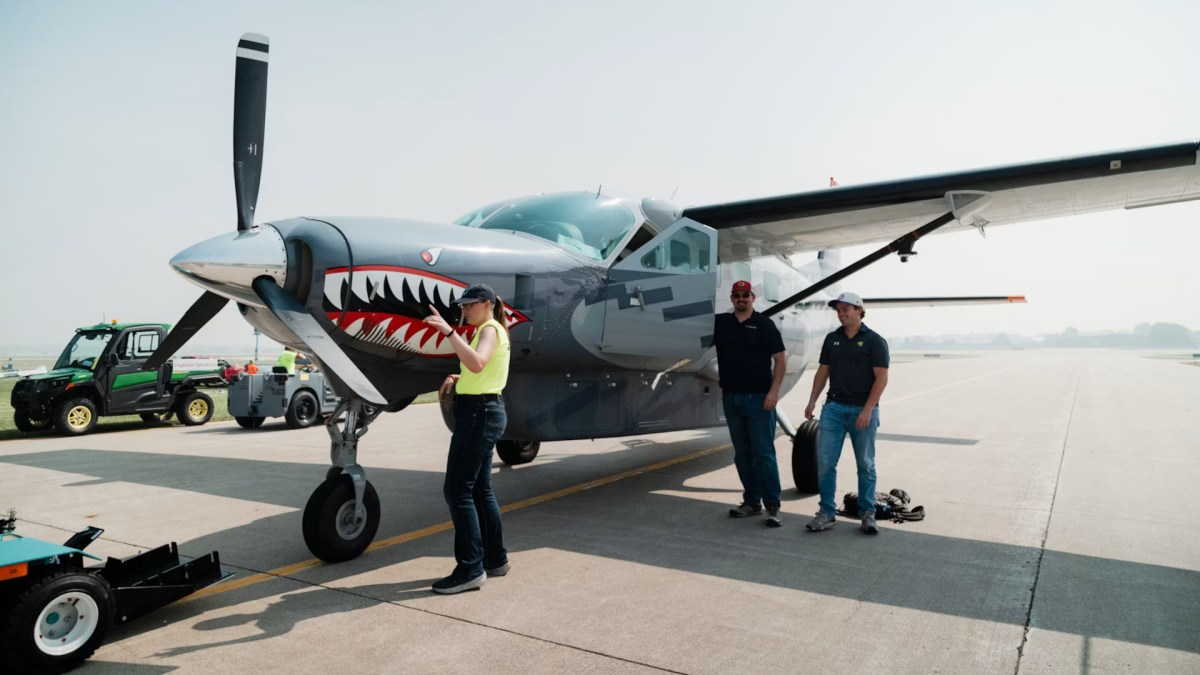
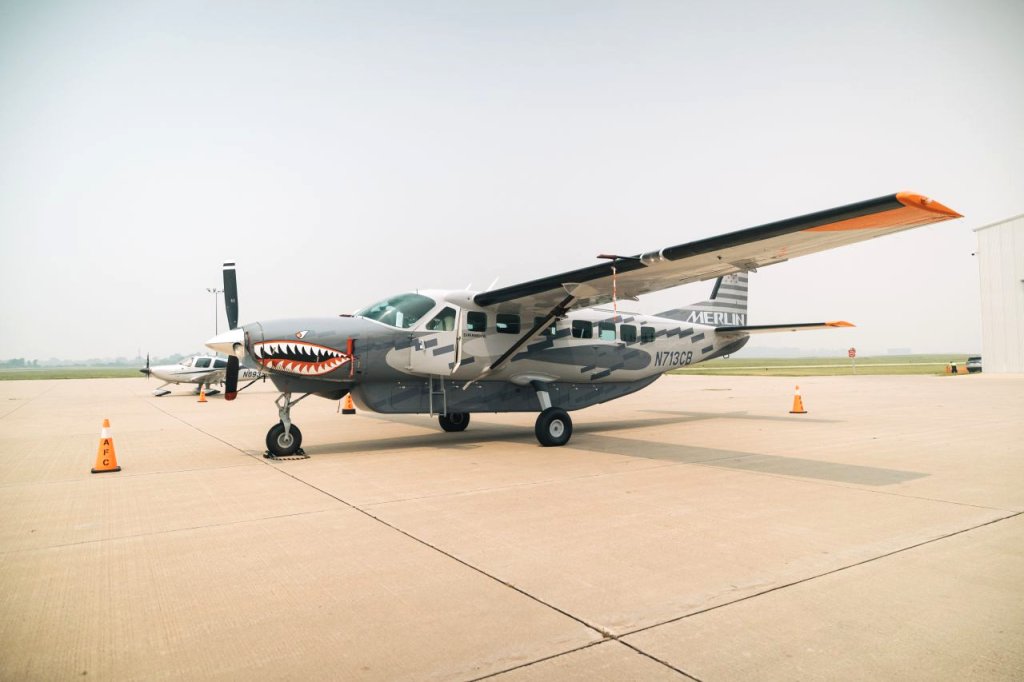
U.S. Africa Command is preparing to demonstrate a potential autonomous casualty-evacuation capability in Morocco using a Cessna Model 208B Grand Caravan equipped with an artificial-intelligence-driven copilot from Merlin Labs. The planned demonstration is part of AFRICOM’s Autonomous Casualty Evacuation, or CASEVAC, Industry Technology Challenge.
The test is scheduled for early in the U.S. government’s 2027 fiscal year, which began on October 1. It will examine a full mission sequence rather than only a narrow flight segment: tasking, flight planning, autonomous departure, en route flight to an austere casualty-collection site, a simulated patient loading, and an autonomous return flight and landing.
The effort is notable because it focuses on a mission where speed and access can directly affect outcomes. U.S. forces in Africa are frequently deployed in remote areas, where immediate access to medical care can be limited. An aircraft able to operate with reduced crew requirements, or potentially without an onboard crew, could offer commanders another option for moving casualties from difficult locations.
Why AFRICOM is testing the concept
Africa’s distances and austere operating locations make medical evacuation a demanding logistical problem. The proposed capability is not presented as a replacement for all crewed evacuation aircraft. Rather, it is a demonstration of whether an autonomous system can carry out the operational chain needed to reach a casualty-collection point and return safely.
The implications extend beyond the continent. The same article notes that autonomous CASEVAC could be relevant in locations such as the Pacific, where future operations could be dispersed across small islands. In those settings, a pilot-optional aircraft could potentially reduce the need to place aircrew in every mission while expanding the set of available transport options.
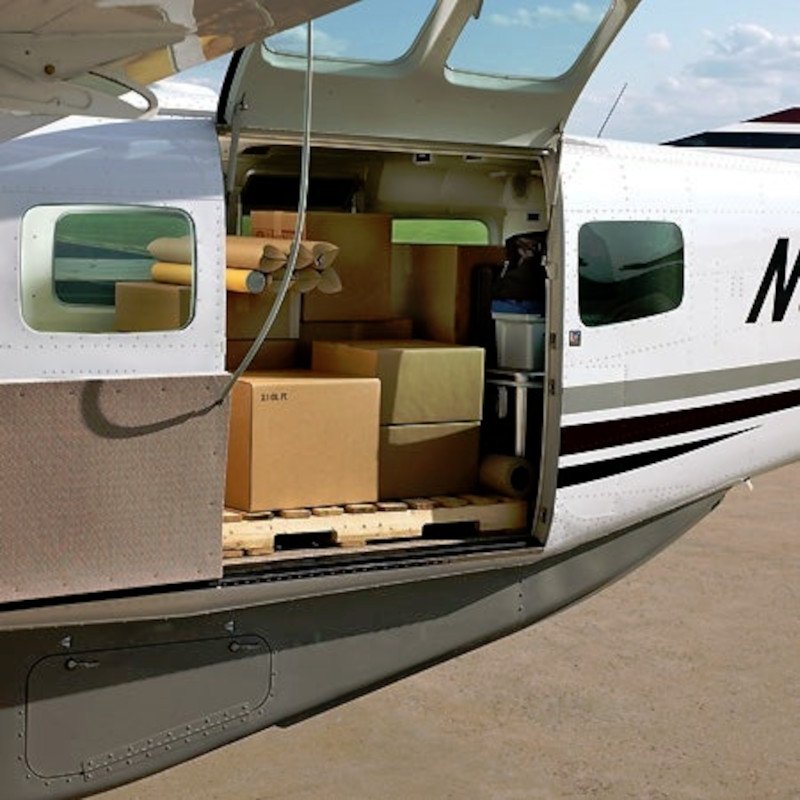
The planned demonstration is based on a Cessna Grand Caravan that Merlin Labs has used for years in developing autonomous capabilities. The Caravan is a utility aircraft with a long history of operating from comparatively simple airfields, making it a practical platform for exploring missions tied to remote or austere locations.
What Merlin’s system is expected to do
Merlin Labs describes its role as providing an AI-driven copilot. For the AFRICOM demonstration, the aircraft is expected to handle the mission from initial planning through departure, en route flight, arrival at the collection location, and return landing. The test includes simulated patient loading, meaning it will assess the flight operation around the medical-evacuation sequence without carrying an actual casualty as part of the described event.
That full-mission structure is important. Autonomous flight demonstrations can show that an aircraft can follow a route, but casualty evacuation requires a broader operational workflow. It involves receiving a task, planning a flight, reaching a location that may have limited infrastructure, waiting through a loading event, and flying back to a designated destination. AFRICOM’s test is designed to examine that end-to-end pattern.
The source does not specify that the planned aircraft will fly completely uncrewed during the demonstration. It describes the broader value of pilot-optional or entirely uncrewed rescue aircraft and identifies an AI-driven copilot as the technology to be tested. The outcome of the demonstration will therefore be more consequential than the announcement itself: it will indicate how far the concept can be taken in an operationally relevant setting.
A modest contract within a wider autonomy portfolio
AFRICOM awarded Merlin a $500,000 contract to support the demonstration. That is a relatively small award, but the company has also received millions of dollars from the U.S. military for other autonomy projects, according to the report. Those projects include autonomous-capability development for C-130-type aircraft for U.S. Special Operations Command and work associated with the U.S. Air Force’s KC-135 tanker fleet.
The portfolio suggests that military interest in aviation autonomy is spreading across mission types and aircraft classes. The Morocco trial is distinct because it places the technology in a casualty-evacuation context, where the central value proposition is not only flight automation but the ability to support a medical response in remote areas.
For now, the effort remains a scheduled demonstration. The planned test will show whether the AI-enabled Caravan can execute the described mission sequence under the challenge’s conditions. If it does, the result could provide AFRICOM with evidence for how autonomous systems might complement conventional medical evacuation in remote theaters and other geographically dispersed operations.
The nearer-term milestone is straightforward: a Cessna Grand Caravan, equipped with Merlin’s AI-driven copilot, is set to attempt an autonomous CASEVAC mission profile in Morocco. The wider question is whether that demonstration can turn a promising autonomy concept into a dependable operational option for casualty response.
This article is based on reporting by twz.com. Read the original article.
Originally published on twz.com