Kratos updates its price estimate for Valkyrie
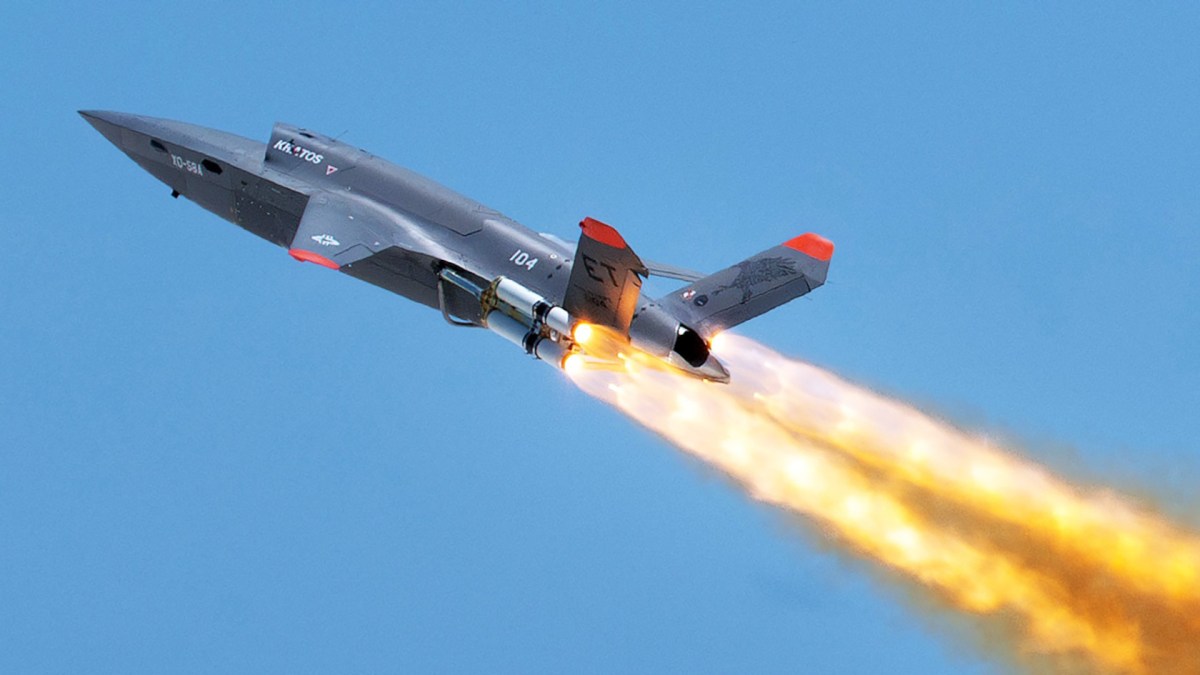
Kratos has put a new public price range on its Valkyrie uncrewed aircraft: roughly $6 million to $8 million per drone, depending on configuration and excluding certain mission systems. The figure was provided by President and CEO Eric DeMarco during a recent quarterly earnings call.
The estimate is higher than price points the company has previously targeted, but it still places the aircraft at the lower end of the emerging market for collaborative combat aircraft, or CCA-type drones, based on publicly available information. The distinction matters as military customers weigh how many uncrewed aircraft they can buy, operate and potentially risk in combat alongside crewed platforms.
DeMarco described a production aircraft coming off the line without the full set of mission equipment at about $6 million, with the price rising toward $8 million depending on configuration. A missionized aircraft, he said, costs more. The figure is therefore not a fully loaded, directly comparable unit price for every Valkyrie variant; it is a baseline that depends on what equipment is installed.
A drone built for the collaborative-combat debate
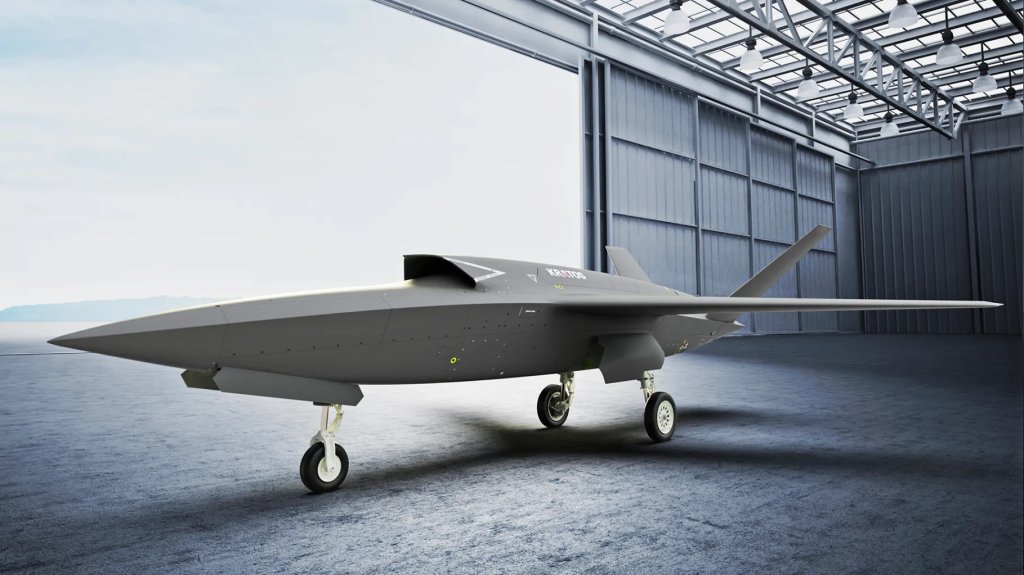
The Valkyrie has been developed as a high-performance uncrewed aircraft able to support research, testing and operational missions. Its role is closely connected to the broader CCA concept: aircraft intended to work with crewed fighters and other military assets while taking on sensing, communications, weapons or other missions.
Affordability is central to that concept. A military that expects to deploy uncrewed aircraft in large numbers cannot evaluate them only on speed, range or payload. It must also consider whether the aircraft can be produced at scale, replenished after losses and equipped with the systems needed for particular missions.
Kratos is emphasizing this argument as the competitive field expands. DeMarco told investors that affordability will be a key consideration for potential CCA customers. The company’s message is not simply that Valkyrie is inexpensive in isolation, but that a production-ready platform at this cost could offer a different procurement proposition from more costly competitors.
What the quoted price includes—and does not
The newly stated $6 million to $8 million range requires careful reading. Kratos says it varies by configuration and does not include certain mission systems. In other words, the aircraft itself and a fully configured operational system should not be treated as the same purchase.
Mission systems can encompass the equipment that allows an aircraft to carry out a defined task. As the aircraft is adapted for intelligence gathering, communications, electronic functions or other purposes, the eventual cost can rise. The company’s chief executive explicitly noted that a missionized Valkyrie would cost more than the baseline aircraft figure.
That qualification is important for comparing CCA programs. Published numbers can describe different configurations, quantities, support arrangements and levels of installed equipment. A comparatively low flyaway-style estimate does not by itself reveal the total cost of fielding, sustaining or integrating an uncrewed aircraft fleet.
From test aircraft to Marine Corps program
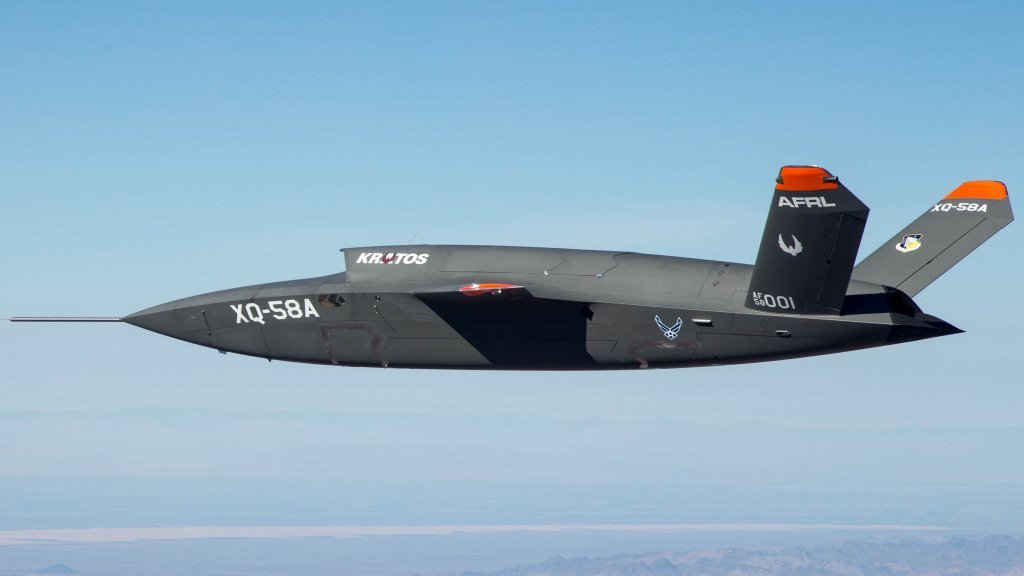
The U.S. Air Force has operated a small number of XQ-58A Valkyries since the type first flew in 2019. Those aircraft have supported research and development as well as test and evaluation work. The U.S. Marine Corps has also experimented with the platform.
The Marine Corps is now acquiring a fully missionized Valkyrie for operational use through its own CCA effort, part of the larger Marine Air-Ground Task Force Uncrewed Expeditionary Tactical Aircraft program. In that context, the operationally equipped drones are sometimes referred to as MQ-58Bs. Northrop Grumman is technically the prime contractor for the Marine effort.
The progression from experimentation to an acquisition effort gives the cost discussion added relevance. The price of an airframe may influence early evaluations, but customers will ultimately assess what the system can do when equipped, integrated and supported for real missions.
The broader significance
CCA programs are changing the way aerospace companies frame uncrewed aircraft. The question is increasingly not whether a drone can demonstrate advanced capabilities, but whether those capabilities can be supplied in meaningful quantities at a cost that customers accept.
Kratos’ new price range offers a clearer public reference point for Valkyrie as it competes in that environment. It also makes the tradeoffs more visible: lower base cost, configuration-dependent pricing and added expense for mission equipment. As U.S. services and other prospective users define their requirements, those tradeoffs are likely to determine which systems advance from demonstrations to broader operational fleets.
This article is based on reporting by twz.com. Read the original article.
Originally published on twz.com