A routine check exposed a larger strategic problem
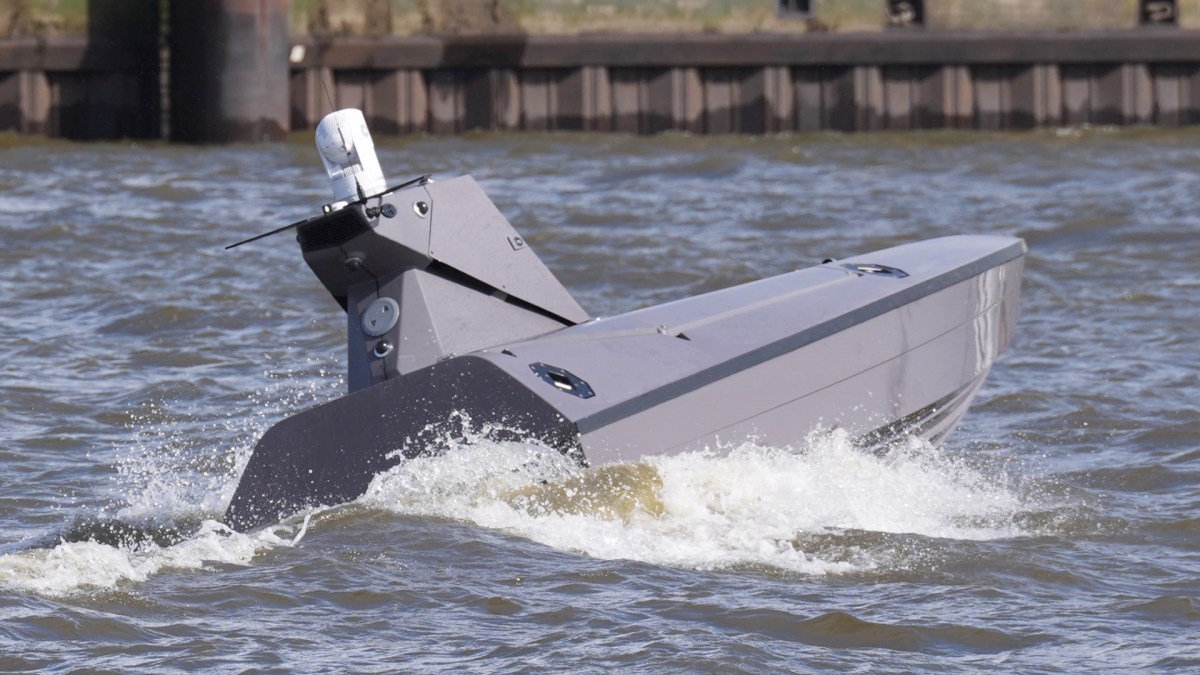
The U.K. Ministry of Defense has confirmed a cybersecurity issue affecting a sub-system on Kraken K3 Scout unmanned surface vessels used by the Royal Navy, after Chinese-made camera components were found transmitting data to a device in China. The discovery did not, according to the ministry, lead to evidence that defense data or military systems were accessed or compromised. But the incident still lands as a sharp warning about a problem Western militaries have been trying to contain for years: digital exposure hidden inside hardware supply chains.
The affected boats are part of the Royal Navy’s expanding use of uncrewed maritime systems. These vessels are designed to extend surveillance, scouting, and coastal operations without putting sailors directly at risk. That makes them useful, but it also makes them highly dependent on sensors, communications gear, and software integrations that can become points of weakness if any part of the chain is poorly controlled.
In this case, the issue emerged during what the Ministry of Defense described as a routine cyber vulnerability assessment. The ministry said the investigation that followed found no evidence that its data or systems had been externally accessed, compromised, or transmitted. It also said the cameras’ internet connectivity was removed after the issue was identified.
Those details matter. The absence of confirmed compromise suggests the ministry’s testing and assurance processes worked as intended, at least in the sense that they surfaced a vulnerability before it developed into a more serious operational breach. But that does not reduce the significance of the underlying problem. A military platform does not need to suffer a catastrophic hack for the supply-chain risk to be real. The fact that a component aboard an operational naval system was capable of sending data toward China is enough to raise difficult questions about procurement oversight, component provenance, and technical validation.
Why unmanned systems amplify cyber risk
Uncrewed platforms are often presented as cleaner, faster, and cheaper ways to add capability. They can be fielded in larger numbers than crewed systems and adapted for a range of missions. Yet they also concentrate cyber risk. Cameras, telemetry units, communications links, remote control functions, and onboard autonomy all depend on electronics that can contain undocumented features, insecure firmware, or external call-home behavior.
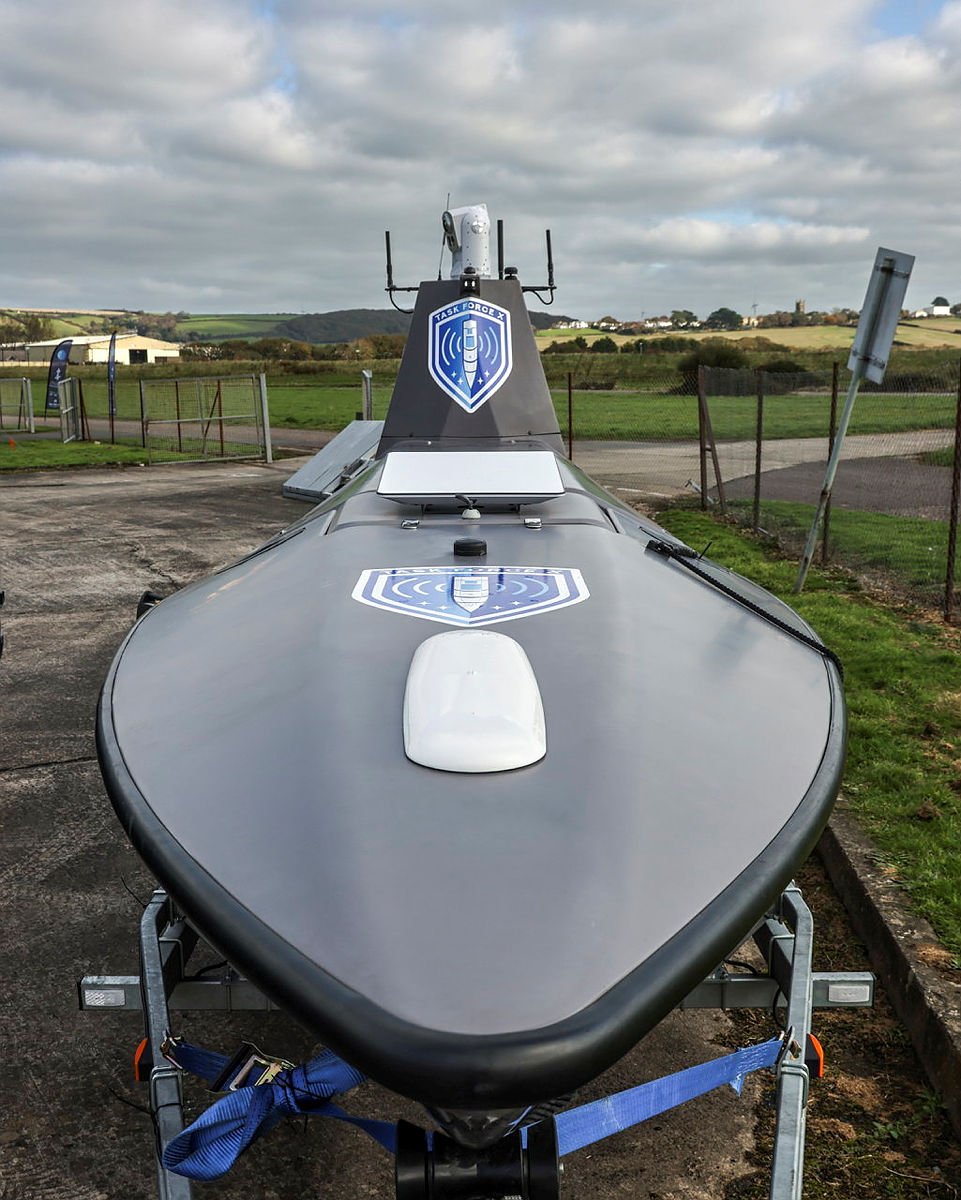
The K3 Scout issue highlights how even a seemingly narrow sub-system can become strategically relevant. A camera assembly is not just a passive piece of equipment. In modern systems it may include onboard processors, wireless functions, embedded software, update pathways, and network interfaces. Any one of those layers can create a channel for data leakage, external connectivity, or lateral movement across a larger system architecture.
That is why military buyers increasingly treat trusted supply chains as part of combat readiness rather than a back-office compliance issue. The problem is that global electronics manufacturing remains deeply interconnected. Components from politically sensitive or high-risk sources can enter finished systems directly or through subcontractors several layers removed from the prime integrator.
The Royal Navy case appears to fit that broader pattern. The report cited by The War Zone said the components were found in cameras aboard the vessels and that internet connectivity was cut after the behavior was discovered. The ministry did not dispute that an issue existed, but emphasized that its investigation did not find evidence of defense data loss or system compromise. That distinction is likely to shape the official response: urgent enough to require remediation, but not yet evidence of a successful hostile intrusion.
From isolated incident to procurement test
The larger test now is whether this remains an isolated technical correction or becomes a trigger for wider reviews across naval and defense procurement. The Ministry of Defense statement strongly suggests the government wants to frame the episode as proof that routine assurance works. That is a reasonable institutional message. Still, repeated incidents involving embedded technology from strategic rivals have changed the policy environment in Europe, the United States, and allied defense markets.
Procurement officials are under increasing pressure to verify not only what a platform does, but what every digital component inside it is capable of doing. That is a harder standard than traditional defense acceptance testing. It requires closer scrutiny of firmware, network behavior, remote access pathways, update mechanisms, and vendor dependencies over time.
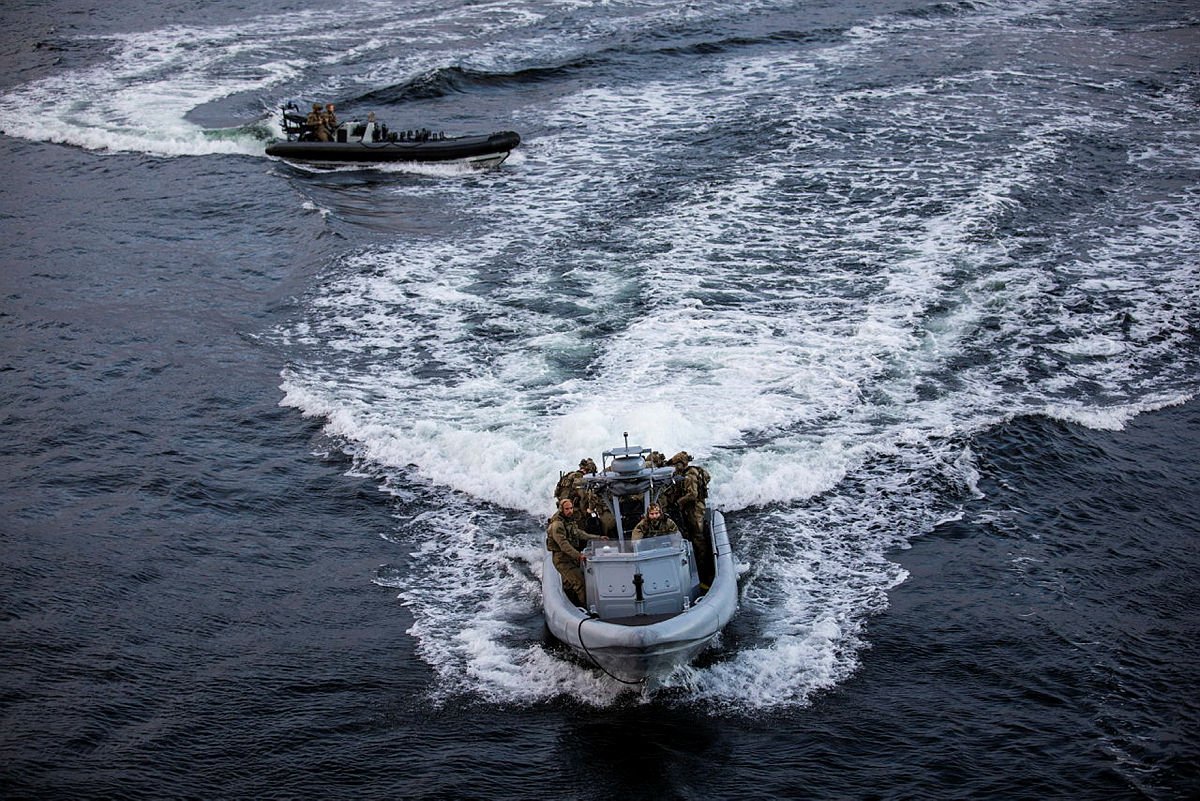
The stakes are especially high for maritime drones because they can be deployed for surveillance, coastal security, reconnaissance support, and operations near sensitive infrastructure. A compromised sensor or communications pathway on such systems could create intelligence value even without taking control of the platform itself.
- The Ministry of Defense said the issue was found during a routine cyber vulnerability assessment.
- It said investigators found no evidence that MOD data or systems were accessed, compromised, or transmitted externally.
- The cameras’ internet connectivity was removed after the issue was discovered.
- The affected systems were on Kraken K3 Scout unmanned surface vessels used by the Royal Navy.

A warning shot for allied defense supply chains
The episode arrives at a time when Western governments are increasingly concerned about Beijing’s potential access to sensitive technology pathways. Those concerns have already reshaped telecom policy, critical infrastructure reviews, and export controls. Defense systems are the next logical area where tolerance for ambiguity is shrinking.
For the Royal Navy, the immediate task is remediation and assurance. For the broader defense sector, the lesson is less about one model of drone boat than about the procurement assumptions behind fast-moving autonomy programs. Uncrewed systems promise scale and flexibility, but only if their digital supply chains can be trusted and continuously verified.
That means buying militaries may need to accept higher costs, slower onboarding, or narrower vendor pools in exchange for stronger security guarantees. In peacetime budgets, that tradeoff can look inefficient. In operational terms, it may prove cheaper than discovering vulnerabilities after systems are already deployed.
The Royal Navy incident does not, on the evidence available so far, amount to a confirmed compromise of British military networks. But it does show how strategic exposure can begin with something as ordinary as a camera component. In the current security climate, that is no longer a minor technical footnote. It is an early warning about how contested supply chains now shape the reliability of modern defense capability.
This article is based on reporting by twz.com. Read the original article.
Originally published on twz.com