A Strategic Base Faces a Familiar New Threat
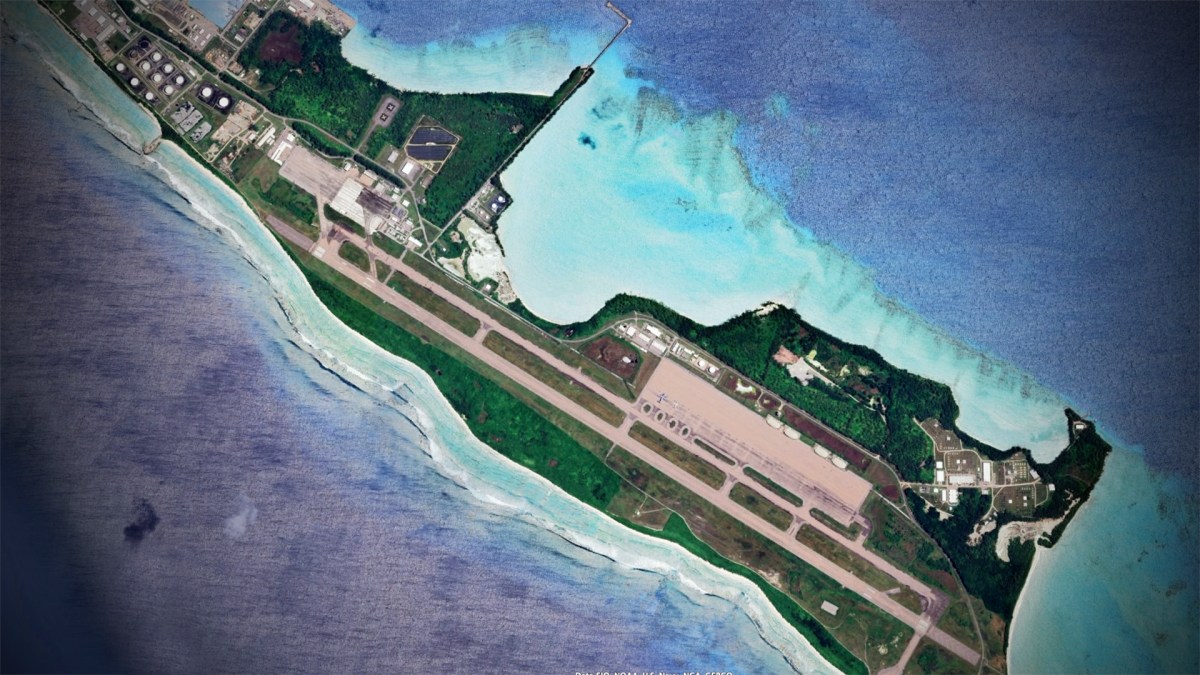
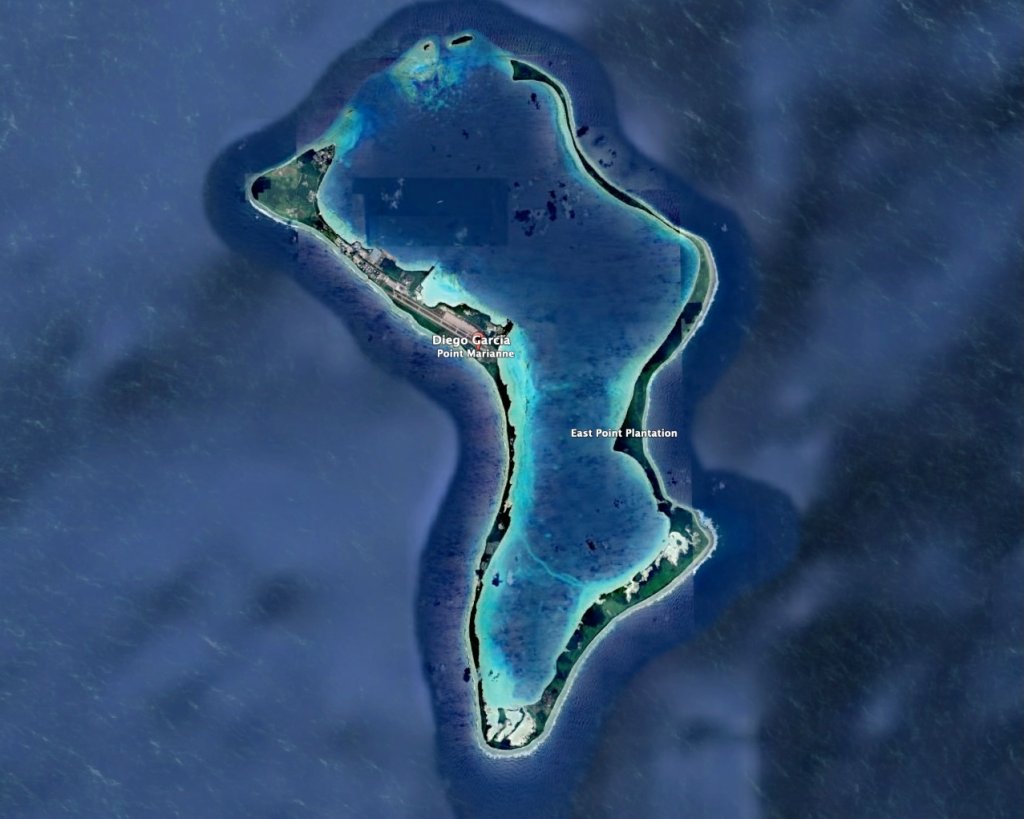
Reported drone sightings over Diego Garcia have drawn new attention to the security of one of the most consequential military outposts in the Indian Ocean. The U.K. Ministry of Defence confirmed that it was aware of reports of unmanned aircraft over the joint U.K.-U.S. installation, though it declined to provide operational details. The statement was limited, but the implications are significant because Diego Garcia is not a routine airfield. It is a remote hub that supports bomber operations, naval activity, logistics, and space-related missions.
The location has long been valued for its isolation and reach. Deep in the Indian Ocean, the base serves as a platform for U.S. power projection far from the continental United States and within operational distance of key theaters. That same isolation, however, complicates defense. A drone threat in such an environment is not just a question of airspace management. It raises the prospect that small, relatively inexpensive systems could pressure a base built around high-value aircraft, maritime assets, fuel infrastructure, and prepositioned logistics.
The War Zone’s report places the sightings against an unusually tense regional backdrop. It notes that Diego Garcia was targeted by Iranian ballistic missiles during the Epic Fury operation and argues that drones may represent an even more plausible danger to the island in the current environment. Whether or not the reported aircraft were tied to a state actor, the core concern is credible: low-cost unmanned systems have changed the threat equation for fixed sites worldwide.
Why Diego Garcia Matters So Much
Diego Garcia’s importance comes from the variety of missions it can support at once. According to the source report, the base hosts a large airfield with a long history of bomber operations. It also supports Space Force activity, serves as a port for U.S. Navy vessels including nuclear submarines, and provides shelter for a Military Sealift Command prepositioning squadron in its lagoon. Few facilities combine strategic aviation, maritime logistics, and broader regional access in one location so effectively.
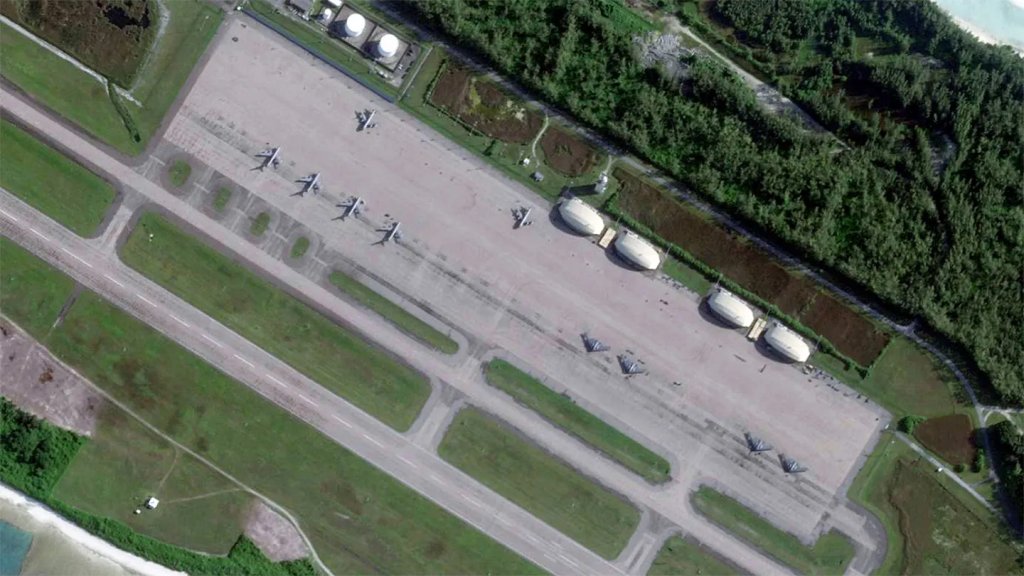
That concentration of capability is exactly what makes the installation attractive as a target. A successful drone intrusion, even without causing physical damage, can force changes in operating procedures, create uncertainty around sortie generation, and impose defensive burdens on personnel and equipment. If a drone were able to threaten aircraft parked in the open, fuel storage, or port infrastructure, the operational consequences could exceed the cost of the attacking system by orders of magnitude.
The report specifically highlights a longstanding concern about aircraft exposed on open ramps. Images from 2025 showed six B-52 Stratofortress bombers and four B-2 Spirit bombers at Diego Garcia out in the open. That visibility underscores a wider issue for modern bases: expensive platforms remain physically vulnerable when hardened shelters, dispersal options, or short-range counter-drone systems are limited.
The Sea-Launched Drone Problem
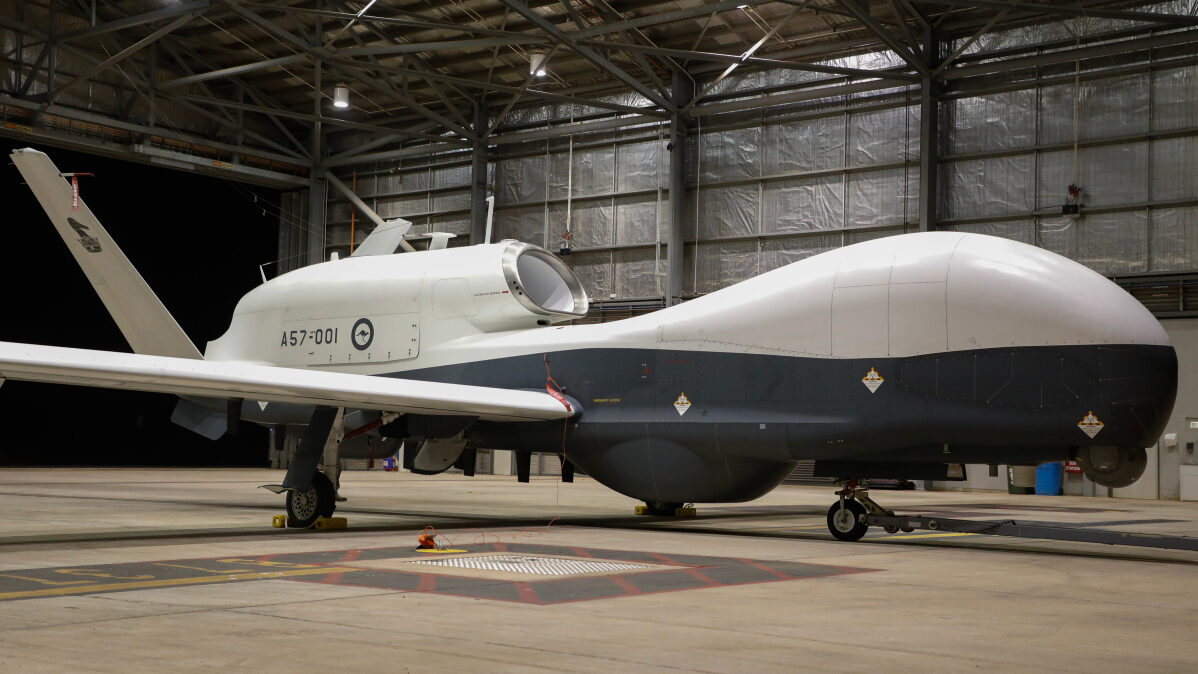
One of the most important points in the report is not simply that drones were sighted, but that the episode reinforces concern about sea-launched unmanned threats. For an island installation, that possibility is especially relevant. A launch platform does not necessarily need to be close in conventional military terms if a drone has enough range and a modest payload. Commercially derived systems, one-way attack drones, or improvised maritime launch concepts can all complicate attribution and compress warning time.
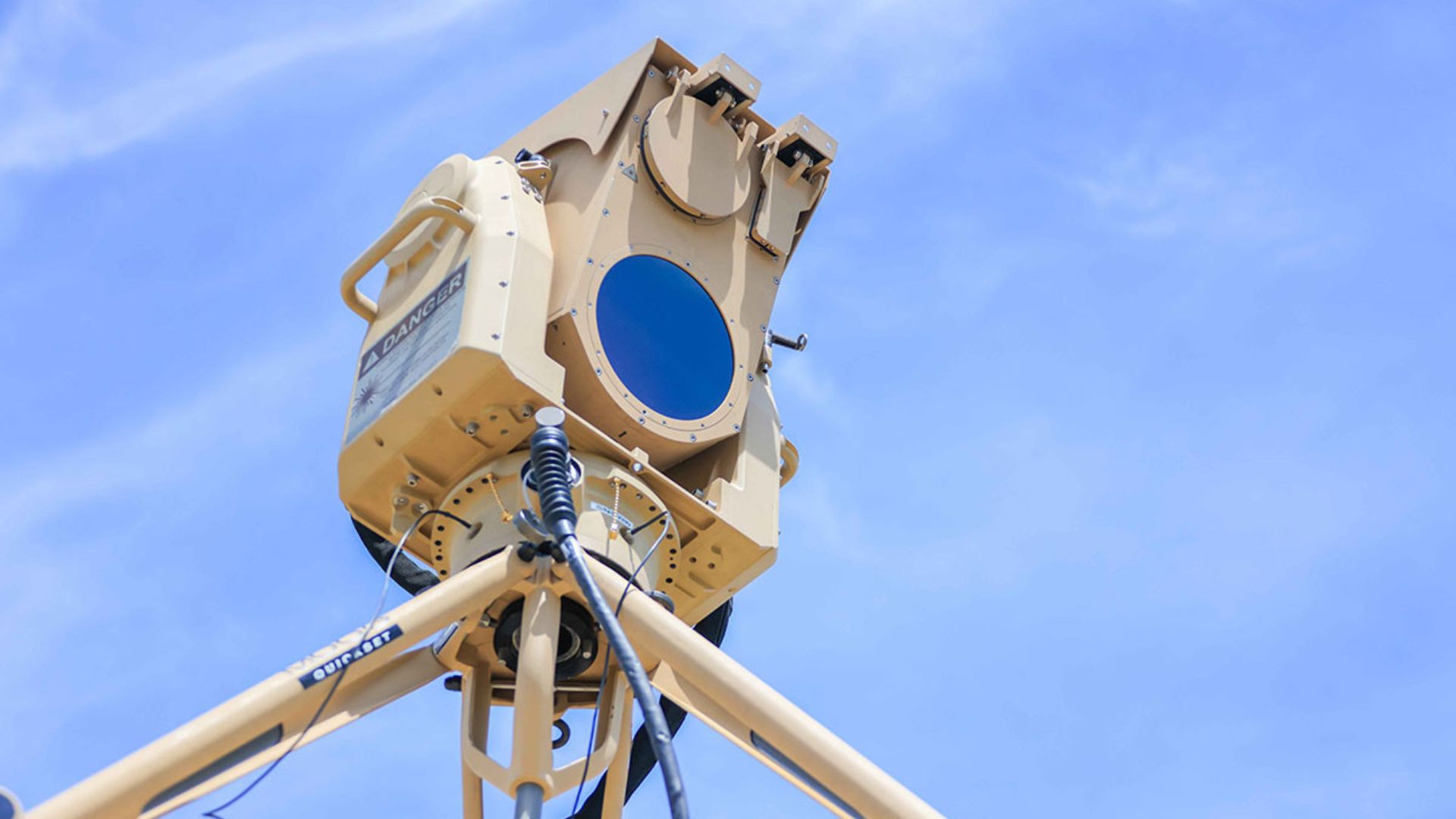
That is part of why drone threats have become so difficult for military planners. Traditional base defense often focuses on missiles, aircraft, or infiltrators with clearer signatures and more established detection architectures. Small drones can sit below those assumptions. They may arrive slowly, fly low, exploit clutter, and be cheap enough to use in swarms or repeated probing actions. For defenders, the challenge is not only intercepting them but building a surveillance and response system that remains economical over time.
At Diego Garcia, geography cuts both ways. The island’s remoteness may reduce some forms of conventional pressure, but it also means that reinforcing defenses, rotating specialized counter-UAS teams, or rapidly adapting infrastructure can be harder than at more connected facilities. In a crisis, that logistical distance matters.
Limited Official Detail, Clear Strategic Signal
The U.K. Ministry of Defence said the U.K. and U.S. commanding officers on Diego Garcia consider and implement appropriate measures to ensure the security of the base and personnel. U.S. officials, by contrast, offered no specific details, citing operational security around force protection measures and procedures. That reticence is expected, but it also leaves outside observers to focus on the broader strategic message rather than the identity of any particular drone.
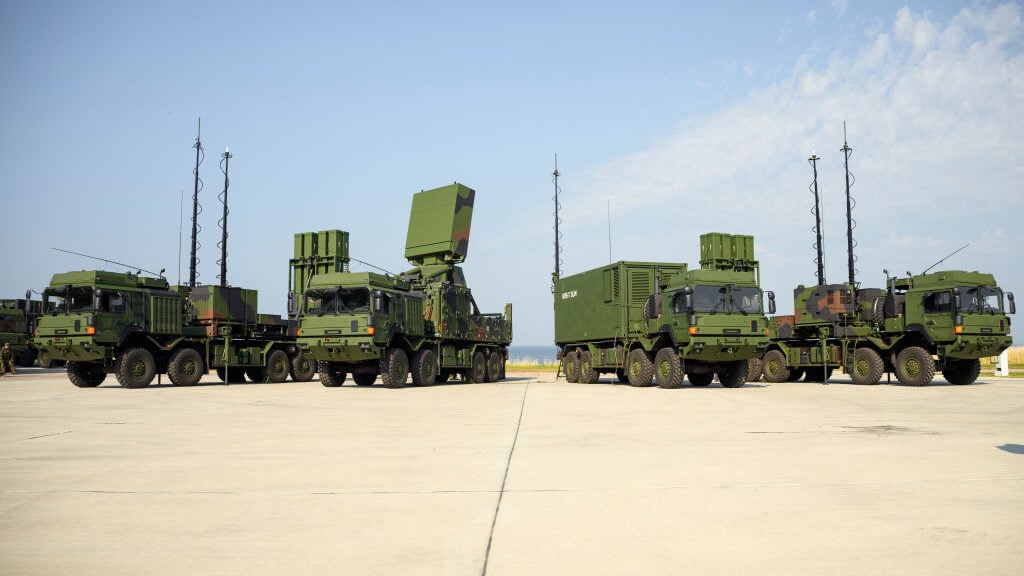
That broader message is straightforward. Even highly remote bases can no longer rely on distance alone as a protective feature. The falling cost and rising accessibility of unmanned systems have eroded one of the historic advantages of isolated installations. A site such as Diego Garcia remains strategically valuable, but preserving that value increasingly depends on layered defenses that can detect, classify, and defeat small aerial threats before they reach critical assets.
The reported sightings do not establish that a successful attack occurred, nor do they prove the intent of those operating the drones. But they do show how quickly a remote strategic base can be pulled into the wider global shift toward persistent unmanned threats. For military planners, the incident is less an anomaly than a warning that fixed infrastructure once considered relatively secure may now require a very different defensive posture.
As tensions with Iran remain elevated, the political context will shape how these sightings are interpreted. Still, the operational lesson is broader than any one standoff. Bases that anchor long-range airpower, maritime logistics, and regional deterrence are now exposed to systems that are cheap, adaptable, and difficult to police. Diego Garcia’s reported drone activity is therefore important not because it reveals everything, but because it highlights a vulnerability that many militaries are still racing to close.
This article is based on reporting by twz.com. Read the original article.
Originally published on twz.com