Lockheed unveils a lower-cost Patriot interceptor
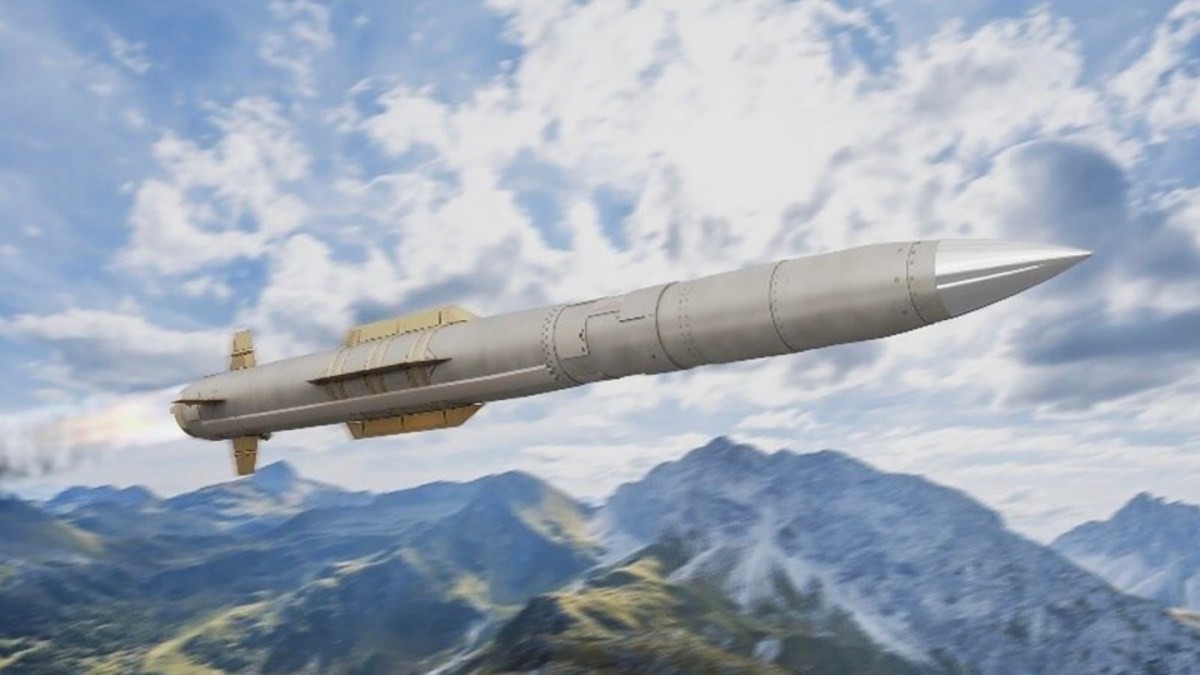
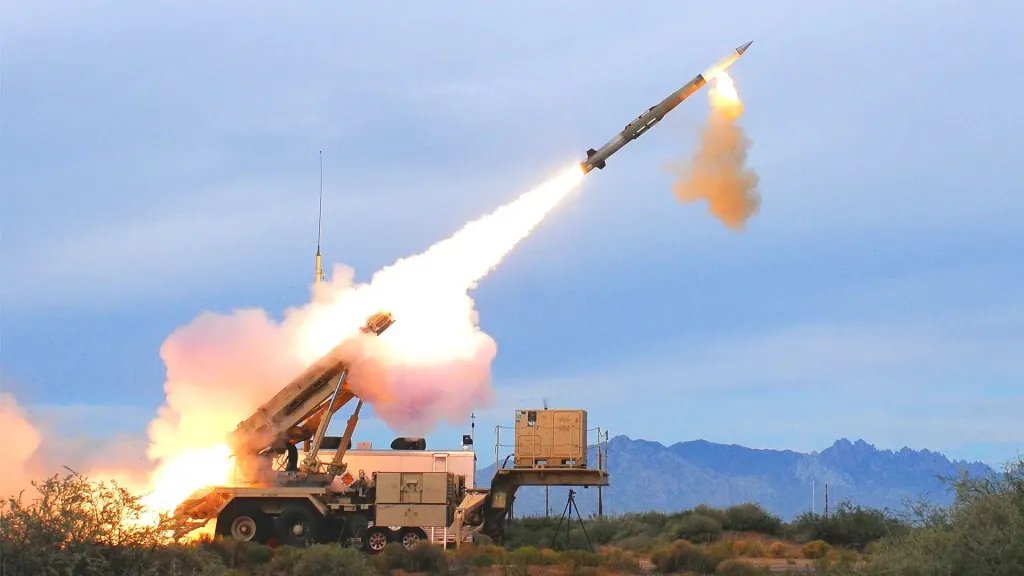
Lockheed Martin has introduced a new Patriot missile interceptor called the PAC-3 Adapted Capability Effector, or PAC-3 ACE, framing it as a cheaper, higher-volume complement to the company’s existing PAC-3 Missile Segment Enhancement interceptor. The announcement matters because it targets one of the biggest strains now facing air and missile defense networks: how to preserve enough magazine depth to deal with sustained attacks without relying only on the most expensive interceptors in the inventory.
According to Lockheed Martin, PAC-3 ACE is designed to work with the existing PAC-3 fire-control architecture and the Integrated Battle Command System. That means the company is not presenting the missile as a stand-alone new defensive ecosystem. Instead, it is positioning the interceptor as an add-on that could fit into the Patriot architecture already used by the United States and partner nations. In practical terms, that lowers the barrier to adoption and shortens the path from announcement to fielding, at least compared with introducing an entirely new air-defense family.
The company says the new missile will cost less than half as much as the in-production PAC-3 MSE. Based on the figures cited in the source report, that would place a PAC-3 ACE round at about $2.5 million, versus roughly $5 million for a PAC-3 MSE. Cost is central to the pitch. Modern air and missile defense is increasingly shaped not just by technical performance, but by whether militaries can afford enough interceptors to sustain real combat operations. A cheaper round that can still engage multiple classes of threats becomes strategically important even if it does not replace higher-end missiles.
What role PAC-3 ACE is supposed to fill
Lockheed says PAC-3 ACE is intended to defeat aircraft, cruise missiles, and shorter-range ballistic missile threats. That coverage is notable because it suggests the missile is not being limited to a narrow anti-aircraft role. The company is instead trying to preserve some ballistic missile defense utility while reducing unit cost. If that holds in practice, PAC-3 ACE could give operators a broader set of choices when deciding how to allocate interceptors during mixed attacks.
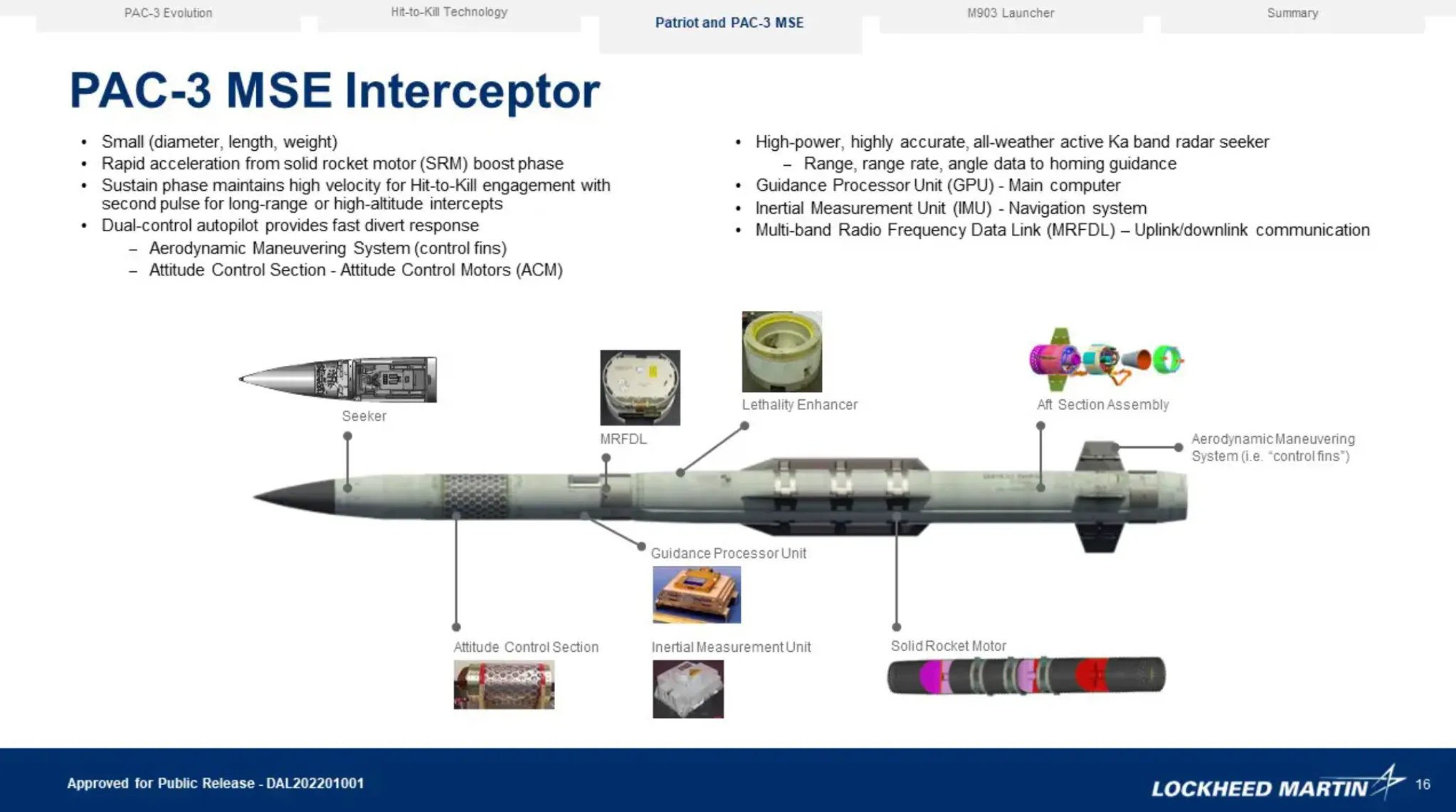
The missile is being described as a complementary effector rather than a replacement for PAC-3 MSE. That language matters. It implies a layered loadout in which militaries reserve the more capable and more expensive interceptor for the most stressing targets, while using PAC-3 ACE where a lower-cost option is sufficient. In current defense planning, that kind of mix is increasingly attractive. A force that fires premium interceptors at every incoming threat can quickly run into shortages, especially when facing large salvos or long campaigns.
The timing also appears deliberate. The source report notes that Patriot missile stocks are under intense pressure globally and that the U.S. Army has already formalized its search for lower-cost interceptors. Lockheed’s announcement therefore lands into a market that is actively looking for exactly this kind of product. The message to buyers is straightforward: keep the trusted Patriot framework, widen the number of missiles you can procure, and preserve high-end interceptors for the most demanding engagements.
Industrial strategy is part of the message
Lockheed is also presenting PAC-3 ACE as an industrial answer, not just a technical one. The company says it plans to work with U.S. and European industrial partners on development and production, with the aim of expanding manufacturing capacity and reinforcing the resilience of the transatlantic defense industrial base. That is an important detail because interceptor availability depends on production scale as much as design. Even a lower-cost missile has limited strategic value if factories cannot deliver it in meaningful numbers.
By tying the program to allied production, Lockheed is aligning the missile with two current priorities in defense procurement: rapid fielding and industrial redundancy. Governments increasingly want systems that can be built across multiple sites and supported by broader supplier networks. They also want programs that deepen alliance ties rather than creating isolated national supply chains. PAC-3 ACE is being marketed directly into that policy environment.
Lockheed’s own description of the missile as being designed for allied forces reinforces that point. The company appears to be making a transatlantic sales case as much as a U.S. Army one. Patriot remains one of the best-known Western air-defense systems, and a less expensive interceptor could widen the number of countries able to buy deeper stocks, or justify follow-on purchases that might otherwise be delayed by cost.
Why this matters beyond one missile
The broader significance of PAC-3 ACE is that it reflects a shift in how missile defense is being discussed. For years, the central debate often focused on whether interceptors could hit demanding targets. That performance question still matters, but cost-per-shot and inventory depth have become just as critical. Recent conflicts and readiness concerns have underscored that even advanced systems can be stressed by repeated attacks, especially when defensive missiles are expensive and difficult to replace quickly.
A lower-cost Patriot interceptor does not solve every problem. The source material does not provide test data, delivery schedules, or operational performance beyond Lockheed’s stated intent. It also does not say how the missile’s exact capabilities compare with PAC-3 MSE across all threat sets. Those unknowns matter and will shape whether PAC-3 ACE becomes a procurement priority or remains mainly a concept aimed at budget-conscious buyers. Still, the company has identified a real and growing need: field more interceptors, at lower cost, without discarding the architecture operators already know.
If PAC-3 ACE proceeds as advertised, it could become a significant addition to the Patriot ecosystem because it addresses the economics of air defense, not just the physics. That is likely why Lockheed highlighted affordability, compatibility, and allied industrial participation in the same breath. The company is selling a missile, but it is also selling a theory of how future missile defense procurement will work: mixed-cost interceptor inventories, faster replenishment, and tighter industrial cooperation across allied nations.
- Lockheed Martin says PAC-3 ACE will cost less than half as much as PAC-3 MSE.
- The missile is designed to work with existing PAC-3 fire-control architecture and IBCS.
- Lockheed says the interceptor can engage aircraft, cruise missiles, and shorter-range ballistic missiles.
- The company plans U.S. and European industrial participation to expand production capacity.
This article is based on reporting by twz.com. Read the original article.
Originally published on twz.com