Latvia Sets Its Sights on Anduril's Barracuda
NATO member Latvia is moving toward acquiring the Barracuda family of long-range strike missiles built by U.S. defense technology firm Anduril Industries, a step that would give the small Baltic nation a precision-fire capability far beyond anything currently in its inventory. Latvian President Edgars Rinkēvičs publicly flagged the effort during a visit to the company's facilities, where he also presided over the signing of new defense-industry cooperation agreements involving Latvia.
If the purchase is completed, Latvia would become the first of the three Baltic states to field a strike weapon of this class. The move reflects a broader push along NATO's eastern flank, where allies are racing to rebuild and expand conventional long-range strike options that many of them allowed to lapse after the Cold War.
What Riga Has Confirmed So Far
The clearest signal came from the Latvian president himself. In a post on X following his visit, Rinkēvičs said he had met with Anduril founder Palmer Luckey and witnessed the signing of memoranda of cooperation between Latvia's Ministry of Defense and Origin Robotics. He added that he was looking forward to completing the acquisition of Barracuda long-range missiles, framing the purchase as part of a wider deepening of Latvian-American defense industrial cooperation.
The public statement was notable for what it did not include. It did not identify which Barracuda variant Latvia intends to buy, how many missiles are planned, when deliveries might begin, or what the deal would be worth. Those details have not been disclosed, and reporting on the announcement noted that Anduril had been approached for additional information.

Inside the Barracuda Missile Family
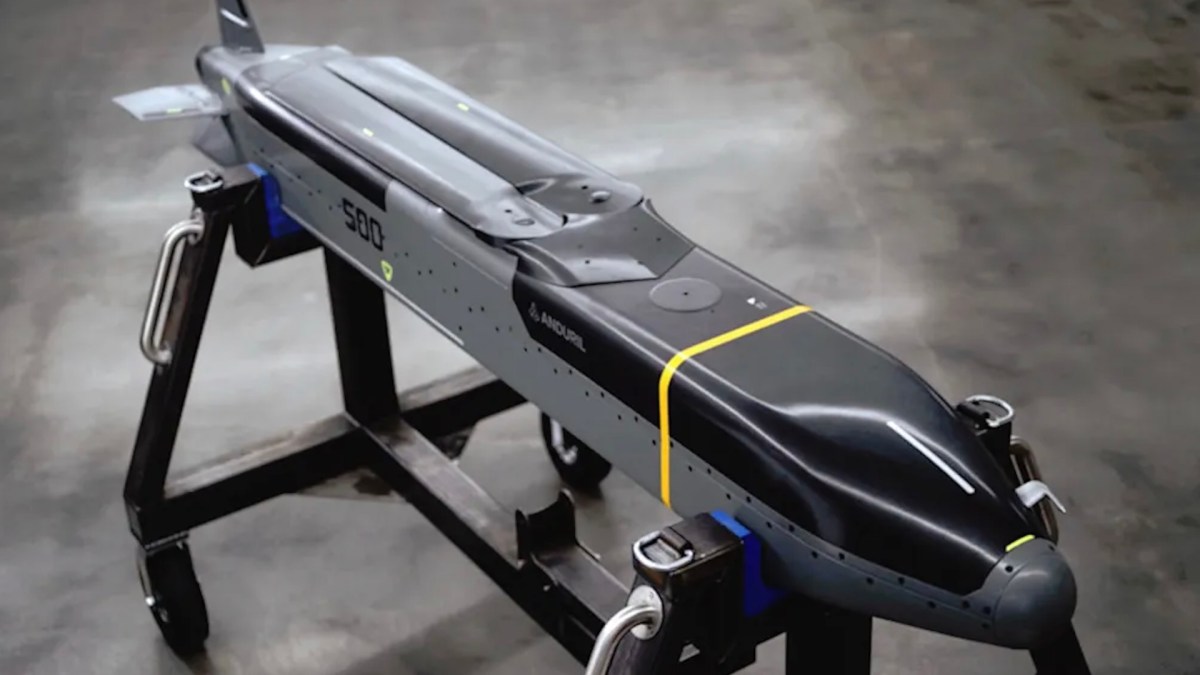
Anduril has marketed Barracuda as a modular family of autonomous, jet-powered cruise missiles rather than a single weapon. The lineup spans three principal members, each scaled for different launch platforms and mission profiles:
- Barracuda-100M — the smallest variant in the family, positioned as a lighter-weight option within the same design lineage.
- Barracuda-250M — a mid-tier member intended to bridge the gap between the lightest and heaviest versions.
- Barracuda-500M — the largest and most capable variant, with an advertised range exceeding 500 nautical miles and a stated speed envelope of roughly 190 to 500 knots.
For a country seeking a meaningful standoff capability, the Barracuda-500M is the most likely candidate. Its combination of long reach and flexible launch options is precisely the profile that smaller NATO members on the alliance's eastern edge have been searching for.
Why the Surface-Launched Version Matters
The Barracuda can be fired from the air, and in that configuration the missile has received an official U.S. military designation, AGM-189A. Air launch, however, is not a realistic route for Latvia. The country's inventory contains only a handful of utility biplanes and helicopters, offering no viable fighter or bomber platform from which to release a weapon of this size and range.
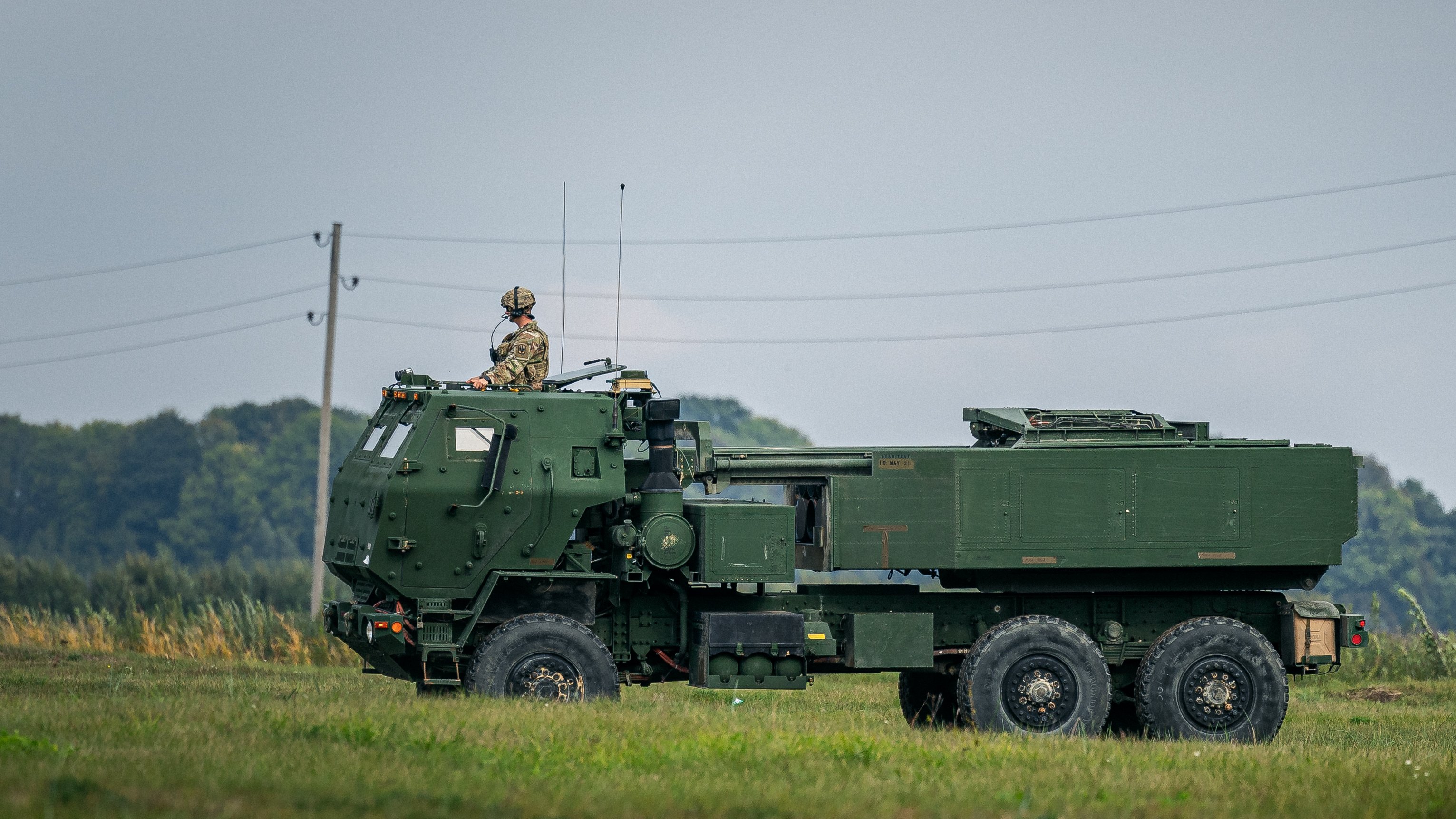
That leaves the surface-launched configuration, designated SLB-500M, as the logical path. Fielding a ground- or sea-based launcher would let Latvia generate long-range strike effects without first having to invest in an entirely new combat aircraft fleet — a prohibitively expensive undertaking for a nation of its size and budget.
The Wider Eastern Flank Picture
Latvia's interest in Barracuda is best understood against the strategic geography of the Baltic region. The three Baltic states sit along a narrow corridor between Russia and the Baltic Sea, with limited strategic depth and, historically, limited organic fires. Deep strike against targets far behind an adversary's front line has typically been a capability supplied by larger allies rather than by the Baltic militaries themselves.
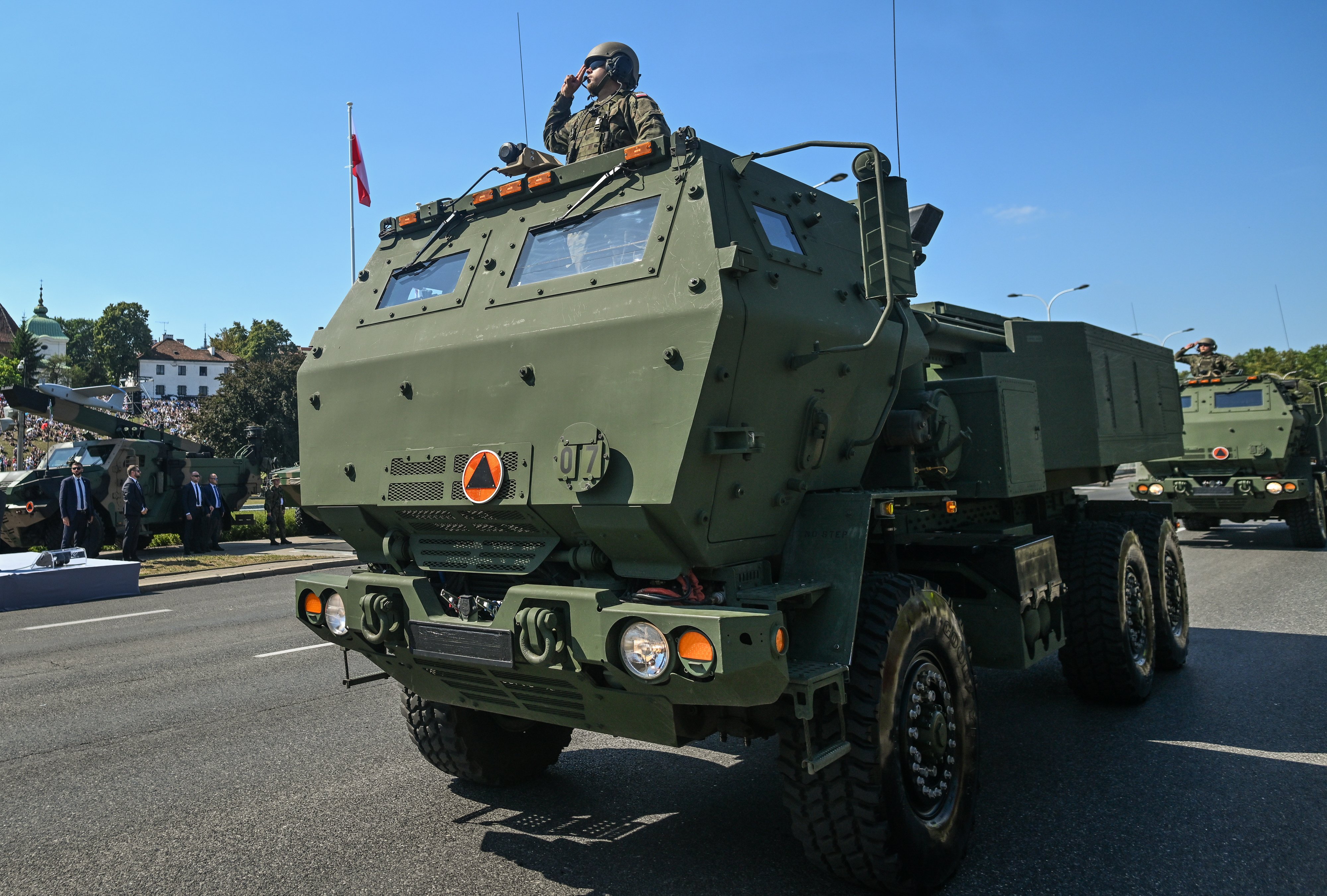
That division of labor is now being reconsidered. Across NATO's eastern edge, countries are investing in longer-range precision munitions so they can hold high-value targets at risk independently, complicate an opponent's planning, and impose costs before reinforcements arrive. A Latvian Barracuda purchase would slot directly into that effort, and Riga's status as the first Baltic state to pursue a weapon in this category would give the acquisition political as well as military weight.
Open Questions and Next Steps
Much remains unresolved. The variant, quantity, delivery timeline, and cost of any Latvian Barracuda buy have not been made public, and the memoranda signed during the presidential visit appear to cover defense-industrial cooperation more broadly rather than a finalized procurement contract.
The involvement of Origin Robotics, a Latvian firm, alongside Latvia's defense ministry suggests the agreements extend beyond missiles into wider industrial partnership. That kind of arrangement could allow Riga to build domestic capacity and know-how as it modernizes its forces, rather than simply importing finished weapons.
Even so, a completed Barracuda acquisition would mark a genuine shift in what Latvia can do militarily — moving it from a country entirely dependent on allied deep-strike assets to one that can contribute long-range precision fire of its own. Given the pace of rearmament across the Baltic region, the coming months are likely to bring clarity on how far Riga intends to go.
The Bottom Line
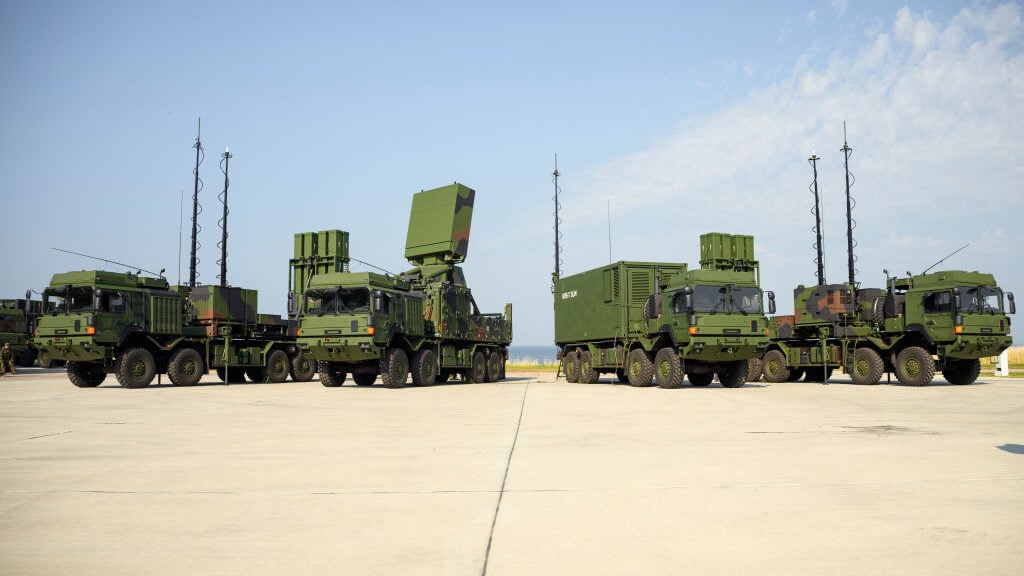
Latvia's leadership has signaled clearly that it wants Anduril's Barracuda missiles, and the surface-launched SLB-500M variant appears the most plausible fit for a country without a meaningful combat air arm. The precise scope of the purchase remains undisclosed, but the direction of travel is unambiguous: a small frontline state is seeking a long-range strike capability that would have been unthinkable for it just a few years ago.
This article is based on reporting by twz.com. Read the original article.
Originally published on twz.com