Houthi threat expands from the Bab al-Mandeb toward the northern Red Sea
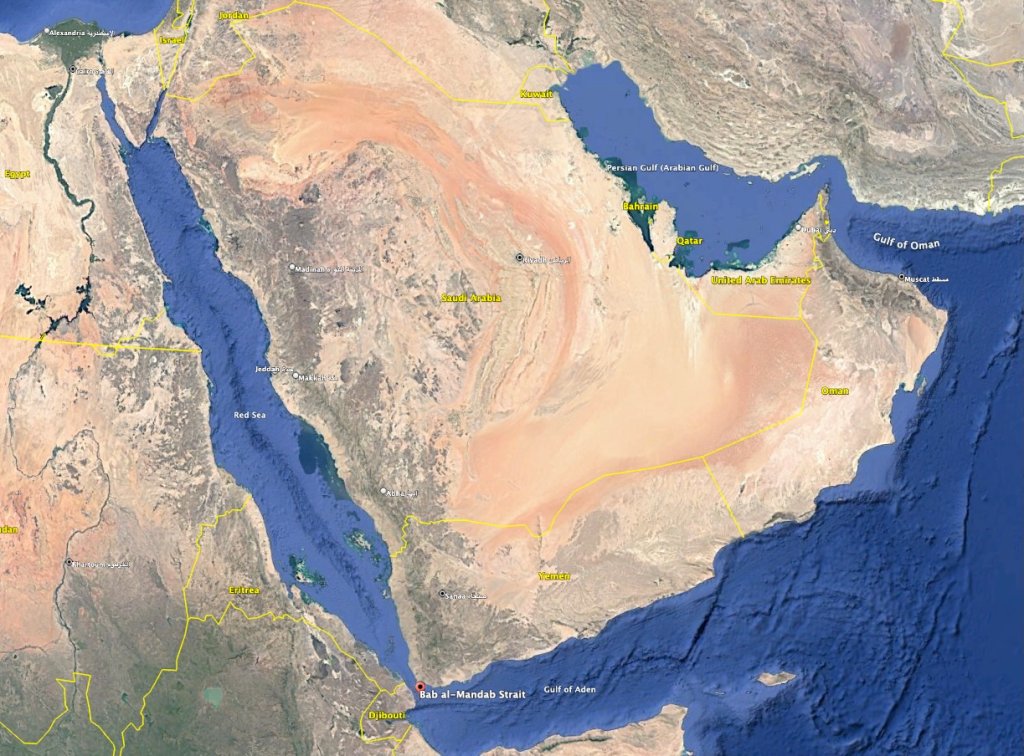
Yemen’s Houthi movement says it is widening its campaign against Saudi shipping into the northern Red Sea, a step that could increase pressure on one of the world’s most important maritime corridors. The claim, reported by The War Zone on August 5, centers on a declared effort to prevent Saudi oil vessels from using northern routes that connect toward the Suez Canal after earlier disruption in the south.
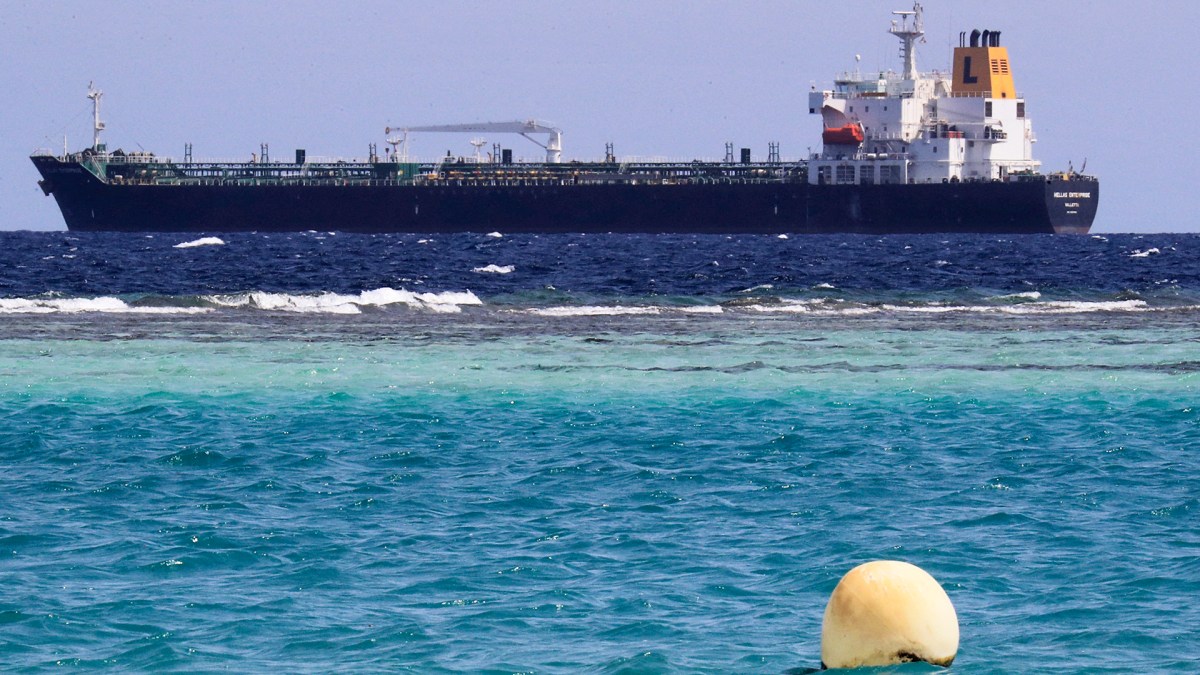
The immediate trigger for the announcement was a claimed strike on the Saudi oil tanker NCC Wafa off the port of Yanbu. According to The War Zone’s report, Houthi spokesman Yahya Saree said the vessel was hit in the northern Red Sea with multiple ballistic missiles and that the strike was accurate. The report also notes that there was no immediate Saudi statement and that the publication could not independently verify the claim.
That qualification matters. The Houthi announcement is operationally significant even without independent confirmation of the reported hit, because it signals declared intent. In practical terms, the group is saying that shipping routes previously seen as safer alternatives may now also be within scope.
The route logic behind the escalation is straightforward
The War Zone says the Houthis had already struck Saudi ships in the southern Red Sea and refineries farther north after imposing a blockade on the Bab al-Mandeb Strait. Those actions had reportedly pushed several oil tankers to avoid the southern route and instead favor the Suez Canal connection.
The group’s new message is that this adjustment by Saudi shipping will not be left unanswered. Saree’s statement, as quoted in the report, framed the expanded threat as an attempt to “close off every route and prevent passage” under what he described as a “blockade for blockade” equation. The strategic aim is clear: if shipping shifts north to avoid one danger zone, the Houthis intend to extend the danger zone.
For commercial operators, that kind of declared escalation is disruptive even before insurers, governments, or navies determine how much of it is immediately actionable. Tanker routing depends not only on where ships were hit yesterday, but on where shipowners believe future attacks may occur. A militant group explicitly broadening the map of risk can affect decisions quickly.
Why the northern Red Sea matters
The northern Red Sea is more than a local theater. It is part of the approach to the Suez Canal, one of the most consequential maritime chokepoints in the global economy. If attacks, or credible threats of attacks, move farther north, the impact could extend beyond bilateral Saudi-Houthi confrontation into shipping economics, energy pricing, and supply-chain planning.
The War Zone report puts that in stark terms, warning that attacks on ships heading toward the canal could become another serious blow to world energy supplies. Even limited interference can have outsized consequences because oil trade depends on predictable transit times, acceptable insurance costs, and confidence that alternative routes remain open.
The report also describes the expansion against Saudi shipping as unfolding amid mixed signals around the Strait of Hormuz, which it says has been largely closed by Iran after it was hit by the United States and Israel on February 28. Taken together, those references point to a wider regional environment in which multiple maritime arteries are under strain or perceived threat at the same time.
The pressure point is not just military, but commercial
When militant threats affect merchant shipping, the first-order consequence is not always the destruction of vessels. Often it is the cost of uncertainty. Tanker operators may reroute, delay departures, or seek more expensive coverage. Cargo buyers may factor in timing risk. Refiners and traders may respond to the possibility of interrupted flows even if a full blockade never materializes.
The Houthis’ strategy, as presented in the source text, appears designed to exploit that reality. They do not need to physically stop every vessel to create disruption. They need only convince a portion of the market that transit is unsafe enough to become more costly or less reliable.
That is why an attack claim against a single tanker and a broader threat declaration can matter beyond the tactical level. In contested waterways, coercive effect often comes from cumulative uncertainty. If vessel owners begin to see the northern Red Sea as a space where ballistic missile attacks are plausible, the operational map changes.
Verification remains limited, but the implications are still serious
There are important limits on what can be concluded from the available reporting. The War Zone explicitly says it could not independently verify the Houthi claim regarding the NCC Wafa, and the Saudis had not issued an immediate public response at the time of publication. That means the specific event should be treated cautiously.
Still, the absence of immediate verification does not erase the strategic significance of the statement itself. Public declarations of target expansion can shape markets, military postures, and diplomatic calculations. They can prompt convoy reviews, surveillance changes, revised threat advisories, or defensive deployments even before all facts around a specific incident are confirmed.
The timing also matters. The report situates this move within a period of broader regional instability and maritime friction tied to Iran, the Red Sea, and energy transit. That wider context increases the chance that commercial shipping firms, allied governments, and energy markets will take the threat seriously.
A wider corridor of risk could deepen global spillover
If the Houthis follow through on their declared intent, the northern Red Sea could join the Bab al-Mandeb area as a higher-risk zone for Saudi-linked oil traffic. That would compress routing flexibility at a moment when traders and shippers typically depend on alternatives to absorb disruptions.
For now, the key development is not a definitive battlefield assessment but a declared widening of the target area. The Houthis are signaling that they intend to contest more of the Red Sea shipping network, including paths associated with Suez-bound movement. Whether that becomes a sustained campaign will depend on capability, interception, retaliation, and the commercial response. But the message itself is unmistakable: the group wants to make northern rerouting feel less like an escape valve and more like another front.
In global energy logistics, that kind of threat can travel faster than any tanker. The next phase will be measured not only in confirmed strikes, but in whether shipowners, insurers, and governments start behaving as though the northern Red Sea has entered a new risk category.
This article is based on reporting by twz.com. Read the original article.
Originally published on twz.com