A familiar F-22 test asset is carrying something new
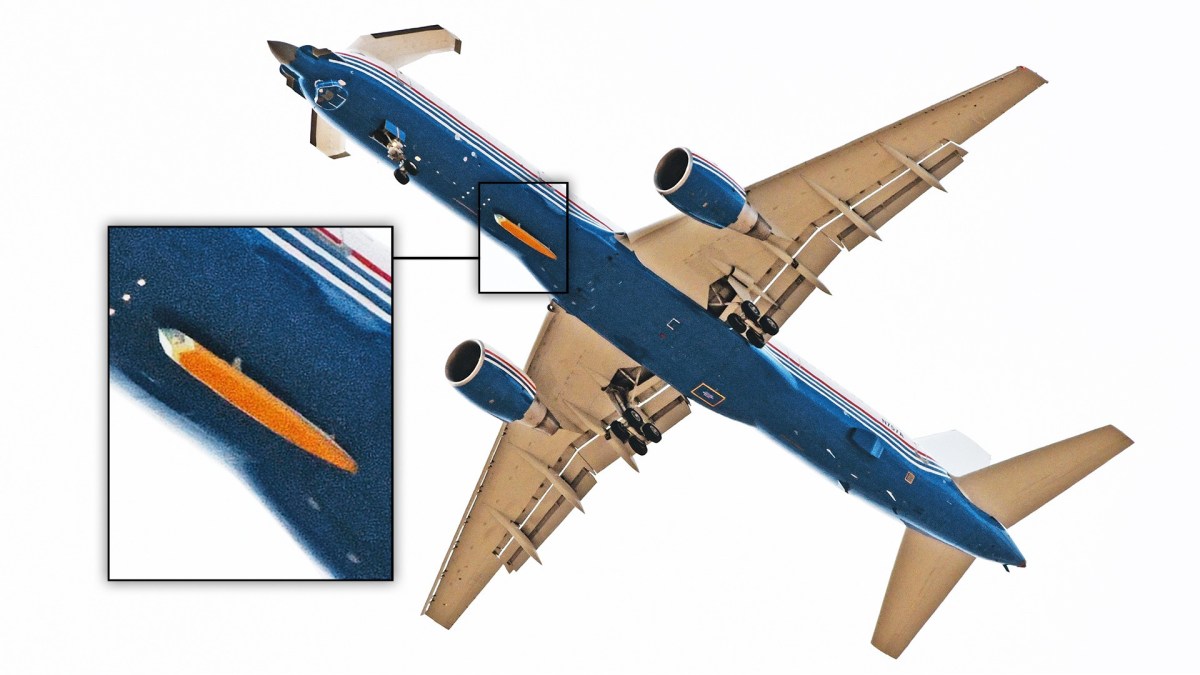
Boeing’s heavily modified 757 flying test bed, widely known as “Catfish,” has been spotted carrying a stealthy underwing infrared sensor pod associated with the F-22’s broader “Raptor 2.0” upgrade package, signaling another visible step in the fighter’s continuing modernization.
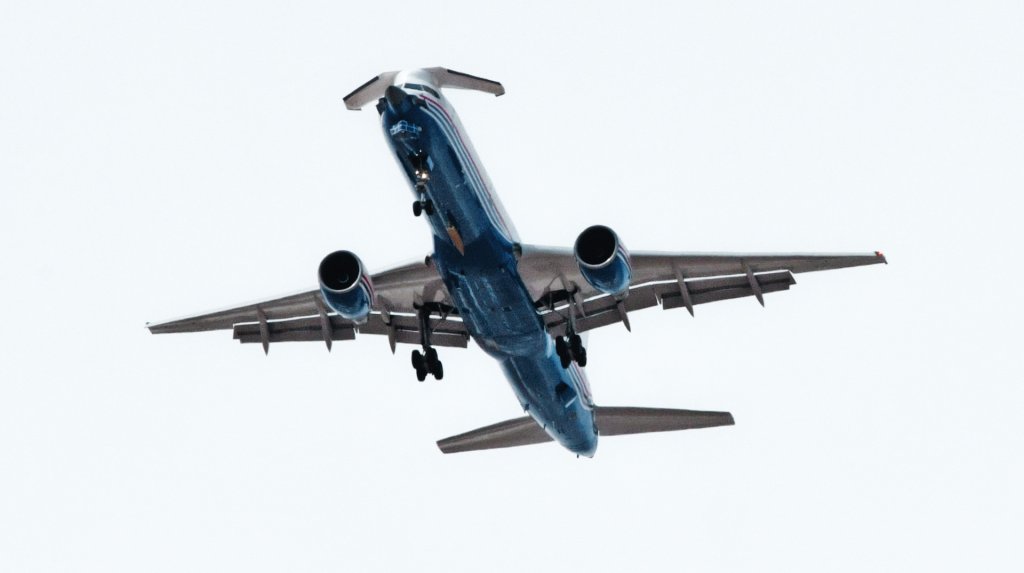
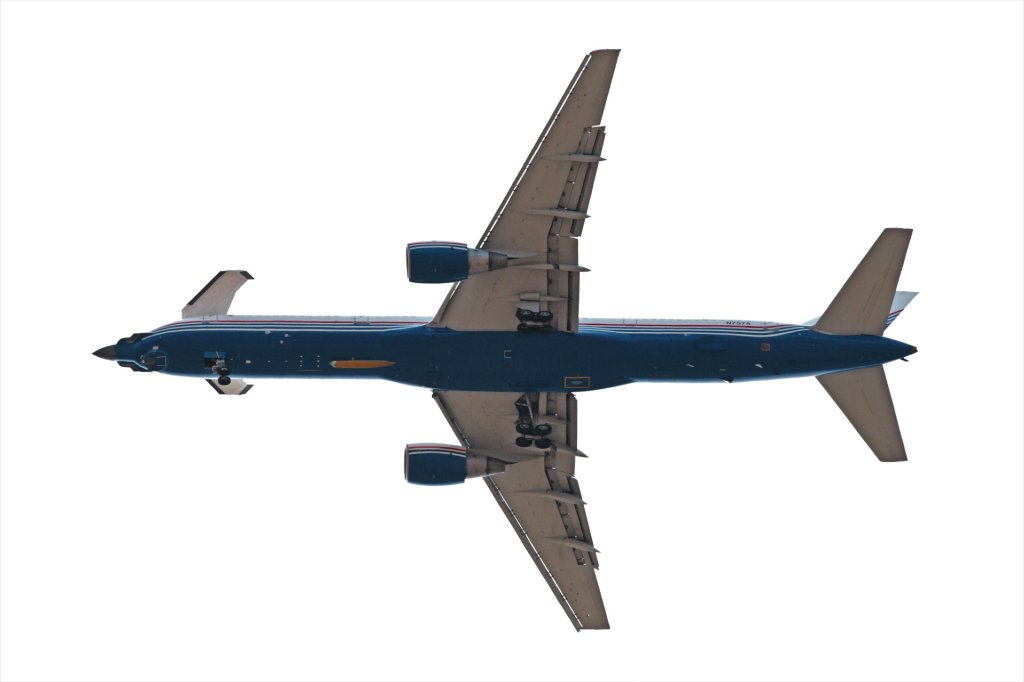
The aircraft was photographed approaching Edwards Air Force Base in California with the pod mounted under the forward fuselage. According to the supplied source text, this may be the first time Catfish has been seen carrying an external store on that station.
That detail matters because Catfish is not an ordinary support aircraft. The 757 has spent decades as a systems integration platform for the F-22 program, and its unusual nose profile, internal equipment, and avionics test role make it one of the most specialized aircraft in the U.S. aerospace development pipeline.
Why Catfish matters to the F-22 program
Catfish has supported the Raptor since the 1990s. Its nose section was modified to replicate the F-22’s forward profile and houses the same AN/APG-77 active electronically scanned array radar used by the fighter, according to the source text. The aircraft also includes features designed to test components tied to the F-22’s AN/ALR-94 electronic support measures system and broader fused sensor architecture.
In practice, that makes the 757 a flying laboratory. It can host equipment, instrumentation, and even a replica of the Raptor cockpit while giving engineers a stable, roomy platform for testing systems that would be harder to develop solely in a front-line stealth fighter.
Its continued use underscores a larger point about modern combat aviation: major upgrades are rarely just software pushes. They depend on test infrastructure, integration campaigns, and specialized platforms that can de-risk new hardware before it reaches operational aircraft.

The significance of the infrared pod
The newly spotted pod is described in the source material as part of the F-22’s “Raptor 2.0” modernization effort. While the excerpt provided does not detail the full sensor specifications, it identifies the payload as an infrared sensor pod intended for the Raptor.
Infrared sensing has become increasingly important in high-end air combat. It can provide passive tracking, improve detection in environments where emissions control matters, and add resilience to a fighter’s sensor mix. For an aircraft as mature as the F-22, an external pod tied to upgraded sensing suggests an effort to extend relevance against more advanced threats and denser electronic-warfare conditions.
The mounting position under Catfish’s fuselage also appears practical for test purposes. The source text notes that carrying the pod there would give the sensor a good forward field of view. That geometry would help developers evaluate performance, integration behavior, and handling of the external store in realistic flight profiles.
What this says about Raptor modernization
The F-22 has long been regarded as one of the most capable air-superiority fighters in service, but it has also faced pressure to evolve. New Chinese airpower developments, denser air-defense networks, and a faster pace of sensor fusion across modern aircraft have all pushed the Air Force to keep the Raptor relevant even as next-generation programs advance.
The “Raptor 2.0” label in the supplied source text suggests a package of updates rather than a single bolt-on improvement. The infrared pod therefore may represent one visible piece of a larger effort involving sensing, avionics, networking, and survivability.
External stores create trade-offs for stealth aircraft, but testing such a pod still makes strategic sense. In some operational contexts, the additional sensor capability may justify the drag and signature penalties. In others, the same technology might later inform a more integrated solution.

Edwards remains the center of gravity for this work
The sighting took place near Edwards Air Force Base, a location closely associated with U.S. Air Force test and evaluation. That fits Catfish’s long-standing role and reinforces how modernization programs often reveal themselves first through test activity rather than formal announcements.
Because the aircraft is conspicuous and historically tied to the F-22, each unusual configuration draws attention from analysts tracking U.S. tactical aviation programs. In this case, the appearance of the pod is valuable precisely because it shows hardware in flight rather than as a rendered concept or procurement line item.
For outside observers, these glimpses can offer clues about priority areas in classified or semi-classified upgrade paths. A sensor pod appearing on the main F-22 integration test bed is a stronger indicator of real momentum than abstract references to future capability.
The larger defense takeaway
Military aviation modernization is often described through future sixth-generation systems, but current fleets still require constant adaptation. The F-22 remains a core air-combat asset, and investments in its sensing and integration chain suggest it will continue to matter even as newer programs take shape.
Catfish’s latest appearance is a small but telling sign of that process. A decades-old 757 test bed is still doing critical work for one of the U.S. military’s most advanced fighters, and the external infrared pod points to a clear priority: expanding what the Raptor can see and track.
That is the logic of modern airpower development. Even elite aircraft do not stand still. They evolve through hardware experiments, test platforms, and incremental upgrades that rarely make headlines until a photograph catches one in the open.
This article is based on reporting by twz.com. Read the original article.
Originally published on twz.com