The Pentagon wants more money for a fighter still struggling to stay ready
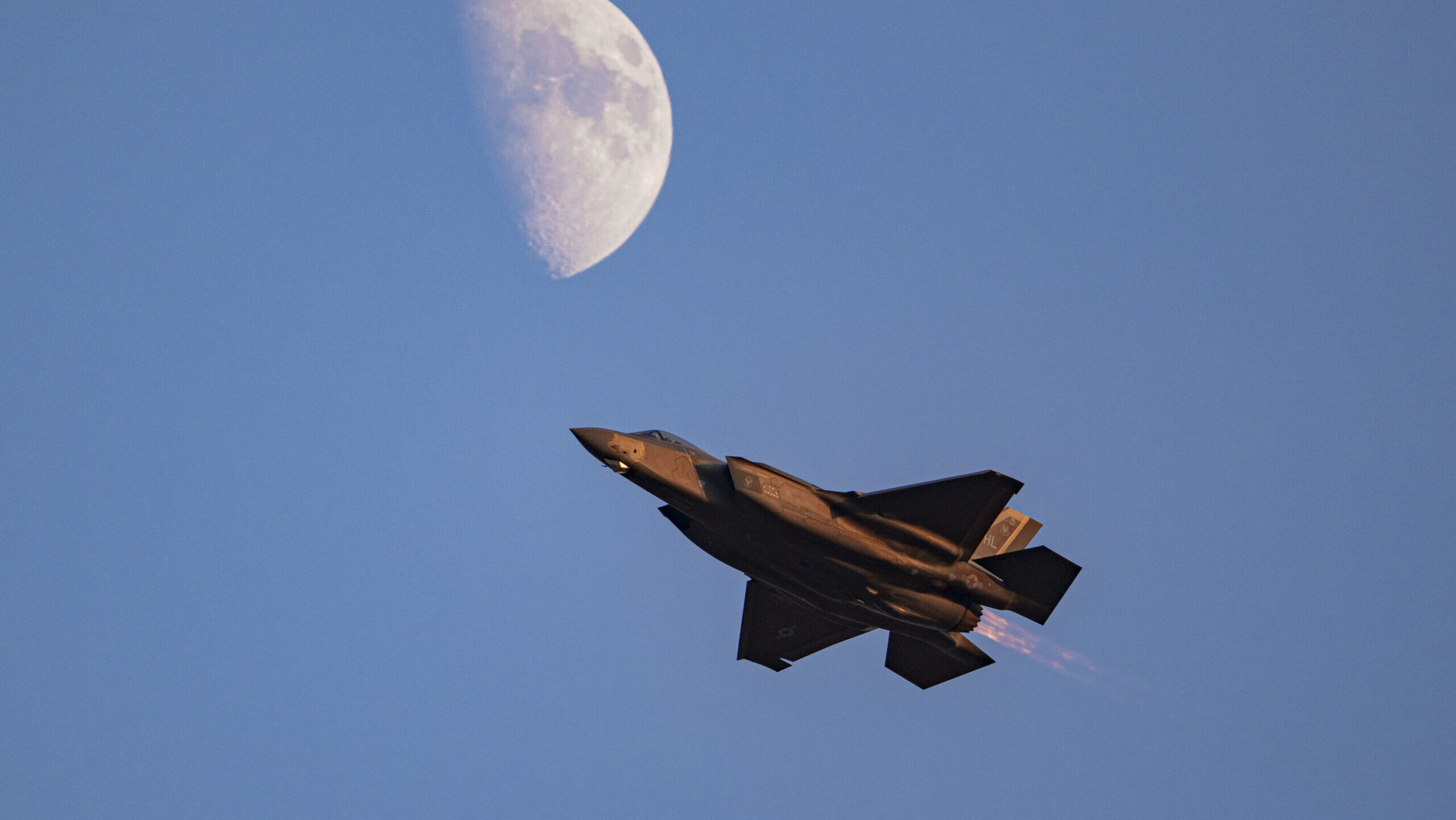
The Pentagon is seeking an additional $13.7 billion for F-35 sustainment from fiscal 2026 through fiscal 2031 as readiness rates for the Joint Strike Fighter continue to deteriorate, according to a new Government Accountability Office review reported by Breaking Defense. The report captures a persistent contradiction at the center of the program: the F-35 remains one of the United States’ most important combat aircraft efforts, yet the services that fly it are still having trouble keeping enough jets fully mission capable.
GAO found that the F-35’s full mission capable rate, the measure of whether an aircraft can perform all of its assigned missions, fell from 38 percent in fiscal 2021 to 25 percent in fiscal 2025. Its broader mission capable rate, meaning the aircraft can perform at least one designated task, dropped from 67 percent to 44 percent over the same period. Some of the decline was linked to delays surrounding Technology Refresh 3, the upgrade whose problems previously froze deliveries, but the watchdog made clear that the readiness challenge runs deeper than a single bottleneck.
The reset plan is large, but GAO sees multiple risks
To address the trend, the F-35 Joint Program Office launched what it calls a Global Support Solution Reset. The extra billions the Pentagon now wants are intended to support that effort, but GAO says multiple risks could still prevent the plan from meeting its readiness goals. The first is straightforward: the services operating the aircraft have to absorb the cost.
According to the watchdog, the Air Force told GAO it could likely afford the costs tied to the reset for its F-35A fleet. The Navy and Marine Corps were less certain. Officials from those services said competing priorities could limit how much funding they can commit to F-35 sustainment. That matters because affordability is not a secondary problem in this program. It is a structural one. Even with prior congressional appropriations, Joint Program Office officials told GAO that sustainment funding gaps remained.
GAO also found that projected annual operating costs in the mid-2030s, when the fleet is expected to reach a steadier long-term state, have increased over earlier estimates for most variants. In part, that reflects expectations for more flight hours. But the larger implication is that the cost challenge is not fading as the fleet matures. It is following the aircraft into its supposed steady-state years.
More money may not solve the industrial bottlenecks
Even if Congress and the services provide the money, GAO says the industrial base could still struggle to deliver what the fleet needs. Breaking Defense highlighted the F-35 canopy as one example of a recurring bottleneck that has hurt mission capable rates. The aircraft’s F135 engine also remains part of the sustainment challenge, with manufacturing and support demands pressing on an already complex supply network.
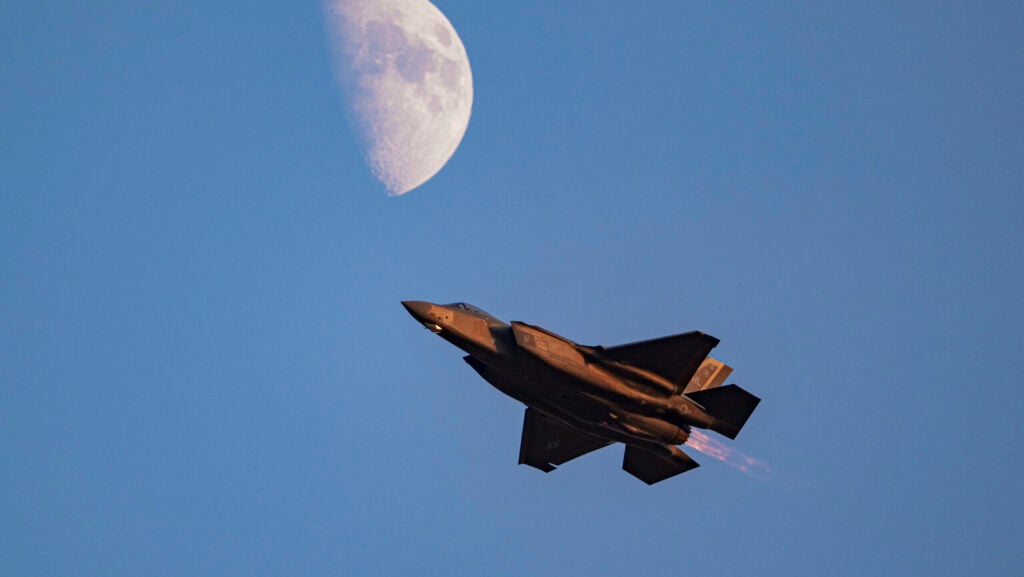
This is one reason the F-35 debate has shifted from procurement headlines to sustainment realism. Building advanced aircraft is only part of the equation. If spare parts, depot capacity, repair cycles, and supplier throughput cannot keep up, readiness will lag regardless of how sophisticated the platform is. The GAO review underscores that the F-35 program is no longer judged mainly by how many jets are delivered. It is judged by how many can be used when needed.
That distinction is especially important for a program shared across the Air Force, Navy, and Marine Corps, and central to allied planning. Low readiness in a widely fielded platform creates ripple effects through training schedules, force availability, budgeting, and long-term credibility.
The larger warning from the watchdog
GAO’s assessment does not suggest the Pentagon is backing away from the F-35. On the contrary, the requested sustainment increase shows how central the aircraft remains. But the report is a reminder that strategic importance does not automatically produce operational reliability. The program still has to solve affordability and industrial support at scale.
The watchdog’s findings also matter because they place current problems in a longer budget window. The reset plan stretches into 2031, while cost estimates are rising into the 2030s. That means policymakers are not facing a short-term repair bill. They are confronting the possibility that the world’s premier fighter program may require a more expensive and more fragile support structure than previously assumed.
For the Pentagon, the next phase will be measured less by rhetoric than by sortie-ready aircraft. If the additional $13.7 billion cannot produce a sustained readiness recovery, the F-35’s critics will have a stronger case that the program’s greatest vulnerability is no longer development. It is sustainment.
This article is based on reporting by Breaking Defense. Read the original article.
Originally published on breakingdefense.com