Canada’s observer entry gives GCAP new momentum
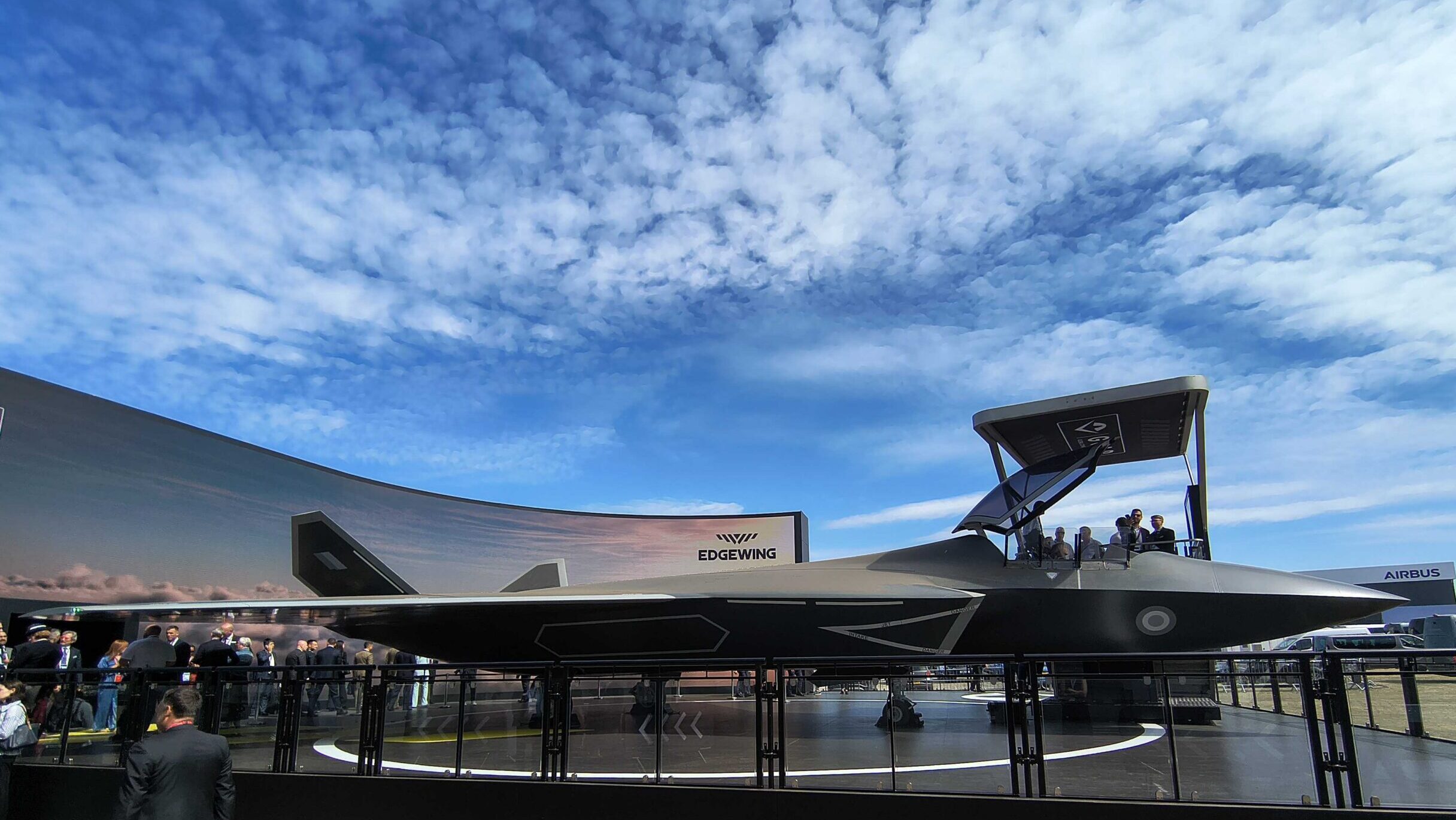
The Global Combat Air Programme arrived at the Farnborough International Airshow as one of the most closely watched defense efforts in Europe and Asia, and it left with a notable political signal: Canada is now part of the conversation. The United Kingdom, Italy and Japan announced that Ottawa will join the program as an observer, giving it access to a working view of the sixth-generation fighter effort without immediately taking on the cost or obligations of full membership.
That distinction matters. Observer status, as described by program officials at Farnborough, does not come with a financial commitment from Canada. It does, however, create a formal channel for understanding how the project is being run and how it could evolve. In practical terms, it keeps the door open to later talks about becoming a full partner, a step that would require industrial participation rather than symbolic alignment alone.
The announcement comes at an important moment for GCAP. The trilateral effort was already drawing heightened attention after the collapse of the rival Future Combat Air System’s flagship fighter track, leaving GCAP as the main multinational sixth-generation combat aircraft project outside the United States’ separate F-47 path. That changed the tone around Farnborough. What had been a major collaborative air combat program became, almost by default, the principal arena for countries and companies still seeking a place in a next-generation fighter ecosystem.
A wider coalition is attractive, but not at any price
Program leaders used the airshow to project openness, but not indiscriminate expansion. Masami Oka, chief executive of the GCAP Agency, said the three governments had signaled from the beginning that they were open to additional participants if doing so would serve the program and deliver mutual benefit. That formulation is revealing. GCAP is not presenting itself as a closed club, yet it is also not inviting entrants on political prestige alone. The standard being articulated is whether a new member strengthens the program in a concrete way.

That is where Canada’s observer role fits neatly. It allows the existing partners to deepen engagement without immediately renegotiating the industrial and governance balance of a complex multinational effort. For Canada, it creates optionality. Ottawa can learn the contours of the program, assess how national industry might contribute and determine whether joining more fully would align with its defense and aerospace priorities.
The same caution surfaced when officials and executives were asked about other possible entrants. With FCAS weakened, speculation has naturally turned toward whether countries or firms left adrift by that setback might pivot toward GCAP. Leonardo chief executive Lorenzo Mariani acknowledged that a country such as Germany could bring substantial industrial weight. But he also warned that adding another nation or industrial bloc could cause disruption and potentially delay the schedule. For a program publicly anchored to a 2035 service-entry goal, schedule protection is not a side issue. It is central to the project’s credibility.
The shadow of FCAS is reshaping the debate
Much of the interest around GCAP at Farnborough was driven by what happened outside the program as much as what happened inside it. The unraveling of FCAS as a fighter-centered effort has sharpened focus on the structural problems that can haunt multinational defense projects: disputes over intellectual property, workshare, industrial leadership and national requirements. Mariani explicitly linked France’s likely absence from GCAP to the same kinds of tensions that helped fracture the rival effort.
That comparison works in GCAP’s favor, but only if the current partners keep demonstrating that they can move faster than Europe’s other stalled collaboration. The message from Farnborough was that the program’s leadership understands the risk. On one hand, new participants can broaden political legitimacy, add money, expand industrial capacity and deepen export relevance. On the other, every added stakeholder increases the complexity of negotiating who builds what, who controls key technologies and how operational requirements are balanced.
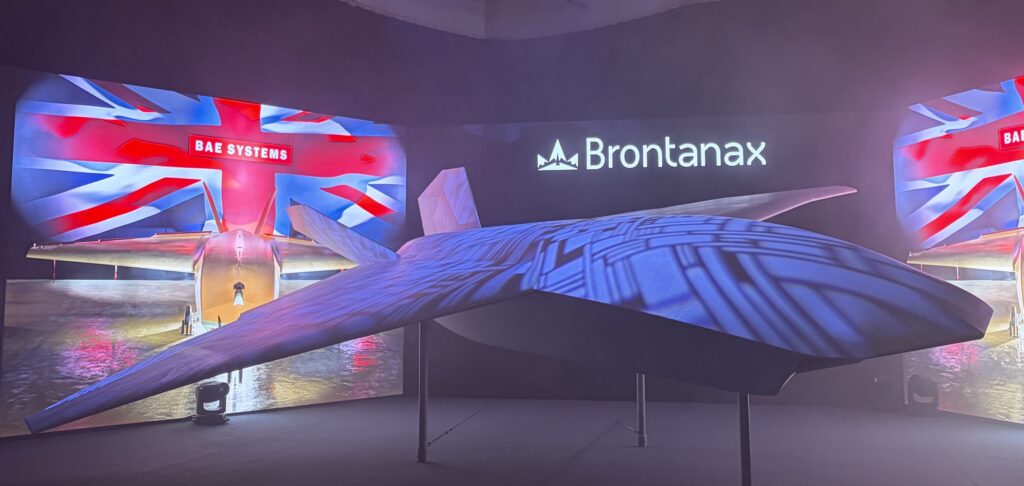
GCAP’s current positioning suggests that the three core partners are trying to preserve a narrow path between those two realities. They want the strategic benefits of being seen as open, especially after FCAS faltered, but they do not want openness to turn into a source of internal drag. Canada’s observer role is a low-risk way to test that balance.
Why the Farnborough signal matters
The immediate military effect of Canada’s move is limited, because observer status does not redesign the aircraft or inject production funding. The strategic effect is broader. It indicates that GCAP still has gravitational pull at a time when allied nations are reassessing their future air combat options. It also gives the program a diplomatic win without forcing a premature restructuring of responsibilities among the founding members.
For the UK, Italy and Japan, that matters almost as much as any engineering milestone announced this year. Sixth-generation aircraft programs are not judged only by design promises. They are judged by whether they can sustain political backing, protect schedules and assemble an industrial coalition strong enough to survive over more than a decade of development. Farnborough did not settle those questions, but it did show that GCAP currently occupies the strongest multinational position in that race.
The harder part comes next. If Canada eventually seeks full partnership, or if additional countries press for entry, GCAP will have to prove it can scale participation without importing the same arguments over control and workshare that damaged its European rival. For now, the program has chosen a measured step rather than a dramatic expansion. That may be the most important sign from Farnborough: GCAP is willing to grow, but only in ways that do not compromise the timetable and cohesion that its leaders now treat as strategic assets.
This article is based on reporting by Breaking Defense. Read the original article.
Originally published on breakingdefense.com