Radarless F-35 deliveries are no longer hypothetical
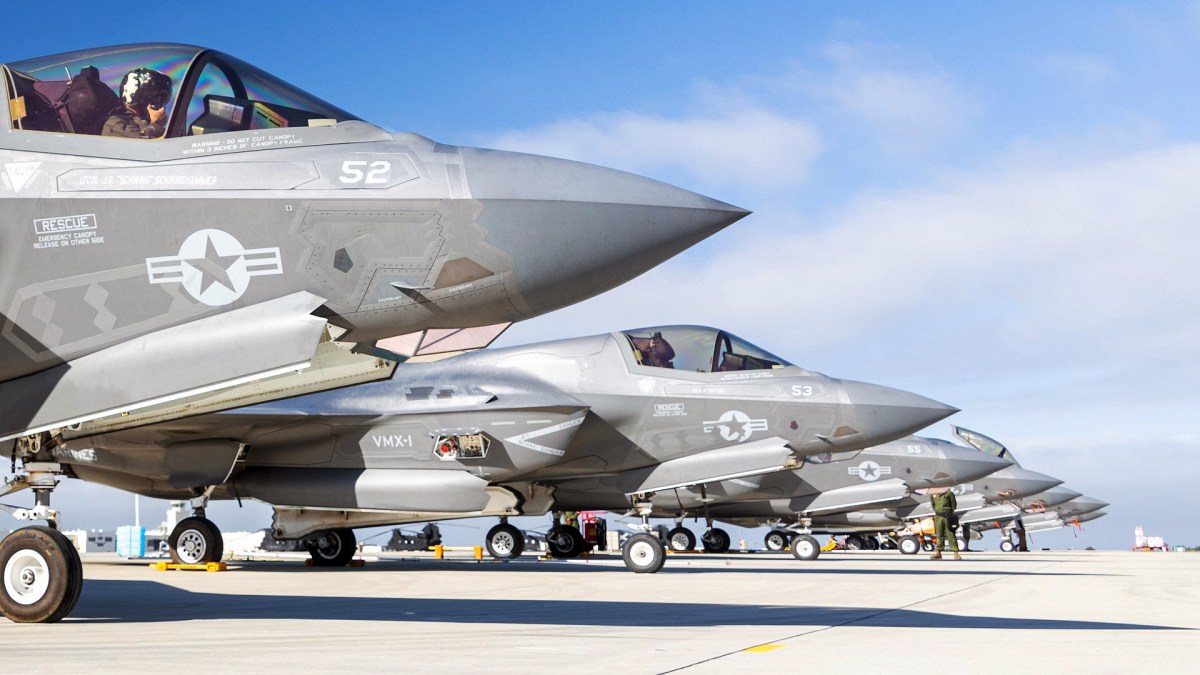
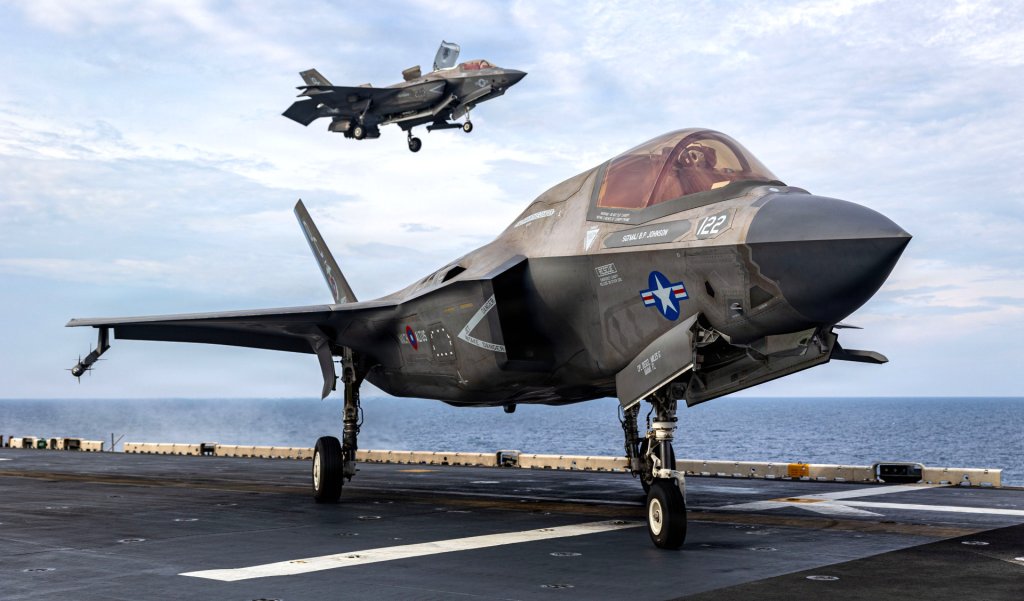
The U.S. military has now confirmed that at least six F-35B fighters for the Marine Corps were accepted without radars installed, turning what had been an emerging concern into an official marker of how deeply the Joint Strike Fighter program’s modernization delays are affecting production. The disclosure came from Marine Corps Lt. Gen. Gregory Masiello, the head of the F-35 Joint Program Office, during a Senate Armed Services Committee hearing this week.
The missing component is not a minor subsystem. The affected jets are tied to the AN/APG-85, the next radar associated with the F-35’s broader Block 4 upgrade effort. That upgrade package is intended to expand capability across all variants of the aircraft, but it has already been associated with cost growth and schedule slippage. The radar issue now shows those problems moving beyond paperwork and planning into the physical condition of aircraft being delivered.
The significance of that shift is straightforward. Deliveries are usually treated as evidence that a program is progressing. Accepting aircraft that still lack a core sensor suggests the production line is continuing while a critical element of the future configuration is not ready. That does not mean the aircraft are useless, but it does underline a mismatch between manufacturing momentum and system readiness.
The AN/APG-85 delay is tied to the larger Block 4 struggle
According to the supplied source material, the first production lot of AN/APG-85 radars is scheduled for delivery in 2028. That date matters because it places a multi-year gap between the acceptance of some new F-35Bs and the expected arrival of the radar they are supposed to receive. In practical terms, this is another sign that Block 4 remains a long-running transition rather than a near-term finish line.
Block 4 has been one of the program’s most important promises. It is supposed to deliver expanded mission systems and updated capabilities for the Air Force, Marine Corps, and Navy fleets. But the effort has repeatedly been described as delayed and more expensive than originally expected. The radar situation is especially revealing because sensors sit at the core of the F-35’s value proposition. The jet is built around fusing information, detecting threats, and enabling pilots to operate with a detailed picture of the battlespace. When radar installation becomes a delivery bottleneck, that cuts close to the aircraft’s central identity.
The issue also appears to be intertwined with broader program complications rather than standing alone. The supplied report frames the radar delays as deeply connected to other persistent F-35 problems. That makes the latest disclosure less of an isolated production hiccup and more of an indicator that major program stresses remain unresolved even as new aircraft continue to reach operators.
Congressional scrutiny is increasingly focused on readiness
The hearing where Masiello confirmed the radarless deliveries was not only about procurement schedules. It was also about readiness, a topic that has followed the F-35 program for years. Senator Mark Kelly used the exchange to connect aircraft capability, fleet availability, and the logic of accepting incomplete jets in the first place.
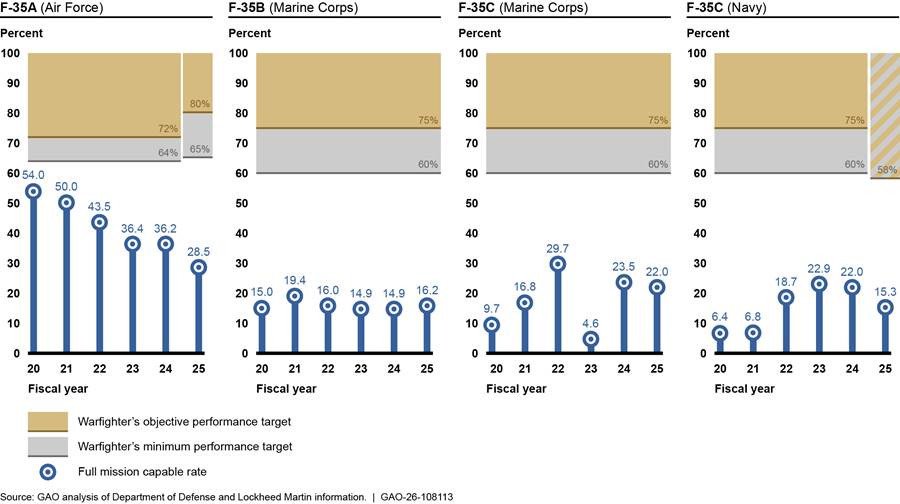
The immediate backdrop was a recent Government Accountability Office report that said the average full mission capable rate across all F-35 variants fell from 38 percent to 25 percent between fiscal years 2020 and 2025. The GAO defines full mission capable aircraft as jets able to perform all assigned missions. By that measure, the trend line points in the wrong direction for a program that has consumed vast resources and now represents a major share of U.S. tactical airpower plans.
The Joint Program Office has not directly accepted the GAO figures, and the source text notes that it disputes the methodology used to calculate full mission capability. Even so, the disagreement itself has become part of the story. When a watchdog says fleet readiness has deteriorated sharply and the program office says the measurement system is flawed, lawmakers are left confronting uncertainty on top of the underlying problem. That gap makes it harder to judge whether the fleet is underperforming, being measured too harshly, or both.
Kelly’s questioning distilled the political problem. Even using the program office’s more favorable numbers, he argued, a large share of the fleet is still not fully mission capable. In that context, accepting aircraft without radars becomes more than a technical issue. It becomes an optics problem, a management problem, and a strategic problem all at once.
What radarless acceptance says about program management
Programs as large as the F-35 often keep moving through imperfect conditions, especially when production commitments, industrial planning, and service demand are all difficult to pause. From that perspective, accepting aircraft before all intended hardware is installed may be viewed internally as a way to avoid deeper disruption. But the cost of that choice is growing public visibility into how unfinished some deliveries may be.
There is also a broader risk. The F-35 is not only a U.S. weapon system; it is also a multinational program and a symbol of Western defense-industrial coordination. When central upgrades slip and aircraft arrive without radars, allies, lawmakers, and operators are all given fresh reason to question timelines, sustainment assumptions, and the credibility of capability roadmaps.
That does not erase the aircraft’s importance. The F-35 remains foundational to U.S. and partner force planning. But foundational programs face the highest scrutiny because alternatives are limited and the consequences of delay ripple far beyond a single squadron or procurement year.
The immediate takeaway
The confirmation of six radarless Marine Corps F-35Bs crystallizes a concern that had been building for months: core Block 4 elements are still late enough to affect how aircraft are being fielded. Combined with persistent arguments over readiness rates, the development suggests the program’s challenge is no longer simply getting more jets out the door. It is ensuring those jets arrive with the capabilities and support structure that justify the scale of the investment.
If the first production lot of the new radar does not arrive until 2028, Congress and the services will likely continue pressing for clearer explanations of how many aircraft are being delivered in interim configurations, how they will be upgraded, and what that means for operational planning. The latest hearing indicates that those questions are no longer peripheral. They are becoming central to the next phase of F-35 oversight.
This article is based on reporting by twz.com. Read the original article.
Originally published on twz.com