China’s abandoned rocket stages are adding to a long-term orbital hazard
A new analysis cited by Breaking Defense argues that China has been leaving used rocket bodies in low Earth orbit at a rising pace, increasing the risk to military and commercial satellites operating in an already crowded region of space. The concern is not only the number of objects involved, but also their size, altitude, and history of explosive breakup.
According to the report from space-monitoring firm LeoLabs, China abandoned 51 spent rocket bodies in low Earth orbit above 650 kilometers between January 2021 and January 2025. That is more than double the number recorded over the previous five years, bringing the total to 96 for the longer period tracked in the analysis. LeoLabs says those Chinese stages represented 86 percent of the global total of rocket bodies left in that orbital band during the 2021 to 2025 window.
The comparison with other major space powers is stark in the supplied report. Over the same period, the United States left four rocket bodies in that region of orbit and Russia left one. LeoLabs also said the amount of rocket-body mass abandoned by China above 650 kilometers more than tripled, climbing from 98,000 kilograms to 305,000 kilograms. That matters because large derelict objects create larger debris fields if they break up on their own or collide with other objects.
Why rocket bodies matter more than many other pieces of space junk
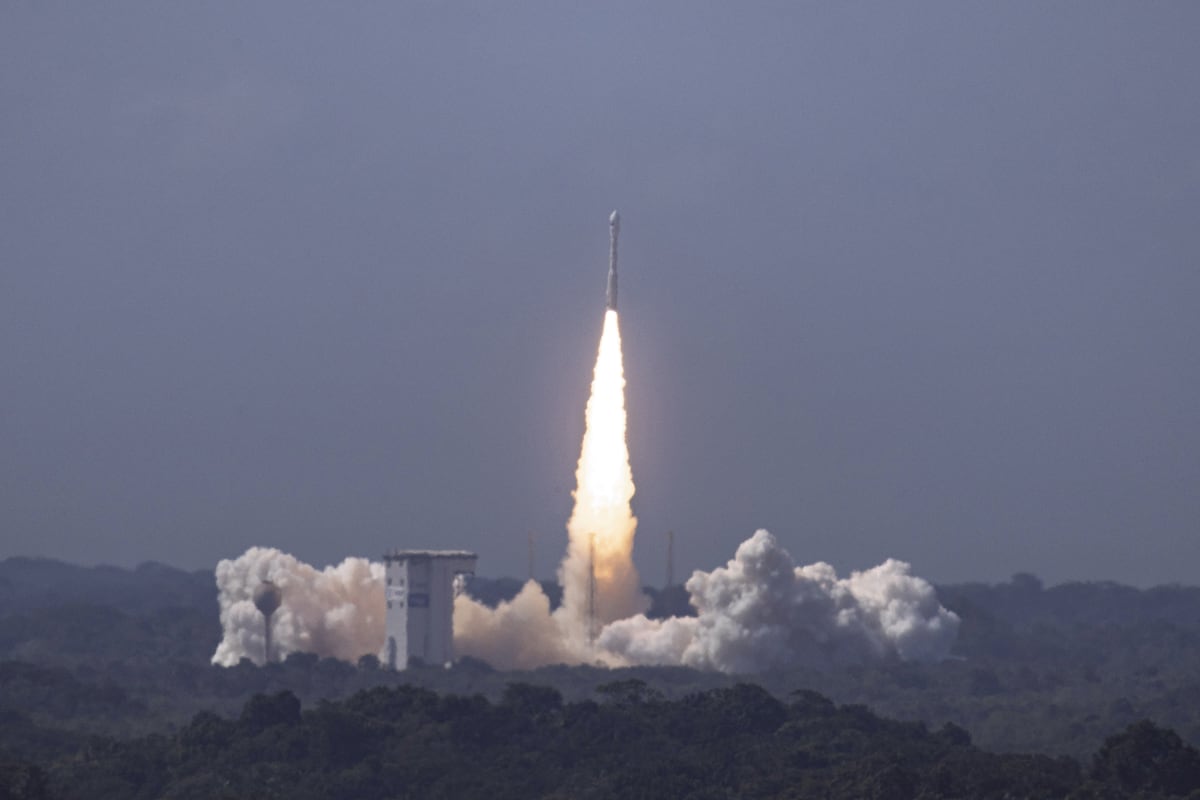
Not all orbital debris creates the same level of danger. Spent rocket stages are especially problematic because they can retain residual propellant or pressurized materials after launch. That leftover energy can trigger explosions months or years later, scattering fragments across populated orbital lanes and complicating collision avoidance for satellite operators.
LeoLabs researcher Darren McKnight, quoted by Breaking Defense, pointed to three Chinese rocket-body explosions over the last four years, including two involving the CZ-6A and a more recent Zhuque-2 event. In the article’s description of the report, those incidents are presented as evidence that these upper stages are not merely passive debris. They are large, long-lived objects with a demonstrated capacity to generate many more hazardous fragments.
The altitude range matters as much as the object count. Rocket bodies left above roughly 650 kilometers can remain in orbit for decades or even centuries, depending on their exact altitude and shape. That means today’s disposal choices can constrain orbital safety far into the future. For operators of communication satellites, imaging constellations, missile-warning payloads, and other national-security systems, the practical result is a denser field of potential collision threats that must be tracked and avoided.
Why this is becoming a military issue, not just a civil one
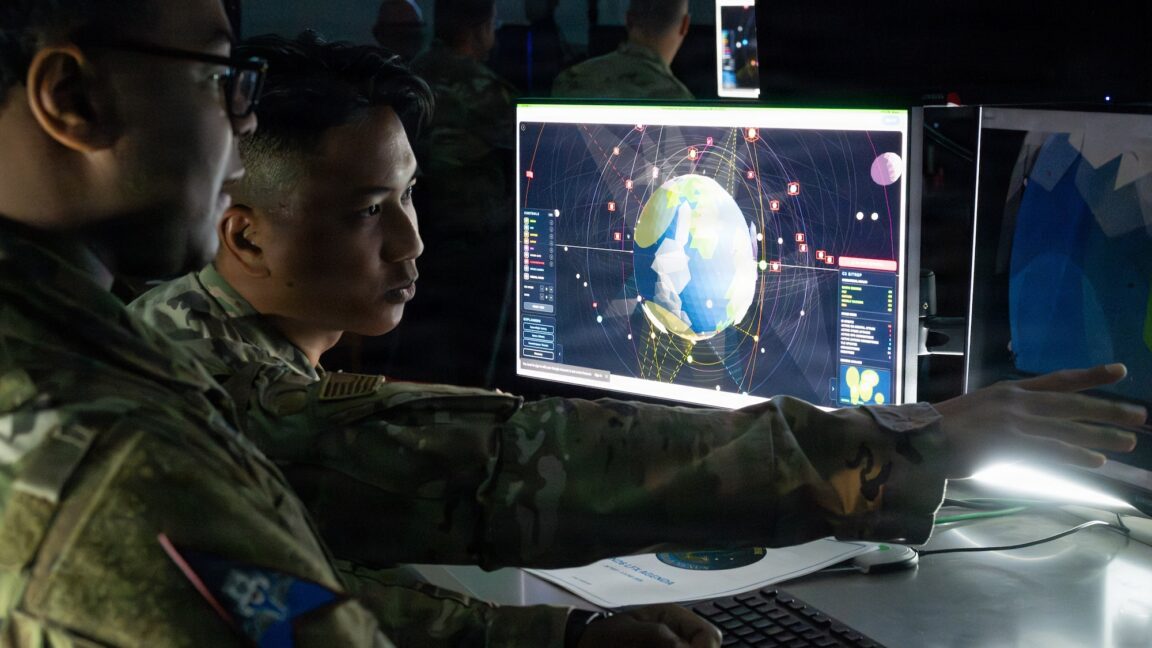
The report frames the problem as a direct concern for military space actors as well as commercial operators. That is a significant shift in how orbital debris is often discussed. Space sustainability is frequently treated as a civil or regulatory issue, but the underlying math affects defense missions just as much. If the risk of collision rises in key orbital shells, military spacecraft face the same maneuvering burdens, the same uncertainty about breakup events, and the same possibility that a fragment cloud could interfere with operations.
McKnight’s warning, as summarized by Breaking Defense, is that this growing stockpile of derelict mass adds unnecessary uncertainty for military space users. That uncertainty shows up in multiple ways:
- More large objects must be continuously tracked.
- Breakup events can create new debris fields with little strategic warning.
- Satellite operators may need to conduct more avoidance maneuvers, consuming fuel and shortening mission life.
- Long-lived debris can affect future launch planning and orbital slotting.
In practical terms, a heavily used low Earth orbit becomes harder to manage when a small number of nations leave large stages behind instead of deorbiting them or moving them to less hazardous disposal paths.
Mass, not just count, is driving the risk
One of the more important details in the cited analysis is the emphasis on abandoned mass rather than simple object totals. LeoLabs says China accounts for 98 percent of the global increase in abandoned rocket-body mass above 650 kilometers and has left more than 40 times the amount of such mass in long-lived low Earth orbits than the rest of the world combined. That statistic suggests the issue is not merely a bookkeeping anomaly caused by frequent launches. It points to a concentration of risk in a specific class of large, persistent objects.
Breaking Defense also notes McKnight’s explanation that China is using larger rockets than many other countries for launches into low Earth orbit. If so, each abandonment decision carries more consequence because each object has greater potential to create debris if it later fails catastrophically. A single breakup involving a large upper stage can produce an enduring operational burden across a broad swath of orbit.
The larger lesson for an increasingly busy orbit
The broader implication is that launch success alone is no longer enough. As satellite constellations multiply and governments rely more heavily on orbital infrastructure, post-mission disposal practices are becoming a core part of space power. A country can expand its launch cadence and still impose heavy downstream costs on everyone else if its upper stages remain in long-lived orbits.
The report does not claim that China is the only source of orbital debris, nor does it suggest every abandoned stage will explode. But the trend described by LeoLabs is large enough to stand out: more spent stages, more abandoned mass, and more persistence in an orbital regime where crowding is already a strategic concern. For policymakers and satellite operators, that combination is likely to strengthen calls for stricter disposal norms and closer monitoring of upper-stage behavior after launch.
The main takeaway is straightforward. Orbital debris risk is being shaped not just by the number of satellites going up, but by what launch providers leave behind. If the figures cited in the LeoLabs analysis hold up, China’s spent rocket stages have become one of the most consequential contributors to long-term collision risk in low Earth orbit.
This article is based on reporting by Breaking Defense. Read the original article.
Originally published on breakingdefense.com