The Air Force closes a core institution of the A-10 community
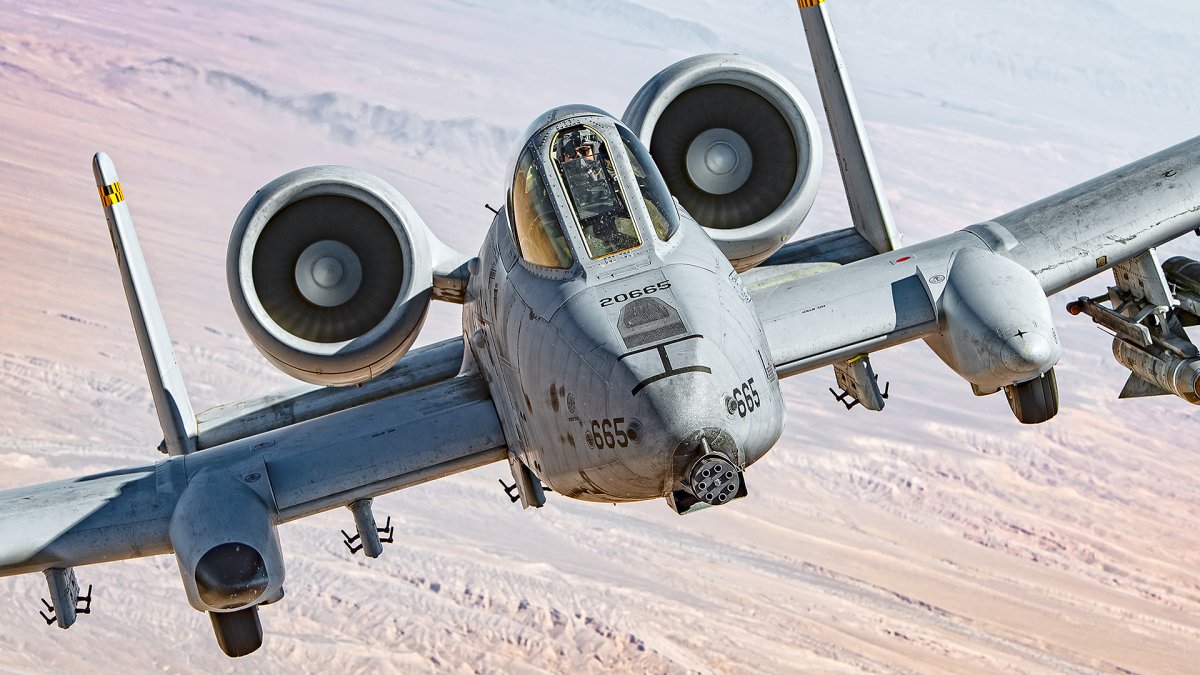
The U.S. Air Force’s A-10 community has crossed a symbolic and operational threshold: the service’s final A-10 Weapons Instructor Course has already concluded, ending a training pipeline that had served as the aircraft’s center of excellence for nearly half a century. According to The War Zone, the last course wrapped in December 2025, when the final pair of students graduated from the six-month program run by the USAF Weapons School since 1977.
That detail matters because the course was not just another training syllabus. It represented the Air Force’s highest-level institutional investment in building A-10 experts who could teach, integrate, and refine the aircraft’s mission in combat. Its shutdown is a concrete sign that the A-10’s long retirement is no longer an abstract future plan. A defining part of the aircraft’s professional ecosystem is already being dismantled.
What the course represented
The A-10 Weapons Instructor Course, hosted by the 66th Weapons Squadron at Nellis Air Force Base, was designed to turn experienced pilots into advanced tactical leaders. The War Zone describes it as the center of excellence for the Warthog and its missions for nearly 50 years. That formulation is important because it captures how the school functioned: as a place where the Air Force concentrated doctrine, combat lessons, and high-end integration around a single aircraft and the missions it was built to perform.
Maj. Alex “Trippin” Boules, identified as one of the last A-10 weapons instructor pilots at the 66th Weapons Squadron, told The War Zone that students were taught the fundamentals of combat search and rescue, close air support, forward air control, and even counter-maritime missions from the moment they arrived. He added that the school taught pilots not only to be experts in their aircraft, but also “to be an expert in integration.”
That emphasis on integration helps explain why the course carried significance beyond the A-10 fleet itself. The value of a weapons school graduate is not limited to flying skill. The role includes connecting airpower with ground forces, rescue missions, and broader joint operations. In practice, the school helped preserve a body of expertise about how the aircraft should be used, when it should be used, and how it should work alongside other units.
A final capstone for a retiring platform
The War Zone’s report centers on a final chapter at Nellis, where the A-10 team supported a capstone exercise during the Weapons School’s last graduation events for new weapons instructors before they received their graduate patches. The outlet’s account, including a rare flight opportunity with the 66th Weapons Squadron’s A-10 team, frames the moment as both a live training event and a farewell to an institution that had shaped the platform’s culture for decades.
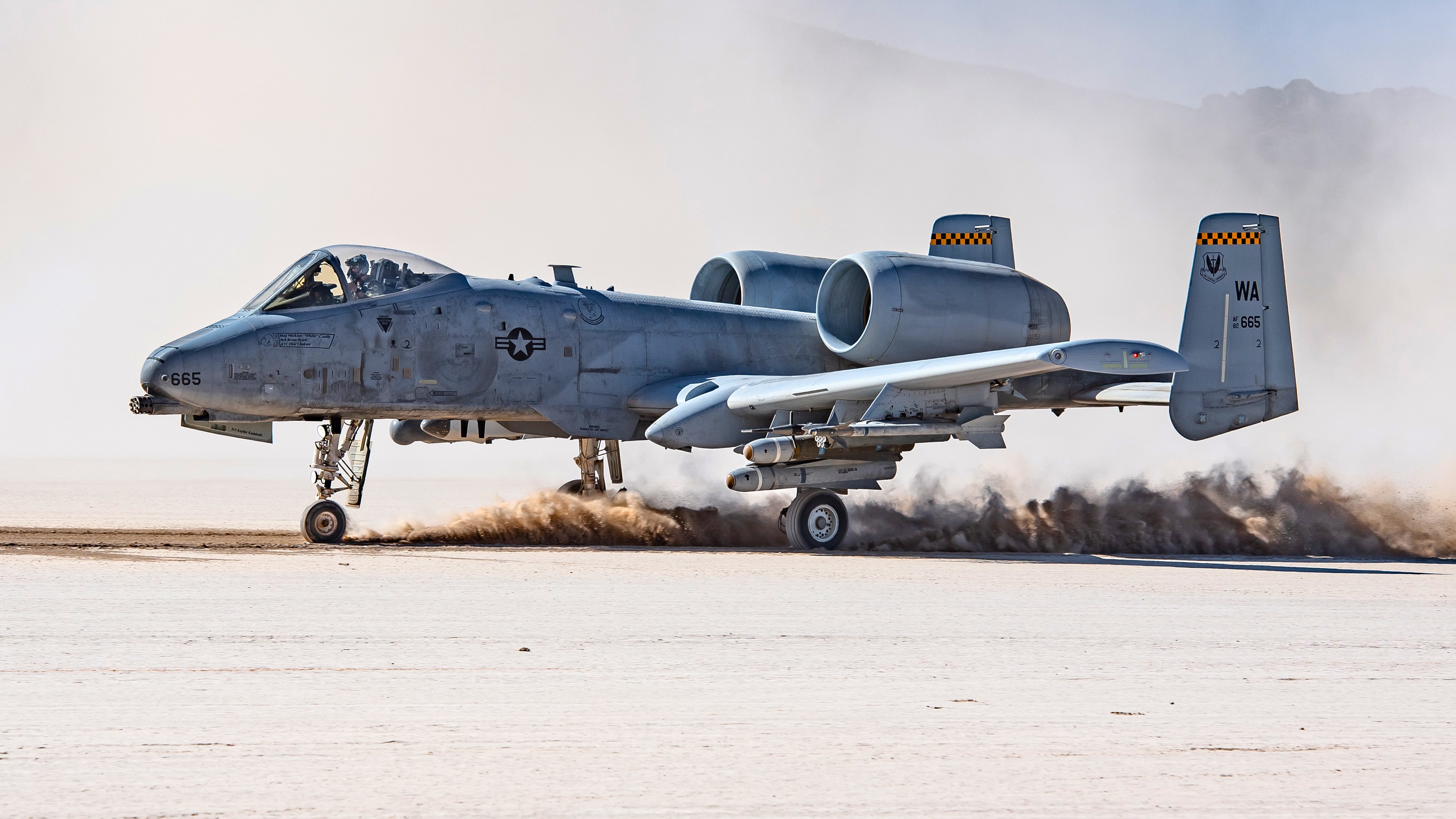
One image highlighted in the report shows an A-10 landing on a lakebed in the Nellis Test and Training Range during the exercise. That detail underscores the kind of environment the school operated in: demanding, tactical, and built around realistic mission rehearsal rather than classroom abstraction. The closure therefore does not simply remove a course from the calendar. It ends a venue where the Air Force repeatedly stress-tested how the A-10 fit into combat operations.
The operational legacy behind the closure
The graduates of the 66th Weapons Squadron have been tied to major combat operations over the life of the program. The War Zone notes that many took part in missions in Afghanistan and Iraq, and also in the more recent Operation Epic Fury in Iran. In that operation, A-10s reportedly played a critical role in combat search and rescue support, working with special operations teams to recover downed U.S. aircrews.
That example illustrates why the course’s end carries weight even as the aircraft nears retirement. The A-10 is often publicly associated with one highly visible feature, the GAU-8 cannon, but the operational picture described here is broader. The school trained pilots for close air support, rescue support, forward air control, and other integrated mission sets. The Air Force is not only stepping away from an airframe; it is also winding down a specialized institutional framework built around a distinct way of employing airpower.
Why this moment matters
Aircraft retirements usually unfold over years, and fleet numbers alone do not always reveal where the true inflection points are. Training institutions often provide a clearer signal. When a service stops producing new top-tier instructors for a platform, it is saying something more definitive than a budget line or a planning document might suggest. It is acknowledging that the aircraft’s future is limited enough that maintaining the most elite layer of that ecosystem no longer makes sense.
In that respect, the end of the A-10 Weapons Instructor Course is one of the clearest markers yet in the Warthog’s drawdown. The course had lasted from 1977 to late 2025, spanning the Cold War, post-9/11 campaigns, and more recent operations. Over that span, it helped create the cadre responsible for carrying forward the aircraft’s tactical identity.
Its closure also means that part of the A-10 story will now shift from active development to institutional memory. The expertise built there will not disappear overnight, especially because graduates and instructors remain part of the broader force. But the pipeline for renewing that expertise at the highest level has stopped.
An ending with symbolic force
The A-10 has long occupied a special place in American airpower debates because of its close association with ground support and battlefield survivability. The War Zone’s account does not frame the end of the Weapons Instructor Course as a dramatic single-day retirement, but as something in some ways more consequential: a quiet, formal conclusion to the training architecture that sustained the platform’s tactical mastery.
That is why the moment resonates beyond aviation enthusiasts and former A-10 crews. Weapons schools help define how military capability is preserved, taught, and passed forward. Ending one is not just an administrative act. It closes a chapter in how the Air Force professionalized a mission set and the aircraft most closely identified with it.
The Warthog may continue to occupy attention as retirement decisions play out, but one fact is already settled. The Air Force’s final A-10 Weapons Instructor Course ended in December 2025, and with it went one of the institution’s most enduring centers of expertise for the aircraft.
This article is based on reporting by twz.com. Read the original article.
Originally published on twz.com